
 By Budi Oetomo Narendra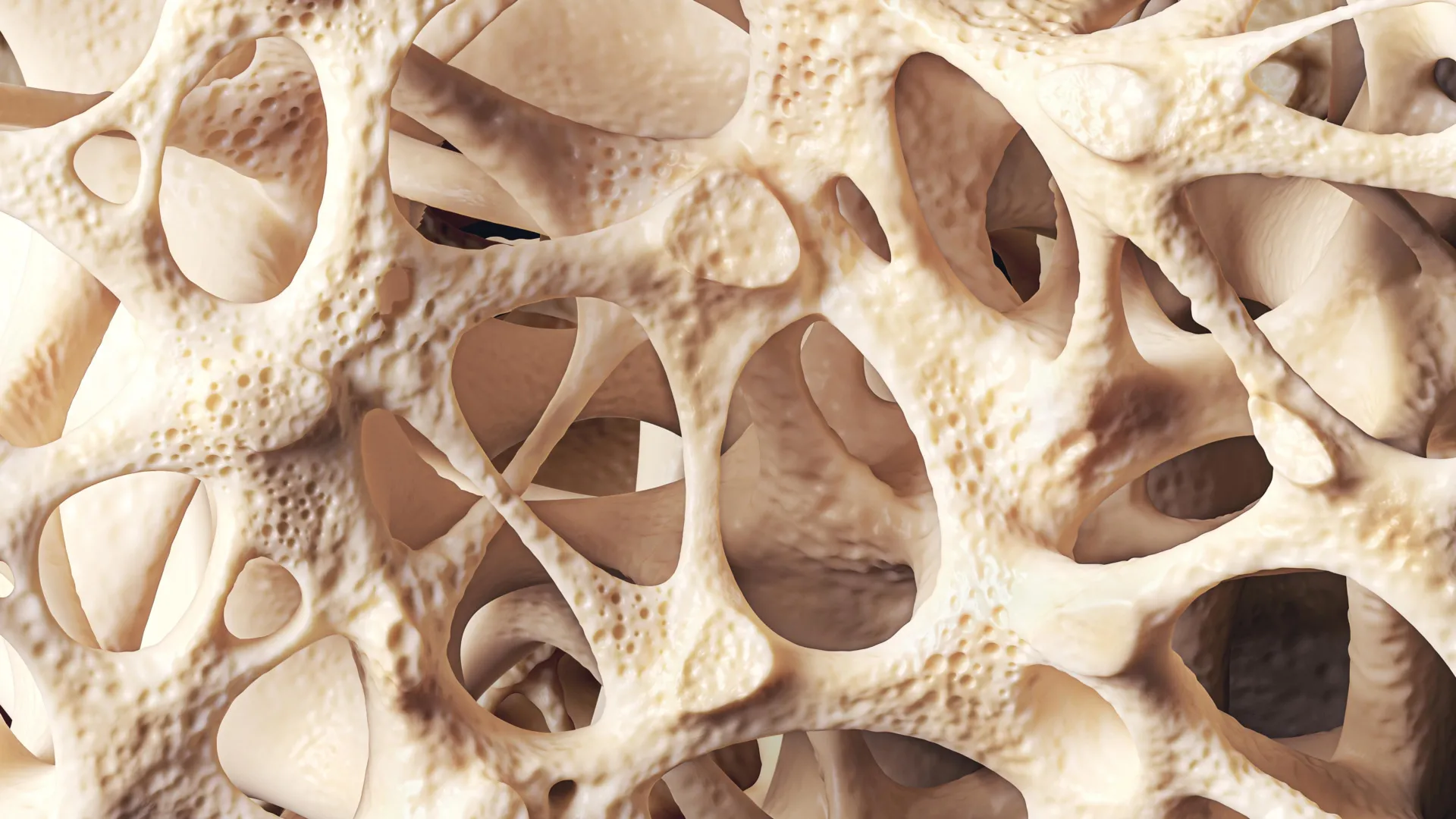
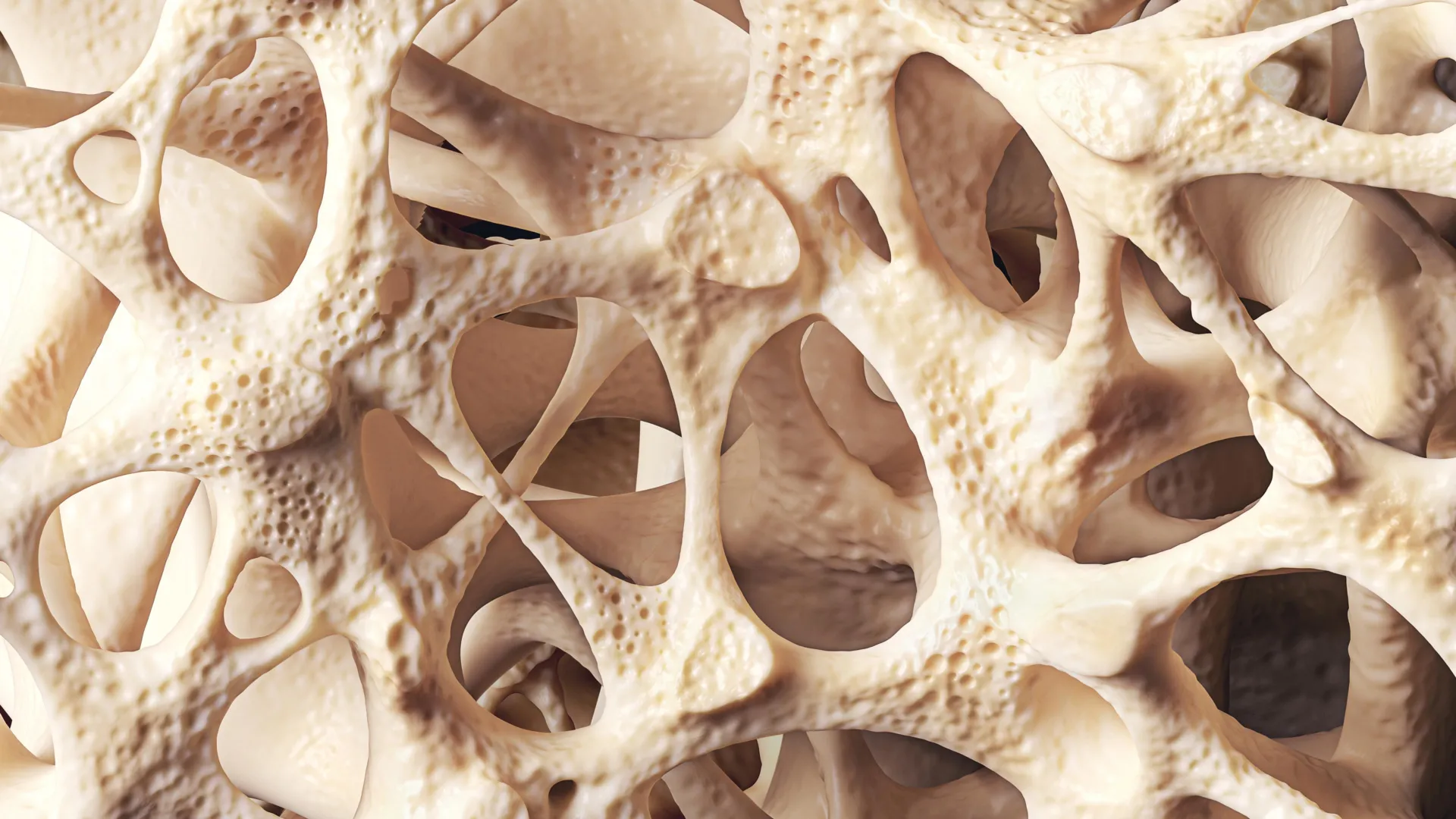
Around 40% of adults worldwide are affected by osteopenia, a prevalent condition characterized by a loss of bone mineral density, serving as a critical precursor to the more severe osteoporosis. This widespread issue is particularly common among postmenopausal women and elderly adults, contributing significantly to the global burden of fragility fractures. In the United Kingdom alone, it is estimated that more than 500,000 fractures occur annually due to low bone density, underscoring the urgent need for greater awareness and intervention strategies. Despite its pervasive nature and potential for serious complications, osteopenia frequently develops silently over time, often without any discernible symptoms. Many individuals remain unaware of their condition until they experience a fracture—a sentinel event that often signals significant bone weakness—or undergo a bone density test, typically prompted by recognized risk factors such as advancing age or the onset of menopause. This insidious progression firmly establishes osteopenia as a significant, yet often under-recognized, public health challenge with far-reaching implications for individual well-being and healthcare systems globally.
The Dynamics of Bone Remodeling: A Lifelong Process
Bone is far from a static structure; it is a dynamic, living tissue that undergoes continuous renewal through a sophisticated process known as bone remodeling. This vital biological cycle involves a delicate balance between two opposing cellular activities: bone resorption, where old or damaged bone tissue is broken down by specialized cells called osteoclasts, and bone formation, where new bone tissue is laid down by osteoblasts. Throughout early adulthood, this remodeling process is typically in equilibrium, meaning the rate of bone resorption is roughly equal to the rate of bone formation, ensuring the structural integrity and strength of the skeleton.
Bone mass usually reaches its peak density and strength around a person’s mid-20s to early-30s. This period, often referred to as peak bone mass, is a crucial determinant of an individual’s skeletal health later in life, as it represents the maximum amount of bone tissue accumulated. After this critical peak, a physiological shift occurs where bone loss gradually begins to exceed bone formation. This natural, age-related imbalance slowly leads to a progressive reduction in bone mineral density over decades, making bones more porous and susceptible to fracture. The magnitude of an individual’s peak bone mass and the rate at which they lose bone subsequently are key factors in determining their risk of developing osteopenia and, eventually, osteoporosis.
Identifying the Accelerators: Risk Factors for Bone Loss
While aging is universally recognized as the primary and inevitable risk factor for bone loss, numerous additional factors can significantly accelerate this process, leading to earlier onset or more rapid progression of osteopenia. Understanding these contributing elements is paramount for targeted prevention and personalized management strategies.
Hormonal Changes: Among the most influential factors are hormonal fluctuations, particularly the sharp decline in estrogen levels experienced by women after menopause. Estrogen plays a critical protective role in bone health by regulating bone remodeling and slowing the natural process of bone breakdown. With its reduction, osteoclast activity can increase unchecked, leading to accelerated bone resorption. This explains why approximately one in two women over the age of 50 will experience a fragility fracture, often as a direct consequence of postmenopausal bone loss. Beyond menopause, other hormonal imbalances, such as hyperthyroidism (excessive thyroid hormone), hyperparathyroidism (excessive parathyroid hormone), or conditions affecting sex hormone production in men, can also detrimentally impact bone density.
Lifestyle Choices: Modern lifestyles often contribute significantly to diminished bone strength.
- Smoking: Tobacco use is a well-established risk factor. Nicotine and other chemicals in cigarettes can directly harm osteoblasts, impair blood flow to bones, and interfere with calcium absorption, all while potentially lowering estrogen levels in women.
- Excessive Alcohol Consumption: Chronic heavy alcohol intake can disrupt bone formation, impair nutrient absorption (especially calcium and vitamin D), and increase the risk of falls due to impaired balance and coordination.
- Physical Inactivity: A sedentary lifestyle is detrimental to bone health. Bones, like muscles, respond to stress and activity. Weight-bearing exercises and resistance training stimulate osteoblasts to build new bone tissue. Conversely, a lack of such physical loading signals the body that strong bones are not needed, leading to reduced bone density.
- Dietary Deficiencies: Nutrition is equally critical. Insufficient intake of calcium, the primary mineral component of bone, directly limits the body’s ability to build and maintain a robust skeletal structure. Equally important is vitamin D, which is essential for efficient calcium absorption from the gut. Chronic low intake of these vital nutrients leaves bones vulnerable.
Medical Conditions and Medications: A range of underlying health conditions and certain pharmaceutical treatments can further elevate the risk of osteopenia.
- Gastrointestinal Disorders: Conditions like Crohn’s disease and celiac disease can impair nutrient absorption, including calcium and vitamin D, even with adequate dietary intake.
- Endocrine Disorders: Beyond thyroid and parathyroid issues, conditions like Cushing’s syndrome (excess cortisol) can also negatively impact bone.
- Rheumatoid Arthritis: Chronic inflammatory conditions can lead to bone loss through systemic inflammation and the use of certain medications.
- Medications: Long-term use of certain medications is a notable contributor. Corticosteroids, commonly prescribed for inflammatory conditions, are particularly implicated as they can suppress bone formation and increase bone breakdown. Other medications, including some anticonvulsants, proton pump inhibitors (PPIs), and certain immunosuppressants, have also been linked to reduced bone mineral density.
Genetic Predisposition and Ethnicity: While not modifiable, genetic factors play a role in determining an individual’s peak bone mass and the rate of bone loss. A family history of osteoporosis or fragility fractures can indicate an increased personal risk. Furthermore, certain ethnic groups may have varying baseline bone densities, influencing their susceptibility to osteopenia.
The Silent Threat: Diagnosis and Early Detection
The asymptomatic nature of osteopenia makes early detection particularly challenging, yet profoundly important. As bone loss progresses silently, the first indication for many may be a fracture sustained from a fall or minor trauma that would typically not cause such injury in someone with healthy bones. This makes targeted screening crucial for at-risk individuals.
The gold standard for measuring bone mineral density (BMD) and diagnosing osteopenia or osteoporosis is a dual-energy X-ray absorptiometry (DXA) scan. This non-invasive, low-dose X-ray procedure provides precise measurements of bone density, typically at the hip and spine, which are common sites for fragility fractures. DXA results are reported using a T-score, which compares a patient’s BMD to that of a healthy young adult of the same sex. A T-score between -1.0 and -2.5 standard deviations below the young adult mean indicates osteopenia. A T-score below -2.5 meets the diagnostic threshold for osteoporosis, signifying more advanced bone loss and a significantly higher fracture risk. For younger individuals or those with conditions that affect bone development, a Z-score, which compares BMD to an age- and sex-matched population, may also be used.
Screening Guidelines and Fracture Risk Assessment:
Clinical guidelines from organizations like the National Osteoporosis Foundation (NOF) and the Royal Osteoporosis Society (ROS) recommend routine DXA screening for:
- All women aged 65 and older.
- All men aged 70 and older.
- Younger postmenopausal women and men aged 50-69 with risk factors for bone loss.
- Adults who have experienced a fragility fracture.
- Individuals with medical conditions or on medications known to cause bone loss.
Beyond DXA results, clinicians often utilize fracture risk assessment tools, such as the FRAX® tool, developed by the World Health Organization (WHO). This tool integrates various clinical risk factors—including age, sex, body mass index, prior fracture history, parental hip fracture, current smoking, alcohol consumption, steroid use, and other secondary causes of osteoporosis—alongside bone mineral density to calculate a patient’s ten-year probability of a major osteoporotic fracture (hip, spine, forearm, or shoulder) and a hip fracture specifically. This comprehensive assessment guides treatment decisions, particularly in patients with osteopenia, determining whether lifestyle modifications alone are sufficient or if pharmacological intervention is warranted.
Proactive Management and Intervention Strategies
Managing osteopenia is a proactive endeavor focused on slowing or halting further bone loss, strengthening existing bone, and significantly reducing the risk of debilitating fractures. This multifaceted approach typically involves a combination of targeted lifestyle changes, nutritional support, and, in select high-risk cases, prescription medication.
Lifestyle Modifications: The Foundation of Bone Health:
- Exercise for Bone Strength: Regular physical activity is paramount. Weight-bearing exercises, where bones and muscles work against gravity, are particularly effective. Examples include walking, jogging, dancing, hiking, and stair climbing. These activities place beneficial strain on the skeleton, stimulating osteoblasts to build new bone tissue and improve bone mineral density. Resistance training, incorporating activities like lifting weights, using resistance bands, or bodyweight exercises, further strengthens both bones and surrounding muscles, which in turn provides better skeletal support and improves balance. Research consistently demonstrates that consistent engagement in such exercises is associated with improved BMD and a reduced risk of osteoporosis. Beyond bone density, exercises that enhance balance and muscle strength, such as Tai Chi, yoga, and Pilates, are crucial for reducing the risk of falls—a leading cause of fractures in older adults.
- Nutritional Pillars: A diet rich in bone-supporting nutrients is indispensable.
- Calcium: Essential for bone structure. Recommended daily intake for adults typically ranges from 1,000 to 1,200 mg. Excellent dietary sources include dairy products (milk, yogurt, cheese), leafy green vegetables (kale, broccoli), fortified plant-based milks and cereals, tofu, and certain fish (sardines with bones).
- Vitamin D: Crucial for calcium absorption and bone mineralization. The body produces vitamin D when skin is exposed to sunlight, but dietary sources (fatty fish like salmon, tuna, mackerel, fortified foods) and supplements are often necessary, especially in regions with limited sun exposure. In the UK, for example, vitamin D deficiency is relatively common, leading to widespread recommendations for daily supplementation.
- Other Nutrients: Magnesium, vitamin K, and phosphorus also play supportive roles in bone health and should be adequately supplied through a balanced diet.
- Avoiding Detrimental Habits: Cessation of smoking is critical, as is limiting alcohol intake to moderate levels (no more than one drink per day for women and two for men). Maintaining a healthy body weight is also important, as both underweight and obesity can negatively impact bone health.
Pharmacological Interventions: When Medications Are Necessary:
Not every individual with osteopenia requires drug treatment. Clinical decisions are often guided by the fracture risk assessment tools discussed earlier. If a patient’s ten-year probability of a major osteoporotic fracture is high, or if they have already experienced a fragility fracture, medications may be recommended. These treatments aim to slow bone breakdown, increase bone density, and significantly reduce fracture risk.
- Antiresorptive Drugs: Bisphosphonates (e.g., alendronate, risedronate, zoledronic acid) are the most commonly prescribed class of medications. They work by inhibiting the activity of osteoclasts, thereby slowing bone breakdown and helping to maintain or even increase bone density. While more commonly used for osteoporosis, bisphosphonates may also benefit high-risk patients with osteopenia, particularly those with a history of fracture or multiple risk factors.
- Other Agents: Depending on the individual case, other agents such as denosumab (an antibody that targets osteoclasts) or selective estrogen receptor modulators (SERMs) might be considered, though these are more typically reserved for osteoporosis. The decision to initiate drug therapy for osteopenia is a careful one, weighing the benefits against potential side effects and the patient’s overall health profile.
Broader Implications and a Call for Public Health Action
Osteopenia should not be dismissed as a minor or merely early form of osteoporosis. Instead, it must be recognized as a critical warning sign and an opportune point for intervention. The progression from osteopenia to osteoporosis is not an inevitable fate. Evidence strongly suggests that early detection, coupled with targeted lifestyle changes and, when appropriate, medical intervention, can effectively maintain bone health, significantly slow the rate of bone loss, and substantially reduce the risk of developing full-blown osteoporosis later in life. In many cases, with diligent adherence to treatment and lifestyle adjustments, bone density may even improve, demonstrating the remarkable capacity of the skeletal system to respond to positive interventions.
The implications of untreated osteopenia and its progression to osteoporosis are profound, extending beyond individual suffering to impose a substantial burden on healthcare systems. Fragility fractures, particularly hip fractures, are associated with high rates of morbidity and mortality, requiring extensive hospitalization, surgery, rehabilitation, and often leading to long-term disability and loss of independence. The economic costs related to fracture treatment, long-term care, and lost productivity run into billions globally each year.
From a public health perspective, a long-term strategy is essential. Bone health is a cumulative reflection of an individual’s health and lifestyle choices across their entire lifespan, beginning in childhood and adolescence when peak bone mass is established. Therefore, prevention requires sustained effort. Promoting healthy habits from a young age—including regular physical activity, a balanced diet rich in calcium and vitamin D, and avoiding smoking and excessive alcohol—is the most effective strategy for building and protecting bone strength. Public health campaigns, educational initiatives, and accessible screening programs are vital to raise awareness, encourage early detection, and empower individuals to take proactive steps to safeguard their skeletal health. By viewing osteopenia not as a diagnosis of inevitable decline, but as a critical window for intervention, we can collectively work towards a future with stronger bones and fewer fractures.
