
 By Billy Candra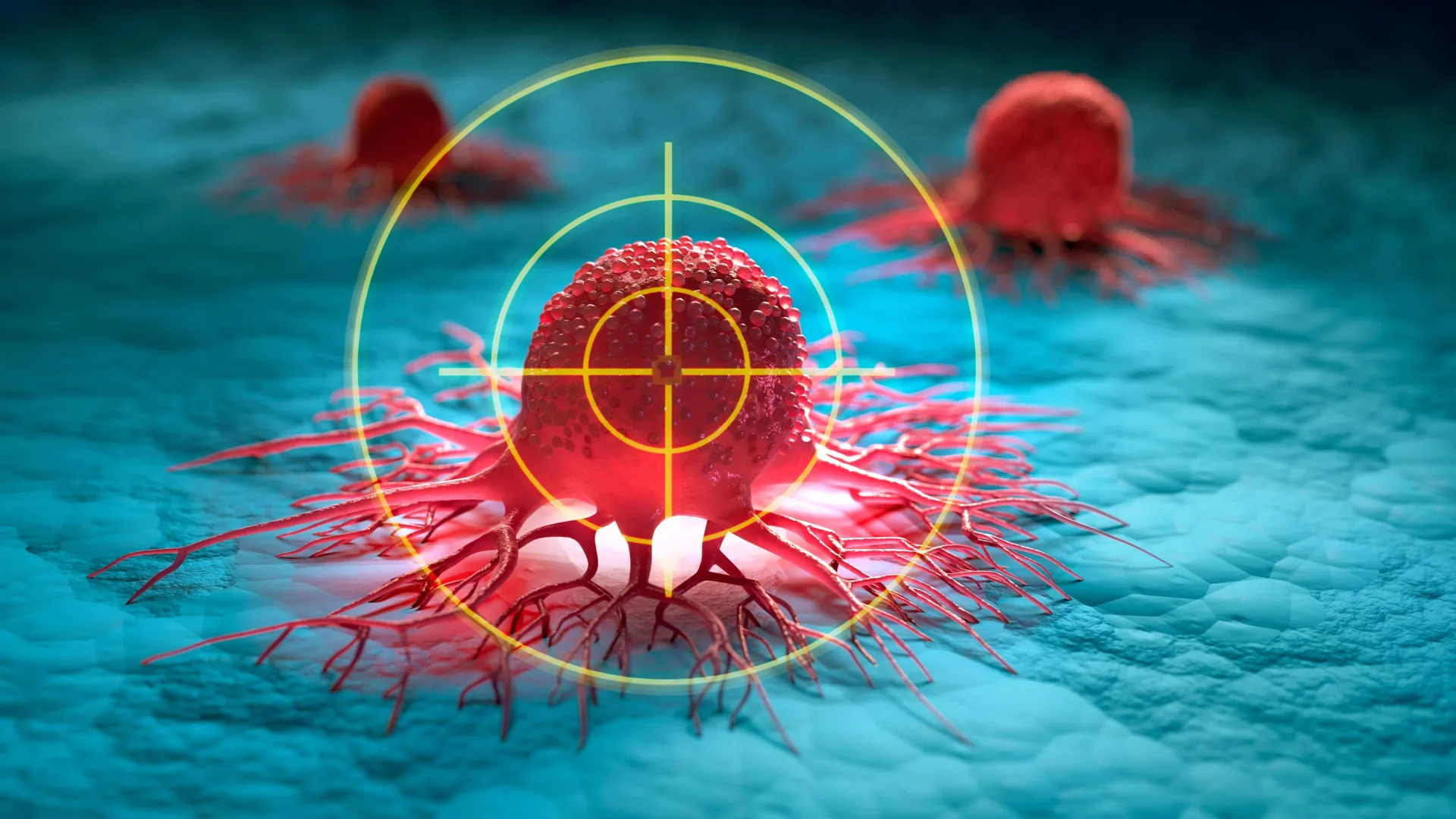
Scientists at the Icahn School of Medicine at Mount Sinai have unveiled an experimental immunotherapy that marks a significant departure from conventional cancer treatment strategies. Instead of directly targeting malignant cells, this novel approach focuses on dismantling the protective cellular environment that shields metastatic tumors, rendering them vulnerable to the body’s immune defenses. The research, detailed in the January 22 online issue of Cancer Cell, a Cell Press Journal, demonstrated remarkable efficacy in aggressive preclinical models of metastatic ovarian and lung cancer, heralding a promising new era for treating advanced solid tumors that have historically resisted existing therapies.
A Novel "Trojan Horse" Strategy for Solid Tumors
The core innovation of this immunotherapy lies in its "Trojan horse" strategy. Traditional immunotherapies, particularly CAR T cell treatments, are designed to identify and eliminate cancer cells directly. However, solid tumors present formidable challenges due to their complex and highly immunosuppressive microenvironment, often lacking clear, universal targets on cancer cells themselves. The Mount Sinai team circumvented these obstacles by redirecting their therapeutic focus: they engineered CAR T cells to target tumor-associated macrophages (TAMs) – immune cells that, paradoxically, become co-opted by tumors to act as guardians and facilitators of cancer growth.
"What we call a tumor is really cancer cells surrounded by cells that feed and protect them. It’s a walled fortress," explained lead study author Jaime Mateus-Tique, PhD, a faculty member in Immunology and Immunotherapy at the Icahn School of Medicine at Mount Sinai. "With immunotherapy, we kept running into the same problem — we can’t get past this fortress’s guards. So, we thought: what if we targeted these guards, turned them from protectors to friends, and used them as a gateway to bring a wrecking force within the fortress." This evocative analogy underscores the strategic brilliance of the new approach, aiming to dismantle the tumor’s defenses from within rather than attempting a frontal assault.
The Formidable Challenge of Metastatic Solid Tumors
Metastatic disease, where cancer spreads from its primary site to other parts of the body, is responsible for approximately 90% of all cancer-related deaths. Solid tumors, such as lung and ovarian cancers, represent a particularly difficult subset within this category. Despite significant advancements in cancer treatment over the past decades, including the advent of traditional immunotherapies like checkpoint inhibitors and CAR T cell therapies, the five-year survival rates for many advanced metastatic solid cancers remain distressingly low. For instance, the five-year survival rate for metastatic lung cancer is often below 10%, and for advanced ovarian cancer, it can range from 17% to 46% depending on the stage and subtype.
A primary reason for this therapeutic resistance lies in the intricate interplay between cancer cells and their immediate surroundings, known as the tumor microenvironment (TME). The TME is a complex ecosystem comprising various cell types—including immune cells, fibroblasts, endothelial cells, and extracellular matrix components—all of which can be manipulated by cancer cells to promote their survival, proliferation, and spread. Within this hostile environment, immune cells that would normally fight off disease are often reprogrammed to suppress immune activity, creating a formidable shield that protects cancer cells from detection and destruction by the body’s own immune system or therapeutic interventions.
Macrophages: From Protectors to Pawns of Cancer
At the heart of the tumor’s defensive apparatus are tumor-associated macrophages (TAMs). Macrophages are a type of white blood cell that play a crucial role in the immune system, acting as early responders to infection, clearing cellular debris, and facilitating tissue repair in healthy tissues. However, within the aberrant environment of a growing tumor, these versatile cells undergo a sinister transformation. They are "reprogrammed" by signals from cancer cells and other components of the TME to adopt pro-tumor functions.
Instead of fighting cancer, TAMs begin to actively suppress anti-tumor immune responses, promote angiogenesis (the formation of new blood vessels that feed the tumor), aid in tumor cell invasion and metastasis, and even directly support cancer cell proliferation. They essentially become loyal servants of the cancer, forming a significant barrier against effective immunotherapy. In many solid tumors, TAMs can constitute a substantial portion of the tumor mass, sometimes outnumbering the cancer cells themselves, making them a critical, yet previously intractable, target for therapy.
Re-engineering CAR T Cells: The Mount Sinai Breakthrough
The therapy developed by the Mount Sinai team represents a sophisticated evolution of CAR T cell technology. Chimeric Antigen Receptor (CAR) T cell therapy is a groundbreaking form of immunotherapy where a patient’s own T cells (a type of immune cell) are genetically engineered in the lab to express a synthetic receptor (CAR) that enables them to recognize and bind to specific proteins on cancer cells. Once infused back into the patient, these "living drugs" proliferate and launch a targeted attack against the malignant cells. CAR T cells have achieved remarkable success in treating certain blood cancers, such as B-cell lymphomas and acute lymphoblastic leukemia, with cure rates sometimes exceeding 80% in specific patient populations.
However, translating this success to solid tumors has proven challenging. Beyond the immunosuppressive TME, a major hurdle has been the difficulty in identifying suitable, unique cancer-specific targets (antigens) on solid tumor cells that are consistently expressed and not found on healthy tissues. Targeting broadly expressed antigens could lead to severe "on-target, off-tumor" toxicities.
The Mount Sinai researchers elegantly sidestepped this problem by redirecting the CAR T cells. Instead of targeting cancer cells directly, their engineered CAR T cells were designed to recognize specific markers on tumor macrophages. This approach is "antigen-independent" in the sense that it doesn’t rely on a unique cancer cell antigen, but rather on a common characteristic of the tumor’s support system.
Furthermore, the team "armored" these CAR T cells with an additional potent weapon: they modified them to release interleukin-12 (IL-12). IL-12 is a powerful immune-stimulating cytokine known to activate killer T cells and natural killer cells, effectively turning up the volume on the body’s anti-cancer immune response. While IL-12 has shown promise in cancer therapy, its systemic administration has been limited by severe toxicity. By engineering CAR T cells to deliver IL-12 directly and locally within the tumor microenvironment upon engaging TAMs, the researchers aimed to maximize its therapeutic effect while minimizing systemic side effects.
Dramatic Preclinical Outcomes and Mechanistic Insights
The efficacy of this novel armored CAR T cell therapy was rigorously tested in aggressive preclinical models of metastatic ovarian and lung cancer in mice. The results were nothing short of dramatic. Mice treated with the engineered cells demonstrated significantly prolonged survival compared to untreated control groups, with many animals achieving complete and durable cures. This outcome is particularly striking given the aggressive nature of the cancer models used, which are designed to mimic the challenging clinical scenarios faced by human patients with advanced metastatic disease.
To understand the underlying mechanisms of this success, the researchers employed advanced spatial genomics techniques. These cutting-edge analyses allowed them to map the cellular landscape within the tumors at a high resolution, revealing how the treatment reshaped the tumor microenvironment. The findings confirmed that the therapy effectively removed immune-suppressing TAMs, simultaneously attracting and activating a robust influx of cancer-killing immune cells, including cytotoxic T lymphocytes. This profound transformation converted the tumor environment from an immunosuppressed state, conducive to cancer growth, into an immune-active battleground primed for cancer eradication.
"Macrophages are found in every type of tumor, sometimes outnumbering the cancer cells. They’re there because the tumor uses them as a shield," stated senior author Brian Brown, PhD, Director of the Icahn Genomics Institute, Vice Chair of Immunology and Immunotherapy, Associate Director of the Marc and Jennifer Lipschultz Precision Immunology Institute, and Mount Sinai Professor of Genetic Engineering. "What’s so exciting is that our treatment converts these cells from protecting the cancer to killing it. We’ve turned foe into ally." This statement encapsulates the profound shift in therapeutic strategy and the potential for these engineered cells to flip the script on cancer’s defensive tactics.
Broader Implications and Future Trajectory
The development of armored macrophage-targeted CAR T cells represents a significant milestone in the ongoing battle against cancer, particularly for patients with advanced solid tumors that currently have limited treatment options. The "antigen-independent" nature of this strategy—meaning it doesn’t rely on identifying specific cancer cell markers—suggests its potential applicability across a wide spectrum of cancers, including those notoriously difficult to treat with current immunotherapies. The consistent effectiveness observed in both lung and ovarian cancer models underscores its broad therapeutic promise.
While the results are highly encouraging, the researchers emphasize the critical next steps: human studies are indispensable to determine the safety, tolerability, and efficacy of this therapy in patients. These preclinical findings serve as a robust proof of concept, establishing a new paradigm for cancer treatment rather than presenting an immediate cure. The journey from laboratory discovery to clinical application is often long and arduous, requiring rigorous testing and validation in human trials.
"This establishes a new way to treat cancer," Dr. Brown affirmed. "By targeting tumor macrophages, we’ve shown that it can be possible to eliminate cancers that are refractory to other immunotherapies." The team is currently focused on refining the approach, particularly on precisely controlling the localized release of IL-12 within tumors in mouse models. The goal is to optimize the therapy’s impact while meticulously maintaining safety, as it progresses closer to potential human testing. Beyond lung and ovarian cancer, the researchers envision this strategy forming the foundation for future CAR T therapies that fundamentally reshape the tumor microenvironment by targeting its critical support cells, thereby empowering the immune system to eradicate cancer cells.
This innovative research was supported by significant funding from NIH grants (U01CA28408, R01CA254104), the Alliance for Cancer Gene Therapy, the Feldman Family Foundation, and the Applebaum Foundation, highlighting the collaborative effort required to push the boundaries of medical science. The comprehensive team of authors, including Jaime Mateus-Tique, Ashwitha Lakshmi, Bhavya Singh, Rhea Iyer, Alfonso R. Sánchez-Paulete, Chiara Falcomata, Matthew Lin, Gvantsa Pantsulaia, Alexander Tepper, Trung Nguyen, Angelo Amabile, Gurkan Mollaoglu, Luisanna Pia, Divya Chhamalwan, Jessica Le Berichel, Hunter Potak, Marco Colonna, Alessia Baccarini, Joshua Brody, Miriam Merad, and Brian D. Brown, contributed to this groundbreaking study, which could redefine how we approach metastatic solid tumors in the future.
