
 By admin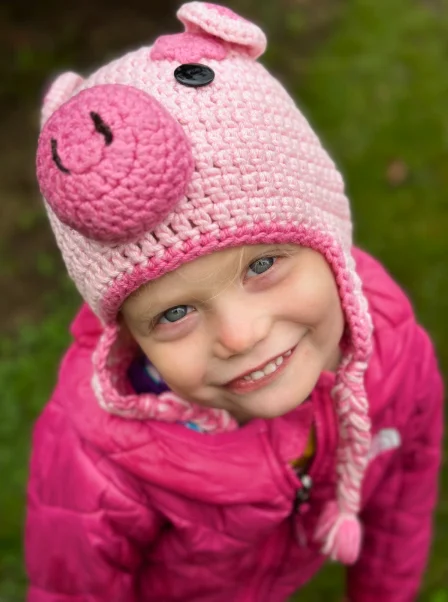
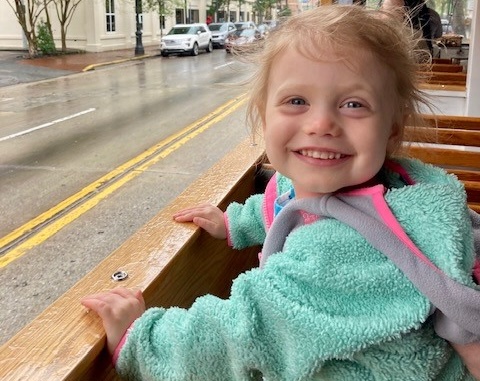
The sight of seven-year-old Ella skipping toward her mother’s car after dance class, laughing with peers and embodying the vitality of early childhood, serves as a profound testament to the advancements in pediatric oncology. For her mother, Christina, these routine moments are framed by the knowledge that Ella’s presence today defies the statistical projections provided at the time of her diagnosis. Ella is a survivor of M7-AML, a rare and exceptionally aggressive subtype of acute myeloid leukemia (AML) that historically carries a dismal prognosis for pediatric patients. Diagnosed as a toddler, Ella was not expected to reach her third birthday. Today, however, she is meeting developmental milestones—starting kindergarten, participating in organized sports, and achieving literacy—that were once considered biologically improbable. Her survival is the direct result of a multi-year convergence between dedicated laboratory research, philanthropic intervention, and a new national initiative known as the Pediatric AML Collaborative.
The Clinical Challenge of M7-AML and Pediatric Leukemia
Acute myeloid leukemia represents approximately 20% of all childhood leukemia cases, yet it remains one of the most difficult pediatric cancers to treat effectively. Unlike acute lymphoblastic leukemia (ALL), which has seen survival rates climb toward 90% in recent decades, the outcomes for AML have lagged, particularly when specific genetic mutations or rare subtypes are involved. M7-AML, or acute megakaryoblastic leukemia, is characterized by the malignant proliferation of megakaryoblasts—the precursor cells to blood platelets. In the pediatric population, this subtype is often associated with poor response to conventional intensive chemotherapy and a high rate of relapse.
For children like Ella, the traditional "standard of care" involves high-dose cytarabine and anthracyclines, treatments that are notoriously toxic. These regimens often result in long-term side effects, including cardiac toxicity, secondary malignancies, and significant developmental delays. When a child relapses after such intensive therapy, the options for salvage treatment are limited and frequently unsuccessful. This clinical gap created an urgent need for targeted therapies that could identify and destroy leukemia cells while sparing the developing tissues of a growing child.
The Research Genesis: Dr. Soheil Meshinchi’s Vision
Years before Ella’s diagnosis, Dr. Soheil Meshinchi, a renowned researcher at the Fred Hutchinson Cancer Center in Seattle, identified the systemic failures in treating rare AML subtypes. Dr. Meshinchi recognized that the "one-size-fits-all" approach to leukemia was insufficient for the complex genomic landscape of M7-AML. His laboratory focused on target discovery—identifying unique proteins or genetic markers expressed on the surface of cancer cells that are absent in healthy cells.
The goal of Dr. Meshinchi’s work was the development of a "one-and-done" immunotherapy. This revolutionary approach aims to prime the patient’s own immune system to recognize and eradicate cancer cells with surgical precision. By moving away from broad-spectrum toxins and toward targeted biological agents, researchers hoped to offer a treatment that was both more effective and significantly less debilitating than the protocols used for the last thirty years. However, the path from a laboratory breakthrough to a clinical trial is fraught with structural and financial obstacles.
The Economic Barrier to Rare Disease Research
In the landscape of modern pharmaceutical development, the "orphan disease" status of rare pediatric cancers creates a significant market failure. Because the number of children diagnosed with specific subtypes like M7-AML is relatively small, major drug companies often find little financial incentive to invest the hundreds of millions of dollars required for clinical development. This leaves a "valley of death" in medical innovation, where promising science stalls in the laboratory because it lacks the capital to move into human trials.
Dr. Meshinchi has noted that the primary hurdle to advancing these life-saving treatments is rarely a lack of scientific insight, but rather a lack of consistent funding. Without the backing of large-scale commercial pharmaceutical interest, the responsibility for funding pediatric cancer research falls heavily on federal grants, which are increasingly competitive and often favor broader studies, and private philanthropy.
A Grassroots Financial Transformation
When Ella’s family learned of the limitations facing Dr. Meshinchi’s research, they transitioned from patients to advocates. Recognizing that their daughter’s long-term survival might depend on a treatment that was still sitting on a laboratory shelf, they partnered with the Children’s Cancer Research Fund (CCRF) to bridge the funding gap. This partnership catalyzed a massive fundraising effort that successfully raised over $1.3 million.
This capital was not merely a donation; it was the foundational investment required to launch a clinical trial. CCRF utilized its infrastructure to connect Dr. Meshinchi with a broader network of donors, foundations, and other families affected by AML. By coordinating these disparate groups into a unified funding stream, the organization ensured that the research had the sustained support necessary to meet rigorous FDA requirements for clinical testing. In April 2025, this effort reached a critical milestone when the trial officially enrolled its first pediatric patient, signaling a new era for targeted AML treatment.

The Science of the "One-and-Done" Therapy
The therapy developed by Dr. Meshinchi represents a shift toward precision medicine. Traditional chemotherapy works by killing all rapidly dividing cells, which includes not only cancer cells but also those in the bone marrow, digestive tract, and hair follicles. In contrast, the new immunotherapy targets specific antigens found on the AML cells.
By activating the immune system’s T-cells or utilizing monoclonal antibodies, the treatment seeks to create a "memory" within the patient’s body. If successful, this would allow the immune system to continuously monitor for and destroy any recurring leukemia cells, potentially eliminating the need for the years of maintenance chemotherapy that currently define the pediatric cancer experience. Dr. Meshinchi has described this advancement as the "Holy Grail" of oncology—a treatment that provides a definitive cure with minimal impact on the patient’s quality of life.
Establishing the Pediatric AML Collaborative
While Ella’s story and the success of the clinical trial represent a significant victory, the broader challenge of pediatric cancer requires a systemic solution. To address the fragmentation of data and the inconsistency of funding, CCRF has spearheaded the creation of the Pediatric AML Collaborative.
This national initiative is designed to dismantle the silos that often exist between major research institutions. Currently, data regarding rare leukemia subtypes is often scattered across different hospitals, making it difficult for researchers to gather a statistically significant "n-count" for their studies. The Collaborative aims to:
- Centralize Genomic Data: By creating a shared repository of patient data, researchers can identify patterns in rare AML subtypes more rapidly.
- Synchronize Funding Efforts: Instead of individual families running isolated donation drives, the Collaborative provides a unified platform to fund the most promising research projects nationwide.
- Accelerate Trial Enrollment: By connecting clinicians across the country, the Collaborative ensures that a child in a rural area has the same access to cutting-edge clinical trials as a child at a major urban research center.
- Foster Interdisciplinary Cooperation: Bringing together clinicians, laboratory researchers, and patient advocates ensures that research is grounded in the real-world needs of families.
Analysis of Implications for the Future of Oncology
The transition toward collaborative, donor-funded research models marks a pivotal shift in how the medical community approaches rare diseases. As the cost of drug development continues to rise, the "Ella model"—where patient advocacy groups and specialized non-profits drive the development of niche therapies—is becoming a blueprint for other rare conditions.

Furthermore, the success of the M7-AML research underscores the importance of "precision" over "potency." The future of pediatric oncology lies in the ability to decode the genetic signature of a tumor and tailor a treatment specifically to that child. This reduces the "collateral damage" of cancer treatment, ensuring that survivors like Ella do not just live, but thrive without the burden of chronic health issues caused by their cure.
Conclusion: The Path Forward
Ella’s journey from a terminal diagnosis to a vibrant seven-year-old is a powerful reminder of the stakes involved in medical research. However, the "miracle" of her survival is rooted in the very tangible work of laboratory scientists and the strategic intervention of philanthropic organizations. As the Pediatric AML Collaborative begins its work, the goal is to ensure that stories like Ella’s are no longer outliers, but the standard expectation for every child diagnosed with leukemia.
The enrollment of the first patient in the April 2025 trial is a beginning, not an end. It represents the proof of concept that when families, researchers, and donors align their resources, the "roadblocks" of traditional drug development can be cleared. For the thousands of children still facing the odds that Ella once did, the development of this collaborative infrastructure offers the most precious commodity of all: time. Through sustained investment and national cooperation, the medical community is moving closer to a world where a diagnosis of aggressive AML is no longer a death sentence, but a manageable challenge met with a definitive, targeted cure.
