
 By Hendra Lukman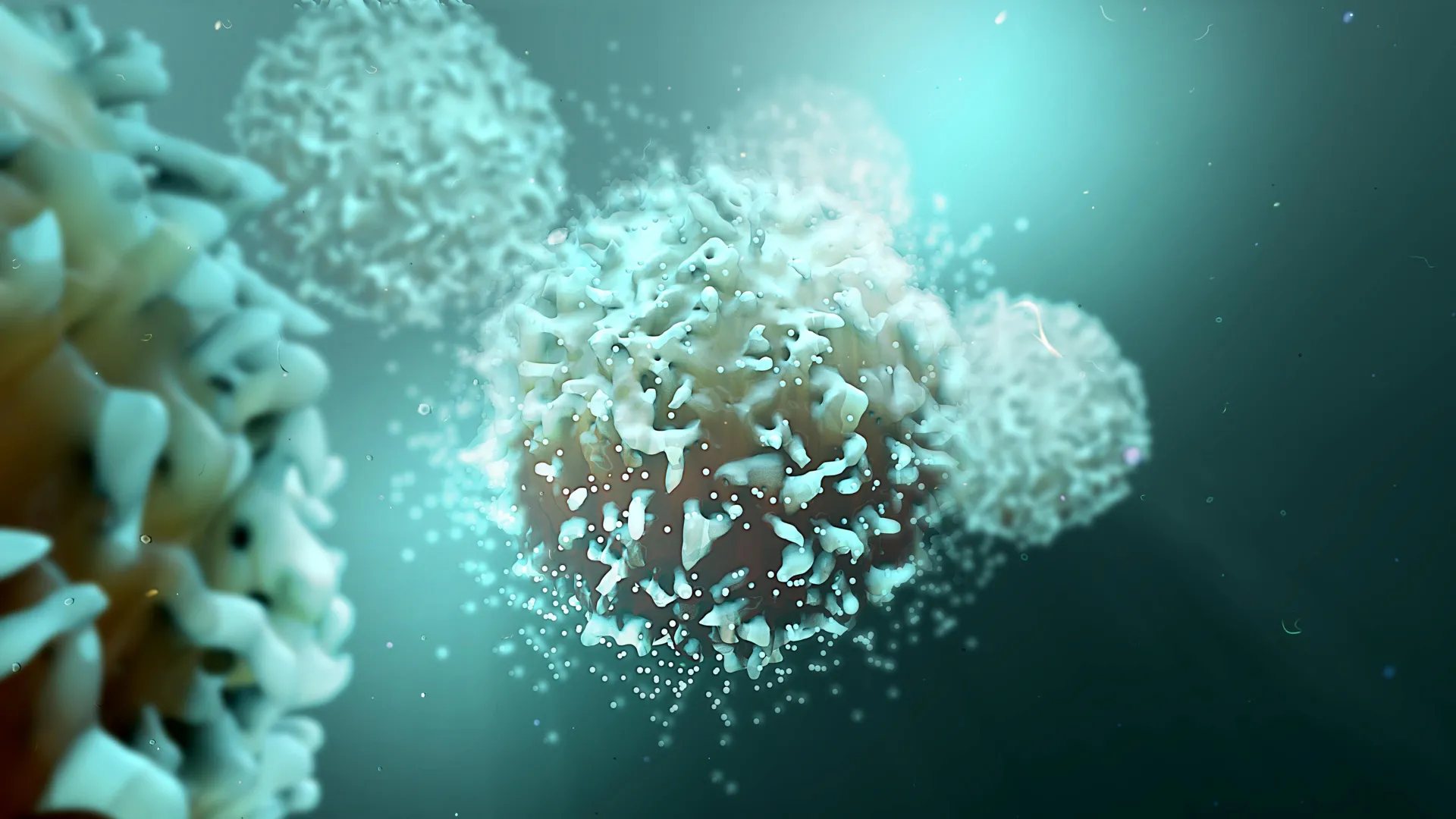
A revolutionary gene therapy developed by scientists at University College London (UCL) and Great Ormond Street Hospital (GOSH) is demonstrating remarkable promise for children and adults battling T-cell acute lymphoblastic leukemia (T-ALL), a rare and aggressive blood cancer. This pioneering approach leverages genome-edited immune cells to precisely target and eliminate the disease in patients with historically limited and often ineffective treatment options. The development represents a significant leap forward in the fight against T-ALL, offering a beacon of hope for those facing a grim prognosis.
The Genesis of BE-CAR7: A New Era in Gene Therapy
The innovative treatment, known as BE-CAR7, is a first-of-its-kind gene therapy that utilizes base-edited immune cells to combat types of T-cell leukemia that have proven notoriously difficult to treat. Base-editing, an advanced form of CRISPR gene-editing technology, allows for the precise alteration of individual DNA letters within living cells without the need for cutting the DNA strand. This precision minimizes the risk of unintended genetic damage, a crucial advantage in the development of safe and effective cellular therapies.
The genesis of this transformative treatment can be traced back to 2022 when researchers at GOSH and UCL first employed this cutting-edge technology to treat Alyssa, a then 13-year-old girl from Leicester. Her case marked a historic milestone as the first time a base-edited therapy was administered to a patient globally. Since Alyssa’s groundbreaking treatment, the therapy has been extended to eight additional children and two adults at GOSH and King’s College Hospital (KCH), expanding the pool of patients benefiting from this potentially life-saving innovation.
Clinical Trial Unveils High Remission Rates: A Paradigm Shift in T-ALL Treatment
Early findings from the clinical trial have been published in the prestigious New England Journal of Medicine and presented at the 67th American Society of Hematology Annual Meeting, generating considerable excitement within the scientific and medical communities. The research team reported compelling outcomes, highlighting strong remission rates among treated patients. While specific numbers are still emerging from this ongoing trial, the published data indicates a significant positive response in a patient population where conventional therapies have often failed.
The success of BE-CAR7 underscores the evolving landscape of cancer treatment, moving towards highly personalized and targeted therapies. The ability to engineer a patient’s own immune system, or a readily available donor’s, to actively seek and destroy cancer cells represents a profound shift from traditional chemotherapy and radiation, which often carry significant systemic side effects.
Understanding CAR T-cell Therapy: A Powerful Weapon Against Blood Cancers
Chimeric Antigen Receptor (CAR) T-cell therapy has emerged as a formidable tool in the fight against various blood cancers. The fundamental principle involves extracting a patient’s T-cells – a type of white blood cell crucial for immune defense – and genetically modifying them in a laboratory. These engineered T-cells are then equipped with a synthetic protein, the chimeric antigen receptor (CAR), which acts like a highly specific GPS system. This CAR allows the modified T-cells to recognize unique markers, or "flags," present on the surface of cancer cells, enabling them to bind to and effectively destroy them.
However, developing CAR T-cell therapies for leukemias that originate from T-cells themselves has presented a unique and formidable challenge. The inherent difficulty lies in the need for the engineered CAR T-cells to eradicate cancerous T-cells without inadvertently attacking the healthy, engineered T-cells or other crucial immune cells. This delicate balancing act has been a major hurdle in advancing T-cell directed CAR T-cell therapies.
Base-Editing Unlocks "Universal" CAR T-cells: A Breakthrough in Accessibility
The BE-CAR7 approach ingeniously overcomes this challenge by employing a next-generation genome-editing method that refrains from cutting the DNA. This "base-editing" technique, powered by CRISPR-based tools, meticulously alters single DNA letters within the T-cells. This precise manipulation effectively reprograms the cells. A critical advancement stemming from this method, achieved in 2022, was the creation of banked stores of "universal" CAR T-cells. These "off-the-shelf" cells can be administered to different patients without the need for extensive personalized donor matching, significantly streamlining the treatment process and broadening accessibility.
For the BE-CAR7 study, these universal CAR T-cells were derived from the white blood cells of healthy donors. The intricate engineering process was conducted within a sterile cleanroom facility at GOSH. This facility utilizes custom RNA, mRNA, and a lentiviral vector within an automated system that the research team had previously refined. Key steps in this sophisticated manufacturing process involved:
- Cell Isolation: Obtaining healthy donor T-cells.
- Base-Editing: Precisely altering specific DNA letters within the T-cells to introduce the CAR construct and enhance their cancer-fighting capabilities while ensuring self-tolerance.
- CAR Introduction: Incorporating the gene for the chimeric antigen receptor.
- Expansion: Growing a sufficient quantity of the engineered T-cells for clinical use.
- Quality Control: Rigorous testing to ensure the safety, efficacy, and purity of the manufactured cells.
From Cancer Eradication to Immune Restoration: A Two-Phase Approach
Upon administration, the base-edited BE-CAR7 T-cells embark on a targeted mission, swiftly identifying and eliminating T-cells throughout the patient’s body, with a primary focus on eradicating the cancerous leukemia cells. In cases where the leukemia is successfully cleared within the initial month of treatment, patients then undergo a bone marrow transplant. This vital procedure serves to rebuild a healthy and functioning immune system, a process that typically takes several months. This integrated approach ensures not only the elimination of the disease but also the long-term restoration of immune health.
Professor Waseem Qasim, the lead researcher and a distinguished professor of cell and gene therapy at UCL, as well as an honorary consultant immunologist at GOSH, expressed his profound optimism. "We previously demonstrated encouraging results using precision genome editing for children with aggressive blood cancer, and this larger cohort of patients validates the significant impact of this therapeutic modality," Professor Qasim stated. "Our findings confirm that universal, or ‘off-the-shelf,’ base-edited CAR T-cells can effectively seek out and destroy highly resistant forms of CD7+ leukemia."
He further elaborated on the collaborative nature of the research and the emotional complexities involved. "Numerous teams across the hospital and university contributed to this endeavor, and we are immensely pleased for the patients who have achieved disease remission. However, we are also acutely aware that the outcomes were not as hoped for some children. These are intensive and challenging treatments, and patients and their families have been remarkably generous in acknowledging the importance of learning from every experience."
A Lifeline for Refractory T-ALL Patients: Addressing Unmet Needs
Dr. Rob Chiesa, a key investigator in the study and a consultant in bone marrow transplantation at GOSH, highlighted the critical need for innovative treatments for a significant subset of T-ALL patients. "While the majority of children diagnosed with T-cell leukemia respond favorably to standard treatments, approximately 20% do not. These patients desperately require more effective therapeutic options, and this research offers substantial hope for an improved prognosis for individuals diagnosed with this rare but aggressive blood cancer," Dr. Chiesa remarked.
He further emphasized the profound impact of individual patient journeys, citing Alyssa’s recovery as a testament to the dedication of a vast network of healthcare professionals. "Witnessing Alyssa’s continued progress is truly inspiring and a testament to her resilience and the unwavering commitment of a dedicated team at GOSH. The seamless collaboration between bone marrow transplant specialists, hematologists, ward staff, educators, play therapists, physiotherapists, and laboratory and research teams is paramount in providing comprehensive support to our patients."
Echoing this sentiment, Dr. Deborah Yallop, a consultant hematologist at KCH, commented, "We have observed remarkable responses in clearing leukemia that previously seemed intractable. This is an exceptionally powerful and promising approach."
Expanding Access Through Philanthropy and Public Funding
The advancement of this groundbreaking trial has been significantly bolstered by a combination of public and charitable funding. The trial is sponsored by GOSH and receives support from esteemed organizations including the Medical Research Council, Wellcome, and the National Institute for Health and Care Research (NIHR). Patients who are eligible for NHS care and express interest in participating in the trial are encouraged to consult with their healthcare providers.
In a significant development, the GOSH Charity has pledged substantial funding to facilitate treatment for an additional 10 T-ALL patients. This investment, exceeding £2 million, is instrumental in broadening access to the trial and directly supports GOSH Charity’s ongoing fundraising campaign for a new Children’s Cancer Centre. This centre is envisioned as a hub for advancing cutting-edge research and clinical innovation in pediatric oncology.
Alyssa’s Journey: An Enduring Inspiration for Future Discoveries
Alyssa Tapley, now 16 years old, stands as a living embodiment of the transformative potential of this pioneering therapy. Her courageous decision to participate in the clinical trial, even with uncertain outcomes, has paved the way for countless other children and adults. At the time of her treatment, her leukemia was undetectable, and she remained under close medical observation. She has since transitioned to long-term follow-up care and is fully reintegrated into daily life, actively pursuing her teenage interests.
Alyssa was diagnosed with T-cell leukemia in May 2021, following a prolonged period of symptoms that were initially attributed to recurring viral illnesses and fatigue. Standard treatments, including chemotherapy and an initial bone marrow transplant, proved unsuccessful, leading to discussions about palliative care. It was at this critical juncture that the research team offered her the opportunity to participate in the experimental BE-CAR7 therapy.
Reflecting on her experience, Alyssa shared, "I chose to participate in the research because I felt that, even if it didn’t work for me, it could help others. Years later, we know it worked, and I’m doing really well. I’ve been able to do all the things you’re supposed to do as a teenager." She added, "I’ve gone sailing, spent time away from home working on my Duke of Edinburgh Award, and even just attending school is something I dreamed of when I was ill. I’m not taking anything for granted. My next goal is learning to drive, but my ultimate aspiration is to become a research scientist and contribute to the next major discovery that can help people like me."
Fortifying Research Infrastructure: The Foundation for Future Innovations
The development and manufacture of BE-CAR7 cells have been made possible through a long-term, dedicated research program at the UCL Great Ormond Street Institute of Child Health, under the leadership of Professor Qasim. This program has benefited from sustained support from organizations such as the NIHR, Wellcome, and the Medical Research Council, alongside the vital contributions of the GOSH Charity. This collaborative ecosystem has been instrumental in driving the innovation and refinement of genome-editing treatments.
The research team now operates from the state-of-the-art Zayed Centre for Research into Rare Disease in Children. This cutting-edge facility is a testament to a significant partnership between UCL and GOSH, made possible by a generous £60 million gift in 2014 from Her Highness Sheikha Fatima bint Mubarak, in honor of her late husband, Sheikh Zayed bin Sultan Al Nahyan. The centre fosters an environment conducive to groundbreaking research and the development of novel therapies for rare diseases affecting children.
The researchers extended their heartfelt gratitude to Anthony Nolan, a leading blood cancer charity, and to the countless volunteer blood and stem cell donors whose generosity is fundamental to such research. They also expressed profound appreciation for the courage and commitment of the patients and their families who have bravely chosen to participate in this life-changing work. The continued success of BE-CAR7 signifies a major step forward in the fight against T-ALL, offering renewed hope and a tangible path towards recovery for patients who have long faced limited options.
