
 By Gabriel Paijo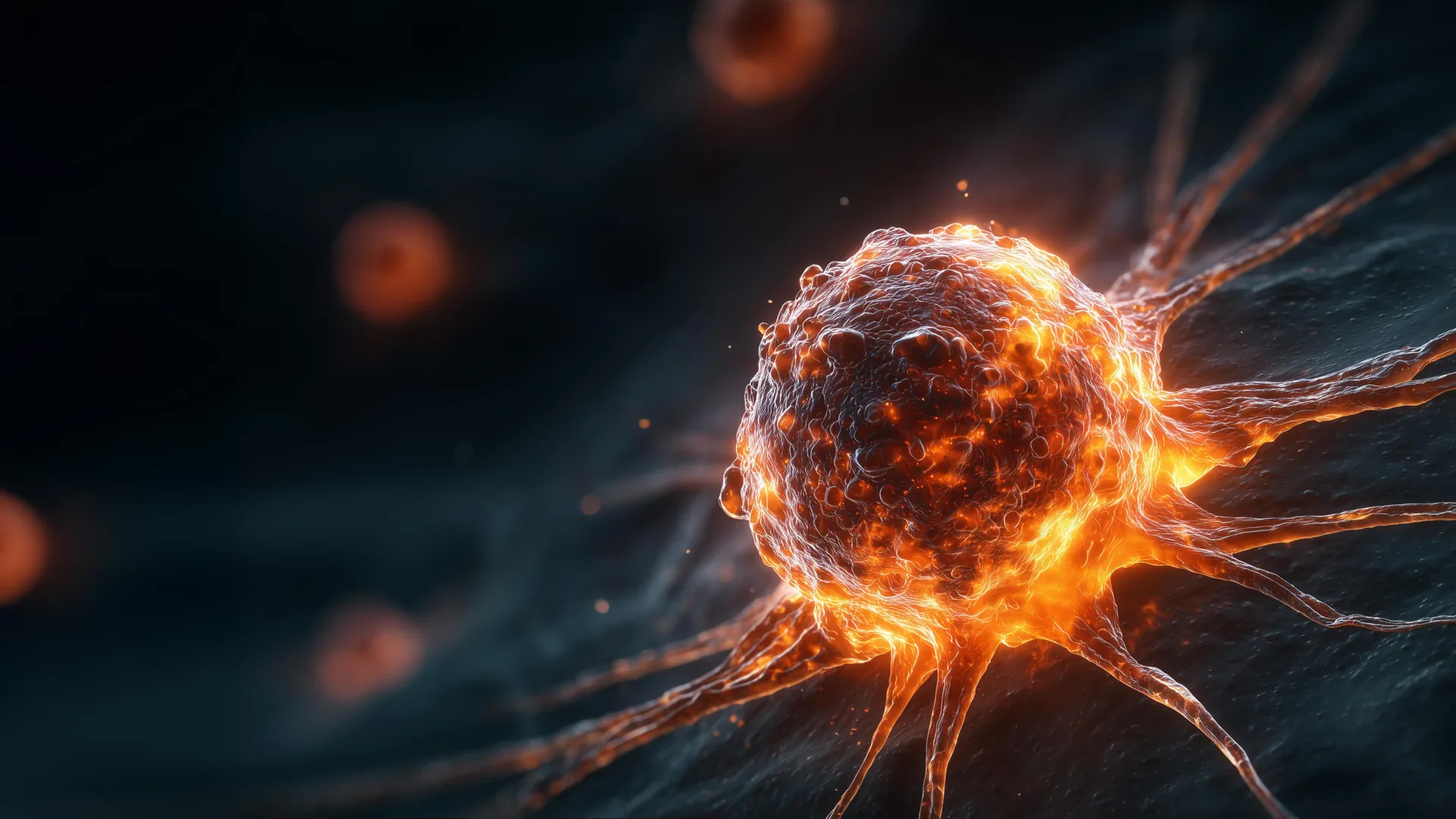
Scientists at the MRC Laboratory of Medical Sciences (LMS) and Imperial College London have announced a landmark discovery in the fight against cancer and age-related diseases by identifying a critical vulnerability in senescent cells, commonly referred to as "zombie cells." These cells, which have ceased dividing but refuse to die, linger in the body and secrete harmful substances that can promote tumor growth and tissue degradation. By pinpointing a specific protective protein known as GPX4, researchers have demonstrated that it is possible to strip these cells of their defenses, forcing them into a specialized form of self-destruction called ferroptosis. This breakthrough, published in the journal Nature Cell Biology, offers a potential new pathway for enhancing the efficacy of chemotherapy and developing novel treatments for conditions ranging from organ fibrosis to the general decline associated with aging.
The Biological Paradox of Senescent Cells
Cellular senescence is a biological state that has long intrigued the scientific community. Historically, it was viewed primarily as a beneficial mechanism—a natural "emergency brake" that prevents damaged or mutated cells from dividing and forming tumors. When a cell experiences significant DNA damage or oxidative stress, it enters a state of permanent growth arrest. This process, known as the Hayflick limit in certain contexts, is essential for suppressing the early stages of cancer.
However, the "zombie-like" nature of these cells presents a significant clinical challenge. While they no longer proliferate, they remain metabolically hyperactive. They develop what scientists call a Senescence-Associated Secretory Phenotype (SASP). Through SASP, these cells pump out a cocktail of pro-inflammatory cytokines, growth factors, and proteases. In the short term, these signals can help with wound healing and alert the immune system to clear the damaged cells. But as humans age, or when the body is subjected to aggressive treatments like chemotherapy, these senescent cells accumulate faster than the immune system can remove them.
The lingering presence of these cells creates a toxic microenvironment. In cancer patients, the SASP can actually stimulate the growth of neighboring malignant cells, promote metastasis (the spread of cancer), and even "reprogram" the immune system to ignore the tumor. Furthermore, the accumulation of senescent cells is a primary driver of chronic inflammation, which is linked to aging-related ailments such as cardiovascular disease, type 2 diabetes, and pulmonary fibrosis.
A Massive Screening Effort for Senolytic Compounds
To address the threat posed by these cells, the research team at MRC LMS and Imperial College London embarked on a comprehensive search for "senolytic" drugs—compounds specifically designed to kill senescent cells while sparing healthy ones. The scale of the investigation was immense, involving the testing of 10,000 different chemical compounds.
The researchers focused their search on a specialized category known as "covalent compounds." Unlike traditional drugs that may briefly bind to a protein and then release, covalent compounds form a permanent chemical bond with their target. This "lock-and-key" mechanism is particularly effective for blocking proteins that were previously considered "undruggable" because they lacked the deep binding pockets required by conventional pharmaceuticals.
Through this rigorous screening process, the team narrowed the field from 10,000 candidates down to four highly effective molecules. Upon closer analysis, they made a pivotal discovery: three of the four most effective compounds were targeting the exact same biological mechanism—the glutathione peroxidase 4 (GPX4) protein.
GPX4 and the Mechanism of Ferroptosis
The identification of GPX4 as the primary target provided a clear explanation for why these compounds were so effective at eliminating zombie cells. GPX4 is an enzyme that serves as a vital antioxidant shield for the cell. Its primary role is to neutralize lipid peroxides—toxic molecules that are produced when oxygen reacts with the fats in the cell membrane.
If GPX4 is inhibited, the cell undergoes "ferroptosis," a relatively recently discovered form of programmed cell death that is dependent on iron. During ferroptosis, the accumulation of lipid peroxides causes the cell membrane to essentially collapse and shatter.
The study revealed that senescent cells are uniquely dependent on GPX4. Because these cells are metabolically active and often exist in high-stress environments (such as a tumor undergoing chemotherapy), they produce high levels of reactive oxygen species. To survive this internal "fire," the cells upregulate GPX4 to act as a fire extinguisher. Mariantonietta D’Ambrosio, a postdoctoral researcher at the LMS and lead author of the study, compared this state to an athlete running on a severely injured ankle by using high doses of painkillers. The underlying damage is still there, but the "painkiller" (GPX4) allows the cell to keep functioning. By removing GPX4, the researchers effectively took away the painkiller, leaving the cell no choice but to succumb to the damage and die.
Evidence from Pre-Clinical Models
The research moved from the laboratory dish to animal models to test the real-world potential of GPX4 inhibition. The team utilized three distinct mouse models of cancer to observe how the elimination of senescent cells would affect tumor progression.
The results were consistently positive across all models. By administering the GPX4-targeting compounds, the researchers observed a significant reduction in tumor volume. More importantly, the treatment led to improved survival rates among the subjects. The study demonstrated that killing the senescent cells within and around the tumor did not just stop the "toxic signaling" of the SASP, but it also appeared to make the remaining cancer cells more vulnerable.
A critical component of the ongoing research is determining how this treatment interacts with the host’s immune system. Professor Jesus Gil, Head of the Senescence group at the LMS and senior author of the study, noted that while the reduction in tumor size is a primary goal, the "good side" of the immune system—comprised of T cells and natural killer (NK) cells—may also be reinvigorated when the suppressive influence of senescent cells is removed.
Chronology of Senescence Research and the Road to Discovery
The discovery of the GPX4 vulnerability is the latest milestone in a decades-long timeline of cellular research:
- 1961: Leonard Hayflick and Paul Moorhead first describe cellular senescence, noting that normal human cells have a limited capacity to divide.
- Early 2000s: Researchers begin to identify the "dark side" of senescence, showing that these cells accumulate with age and contribute to tissue dysfunction.
- 2011: A seminal study shows that removing senescent cells from mice can delay the onset of age-related diseases, sparking a global race to find senolytic drugs.
- 2012: Ferroptosis is officially defined as a distinct form of regulated cell death.
- 2015-2020: First-generation senolytics (like dasatinib and quercetin) enter clinical trials, but with varying degrees of success and specificity.
- 2024: The MRC LMS and Imperial College study identifies the GPX4-ferroptosis axis as a specific, targetable weakness in senescent cells using covalent chemistry.
Strategic Implications for Future Cancer Therapy
The most immediate application for this discovery is in combination therapy. Currently, chemotherapy remains a cornerstone of cancer treatment, but it is a blunt instrument. While it kills many cancer cells, it also forces many others into a state of senescence. These "chemo-induced" zombie cells can remain in the body long after treatment ends, potentially laying the groundwork for cancer recurrence or the development of secondary tumors.
By integrating GPX4 inhibitors into existing treatment protocols, oncologists could potentially perform a "one-two punch." The chemotherapy would stop the initial tumor growth, and the senolytic agent would then sweep in to eliminate the resulting senescent cells. This would prevent the harmful SASP from triggering a relapse and could significantly reduce the long-term side effects often associated with aggressive cancer treatments.
Furthermore, the discovery has implications for personalized medicine. Professor Gil suggests that patients could be screened for GPX4 levels. If a patient’s tumor shows high expression of this protein following chemotherapy, they would be an ideal candidate for GPX4-targeted senolytic therapy.
Broader Impact on Aging and Chronic Disease
Beyond oncology, the ability to selectively eliminate senescent cells has profound implications for "geroscience"—the study of the biology of aging. As the global population ages, the burden of chronic diseases such as idiopathic pulmonary fibrosis, chronic kidney disease, and neurodegeneration is increasing. Many of these conditions are characterized by an accumulation of senescent cells that the immune system can no longer manage.
The identification of the GPX4-ferroptosis pathway provides a blueprint for a new class of drugs that could potentially "cleanse" tissues of these harmful cells. This could not only extend the human lifespan but, more importantly, increase the "healthspan"—the period of life spent in good health.
Collaborative Efforts and Next Steps
The study was a multidisciplinary effort, involving chemists and biologists from Imperial College London’s Department of Medicinal Chemistry, the Institute of Oncology Research (IOR) in Switzerland, and the M3 Research Centre at the University of Tübingen in Germany. This international collaboration was essential for bridging the gap between identifying chemical compounds and understanding their complex biological effects in living organisms.
The next phase of the research will focus on refining these GPX4 inhibitors for human use. While the results in mouse models are promising, the researchers must ensure that the drugs can be delivered safely without causing off-target ferroptosis in vital organs like the heart or brain.
"Targeting senescence is a huge opportunity for cancer treatments," concluded Mariantonietta D’Ambrosio. "Ultimately, it can play a supporting role in addition to chemotherapy and immunotherapy, changing how we approach the most difficult-to-treat cases."
As clinical trials loom on the horizon, the scientific community remains cautiously optimistic that the "zombie cell" Achilles heel will lead to a new era of medical interventions that treat the root causes of disease rather than just the symptoms.
