
 By Billy Candra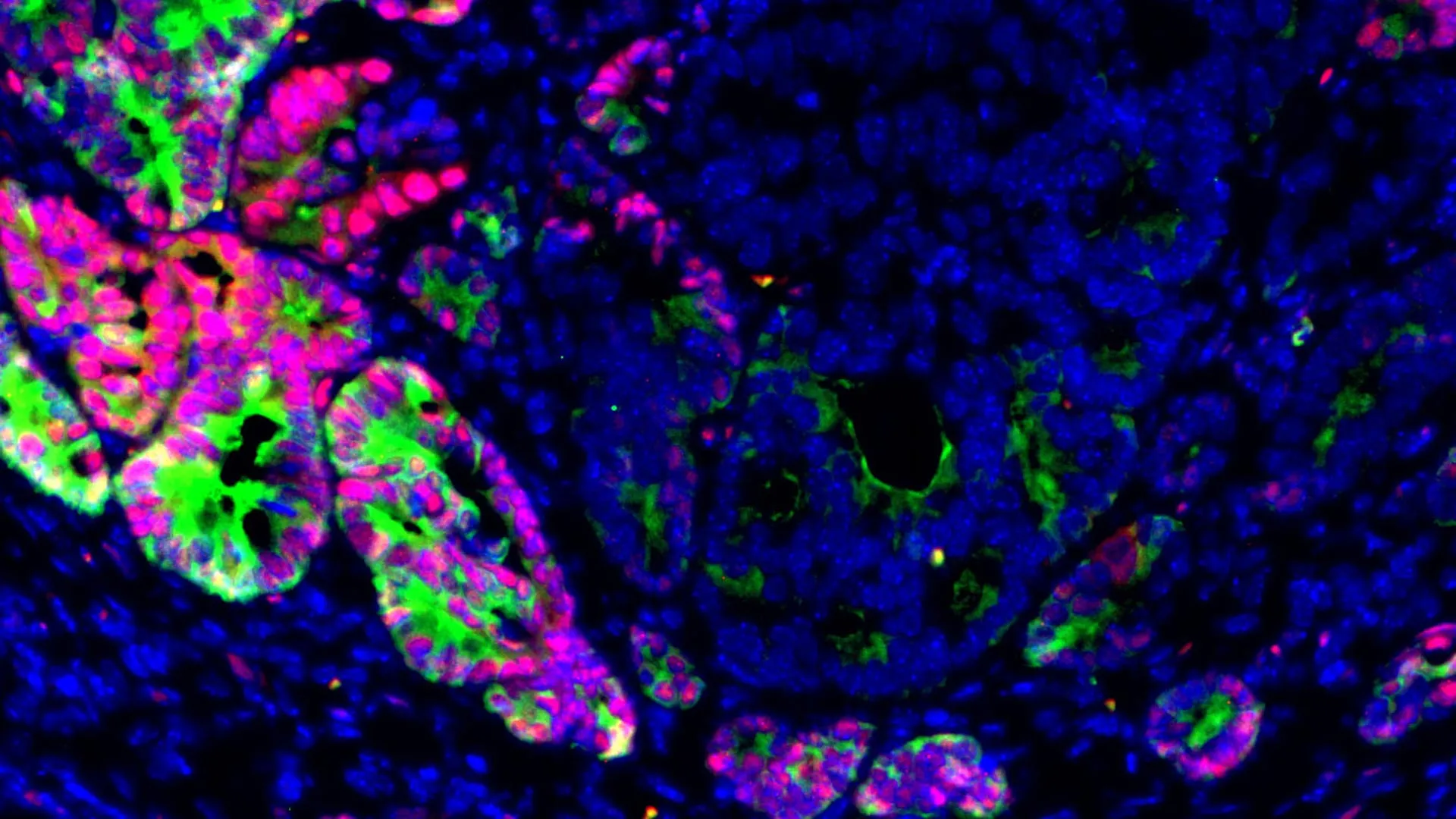
A pivotal discovery by researchers at Weill Cornell Medicine and the Massachusetts Institute of Technology has shed new light on the mechanisms behind colorectal cancer’s deadly spread to the liver. Their findings, published on June 22 in Cell Stem Cell, identify the loss of a critical transcription factor, GATA6, as a key epigenetic event that pushes colorectal cancer cells into a primitive, adaptable state, thereby enabling metastasis. This groundbreaking insight into how such a transformation occurs holds immense promise for developing novel strategies to prevent one of the most lethal aspects of colorectal cancer, offering a new direction in the fight against a disease that claims hundreds of thousands of lives globally each year.
The Pervasive Threat of Colorectal Cancer and Liver Metastasis
Colorectal cancer (CRC) remains a significant global health challenge, ranking as the third most common cancer and the second leading cause of cancer-related deaths worldwide. According to the American Cancer Society, an estimated 153,020 new cases of colorectal cancer are diagnosed in the United States annually, with approximately 52,550 deaths. While early-stage CRC is often treatable with surgery, chemotherapy, and radiation, the prognosis dramatically worsens once the cancer spreads beyond its primary site, a process known as metastasis. The liver is the most frequent site of colorectal cancer metastasis, occurring in up to 50% of all CRC patients. This predilection for the liver is largely due to the unique circulatory pathway of the gastrointestinal tract, where blood from the intestines drains directly into the liver via the portal vein, making it a primary destination for circulating cancer cells. Once colorectal cancer cells establish secondary tumors in the liver, treatment options become significantly more limited, and the five-year survival rate plummets from over 90% for localized disease to just 14% for metastatic disease. This stark reality underscores the urgent need for a deeper understanding of the metastatic process to devise more effective preventive and therapeutic interventions.
The Elusive Search for Metastasis Drivers and a Paradigm Shift
For decades, cancer researchers have meticulously searched for specific genetic mutations that might act as "driver mutations," directly triggering the metastatic cascade. The prevailing hypothesis was that specific alterations in a cell’s DNA sequence would confer metastatic capabilities. However, despite extensive genomic sequencing efforts across countless patient samples, no consistent or clear genetic driver mutations solely responsible for liver metastasis in CRC have definitively emerged. This lack of a clear genetic culprit has been a major roadblock in developing targeted therapies for metastatic CRC.
The new study from Weill Cornell Medicine and MIT signals a significant paradigm shift, pointing away from purely genetic mutations towards an epigenetic mechanism. Epigenetics refers to changes in gene expression that do not involve alterations to the underlying DNA sequence itself, but rather modifications that influence which genes are turned on or off. These modifications can be influenced by environmental factors and are crucial for normal cellular development and function. "We discovered that GATA6 loss acts as a critical switch that can change cancer cells in the primary tumor from non-metastatic to pro-metastatic," stated Dr. Norihiro Goto, assistant professor of medicine in the Division of Gastroenterology & Hepatology at Weill Cornell, who co-led the research. "Our findings suggest that epigenetic changes may be more important for promoting liver metastasis." This statement highlights the novel direction of the research, emphasizing the dynamic regulation of gene activity over static genetic codes as a primary driver of metastatic potential. Dr. Saori Goto, an instructor in medicine at Weill Cornell, served as the first author of the groundbreaking study, working alongside Dr. Omer H. Yilmaz, associate professor of biology at the Massachusetts Institute of Technology, who also co-led the work.
GATA6: A Molecular Identity Keeper Gone Astray
At the heart of this discovery lies GATA6, a transcription factor. Transcription factors are proteins that bind to specific DNA sequences, thereby controlling the rate at which genetic information is transcribed from DNA to messenger RNA, ultimately regulating gene expression. In healthy intestinal cells, GATA6 normally functions as a molecular "identity keeper." It plays a crucial role in maintaining the specialized functions and mature identity of the epithelial cells that line the intestine, ensuring they perform their specific roles in digestion and absorption. This maintenance of cellular identity is vital for preventing uncontrolled proliferation and maintaining tissue homeostasis.
However, the comprehensive analysis conducted by the research team revealed a stark contrast in metastatic settings. They found that GATA6 levels were significantly lower in liver metastases derived from both mouse models and human patients suffering from colorectal cancer. This reduction was not merely an incidental observation; the study further established a direct correlation between reduced GATA6 expression and poorer patient outcomes, including decreased survival rates. This suggests that the loss of GATA6 is not just a symptom of advanced cancer but actively contributes to its aggressive behavior and metastatic potential. The implications are profound, suggesting that the journey towards metastasis involves cancer cells shedding their mature identity and reverting to a more primitive, adaptable state.
Unveiling the Metastatic Journey: The Power of Organoid Models
One of the key challenges in understanding metastasis has been the difficulty in observing the early, critical events of the process. Traditional methods, such as analyzing tissue samples from established liver metastases, offer only a snapshot of the end-stage disease. "When researchers analyze patient samples from liver metastases, we fail to capture the important signals occurring in the early stages of the metastatic process," explained Dr. Norihiro Goto. To overcome this limitation and gain a dynamic view of how cancer cells acquire metastatic capabilities, the research team pioneered an innovative laboratory model using organoids.
Organoids are miniature, three-dimensional cellular clusters grown in a laboratory that closely mimic the structure and function of real organs or tumors. These "mini-organs" or "mini-tumors" provide a powerful tool for cancer research because they recapitulate many characteristics of actual tumors, including their complex cellular architecture, genetic heterogeneity, and response to therapies, in a more biologically relevant manner than traditional two-dimensional cell cultures. The scientists developed organoids specifically derived from liver metastases, providing a unique platform to study the metastatic cascade. They then implanted these organoids into the colons of mice, allowing them to form primary tumors. Crucially, these tumors were observed to progressively become more aggressive and eventually spread to the liver. By repeating this process of isolating metastatic cells and creating new organoids for subsequent implantations, the team was able to observe, in a chronological manner, how cancer cells gradually acquired and enhanced their metastatic abilities. This iterative process was instrumental in identifying the critical junctures and molecular changes that drive metastasis.
Lineage Plasticity: The Key to Adaptation and Spread
Through their meticulous organoid-based experiments, the researchers made a pivotal observation: the loss of GATA6 actively promotes what is known as "lineage plasticity." Lineage plasticity is a remarkable and often dangerous ability of cells to alter their identity, specialized functions, and overall behavior. In the context of cancer, this means that once-differentiated, specialized cancer cells can dedifferentiate or transdifferentiate into different cell types, allowing them to adapt to hostile environments and colonize new tissues.
When GATA6 was absent, colorectal cancer cells activated alternative genetic programs that are typically dormant in mature intestinal cells. This activation led them to adopt a flexible, "fetal-like" state. This reversion to a more primitive developmental stage confers several advantages to cancer cells in the metastatic process. Fetal cells are inherently more adaptable, migratory, and capable of rapid proliferation, characteristics that are essential for successful metastasis. These transformed cells, shedding their mature identity, were found to be significantly better equipped to survive the arduous journey through the bloodstream, evade immune surveillance, and successfully establish new tumors in distant organs like the liver. Interestingly, this type of cellular reshaping or plasticity is a normal biological process used by the body during crucial periods such as embryonic development, wound repair, and adaptation to various stresses. However, in the context of cancer, this same fundamental process is hijacked and repurposed, becoming a formidable driver of disease progression and metastasis.
The LGR5-Negative Shift: A Hallmark of Pro-Metastatic Cells
Further solidifying their findings, the research team identified a specific cellular transformation associated with GATA6 loss and enhanced metastatic potential: the appearance of cells lacking LGR5. LGR5 (Leucine-rich repeat-containing G protein-coupled receptor 5) is a well-established marker commonly found in highly proliferative intestinal stem cells. These LGR5-positive stem cells are responsible for the continuous renewal of the intestinal lining. Previous research had already hinted at the involvement of LGR5-negative cells in initiating liver metastases, suggesting that a shift away from this stem cell marker might be critical for metastatic colonization.
The new study definitively demonstrated that the shutdown of GATA6 expression causes colorectal cancer cells to shift from an LGR5-positive state to an LGR5-negative state. This transition is not merely a change in marker expression but signifies a fundamental alteration in cellular identity and behavior. These newly formed LGR5-negative cells display distinct fetal-like characteristics, including enhanced migratory capabilities and a heightened ability to establish secondary tumors in distant organs. Conversely, when the researchers genetically restored GATA6 activity in cancer cells or activated related biochemical pathways, they observed a significant reduction in the metastatic potential of these colorectal cancer cells. This reciprocal relationship strongly supports the role of GATA6 as a master regulator of metastatic potential.
Dr. Norihiro Goto emphasized the direct experimental evidence: "When we genetically delete GATA6, the frequency and burden of liver metastases in mouse models significantly increase, while having little effect on primary tumor growth." This observation is crucial because it highlights that the mechanisms driving metastasis are distinct from those governing the growth of the primary tumor. A fast-growing primary tumor does not necessarily mean it will be highly metastatic, and conversely, a relatively slow-growing primary tumor could still shed highly aggressive, GATA6-deficient cells primed for liver colonization. This finding challenges conventional thinking that often correlates primary tumor size or growth rate directly with metastatic risk. Dr. Goto is also a member of the Jill Roberts Institute for Research in Inflammatory Bowel Disease and the Sandra and Edward Meyer Cancer Center, both at Weill Cornell, institutions at the forefront of digestive disease and cancer research.
Implications for Clinical Practice: Biomarkers and Therapeutic Avenues
The groundbreaking findings from this study carry significant implications for both clinical practice and future therapeutic development in colorectal cancer.
Potential Biomarker for Metastatic Risk: The discovery raises the exciting possibility that GATA6 levels could serve as a valuable biomarker for predicting metastatic risk in CRC patients. Tumors exhibiting low GATA6 expression levels may harbor a higher proportion of cells capable of undergoing the metastasis-promoting cellular state switch. Such information could be integrated into routine diagnostic assessments, allowing clinicians to identify patients who are at a higher risk of developing liver metastases. This early identification could enable closer monitoring, more intensive follow-up, or the initiation of more aggressive, prophylactic treatment strategies even before overt metastasis occurs, potentially altering the disease trajectory for many patients.
Novel Therapeutic Targets: Beyond its role as a potential biomarker, GATA6 and the pathways it regulates also present a promising new therapeutic target. The study points toward a strategy focused on actively maintaining cellular identity or, conversely, preventing cancer cells from entering these highly flexible, pro-metastatic fetal-like states. This could involve developing drugs that either enhance GATA6 expression or activity, or inhibit the downstream epigenetic programs activated upon GATA6 loss.
However, Dr. Norihiro Goto acknowledged the inherent challenge in such an approach. As lineage plasticity is a fundamental biological process involved in normal tissue repair and regeneration, any therapeutic intervention must be exquisitely selective. Researchers will need to find ways to specifically target these cancer-driven epigenetic changes without interfering with the essential biological programs that healthy tissues rely upon for maintenance and repair. This necessitates a deep understanding of the unique vulnerabilities of GATA6-deficient cancer cells that are not present in normal cells.
Future Research Directions
The research team has already outlined a clear roadmap for future investigations. A primary focus will be on identifying specific vulnerabilities unique to GATA6-deficient cancer cells. Pinpointing these unique weaknesses could pave the way for highly targeted therapies that selectively eliminate metastatic cells while sparing healthy tissue.
Furthermore, the team plans to delve into the intricate role of the tumor microenvironment. The microenvironment, comprising immune cells, stromal cells, blood vessels, and various signaling molecules, plays a crucial role in cancer progression and metastasis. Investigating how liver-specific signals and immune cells within the metastatic niche influence these GATA6-driven cellular transitions in preclinical models will be essential. Understanding these interactions could reveal additional therapeutic targets that disrupt the supportive environment necessary for metastatic colonization.
"In addition to treating primary tumors, we need to find strategies to target the mechanism of liver metastasis," Dr. Norihiro Goto reiterated, emphasizing the critical importance of this research direction. "Our study is a step toward developing therapies that block the spread of cancer at the earliest stages." This statement encapsulates the ambitious yet achievable goal of translating these fundamental scientific discoveries into tangible clinical benefits, offering renewed hope to patients battling colorectal cancer.
This pivotal research was made possible through the generous support of several key organizations, including the Astellas Foundation, Research Abroad from Japan Society for the Promotion of Science, the National Institutes of Health (via multiple grants: R00AG076987, 01CA254314, 5U01CA25055, R01CA258523, R01CA25723, R01DK133919, R01DK140310, R01CA299955, and 3OT2CA297570), the Pew-Stewart Trust, AFAR and Glenn Foundation for Medical Research Breakthroughs in Gerontology, the Kenneth Rainin Foundation, the Crohn’s & Colitis Foundation, and the Mark Foundation for Cancer Research. Their collective commitment to advancing biomedical science underpins such transformative discoveries.
