
 By admin
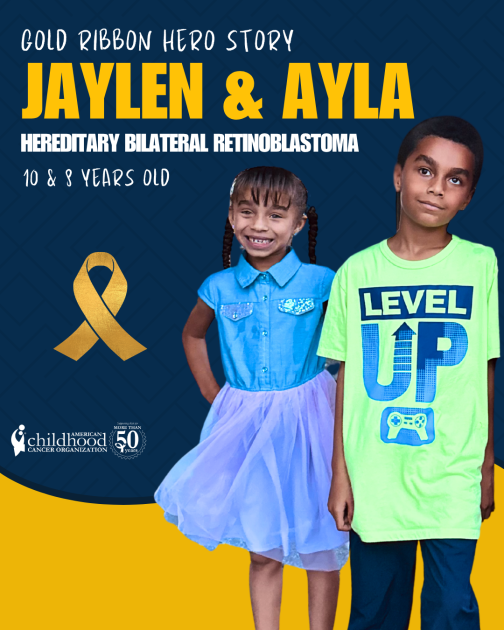
The journey of the Williams family serves as a poignant intersection of pediatric oncology challenges and the systemic barriers faced by parents with disabilities within the American healthcare system. Jaylen, now 10, and his sister Ayla, 8, are both survivors of hereditary bilateral retinoblastoma, a rare and aggressive form of childhood eye cancer. Their path to remission was not only a battle against a life-threatening disease but also a struggle for basic accessibility and communication rights. When Jaylen was just two months old, his mother, Denice, observed a subtle but concerning physical symptom: his left eye was veering outward, a condition known as strabismus. Early family photographs also captured a distinct "glow" in his eye—a clinical sign known as leukocoria—which the family initially dismissed as a mere photographic artifact or a reflection of camera lighting.
The situation reached a critical juncture when Jaylen was four months old. During a scheduled check-up, Denice sought medical intervention for her son’s worsening symptoms. However, instead of receiving immediate diagnostic care, the family was turned away because the medical facility lacked an American Sign Language (ASL) interpreter. Denice, who is Deaf, was met with a refusal of service that highlighted a significant gap in healthcare accessibility. Undeterred by this systemic failure, she undertook the arduous task of navigating the medical landscape independently, eventually securing a physician who would provide the necessary care and communication accommodations. This persistence led to Jaylen’s diagnosis of bilateral retinoblastoma, meaning the cancer was present in both eyes. Due to the hereditary nature of his condition, his younger sister Ayla was monitored from birth and diagnosed with the same cancer at just four weeks old.
Understanding Hereditary Bilateral Retinoblastoma
Retinoblastoma is a rare form of cancer that rapidly develops from the immature cells of a retina, the light-detecting tissue of the eye. It is the most common primary intraocular tumor of childhood, typically affecting children under the age of five. According to data from the American Cancer Society, retinoblastoma accounts for approximately 2% to 3% of all childhood cancers, with about 200 to 300 cases diagnosed annually in the United States.
The disease is categorized into two main forms: sporadic and hereditary. In Jaylen and Ayla’s case, the condition is hereditary, which is caused by a mutation in the RB1 gene. Approximately 40% of retinoblastoma cases are hereditary. Unlike sporadic cases, which usually affect only one eye (unilateral), hereditary retinoblastoma is frequently bilateral, affecting both eyes. Children with the germline RB1 mutation are not only at risk for multiple tumors within the eyes but also face an increased predisposition to other types of cancer later in life, necessitating lifelong surveillance.
The Significance of the "Glow" and Early Detection
One of the most critical aspects of the Williams’ story is the presence of the "white glow" in early photographs. Leukocoria, or a white pupillary reflex, occurs when light reflects off the white surface of a tumor within the eye. In a healthy eye, the camera flash typically produces a "red-eye" effect, which is the reflection of the blood-rich retina. When a tumor is present, the reflection appears white, opaque, or yellowish.
Public health initiatives, such as the "Know the Glow" campaign, emphasize that parents are often the first to "diagnose" retinoblastoma through casual photography. Early detection is the single most important factor in determining the prognosis. When caught early, the survival rate for retinoblastoma in developed nations exceeds 95%. However, delays in diagnosis—such as those caused by the communication barriers Denice faced—can lead to the cancer spreading beyond the eye (extraocular extension), which significantly lowers survival rates and increases the likelihood that the eye must be surgically removed to save the child’s life.
A Timeline of Resilience and Treatment
The clinical management of Jaylen and Ayla required a multi-modal approach spanning several years. Their treatment plans were complex, involving various interventions designed to eradicate the tumors while attempting to preserve as much vision as possible.
- Diagnosis and Initial Intervention: Jaylen’s diagnosis at four months and Ayla’s at four weeks set the stage for immediate aggressive therapy. Because their cases were bilateral, doctors had to manage multiple tumor sites across four eyes simultaneously.
- Chemotherapy and Focal Therapies: Both children underwent systemic chemotherapy to shrink the tumors (chemoreduction). This was supplemented by focal treatments, including cryotherapy (using extreme cold to freeze and destroy cancer cells) and laser therapy (using heat to kill tumor tissue).
- Surgical Intervention for Jaylen: Jaylen required strabismus surgery to correct the misalignment of his eyes, a common secondary effect of intraocular tumors that disrupt normal visual development.
- Enucleation for Ayla: Despite intensive efforts to save her sight, the progression of the disease in one of Ayla’s eyes necessitated enucleation—the surgical removal of the eye. This procedure is often a life-saving measure to prevent the cancer from traveling down the optic nerve to the brain.
- Adaptation to Prosthetics: Today, both children live with prosthetic eyes. Modern ocular prosthetics are custom-made to match the patient’s remaining eye, but Ayla has embraced a unique approach to her prosthetic, viewing it as an extension of her personal style.
The Legal and Ethical Implications of Healthcare Accessibility
The refusal of the medical clinic to see Jaylen because his mother required an ASL interpreter is a significant point of legal and ethical concern. Under the Americans with Disabilities Act (ADA) and Section 504 of the Rehabilitation Act, healthcare providers are federally mandated to provide "effective communication" to patients and their companions with disabilities. This includes providing qualified ASL interpreters when necessary.
Denice’s experience is not an isolated incident but reflects a broader trend of healthcare disparities within the Deaf and hard-of-hearing community. Research indicates that Deaf individuals often experience lower levels of health literacy and are less likely to receive preventative care due to communication barriers. Denice’s decision to become what she describes as the "ultimate advocate and manager" for her children’s health was born out of necessity. Her frustration at a system that "tried turning a deaf mother away" underscores the double burden placed on parents who must fight the medical establishment for access while simultaneously fighting their child’s life-threatening illness.
The Psychological Impact and the "Fearless Advocate" Philosophy
Navigating a childhood cancer diagnosis involves a profound psychological toll on the family unit. Denice has been vocal about the emotional weight of hearing the word "cancer" twice, compounded by the stress of systemic discrimination. In response to the scrutiny that often follows families who share their lives on social media, Denice has adopted a parenting philosophy she calls being "beautifully spoiled."
This approach is characterized by a commitment to living in the present moment and prioritizing the children’s joy and autonomy over the expectations or criticisms of others. Denice notes that their triumphs are "legendary," not just because the children are in remission, but because they have maintained their "endless joy." This resilience is exemplified by Ayla’s collection of custom-colored irises. Rather than viewing her prosthetic eye as a limitation, Ayla uses it as a fashion accessory, swapping out different styles to reflect her mood and personality. This agency over her own body is a vital part of her psychological recovery and self-esteem.
Analysis of Long-term Implications for Pediatric Oncology
The success of Jaylen and Ayla is a testament to the advancements in pediatric oncology, but it also highlights the ongoing needs of childhood cancer survivors. Because they have the hereditary form of retinoblastoma, the children will require lifelong monitoring. They face a higher risk of developing secondary cancers, such as osteosarcoma (bone cancer) or soft tissue sarcomas, particularly in areas that may have been exposed to radiation (though modern treatments aim to minimize radiation use).
Furthermore, the transition from pediatric to adult care will be a critical phase for Jaylen and Ayla. They will eventually need to take over the advocacy role that their mother has filled so effectively. The story also emphasizes the need for better training for medical staff regarding disability rights and the provision of interpretive services. The delay in Jaylen’s care could have had catastrophic consequences, and his case serves as a reminder that administrative barriers can be just as dangerous as the biological progression of a tumor.
Conclusion: A Legacy of Advocacy and Joy
Jaylen and Ayla’s journey concludes not just with the absence of disease, but with the presence of a thriving, active life. Ayla’s integration of ASL during her post-operative recovery and her fierce independence serve as markers of a successful adaptation to her circumstances. By sharing their story, the Williams family contributes to a larger narrative of empowerment for both the childhood cancer community and the Deaf community.
Their advocacy work focuses on two primary fronts: raising awareness for the "retinoblastoma glow" to ensure early diagnosis for other families, and proving that a diagnosis of bilateral retinoblastoma does not preclude a life of joy and style. As they continue to navigate their post-cancer lives, Jaylen and Ayla stand as symbols of what can be achieved when parental advocacy meets medical intervention, even in the face of significant systemic obstacles. The American Childhood Cancer Organization (ACCO) and similar bodies continue to use stories like theirs to push for better funding, more equitable access to care, and increased awareness of the early signs of pediatric malignancy. Together, these efforts aim to ensure that the "other side" of a cancer diagnosis is one characterized by triumph and the freedom to choose joy over fear.
