
 By Hendra Lukman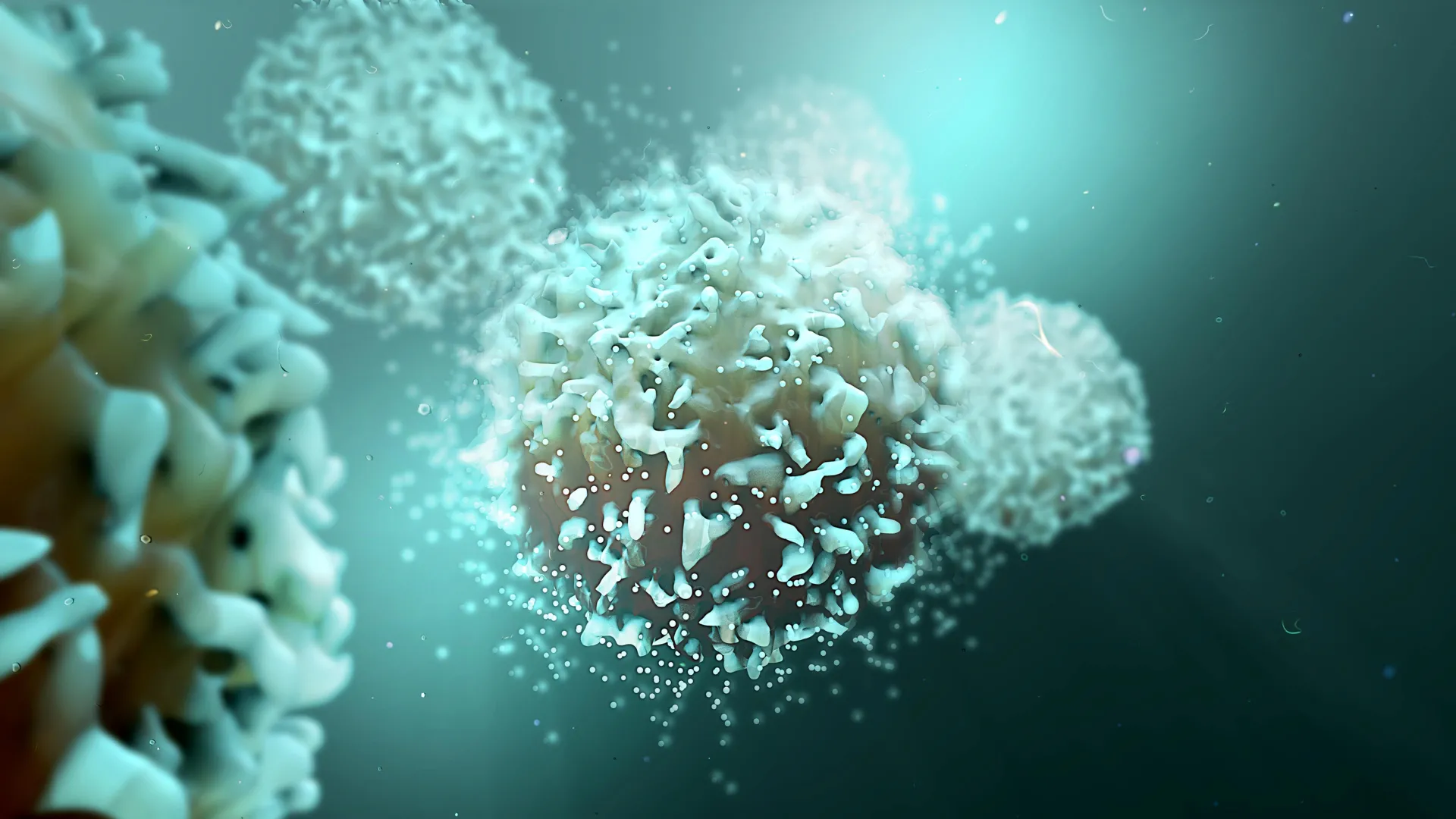
A pioneering gene therapy developed by scientists at University College London (UCL) and Great Ormond Street Hospital (GOSH) is demonstrating remarkable success in treating T-cell acute lymphoblastic leukemia (T-ALL), a rare and aggressive blood cancer. This innovative approach, known as BE-CAR7, utilizes genome-edited immune cells to specifically target and eliminate cancerous T-cells, offering a vital lifeline to patients, including children and adults, who often have exhausted conventional treatment options. The initial findings, published in the prestigious New England Journal of Medicine and presented at the 67th American Society of Hematology Annual Meeting, showcase significant remission rates and highlight a potential paradigm shift in the management of this challenging disease.
BE-CAR7: A New Frontier in Gene Therapy
The BE-CAR7 therapy represents a significant advancement in the field of cellular immunotherapy. It is a first-of-its-kind gene therapy that employs base-edited immune cells, a sophisticated form of CRISPR technology. Unlike traditional gene editing that cuts DNA, base-editing precisely alters individual DNA letters within living cells, minimizing the risk of chromosomal damage. This precision is crucial for developing effective and safe treatments for T-ALL, a condition that has historically proven difficult to treat effectively with existing therapies.
The development of CAR T-cell therapies has been a transformative force in treating various blood cancers. This process involves extracting a patient’s own T-cells (a type of white blood cell crucial for the immune system), genetically modifying them in a laboratory to express a Chimeric Antigen Receptor (CAR), and then re-infusing these engineered cells back into the patient. The CAR acts as a specific "flag" or marker on the T-cells, enabling them to recognize and attack cancer cells displaying corresponding markers. However, developing CAR T-cell therapies for leukemias originating from T-cells, such as T-ALL, presents a unique challenge. The therapeutic cells must be able to eradicate the cancerous T-cells without inadvertently targeting healthy T-cells or attacking each other, a complex immunological balancing act.
BE-CAR7 overcomes this hurdle by using a next-generation genome editing method that modifies single DNA letters within T-cells. This approach allows for the creation of "universal" or "off-the-shelf" CAR T-cells, derived from healthy donors, which can be stored and readily administered to different patients. These universal cells are engineered to target a specific marker, CD7, which is present on most T-ALL cells. Crucially, the base-editing process also includes modifications to prevent the engineered CAR T-cells from attacking each other, a significant safety advancement.
A Chronology of Innovation and Hope
The journey of BE-CAR7 from concept to clinical application is marked by dedicated research and a commitment to patient care.
- Early Research and Development: The foundational work for BE-CAR7 was conducted by a collaborative team of scientists at UCL and GOSH, leveraging years of expertise in cell and gene therapy. This involved refining base-editing techniques and developing the specific genetic modifications required to create effective CAR T-cells for T-ALL.
- 2022: The First Patient: A pivotal moment arrived in 2022 when researchers at GOSH and UCL utilized this groundbreaking base-edited therapy to treat Alyssa, a 13-year-old girl from Leicester. This marked the first-ever administration of a base-edited therapy to a patient globally, a significant milestone in medical history. Alyssa had faced a grim prognosis, with standard treatments including chemotherapy and a bone marrow transplant failing to control her aggressive T-ALL. Discussions about palliative care were underway when the experimental therapy offered a glimmer of hope.
- Expansion of the Trial: Following the initial success with Alyssa, the BE-CAR7 treatment has since been administered to eight additional children and two adults across GOSH and King’s College Hospital (KCH). This broader application has allowed researchers to gather more extensive data on the therapy’s efficacy and safety profile in a larger cohort of patients.
- Publication and Presentation of Results: The compelling early clinical trial results have been formally documented and shared with the wider scientific community. Publication in the New England Journal of Medicine and presentation at the 67th American Society of Hematology Annual Meeting underscore the significance of these findings.
Compelling Clinical Trial Data: Remission and Recovery
The early clinical trial data for BE-CAR7 has been exceptionally promising, indicating high remission rates among treated patients. While specific numerical data on remission rates for the entire cohort are still being elaborated upon as the trial progresses, the reported outcomes are highly encouraging. The therapy’s ability to achieve remission in patients with relapsed or refractory T-ALL, who have limited other options, is particularly noteworthy.
Key outcomes reported by the research team include:
- High Rates of Complete Remission: A significant proportion of patients treated with BE-CAR7 have achieved complete remission, meaning that their leukemia was no longer detectable. This is a critical indicator of treatment success.
- Rapid Disease Clearance: The engineered CAR T-cells have demonstrated an ability to quickly locate and eliminate cancerous T-cells throughout the body.
- Feasibility of Bone Marrow Transplant: For patients who achieve remission, the treatment pathway includes a subsequent bone marrow transplant. This crucial step is designed to restore a healthy, functioning immune system in the months following leukemia clearance.
Professor Waseem Qasim, who spearheaded the research and holds professorships at UCL and GOSH, expressed optimism about the findings. "We previously showed promising results using precision genome editing for children with aggressive blood cancer, and this larger number of patients confirms the impact of this type of treatment," Professor Qasim stated. "We’ve shown that universal or ‘off the shelf’ base-edited CAR T-cells can seek and destroy very resistant cases of CD7+ leukemia."
He further emphasized the collaborative effort: "Many teams were involved across the hospital and university, and everyone is delighted for patients clearing their disease. But at the same time, we are deeply mindful that outcomes were not as hoped for some children. These are intense and difficult treatments – patients and families have been generous in recognizing the importance of learning as much as possible from each experience."
Addressing Unmet Needs: Hope for Refractory T-ALL
T-cell acute lymphoblastic leukemia, while less common than B-cell ALL, poses a significant challenge due to its aggressive nature and potential resistance to standard therapies. Approximately 20% of children diagnosed with T-ALL may not respond adequately to conventional treatments, leaving them with few viable options. The BE-CAR7 therapy offers a beacon of hope for this vulnerable patient group.
Dr. Rob Chiesa, a study investigator and consultant bone marrow transplant specialist at GOSH, highlighted the critical need for such advancements. "Although most children with T-cell leukemia will respond well to standard treatments, around 20% may not," Dr. Chiesa explained. "It’s these patients who desperately need better options, and this research provides hope for a better prognosis for everyone diagnosed with this rare but aggressive form of blood cancer."
Dr. Chiesa also lauded the comprehensive care provided to patients like Alyssa. "Seeing Alyssa go from strength-to-strength is incredible and a testament to her tenacity and the dedication of an array of small armies of people at GOSH," he said. "Teamwork between bone marrow transplant, hematology, ward staff, teachers, play workers, physiotherapists, lab and research teams, among others, is essential for supporting our patients."
Echoing this sentiment, Dr. Deborah Yallop, a consultant hematologist at KCH, commented on the therapy’s potency: "We’ve seen impressive responses in clearing leukemia that seemed incurable – it’s a very powerful approach."
Manufacturing and Delivery: The Science Behind the Therapy
The creation of BE-CAR7 T-cells is a sophisticated process involving advanced laboratory techniques and stringent quality control measures. The manufacturing takes place in a highly controlled cleanroom facility at GOSH.
Key steps in the manufacturing process include:
- Cell Sourcing: The universal CAR T-cells are derived from the white blood cells of healthy, screened donors.
- Genome Editing: Using CRISPR-based tools and custom RNA, mRNA, and a lentiviral vector, researchers precisely alter single DNA letters within the donor T-cells to reprogram them. This process is automated and has been refined over years of research.
- CAR Integration: The engineered T-cells are modified to express the Chimeric Antigen Receptor (CAR), which is designed to specifically recognize and bind to the CD7 antigen found on T-ALL cells.
- Quality Control: Rigorous testing is conducted at multiple stages to ensure the safety, purity, and potency of the manufactured BE-CAR7 cells before they are administered to patients.
Broader Implications and Future Directions
The success of BE-CAR7 has far-reaching implications for the future of cancer treatment, particularly for rare and aggressive hematological malignancies.
- Advancement of Universal Cell Therapies: The development of "off-the-shelf" universal CAR T-cells represents a significant step towards making advanced cell therapies more accessible and scalable. This eliminates the need for personalized cell manufacturing for each patient, potentially reducing treatment timelines and costs.
- Potential for Other Cancers: The principles behind BE-CAR7 could be adapted to develop therapies for other types of T-cell lymphomas and leukemias, as well as potentially other cancers expressing specific target antigens.
- Research Infrastructure and Funding: The development of BE-CAR7 has been supported by substantial investment and a strong research infrastructure. GOSH Charity has committed over £2 million to support treatment for an additional 10 T-ALL patients, expanding access to the trial. This investment underscores the charity’s commitment to advancing cutting-edge research and contributes to their fundraising campaign for a new Children’s Cancer Centre. Funding from the Medical Research Council, Wellcome, and the National Institute for Health and Care Research (NIHR) has also been instrumental.
The research team operates from the Zayed Centre for Research into Rare Disease in Children, a state-of-the-art facility made possible by a substantial philanthropic gift. This center fosters collaboration between UCL and GOSH, driving innovation in pediatric rare disease research.
Alyssa’s Story: A Testament to Resilience and Progress
Alyssa Tapley, now 16, stands as a powerful symbol of hope and the transformative potential of this therapy. Her journey from a life-threatening diagnosis to a vibrant engagement with daily life is an inspiration.
"I chose to take part in the research as I felt that, even if it didn’t work for me, it could help others," Alyssa shared. "Years later, we know it worked, and I’m doing really well. I’ve done all those things that you’re supposed to do when you’re a teenager. I’ve gone sailing, spent time away from home doing my Duke of Edinburgh Award, but even just going to school is something I dreamed of when I was ill. I’m not taking anything for granted."
Alyssa’s aspirations extend beyond personal recovery; she is driven to contribute to future medical breakthroughs. "Next on my list is learning to drive, but my ultimate goal is to become a research scientist and be part of the next big discovery that can help people like me," she stated.
The researchers extend their gratitude to Anthony Nolan, volunteer blood and stem cell donors, and most importantly, to the patients and their families who bravely participated in this groundbreaking research. Their willingness to contribute has paved the way for future advancements and offered renewed hope to many.
The continued success and expansion of the BE-CAR7 trial represent a significant leap forward in the fight against T-cell acute lymphoblastic leukemia, offering a tangible and effective treatment option for those who need it most.
