
 By Budi Oetomo Narendra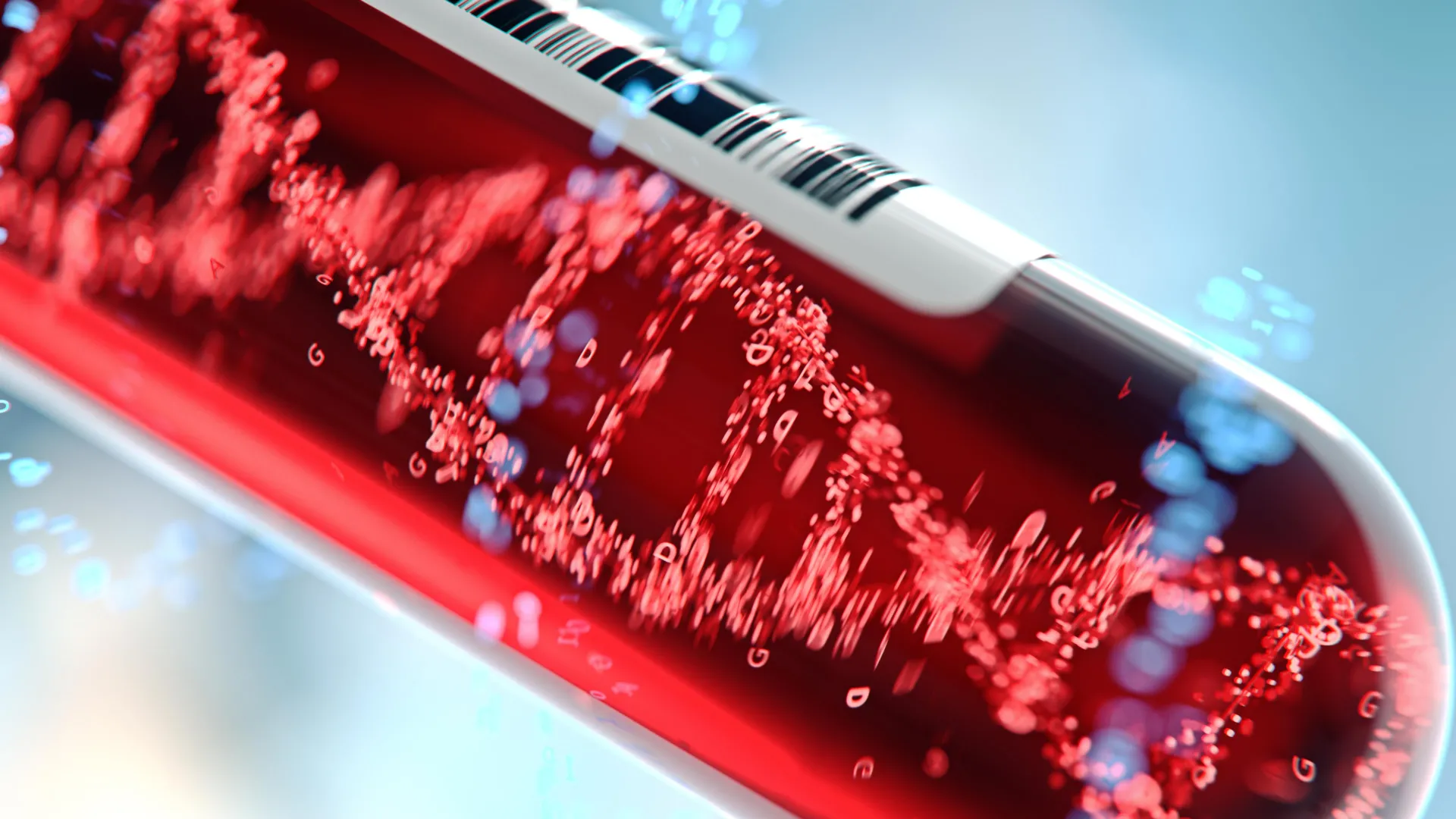
UCLA researchers have developed a pioneering blood test, named MethylScan, that demonstrates significant promise in early studies for the concurrent detection of multiple cancer types, various liver diseases, and indicators of organ distress. This innovative approach operates by meticulously analyzing fragments of DNA that naturally circulate within the bloodstream, offering a simple and relatively inexpensive diagnostic tool with far-reaching implications for preventative medicine and early intervention. The findings, published in the esteemed journal Proceedings of the National Academy of Sciences, detail a methodology that could revolutionize disease detection, providing an accessible and affordable pathway to diagnose conditions earlier while simultaneously offering clinicians a more holistic view of a patient’s overall health status.
The imperative for early disease detection, particularly in oncology, cannot be overstated. Dr. Jasmine Zhou, the study’s senior author and a distinguished professor of pathology and laboratory medicine and investigator at the UCLA Health Jonsson Comprehensive Cancer Center, underscored this critical point. "Early detection is crucial," Dr. Zhou stated. "Survival rates are far higher when cancers are caught before they spread. If you detect cancer at stage one, outcomes are dramatically better than at stage four." This sentiment resonates deeply within the medical community, where the difference between an early diagnosis and a late one can often be the difference between life and death. For instance, the five-year survival rate for localized colorectal cancer is approximately 90%, plummeting to around 14% once the disease has metastasized. Similar disparities exist across numerous cancer types, highlighting the urgent need for more effective and widespread early screening tools.
Decoding Disease Signals from Circulating DNA
The MethylScan technique represents a sophisticated leap in the field of liquid biopsies. It focuses on the analysis of cell-free DNA (cfDNA), which are minute segments of genetic material released into the bloodstream as cells throughout the body undergo their natural life cycle and die. Because virtually every cell type contributes its DNA to this circulating pool, cfDNA acts as a rich informational reservoir, carrying molecular signatures that can reveal the health status of a multitude of organs. Dr. Zhou further elaborated on this biological phenomenon: "Every day, 50 to 70 billion cells in our body die. They don’t just disappear; their DNA goes into the bloodstream. That means we already have information from all our organs circulating in the blood." This constant turnover provides a dynamic, real-time snapshot of physiological processes, both healthy and pathological.
The concept of utilizing blood samples to screen for cancer is not new. Liquid biopsies have gained considerable traction over the past decade, with some existing methods focusing on identifying specific genetic mutations known to be associated with tumor development. However, many of these conventional liquid biopsies face significant limitations. They often target a restricted panel of genetic alterations, potentially missing cancers that do not exhibit those particular mutations. Furthermore, the extensive and often deep sequencing required to detect the faint signals of early-stage cancer in a vast sea of normal DNA can render these tests prohibitively expensive, costing hundreds or even thousands of dollars per analysis, thereby limiting their accessibility for routine screening.
Methylation: A Novel Biomarker for Disease Detection
The UCLA researchers, led by Dr. Zhou and Dr. Wenyuan Li, a professor of pathology and laboratory medicine at UCLA and co-corresponding author of the study, adopted a fundamentally different and innovative strategy. Rather than primarily hunting for mutations, their MethylScan technique zeroes in on DNA methylation. Methylation refers to the chemical tags—specifically, methyl groups—that attach to DNA molecules, playing a crucial role in regulating gene activity. These methylation patterns are highly tissue-specific, meaning different cell types and organs possess distinct methylation signatures. Crucially, these patterns are known to undergo significant alterations when cells become diseased, cancerous, or experience stress.
"DNA methylation reflects the health status of a tissue," explained Dr. Li. "It’s a very informative signal." The change in methylation patterns, known as epigenetics, can influence which genes are turned on or off without altering the underlying genetic code itself. In cancer, for example, certain tumor suppressor genes might become hypermethylated and thus silenced, allowing uncontrolled cell growth, while oncogenes might become hypomethylated and overactive. This dynamic interplay of methylation patterns provides a nuanced and powerful biomarker for detecting cellular abnormalities across a wide spectrum of conditions, making it a particularly attractive target for comprehensive disease screening.
Overcoming the Challenge of Background Noise
One of the most formidable technical hurdles in analyzing cfDNA from blood is the overwhelming presence of "background noise." The vast majority—approximately 80% to 90%—of cell-free DNA circulating in the bloodstream originates from normal, healthy blood cells. This enormous quantity of ordinary DNA can effectively obscure the much rarer and fainter fragments associated with early cancers or damaged organs, making their detection akin to finding a needle in a haystack. The cost and computational demands of sequencing such a massive amount of irrelevant DNA have been a major impediment to the widespread adoption of comprehensive cfDNA diagnostics.
To ingeniously circumvent this problem, the UCLA team built upon years of prior research and developed a novel method to selectively remove much of this unwanted background DNA before the expensive sequencing process even begins. Their approach involves a two-pronged strategy:
- Selective Enzymatic Digestion: Specialized enzymes are deployed to specifically cut away unmethylated DNA fragments. Since the majority of cfDNA from blood cells tends to be unmethylated in key regions, this step efficiently depletes a significant portion of the irrelevant genetic material.
- Genome-wide Hybridization Panel: Following the enzymatic digestion, the researchers designed and utilized a sophisticated genome-wide hybridization panel. This panel acts as a molecular "fishing net," enriching the remaining sample for methylated DNA that is specifically derived from solid organs, including those that might be affected by disease. By focusing on methylated DNA from solid organs, the test effectively homes in on the most diagnostically relevant cfDNA, greatly improving the signal-to-noise ratio.
This innovative reduction of background noise is a critical breakthrough. It means that MethylScan can rely on significantly less sequencing data while still maintaining high sensitivity and accuracy. The researchers demonstrated that achieving an effective sequencing depth of 300x for each sample requires only 5 gigabases (Gb) of data. At current and projected sequencing costs, which are rapidly declining and can be below $4 per gigabase, this amount of data would cost less than $20 per test for the sequencing component alone. This remarkable cost-efficiency positions MethylScan as a potentially game-changing tool for widespread and affordable population screening, far exceeding the economic viability of many existing liquid biopsy platforms.
Rigorous Validation: Testing MethylScan in Over 1,000 Individuals
To thoroughly evaluate the efficacy and robustness of MethylScan, the researchers conducted an extensive validation study using blood samples collected from a diverse cohort of 1,061 individuals. This comprehensive group included patients diagnosed with various cancers, specifically liver, lung, ovarian, and stomach cancers. It also encompassed individuals suffering from a range of liver diseases, such as hepatitis B, hepatitis C, alcohol-related liver disease (ALD), and metabolic-associated liver disease (MAFLD, formerly NAFLD). Furthermore, the cohort included individuals with benign lung nodules and a control group of healthy participants, providing a robust dataset for assessing the test’s performance across different disease states and in healthy individuals.
Once the cfDNA samples were processed using the MethylScan technique, sophisticated machine learning algorithms were employed to interpret the complex and intricate methylation patterns identified. These algorithms are trained to recognize subtle shifts in methylation signatures that are indicative of specific diseases, allowing for highly accurate classification.
The results of this rigorous evaluation were highly encouraging. For the detection of multiple cancer types, MethylScan exhibited an impressive level of overall accuracy. At a specificity of 98%—meaning the test produced very few false positives, a crucial factor in screening tests to avoid unnecessary follow-up procedures and patient anxiety—it successfully identified approximately 63% of cancers across all stages. Even more notably, among early-stage cancers, which are notoriously difficult to detect and where intervention is most impactful, MethylScan demonstrated a detection rate of roughly 55%. While these numbers will undoubtedly improve with further refinement and larger trials, they represent a significant advancement over current non-invasive screening options for multiple cancers.
Beyond general cancer detection, the method performed exceptionally well when applied to monitoring individuals at high risk for liver cancer, a population with a significant unmet need for effective surveillance. This group included patients with advanced liver conditions such as cirrhosis or chronic hepatitis B virus (HBV) infection, both major risk factors for hepatocellular carcinoma (HCC). In this high-risk cohort, MethylScan achieved a remarkable detection rate of nearly 80% for liver cancer cases, maintaining a specificity slightly above 90%, corresponding to a false positive rate of less than 10%. These figures are particularly impactful given the global burden of liver cancer, which is the sixth most common cancer worldwide and the fourth leading cause of cancer-related death, often diagnosed at late, untreatable stages.
Pinpointing the Origin of Disease Signals: A "Health Radar"
MethylScan’s capabilities extend beyond merely identifying the presence of disease; it also provides crucial information regarding the tissue of origin. The distinct methylation patterns inherent to different organs and disease states allowed the researchers to determine which specific part of the body was generating the abnormal signal. This feature is paramount for clinical utility. "Being able to trace signals back to their source is important because a positive blood test needs to be followed by imaging or other diagnostic procedures directed at the right organ," Dr. Li emphasized. A blood test indicating "cancer" without specifying the organ would necessitate broad and potentially invasive investigations, whereas MethylScan’s ability to localize the signal streamlines the diagnostic pathway, making it more efficient and less burdensome for patients.
In this sense, MethylScan could effectively function as a kind of "health radar" for the entire body. By continuously interpreting the DNA signals circulating in the bloodstream, the method can detect subtle signs that organs such as the liver, lungs, or stomach are under stress, damaged, or undergoing cancerous transformation, even without prior suspicion of a specific disease. This broad, agnostic screening capability represents a paradigm shift from current diagnostic approaches that often require a doctor to suspect a particular condition before ordering targeted tests.
The test also showcased an impressive ability to differentiate between various forms of liver disease, a critical distinction for guiding appropriate treatment. Researchers were able to accurately distinguish conditions including viral hepatitis (B and C) and metabolic-associated liver disease (MAFLD), correctly classifying approximately 85% of patients. This diagnostic precision suggests that blood-based DNA methylation analysis could significantly reduce the reliance on invasive liver biopsies for some patients, which are painful, carry risks of complications, and are not always feasible or preferred. The prospect of replacing or augmenting biopsies with a simple blood draw would dramatically improve patient experience and healthcare efficiency.
The Road Ahead: Towards a Broader, Affordable Blood Test for All Diseases
Despite the compelling early results, the researchers prudently caution that larger, prospective clinical trials are still essential. These trials will be crucial to definitively determine how well MethylScan performs in real-world screening scenarios, across diverse populations, and over extended periods. Such studies are standard for any new diagnostic tool before it can gain regulatory approval and widespread clinical adoption.
Nevertheless, Dr. Zhou expressed profound optimism regarding the findings, asserting that they represent a substantial stride toward the long-sought goal of a single, affordable blood test capable of detecting a multitude of different diseases at their earliest stages and providing more comprehensive health insights than currently available methods. "This study demonstrates that blood-based methylation profiling can deliver clinically meaningful information across multiple diseases," Dr. Zhou stated. "It’s an exciting advancement that brings us closer to realizing the dream of a single assay for universal disease detection."
The potential implications of MethylScan are vast. From a public health perspective, an affordable multi-disease screening test could facilitate widespread population-level screening, leading to earlier diagnoses, improved survival rates, and potentially significant reductions in the overall burden of chronic diseases. Economically, the cost-effectiveness of MethylScan could alleviate pressure on healthcare systems struggling with the expenses associated with late-stage disease management. For patients, it promises a less invasive, more convenient, and potentially life-saving early warning system.
Looking forward, the journey from promising research to clinical practice involves rigorous regulatory review, standardization of protocols, and potential commercial partnerships to scale up production and distribution. However, the foundational science and impressive early performance of MethylScan offer a compelling vision for the future of diagnostics—a future where a simple blood test acts as a comprehensive guardian of health, silently scanning for the earliest whispers of disease, enabling timely intervention, and ultimately saving countless lives.
Weihua Zeng, Shuo Li, and Yonggang Zhou from UCLA served as co-first authors of this pivotal study. The research received significant support in part by grants from the National Cancer Institute, underscoring the strategic importance of this line of inquiry in the fight against cancer.
