
 By admin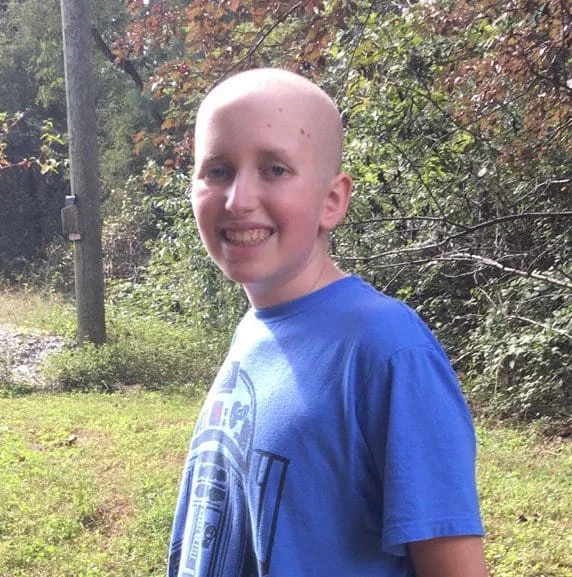
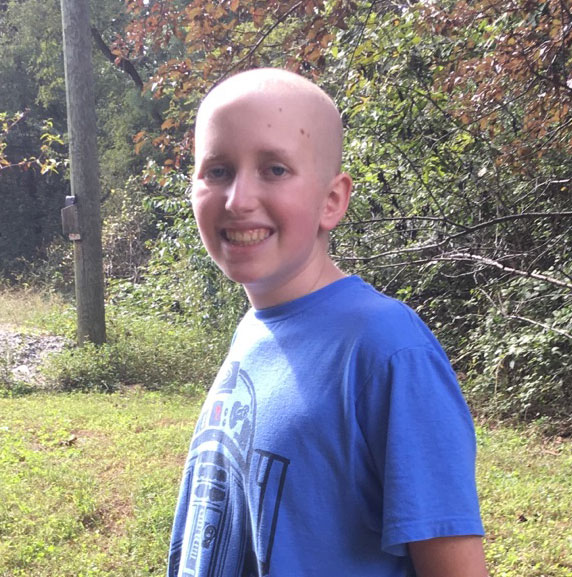
The landscape of pediatric oncology remains one of the most challenging frontiers in modern medicine, characterized by a delicate balance between aggressive therapeutic intervention and the preservation of a child’s long-term health. The story of Luke Getchell, a 13-year-old from Richmond, Virginia, serves as a poignant case study in the limitations of current treatment protocols and the devastating impact of high-risk genetic mutations in childhood cancers. Diagnosed in July 2018 with acute myeloid leukemia (AML) featuring the FLT3-ITD genetic alteration, Luke’s journey underscores a critical gap in medical science: the need for targeted, less toxic therapies that can eradicate malignancy without destroying the host’s physiological integrity.
The Pathophysiology of AML and the FLT3-ITD Mutation
To understand the severity of the diagnosis faced by the Getchell family, one must examine the biological underpinnings of Luke’s disease. Acute myeloid leukemia is a cancer of the blood and bone marrow characterized by the rapid overproduction of abnormal myeloblasts. While pediatric leukemia as a whole has seen significant improvements in survival rates over the last several decades, AML remains more difficult to treat than acute lymphoblastic leukemia (ALL), the more common pediatric variant.
The presence of the FLT3-ITD (Fms-like tyrosine kinase 3 with internal tandem duplication) mutation significantly complicates the clinical outlook. This specific genetic alteration is found in approximately 10% to 15% of pediatric AML cases. It functions as a "driver" mutation, causing the FLT3 receptor to remain in a permanently "on" position, which signals the leukemia cells to proliferate uncontrollably. Historically, patients with the FLT3-ITD mutation face a higher risk of relapse and a lower overall survival rate compared to those without the mutation. For Luke, this meant that from the moment of diagnosis, his medical team was fighting an uphill battle against a particularly resilient and aggressive form of cancer.
A Chronology of Treatment and Resilience
Luke Getchell’s medical odyssey began in mid-2018, transforming his life from that of a typical teenager into one defined by hospital corridors and intensive care units. Known for his kind demeanor and affinity for culinary arts—often hosting "Chopped" style competitions in his family kitchen—Luke faced his treatment with a level of stoicism that his family describes as both heartbreaking and inspiring.
Over the course of 14 months, Luke underwent a grueling regimen of chemotherapy and supportive care. The initial phase of treatment appeared successful in its primary objective: the eradication of detectable cancer cells. Approximately six months into his treatment, clinical tests indicated that Luke had reached a state of remission. The news provided the Getchell family with a brief window of hope, a "week of happiness" that stood in stark contrast to the preceding months of trauma.
However, the nature of FLT3-ITD AML is characterized by its propensity for rapid recurrence. Just seven days after the encouraging test results, Luke’s blood counts began to fluctuate, signaling a potential relapse. Subsequent diagnostic testing confirmed the family’s worst fears: the leukemia had returned with increased vigor, spreading through his system with a speed that left few remaining therapeutic options.
The Cumulative Toll of Treatment Toxicity
One of the most harrowing aspects of Luke’s story is not just the cancer itself, but the "secondary health issues" caused by the very medications intended to save him. In pediatric oncology, the dosages required to kill aggressive leukemia cells often push the human body to its absolute limits. Luke’s treatment-induced complications were extensive and multifaceted:
- Infectious Complications: Luke suffered from a severe colon infection and sepsis, a life-threatening systemic inflammatory response to infection that is a leading cause of death in immunocompromised oncology patients.
- Organ Damage: The cytotoxic nature of the chemotherapy agents resulted in permanent heart damage, a common long-term side effect of anthracyclines, which are a staple of AML treatment.
- Graft-Versus-Host Disease (GVHD): Following attempts to reset his immune system, Luke faced GVHD, a condition where the donor’s immune cells attack the recipient’s body tissues.
- Metabolic and Physical Decline: The use of high-dose corticosteroids like prednisone, necessary to manage inflammation and immune responses, led to the development of secondary diabetes. Additionally, he suffered from bleeding, severe skin issues, thrush, and ingrown nails.
By September 2019, the cumulative damage to Luke’s body reached a critical threshold. His oncologist made the difficult recommendation to transition to hospice care. The decline was rapid; Luke lost his mobility and his sight within weeks. On October 20, 2019, at the age of 14, Luke Getchell passed away.
Luke’s Lego-cy and Community Impact
In the wake of his passing, Luke’s family and the Richmond community have sought to honor his memory through "Luke’s Lego-cy." Luke was an avid builder, finding solace and a sense of control in the structured world of Lego models during his long hospital stays. Today, many of his completed models are permanently displayed at the Children’s Wonder Tower at VCU Health in Richmond, Virginia.
This display serves as more than just a memorial; it is a visual representation of the childhoods interrupted by cancer. It also serves to humanize the statistics often cited in medical journals. Beyond the Legos, Luke is remembered for his love of penguins and his "culinary connoisseur" status, traits that remind the public that pediatric cancer patients are children with dreams and personalities before they are patients.
The Funding Gap in Pediatric Cancer Research
Luke’s story highlights a systemic issue in the medical community: the lack of funding specifically earmarked for pediatric-specific cancer research. According to data from various oncology advocacy groups, only about 4% of the National Cancer Institute’s (NCI) federal budget is dedicated to childhood cancer research. The majority of pediatric treatments are "off-label" adaptations of adult protocols, which are often too toxic for developing bodies.
This funding gap is what organizations like CureSearch for Children’s Cancer aim to bridge. During Childhood Cancer Awareness Month, CureSearch has launched a campaign to raise $25,000 to support the work of researchers like Dr. Elvin Wagenblast at Mount Sinai. Dr. Wagenblast’s research is focused on the "Young Investigator" program, which targets the earliest stages of leukemia development.
Analytical Implications: The Shift Toward Targeted Therapy
The failure of traditional chemotherapy in cases like Luke’s has led to a paradigm shift in how researchers approach AML. Dr. Wagenblast’s work at Mount Sinai represents the next generation of oncology, focusing on the "how" and "why" of leukemia initiation. By using CRISPR gene-editing technology and advanced modeling of human blood development, researchers are attempting to identify the exact moment a healthy cell turns malignant.
The goal is to move away from "blunt force" chemotherapy—which kills all rapidly dividing cells, including those in the heart, gut, and skin—and toward targeted inhibitors. For FLT3-ITD mutations specifically, the development of FLT3 inhibitors like midostaurin and gilteritinib has shown promise in adult populations, but their integration into pediatric care requires further specialized study to ensure safety and efficacy in children.
A Call for Systemic Change
The Getchell family’s experience provides a sobering look at the reality of modern pediatric oncology. The description of a teenager "bleeding from their eyes" due to chemotherapy toxicity is a visceral reminder that "survival" is not the only metric that matters; the quality of life during and after treatment is equally paramount.
As the $25,000 fundraising goal for Dr. Wagenblast’s research continues, the broader medical community is being called to prioritize "less toxic" solutions. The objective is to ensure that future patients with FLT3-ITD mutations have access to precision medicine that can neutralize the genetic "on switch" of cancer without the devastating collateral damage Luke endured.
Conclusion and Future Outlook
The legacy of Luke Getchell is one of both profound loss and potential progress. His 14-month battle serves as a catalyst for awareness, driving home the fact that childhood cancer is a "heartbreaking, stomach-turning reality" for thousands of families annually. While the $25,000 goal is a small fraction of what is needed globally, it represents a vital step toward funding the specific, high-risk, high-reward research that federal grants often overlook.
By focusing on the earliest steps of childhood leukemia, researchers hope to rewrite the ending for the next child diagnosed with AML. For now, Luke’s Lego models at VCU Health stand as a testament to a life lived with kindness and a reminder of the work that remains to be done in the field of pediatric oncology. The fight for "safe and effective treatment" continues, fueled by the memory of those who, like Luke, fought with everything they had against an enemy that current medicine was not yet equipped to defeat.
