
 By admin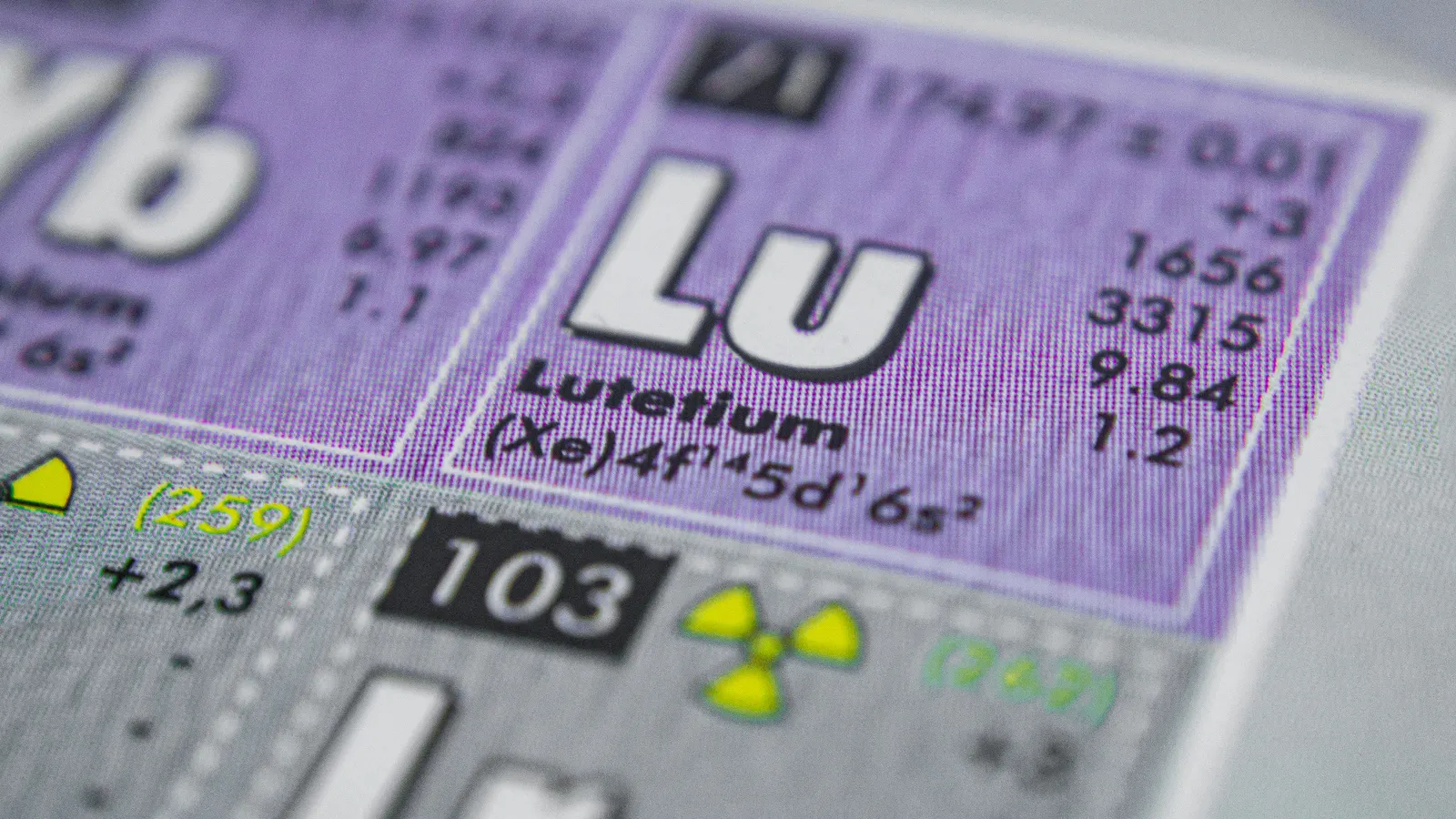
In a landmark transaction poised to redefine the competitive landscape of oncology, Australian biotechnology firm Telix Pharmaceuticals announced Sunday its definitive agreement to acquire the German radiopharmaceutical developer ITM Isotope Technologies Munich SE. The deal, valued at up to $2.35 billion, comprising an initial upfront payment of $1.65 billion and an additional $700 million in contingent earn-outs, aims to create a formidable leader in the rapidly expanding field of radiopharmaceuticals for cancer. This strategic integration is set to merge Telix’s established diagnostic capabilities with ITM’s innovative therapeutic pipeline and critical isotope manufacturing expertise, promising to deliver a vertically integrated enterprise capable of end-to-end control over the radiopharmaceutical value chain.
The acquisition details specify that Telix will acquire all outstanding stock of ITM, a privately held entity that has been a significant player in the radiopharmaceutical sector for over two decades. Upon the closure of the transaction, Telix shareholders are projected to own approximately 76.3% of the combined company, with ITM stockholders receiving the remainder. The boards of both Telix and ITM, along with investors holding more than 90% of ITM’s shares, have already granted their approval, signaling strong confidence in the strategic rationale and future prospects of the merged entity. The companies anticipate the deal will formally close by the end of Telix’s 2026 fiscal year, pending customary regulatory clearances and conditions. This timeline allows for a structured integration process, ensuring operational continuity and strategic alignment from day one.
The Ascent of Radiopharmaceuticals: A New Frontier in Oncology
The burgeoning interest and substantial investment in radiopharmaceuticals are not coincidental but rather a testament to a scientific renaissance in cancer treatment. Radiopharmaceuticals represent a highly specialized class of therapeutic agents that leverage radioactive isotopes to deliver targeted radiation directly to tumor cells, minimizing damage to surrounding healthy tissues. This precision approach is a significant advancement over conventional systemic radiation or chemotherapy, which often carry broader side effects. While the underlying research for radiopharmaceuticals has been ongoing for decades, the field experienced a dramatic resurgence following pivotal regulatory approvals that validated its clinical efficacy and commercial viability.
The primary catalysts for this renewed enthusiasm have been the successes of Novartis’ Lutathera and Pluvicto. Lutathera, approved in 2018 for neuroendocrine tumors (NETs), demonstrated the potential for radioligand therapy. However, it was the subsequent approval of Pluvicto in 2022 for metastatic castration-resistant prostate cancer (mCRPC) that truly ignited the market. Pluvicto’s rapid commercial ascent, generating approximately $2 billion in sales for Novartis last year, unequivocally showcased the immense market demand and the life-extending potential of this modality. This financial success story, coupled with compelling clinical data, has spurred a flurry of investments and strategic acquisitions across the biopharmaceutical industry. Major players like Eli Lilly, which acquired Point Biopharma, and AstraZeneca, which acquired Fusion Pharmaceuticals, alongside numerous venture capital investments in startups such as Aktis Oncology, are actively broadening the reach and application of radiopharmaceuticals. This competitive fervor underscores a collective belief that these therapies represent a crucial next chapter in precision oncology.
Telix and ITM: A Strategic Convergence of Strengths
Telix Pharmaceuticals, based in Australia, has carved out a niche as a leading provider of radioactive diagnostics, primarily in oncology. Its existing portfolio includes imaging agents that help clinicians precisely locate tumors and assess disease progression, providing critical information for treatment planning. Beyond diagnostics, Telix also maintains a robust pipeline of therapeutic candidates in various stages of development for a diverse array of solid tumors. The company’s strategic vision has consistently emphasized innovation and expanding its footprint in the global cancer care market.
ITM, or Isotope Technologies Munich, established 22 years ago in Germany, has long been recognized as a foundational player in the radiopharmaceutical ecosystem. A significant portion of its business involves the critical supply of raw materials—medical radioisotopes—which are indispensable for both diagnostic and therapeutic radiopharmaceuticals. The scarcity and complex logistics surrounding these materials make ITM’s capabilities particularly valuable. Beyond its supply chain role, ITM boasts an impressive research and development pipeline featuring more than 10 radiopharmaceutical programs. These programs span various oncology indications, reflecting ITM’s deep expertise in isotope chemistry and targeted delivery. The company has attracted substantial funding over the years, solidifying its position as a key innovator.
The synergy between Telix and ITM is multifaceted and strategically compelling. Telix’s strong commercialization infrastructure and diagnostic product expertise complement ITM’s deep R&D capabilities and unique position as a key isotope supplier. This merger is not merely an aggregation of assets but a deliberate move towards vertical integration, enabling the combined entity to control every critical stage of the radiopharmaceutical value chain—from isotope production and ligand development to clinical trials, manufacturing, and global commercialization. This holistic approach is expected to streamline development processes, enhance supply security, and accelerate market penetration for new therapies.
ITM-11: A Pivotal Asset with Regulatory Hurdles
Central to the acquisition’s therapeutic potential is ITM-11, ITM’s lead drug candidate. This therapy is a potential rival to Novartis’ Lutathera, targeting neuroendocrine tumors (NETs). Both ITM-11 and Lutathera utilize the isotope lutetium-177 conjugated with a compound that specifically targets the somatostatin receptor type 2 (SSTR2) protein, which is often overexpressed on NET cells. ITM has been actively testing ITM-11 in clinical trials for the same types of neuroendocrine tumors that Lutathera is already approved to treat, positioning it as a potentially competitive alternative.
However, ITM-11 recently encountered a significant regulatory setback. Last month, U.S. regulators rejected the drug. ITM swiftly clarified that the decision was based on manufacturing concerns and issues identified at a "third-party commercial facility," rather than any deficiencies in the drug’s clinical data. This distinction is crucial, as it suggests that the core efficacy and safety profile of ITM-11 remain robust, with the rejection stemming from solvable operational challenges rather than fundamental scientific flaws. In its acquisition announcement, Telix underscored its confidence in ITM-11, describing the treatment as "differentiating" and highlighting the anticipated results from a Phase 3 study in a second indication, expected in 2027. Telix explicitly stated its belief that ITM-11 could "accelerate Telix’s entry into the commercial therapeutic market" and "expand its presence in neuroendocrine tumors," demonstrating its strategic commitment to the asset despite the initial regulatory hurdle. This confidence signals Telix’s assessment that the manufacturing issues are addressable and that the drug’s intrinsic value and market potential remain high.
Securing the Supply Chain: A Critical Competitive Advantage
One of the most significant strategic benefits of this acquisition lies in its profound impact on the combined company’s ability to produce and distribute radiopharmaceuticals at scale. The inherent nature of radioactive materials presents unique and formidable challenges for manufacturing and logistics. Supplies of medical radioisotopes are inherently limited, often produced in specialized nuclear reactors, and their transport is tightly controlled due to safety and security regulations. Furthermore, many therapeutic isotopes have short half-lives, meaning they decay rapidly and must be produced, processed, distributed, and administered within a narrow time window. These factors make the large-scale manufacturing and reliable global distribution of radiopharmaceuticals exceptionally tricky and capital-intensive.
By acquiring ITM, Telix gains immediate access to ITM’s extensive isotope manufacturing and sophisticated distribution network, which spans more than 65 countries. This formidable infrastructure provides Telix with an unparalleled level of control over the entire radiopharmaceutical value chain. As William Blair analyst Andy Hsieh noted in a client brief, this network grants Telix "even greater control over the entire radiopharmaceutical value chain," from the sourcing and production of critical isotopes to the development, manufacturing, and commercialization of finished therapeutic products. This vertical integration mitigates risks associated with supply chain disruptions, ensures consistent access to essential raw materials, and positions the combined entity for highly efficient global scaling. Hsieh further elaborated that the transaction would enable Telix to "further corner the industry and advance a range of products from development to commercialization," ultimately placing it on a clear path to "achieving global radiopharmaceutical powerhouse status." The analyst also highlighted that Telix executives, in a conference call with investors, "expressed confidence" in their ability to overcome ITM-11’s existing regulatory hurdles, reinforcing the strategic importance of this asset within the combined portfolio.
Financial Outlook and Broader Market Implications
The financial projections for the newly combined entity underscore the strategic ambition of this merger. ITM’s standalone radiopharmaceutical supply business generated a robust $273 million in sales in 2023, reflecting its critical role in the broader industry. Looking ahead, the combined Telix-ITM company is projected to achieve more than $1.3 billion in revenue and income in the current year. This substantial financial firepower positions the entity as a significant player capable of sustained investment in R&D, manufacturing expansion, and global commercialization efforts.
This acquisition is indicative of several broader trends within the pharmaceutical industry. Firstly, it highlights the increasing consolidation within the high-growth radiopharmaceutical sector, as companies seek to gain a competitive edge through expanded pipelines and strengthened supply chains. Secondly, it reinforces the confidence of investors and industry leaders in the long-term potential of radioligand therapies to transform cancer care. The strategic vertical integration achieved through this deal sets a new benchmark, potentially prompting other companies to re-evaluate their own supply chain vulnerabilities and explore similar consolidation opportunities. For patients, the promise lies in accelerated development and broader access to innovative, targeted cancer treatments. For the global oncology market, the emergence of a vertically integrated radiopharmaceutical giant signals an intensified race to deliver the next generation of life-saving therapies, promising a dynamic and transformative period ahead.
