
 By Budi Oetomo Narendra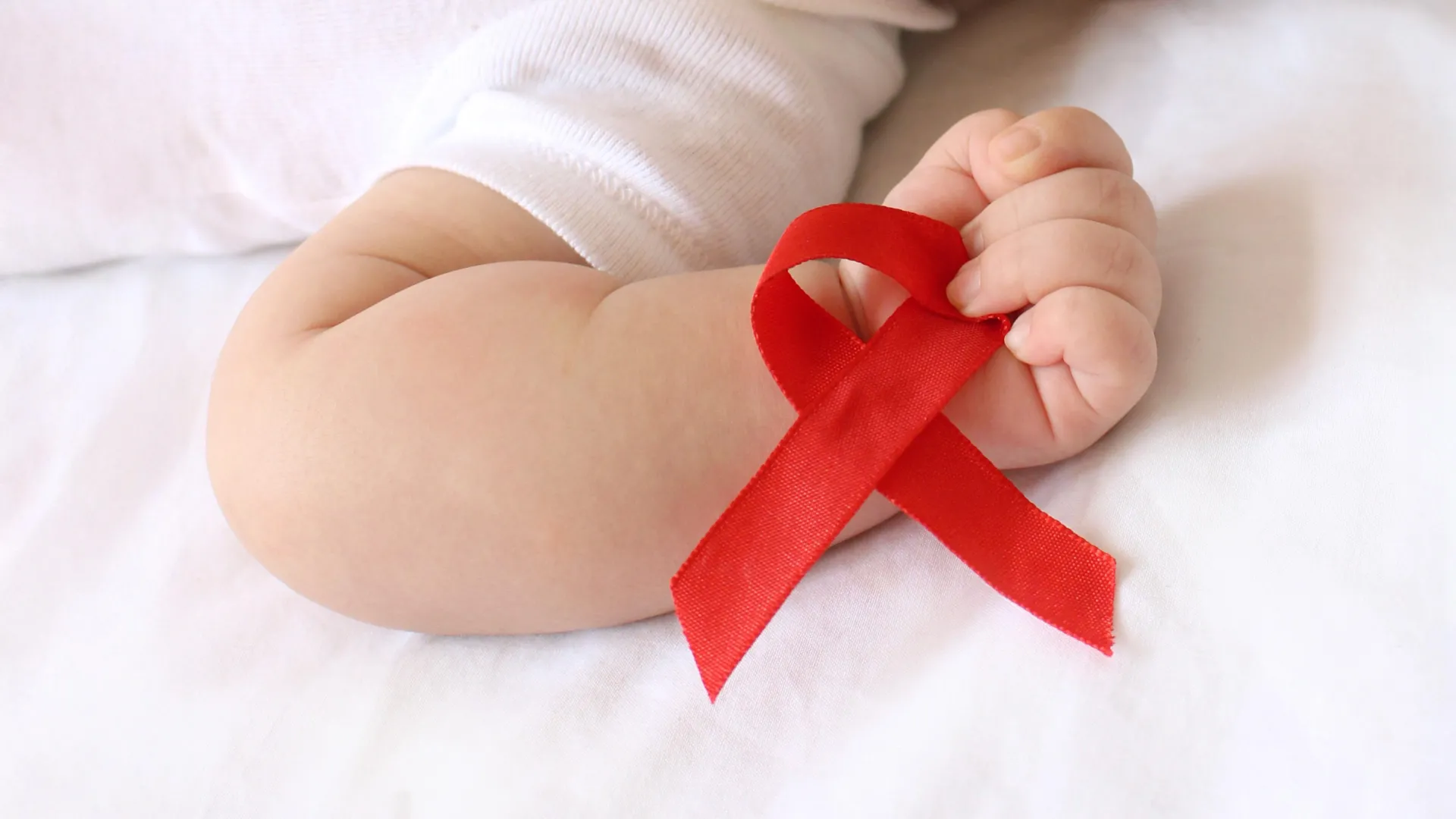
Globally, more than 120,000 infants are born with or acquire HIV each year, facing a lifetime of antiretroviral treatment, often complicated by issues of accessibility and affordability. This stark reality underscores the urgent need for more effective interventions beyond lifelong management. However, a recent study led by Oregon Health & Science University (OHSU) has unveiled a potentially revolutionary approach, demonstrating that a combination of three therapies administered to newborns within three days of birth could permanently eliminate the virus. Published in the esteemed journal Nature Microbiology, these findings ignite significant optimism within the scientific and public health communities, pointing towards a future where early intervention could lead to a permanent cure for pediatric HIV.
The Global Burden of Pediatric HIV and the Quest for a Cure
The human immunodeficiency virus (HIV) continues to be a major global public health issue, claiming approximately 600,000 lives annually worldwide. While significant strides have been made in preventing mother-to-child transmission (MTCT) and managing the infection in adults through antiretroviral therapy (ART), the persistent challenge of pediatric HIV remains. According to UNAIDS, in 2022, an estimated 1.5 million children (0-14 years old) were living with HIV, with the vast majority residing in sub-Saharan Africa. Despite the availability of effective prevention strategies, around 130,000 children globally acquired HIV in 2022, primarily through MTCT during pregnancy, childbirth, or breastfeeding.
Current strategies to prevent MTCT have dramatically reduced new infections in children. These include providing antiretroviral drugs to pregnant women living with HIV, safe delivery practices, and antiretroviral prophylaxis for newborns. While highly effective, these programs are not universally accessible, and challenges such as late diagnosis, stigma, and adherence to complex drug regimens can limit their impact, particularly in resource-limited settings. For infants who do acquire HIV, the current standard of care involves immediate initiation of ART, which effectively suppresses the viral load, preventing disease progression and improving quality of life. However, ART must be taken for life, posing challenges related to drug adherence, potential side effects, and the long-term financial burden on healthcare systems and individuals. The lifelong commitment also means that the virus remains dormant in cellular reservoirs, capable of reactivating if treatment is interrupted, making a "cure" — the complete eradication of the virus from the body — the ultimate goal of HIV research.
A Paradigm Shift: The OHSU Breakthrough
The OHSU study represents a significant leap forward in this pursuit. Dr. Jonah Sacha, Ph.D., professor and chief of pathobiology and immunology at OHSU’s Oregon National Primate Research Center (ONPRC) and Vaccine and Gene Therapy Institute, co-led the groundbreaking research. "The really exciting part is that it could go to clinical trials immediately to eliminate HIV infection in newborns," Dr. Sacha stated, emphasizing the immediacy of its potential impact. He further noted the subsequent step would be to evaluate its efficacy in newly exposed adults, suggesting a broader applicability beyond pediatric populations. This optimism stems from the study’s ability to achieve a permanent elimination of the virus in nonhuman primates, a feat that has long eluded scientists employing individual therapeutic approaches.
The research was a collaborative endeavor, drawing expertise from numerous institutions and involving nonhuman primates housed at both the Oregon and California national primate research centers. These centers are critical hubs for biomedical research, particularly for infectious diseases, given the anatomical and immunological similarities between nonhuman primates and humans, making them invaluable models for studying complex viruses like HIV (often modeled as SIV or SHIV, simian immunodeficiency virus or simian-human immunodeficiency virus, respectively).
The Synergistic Trio: Understanding the Treatment Components
The OHSU team administered a combination of three distinct therapies over several weeks: neutralizing antibodies, standard antiretroviral therapy (ART), and an experimental monoclonal antibody called leronlimab. What makes this approach particularly novel is that all three components had been tested individually in previous research, but none had independently achieved permanent viral clearance. Dr. Sacha himself expressed initial skepticism that a simple combination would yield a superior outcome.
-
Antiretroviral Therapy (ART): This forms the cornerstone of current HIV management. Developed and refined over decades since the initial discovery of HIV in the early 1980s, ART typically involves a combination of three or more antiretroviral drugs from different classes. These drugs work by targeting various stages of the HIV life cycle, preventing the virus from replicating effectively and reducing the viral load in the body. While ART has transformed HIV from a death sentence into a manageable chronic condition, it does not eliminate the latent viral reservoirs that persist in resting immune cells, necessitating lifelong adherence. In the context of the OHSU study, ART served as the foundational treatment, aiming to suppress initial viral replication.
-
Broadly Neutralizing Antibodies (bNAbs): These are a class of antibodies capable of neutralizing a wide range of HIV strains. Unlike the body’s natural immune response, which often produces narrow-spectrum antibodies that are quickly evaded by the rapidly mutating virus, bNAbs target conserved regions on the HIV envelope protein, making them effective against diverse viral variants. Research into bNAbs has been ongoing for years, exploring their potential for both prevention (pre-exposure prophylaxis, PrEP) and treatment. In this study, neutralizing antibodies were employed to "mop up" circulating virus, effectively reducing the viral load in the bloodstream.
-
Leronlimab (CCR5 Blocker): This experimental monoclonal antibody plays a particularly intriguing role in the triple therapy. Dr. Sacha has been instrumental in the development of leronlimab for years, working alongside his long-time OHSU colleague and co-author, Dr. Nancy Haigwood, Ph.D., a distinguished virologist and immunologist. Leronlimab is designed to prevent HIV from entering immune cells by blocking a specific surface protein known as CCR5. HIV typically uses co-receptors like CCR5 or CXCR4 to gain entry into T-cells. By blocking CCR5, leronlimab essentially "seals off" a primary entry point for the virus. Dr. Haigwood, a former professor and ONPRC director, championed the idea of pairing leronlimab with existing HIV therapies, a hypothesis that the new results definitively supported.
From Skepticism to Astoundment: The Research Journey
The journey to this discovery was marked by scientific rigor and a degree of fortunate surprise. Dr. Sacha admitted his initial skepticism regarding the combination therapy, given the previous failures of individual components to achieve a permanent cure. The scientific community has long grappled with the tenacity of HIV, particularly its ability to establish latent reservoirs that are impervious to conventional ART. The idea that a simple combination could overcome this hurdle was, understandably, met with caution.
However, Dr. Haigwood’s persistent belief in the synergistic potential of leronlimab with other treatments proved prescient. Her decades of work studying HIV antibodies provided a deep understanding of the virus’s mechanisms of infection and evasion. When the results from the nonhuman primate studies came in, the reaction was profound. "We were astounded and overjoyed, actually," Haigwood recounted. "It’s a remarkable result." This sentiment reflects the immense challenge HIV eradication has posed and the rarity of such definitive outcomes in complex viral research. The collective effort involved meticulous experimental design, careful administration of the therapies, and rigorous monitoring of viral loads and immune responses in the primate models.
Nonhuman Primate Models: A Crucial Stepping Stone
The use of nonhuman primates, specifically rhesus macaques, was critical to the success of this study. Simian immunodeficiency virus (SIV) and simian-human immunodeficiency virus (SHIV) infections in macaques closely mimic HIV infection in humans, making them indispensable models for vaccine and therapeutic development. These models allow researchers to study viral pathogenesis, test novel interventions, and evaluate immune responses in a controlled environment before moving to human trials. The OHSU’s ONPRC and the California National Primate Research Center (CNPRC) provided the necessary infrastructure and expertise for this complex animal research, ensuring ethical treatment and robust scientific outcomes. The fact that the combined therapy successfully cleared the virus in these models provides a strong basis for believing it could translate to human benefit, given the "important anatomical similarities" and immunological parallels, as highlighted by the researchers.
The Mechanism of Action: A Multi-pronged Attack
While the precise reasons for the combined treatment’s exceptional efficacy are still under investigation, Dr. Sacha and Dr. Haigwood hypothesize that the three therapies work synergistically, becoming significantly more potent together than when used alone. Dr. Sacha eloquently described leronlimab’s role: "For reasons we don’t understand, HIV really wants to use CCR5 receptors to infect cells. By blocking access, it’s like you’ve kept fuel away from the fire."
Dr. Haigwood offered a compelling analogy to explain the distinct yet complementary roles of each component:
- Turning off the faucet (Antiretroviral Therapy): ART doesn’t eradicate HIV but drastically minimizes its ability to replicate. It reduces the overall viral load, akin to slowing down the flow of water.
- Mopping up (Neutralizing Antibodies): Broadly neutralizing antibodies act like sponges, effectively corralling and neutralizing free-floating HIV particles. This reduces the amount of circulating virus in the body’s blood supply, much like mopping up spilled water.
- Sealing off (Leronlimab): Leronlimab blocks the CCR5 co-receptor, preventing any remaining virus from entering and infecting new immune cells. This is crucial for preventing the establishment of new viral reservoirs and clearing existing ones. It’s the equivalent of sealing off the room with a water-tight valve, preventing any more water from entering.
This multi-pronged attack simultaneously suppresses replication, clears circulating virus, and blocks new infection, creating an environment where the immune system may have a better chance to eliminate the virus entirely, or at least prevent its re-establishment.
The Critical Window: Timing is Everything
A key insight from the study is the potential importance of early intervention. Dr. Haigwood believes the treatment combination is particularly powerful when administered very early after infection. "There’s a lot more going on during the first week of infection than we previously thought," she observed, suggesting a dynamic interaction between the virus and antibodies during this initial phase of viral spread. In the OHSU study, the combined regimen was tested only within 72 hours of initial infection in the primate models.
This raises critical questions for future research. Dr. Sacha pondered, "We only tested out to three days. Could it work a week after infection? Two weeks? How far can you go after infection, and still purge the virus?" Determining the extent of this "early treatment window" is paramount. If the treatment remains effective when given later, even a week or two post-exposure, it could significantly expand the number of individuals who could benefit from this groundbreaking approach, including infants diagnosed later or even adults with recent exposure.
Path to Human Trials: Hope on the Horizon
The journey from promising animal studies to widespread clinical application is often long and complex, but the OHSU team is optimistic about the swift progression to human trials. Antiretroviral therapy is already approved for human use and widely available. Broadly neutralizing antibodies and leronlimab, while newer, are also individually being evaluated in separate human clinical trials for various indications, demonstrating their safety profiles and therapeutic potential. This pre-existing knowledge about the individual components could accelerate the approval process for the combination therapy.
The researchers anticipate that initial human studies for the three-part treatment would most likely involve adults who were recently exposed to HIV. This approach is ethically sound as it minimizes risk to newborns while providing crucial data on safety and efficacy in a human context. If successful in adults, the treatment could then be cautiously evaluated in newborns, potentially through carefully designed clinical trials focused on infants at high risk of MTCT. Such a strategy would need rigorous oversight from regulatory bodies like the U.S. Food and Drug Administration (FDA) and international health organizations, ensuring patient safety and scientific integrity.
The broader implications are immense. If this strategy proves effective in humans, it could fundamentally alter the global fight against HIV. Instead of lifelong treatment, newborns could receive a short course of therapy that permanently clears the virus, potentially sparing them from the medical, psychological, and social burdens associated with chronic HIV infection. This could lead to a significant reduction in the global HIV epidemic, which still claims hundreds of thousands of lives annually and impacts millions more.
Broader Implications: Reshaping the Fight Against HIV
The potential for a functional cure in newborns carries profound societal, economic, and public health implications:
- Eradication Potential: This breakthrough offers a tangible pathway towards eradicating pediatric HIV, a long-held dream for public health experts. Preventing new infections in children is critical, but curing those already infected would be transformative.
- Quality of Life: For children born with HIV, a permanent cure would mean freedom from daily medication, fewer side effects, and a life unburdened by the stigma and health complications often associated with chronic HIV infection. This would dramatically improve their quality of life and future prospects.
- Economic Impact: The lifelong cost of ART is substantial, both for individuals and healthcare systems. A short-course curative therapy, even if initially expensive, could lead to significant long-term cost savings by eliminating the need for decades of continuous medication, monitoring, and management of associated comorbidities.
- Public Health Strategy: This discovery could inspire a shift in public health strategies, prioritizing early detection and intervention for newborns. It would also invigorate research into similar curative approaches for adults, potentially by expanding the "early treatment window" or adapting the therapy for established infections.
- Reduced Stigma: A cure for pediatric HIV could significantly reduce the stigma associated with the virus, particularly for children and their families, fostering greater acceptance and integration within communities.
Challenges and Future Directions
Despite the immense promise, several challenges lie ahead. The cost of manufacturing and distributing these advanced therapies, especially monoclonal antibodies like leronlimab and bNAbs, could be substantial. Ensuring equitable access in low-income countries, where the burden of pediatric HIV is highest, will be critical. Regulatory approval processes will be complex, particularly for novel combination therapies involving newborns. Furthermore, the precise mechanism of how the combination therapy achieves permanent clearance needs to be fully elucidated. Understanding this could lead to even more targeted and effective treatments.
Future research will focus on:
- Expanding the Treatment Window: Determining how long after infection the therapy remains effective.
- Mechanism of Cure: Investigating the cellular and immunological mechanisms by which the virus is purged.
- Adult Applications: Testing the efficacy of the regimen in adults with recent HIV exposure.
- Scalability and Accessibility: Developing strategies for affordable manufacturing and global distribution.
The scientific community, galvanized by this OHSU breakthrough, stands at the cusp of a new era in HIV research. The combined expertise of virologists, immunologists, and clinicians, supported by robust funding and collaborative spirit, continues to push the boundaries of what is possible. As Dr. Sacha aptly summarized, "There was no reason to think this would completely clear the virus. It’s one of those things where you test it and, holy cow, it works and you’ve discovered something new." This serendipitous yet meticulously researched discovery offers a profound beacon of hope for millions, particularly the youngest and most vulnerable, in the ongoing global fight against HIV.
Research Support
The groundbreaking research was made possible through significant support from the National Institutes of Health (NIH) under various award numbers, including R01HD080459 from the Eunice Kennedy Shriver National Institute of Child Health and Human Development (NICHD); R01AI154559, R01AI166969, and R01AI129703 from the National Institute of Allergy and Infectious Diseases (NIAID); K01OD036063 from the Office of the Director (OD), NIH; P51OD011092 and U42OD010426 from the Office of Research Infrastructure Programs (ORIP), NIH, to the Oregon National Primate Research Center; and P51OD011107 from ORIP, NIH, to the California National Primate Research Center. The content of this article reflects the work and findings of the authors and does not necessarily represent the official views or endorsements of the NIH.
