
 By admin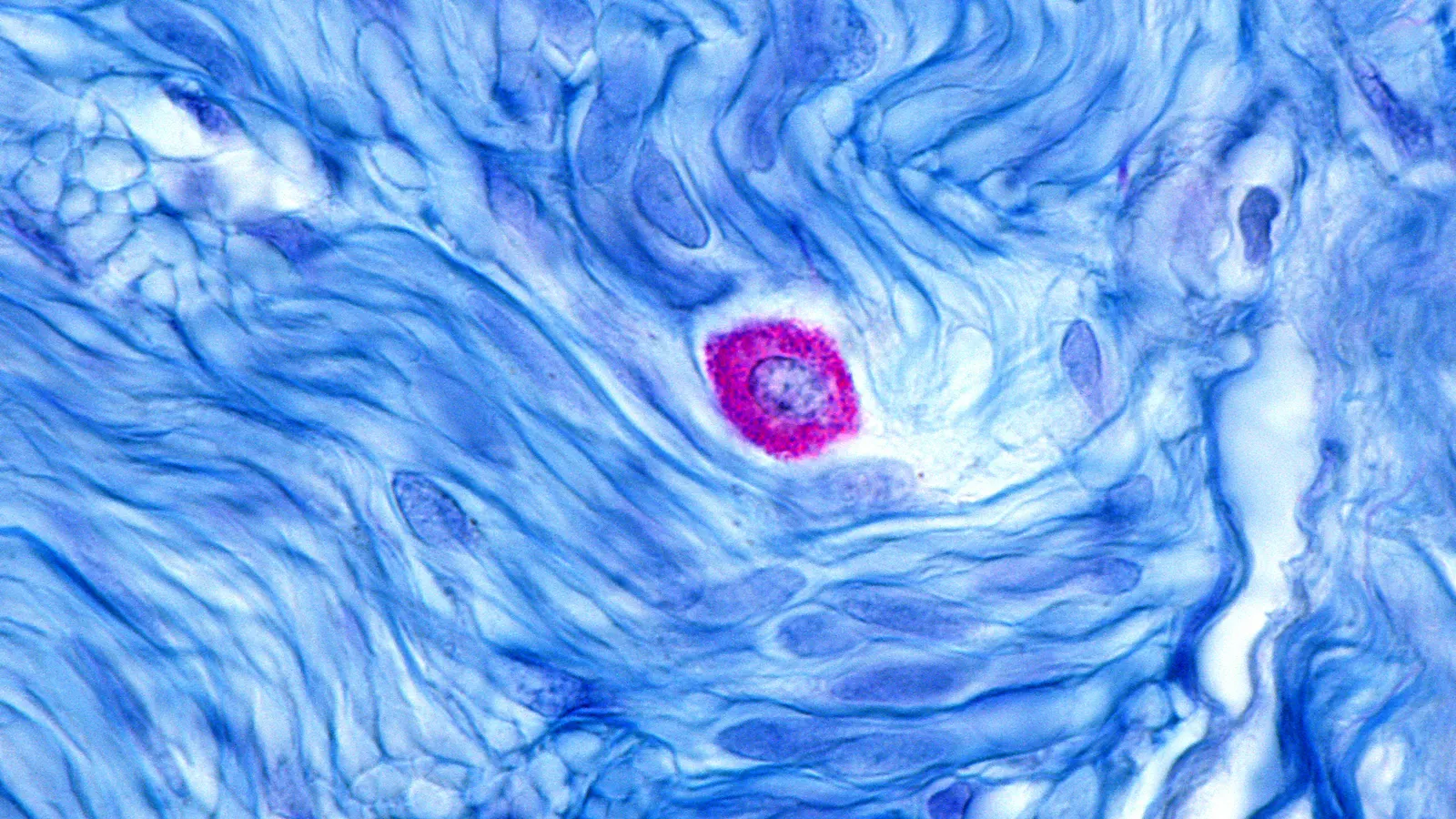
Celldex Therapeutics’ experimental drug, barzolvolimab, has presented a complex picture to the biopharmaceutical world, demonstrating what analysts are calling the most potent efficacy results observed to date in treating chronic skin hives, known as chronic spontaneous urticaria (CSU). However, this groundbreaking potential is tempered by the occurrence of two life-threatening anaphylaxis cases reported during its clinical trials, alongside another case in the placebo arm, prompting a crucial examination of its risk-benefit profile as it advances toward regulatory review. This dual narrative of exceptional therapeutic promise juxtaposed with significant safety concerns is now at the forefront of discussions regarding the future of mast cell-targeting therapies and Celldex’s strategic evolution.
Understanding Chronic Spontaneous Urticaria (CSU)
Chronic spontaneous urticaria is a debilitating skin condition characterized by the recurrent appearance of itchy wheals (hives), angioedema (swelling), or both, for six weeks or more without an identifiable external trigger. Affecting an estimated 0.5% to 1% of the global population, CSU significantly impacts patients’ quality of life, often leading to sleep disturbances, anxiety, depression, and impaired daily activities. The relentless itching and visible skin manifestations can be profoundly distressing, making effective and sustained symptom control a critical unmet medical need.
Current treatment paradigms for CSU typically begin with second-generation H1-antihistamines, often prescribed at up to four times the standard dose. For patients who do not respond adequately to antihistamines, the anti-IgE monoclonal antibody omalizumab (Xolair) is often the next line of therapy. While omalizumab has revolutionized treatment for many, a substantial subset of patients remains refractory to even this advanced therapy, leaving them with limited options and a persistent burden of disease. Corticosteroids are sometimes used for acute exacerbations but are not suitable for long-term management due to their extensive side effect profile. This persistent gap in effective treatments for refractory CSU patients underscores the high anticipation for novel therapies like barzolvolimab.
Celldex’s Strategic Pivot and the Science of Barzolvolimab
Barzolvolimab is more than just a new drug for Celldex; it represents the centerpiece of a fundamental strategic transformation for the company. Historically focused on oncology, Celldex faced several research failures in cancer development. This led to a deliberate pivot towards immunology, with barzolvolimab at the forefront of this new direction. The drug is a monoclonal antibody designed to target and inhibit the KIT receptor, a critical protein expressed on mast cells. Mast cells are immune cells widely recognized for their pivotal role in allergic reactions and inflammatory diseases, including urticaria. By targeting KIT, barzolvolimab aims to reduce the number and activity of mast cells, thereby dampening the inflammatory cascade that drives the symptoms of CSU.
This mechanism of action offers a distinct approach compared to existing biologics like omalizumab, which primarily targets immunoglobulin E (IgE). By directly modulating mast cell populations, barzolvolimab was theorized to be faster-acting, more potent, and potentially more durable in its effects than current therapies. Early tests and preclinical data supported this hypothesis, setting high expectations for its performance in larger clinical trials. The strategic shift to immunology, therefore, hinges significantly on barzolvolimab’s success, aiming to establish Celldex as a formidable player in the burgeoning field of immune-mediated disease treatments.
Unprecedented Efficacy: Clinical Trial Highlights

The recent data, derived from two new pivotal studies involving nearly 2,000 patients, have largely validated Celldex’s scientific premise. These studies enrolled individuals diagnosed with chronic spontaneous urticaria who had not achieved sufficient symptom control with standard antihistamine therapies, representing a population with high unmet needs. Participants were randomized into three groups: a placebo group and two groups receiving different dosing regimens of barzolvolimab. The primary analysis, conducted after 24 weeks of treatment, revealed a significant reduction in urticaria activity, which was the main objective of the studies.
According to Celldex, the results were "unparalleled" for patients with CSU. The drug demonstrated success across key secondary endpoints as well. Crucially, approximately half of the patients in the barzolvolimab-dosed groups achieved a complete response – defined as a total absence of itch and hives – after 24 weeks. This stands in stark contrast to the placebo group, where only between 15% and 18% of patients experienced a similar complete response. Such a high rate of complete response in a refractory patient population is indeed noteworthy and has garnered significant attention from the medical and investment communities. This level of efficacy suggests barzolvolimab could offer a new benchmark in CSU treatment, potentially providing profound relief for patients previously struggling with persistent symptoms. The studies are designed to follow patients for a full year, with further data expected to provide insights into long-term durability and safety.
Navigating the Safety Landscape: Anaphylaxis and Other Concerns
While the efficacy data has been overwhelmingly positive, the safety profile of barzolvolimab presents a more nuanced challenge. The most significant concern highlighted in the detailed adverse event reporting is the occurrence of life-threatening anaphylaxis. Specifically, the company’s data detailed two cases of anaphylaxis in one of the barzolvolimab-dosed groups, in addition to one case reported in the placebo group. Anaphylaxis is a severe, potentially life-threatening allergic reaction that can manifest rapidly and affect multiple body systems, including respiratory distress, cardiovascular collapse, and severe skin reactions. Its occurrence, particularly with a novel biologic, demands careful scrutiny from regulatory bodies.
Analysts are already weighing the potential implications. Stifel analyst Alex Thompson expressed optimism, noting that even established blockbuster medicines, such as Dupixent (dupilumab) for atopic dermatitis and asthma, carry warnings about anaphylaxis. Thompson suggested that barzolvolimab could still achieve "meaningful sales" even if it receives a boxed warning – the FDA’s most stringent warning – and is relegated to last-line usage. This perspective underscores a pragmatic understanding of drug development, where a drug’s profound efficacy in a severe, chronic condition can sometimes justify a higher risk profile, especially if the risks can be managed. Physicians might opt to administer the initial doses of barzolvolimab in a supervised clinical setting to monitor for immediate reactions, a common practice for drugs with a known risk of severe allergic responses.
Beyond anaphylaxis, other safety concerns have been closely monitored. One persistent question surrounding barzolvolimab has been its potential to cause neutropenia, a condition characterized by abnormally low levels of neutrophils, a type of white blood cell crucial for fighting infections. A significant reduction in neutrophils could leave patients vulnerable to serious infections. The recent data will provide clearer insights into the incidence and severity of neutropenia. Other more common side effects reported include changes in hair color and skin pigmentation, which, while not life-threatening, could impact patient adherence and cosmetic acceptance. The comprehensive safety data, including the frequency and severity of all adverse events, will be critical for the FDA’s holistic assessment of barzolvolimab.
Expert and Analyst Reactions: A Bullish Outlook with Caveats
The immediate reaction from market analysts has been largely positive, reflecting the compelling efficacy data. Kristen Kluska, an analyst at Cantor Fitzgerald, enthusiastically stated, "We’d pound the table that Celldex’s efficacy looks to be the best Phase 3 data set we’ve seen across all pivotal studies." She further commented that the safety profile, despite the anaphylaxis cases, "appears favorable to other biologics that currently produce billions of dollars in revenue." This sentiment highlights a belief that the benefits of barzolvolimab significantly outweigh its risks, especially when viewed in the context of other widely used biologics.
Kluska’s optimism extends to financial forecasts, projecting peak sales for barzolvolimab to reach an impressive $4.8 billion. This ambitious figure reflects the drug’s potential to capture a substantial share of the CSU market, particularly among patients who are not adequately controlled by existing therapies. The market’s positive response to these results could also be inferred from Celldex’s stock performance, which typically sees a favorable movement following such promising clinical trial announcements. The analysts’ detailed notes to clients serve as influential guides for investors, shaping expectations for Celldex’s future growth and market valuation.

Celldex’s Broader Vision and Pipeline Expansion
Celldex’s ambition for barzolvolimab extends far beyond chronic spontaneous urticaria. The company views the drug as a foundational asset in its new immunology-focused pipeline, with plans to explore its utility in a range of other mast cell-mediated diseases. Celldex’s current pipeline indicates that barzolvolimab is already being tested in three different indications besides CSU: chronic inducible urticaria, prurigo nodularis, and cold urticaria.
Chronic inducible urticaria (CIndU) encompasses conditions where hives are triggered by specific physical stimuli such as cold, pressure, or heat. Prurigo nodularis is a chronic skin condition characterized by intensely itchy, firm nodules, often driven by neuro-immune interactions involving mast cells. Cold urticaria, a specific form of CIndU, involves the development of hives upon exposure to cold temperatures. The success of barzolvolimab in CSU, if replicated in these other indications, could significantly broaden its market potential and establish Celldex as a leader in therapies targeting mast cell dysregulation across various inflammatory and allergic conditions. This diversified development strategy aims to leverage the drug’s unique mechanism of action to address multiple unmet needs, cementing Celldex’s transformation into a prominent immunology company.
Regulatory Pathway and Market Outlook
Celldex has announced its intention to file for FDA approval of barzolvolimab next year. The regulatory process will involve a rigorous evaluation of the complete data package, encompassing both the compelling efficacy and the detailed safety profile. The FDA’s decision will hinge on a comprehensive risk-benefit assessment, weighing the drug’s ability to provide significant relief for a debilitating condition against the potential for serious adverse events like anaphylaxis.
Should barzolvolimab receive approval, its market entry will be closely watched. The potential for a boxed warning, while not ideal, might not deter its adoption for patients with severe, refractory CSU, especially given the lack of alternative treatments. The initial strategy might involve positioning it for patients who have failed existing biologics, gradually expanding its use as real-world safety data accrues. The competitive landscape for CSU treatment is evolving, with continuous research into new pathways and mechanisms. Barzolvolimab’s unique mast cell-targeting approach could give it a significant advantage, but market penetration will also depend on pricing, reimbursement policies, and physician comfort with managing its safety profile. Patient access will be a crucial factor, as will the education of healthcare providers on its appropriate use and monitoring protocols.
Broader Implications for Immunology and Drug Development
The emergence of barzolvolimab highlights a significant advancement in the understanding and targeting of mast cell biology in inflammatory diseases. Its potential success underscores the therapeutic promise of precision immunology, where drugs are designed to interfere with specific cellular pathways implicated in disease pathogenesis. The journey of barzolvolimab from a strategic pivot for Celldex to a potentially best-in-class therapy for CSU also exemplifies the dynamic nature of biopharmaceutical innovation.
However, the safety signals, particularly anaphylaxis, serve as a stark reminder of the inherent challenges in developing highly potent biological agents. The balance between maximizing therapeutic benefit and minimizing patient risk remains a central tenet of drug development and regulatory oversight. As barzolvolimab moves closer to potential approval, its story will continue to inform discussions about how regulatory bodies, clinicians, and patients navigate the complex interplay of unprecedented efficacy and serious, albeit manageable, safety concerns in the quest for transformative medicines. The broader impact of barzolvolimab could reshape treatment algorithms for CSU and other mast cell-mediated diseases, offering new hope to millions suffering from chronic, debilitating conditions.
