
 By admin
Eli Lilly and Company’s investigational obesity drug, retatrutide, has demonstrated significantly superior efficacy in both weight reduction and blood sugar control compared to Novo Nordisk’s established GLP-1 agonist, Ozempic (semaglutide), in the latest clinical trial results. While the findings, which position retatrutide as a potentially transformative therapy in metabolic medicine, reinforce Eli Lilly’s burgeoning dominance in the sector, they also highlight a notable trade-off: higher rates of side effects and subsequent treatment discontinuations associated with the novel triple-agonist. This complex balance of profound therapeutic benefit against increased adverse events is set to shape discussions among clinicians, regulators, and patients as the drug progresses towards potential market authorization.
Unpacking the Clinical Trial Data: Efficacy Versus Tolerability
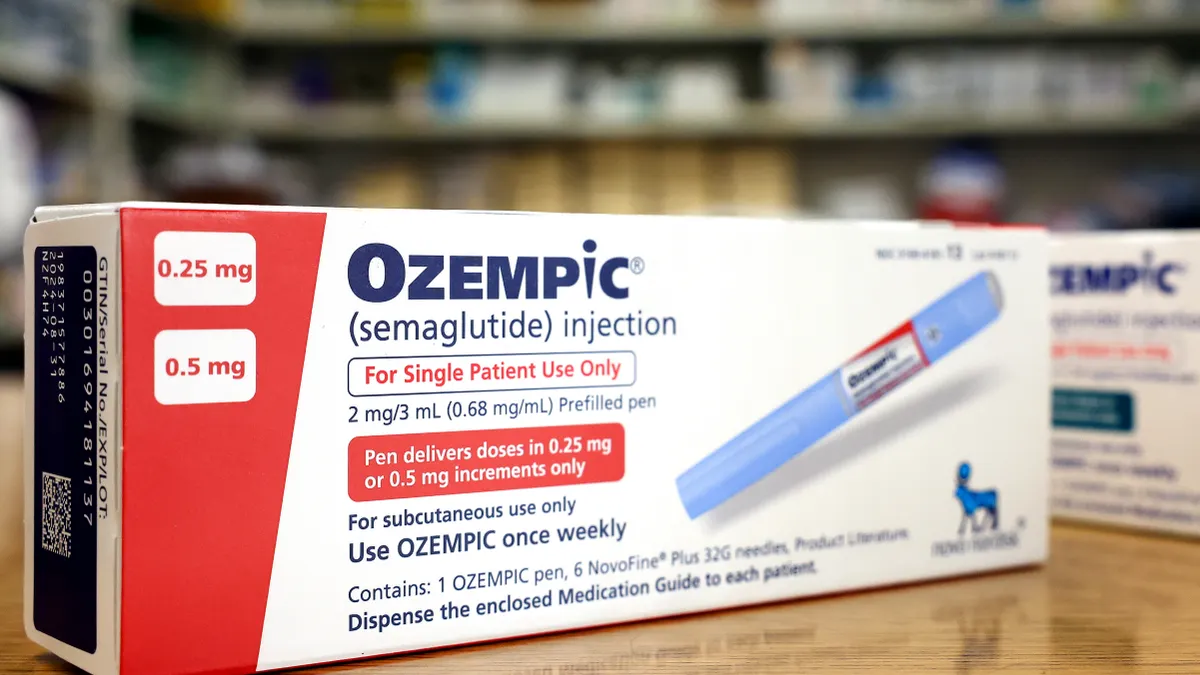
The "latest trial result," as referenced by BioPharma Dive on October 28, 2026, revealed compelling efficacy data for retatrutide. Patients receiving the highest dose of retatrutide achieved an average weight loss of 21%, a figure that underscores its potential to redefine the benchmarks for obesity treatment. A slightly lower, yet still highly significant, 9 mg dose of retatrutide was associated with an average weight loss of 20%. In stark contrast, participants in the Ozempic arm of the study experienced an average weight reduction of 9%. This more than doubling of efficacy observed with retatrutide represents a substantial leap forward from existing GLP-1 based therapies, including Ozempic, which has already revolutionized care for type 2 diabetes and, in its higher-dose formulation (Wegovy), chronic weight management. The difference in blood sugar control, while not explicitly quantified beyond "beat Ozempic," is implicitly linked to the observed weight loss, as substantial reductions in body mass are often accompanied by improved glycemic parameters.
However, these impressive efficacy metrics were juxtaposed with a less favorable tolerability profile for retatrutide. The study reported that 8% of patients on the highest retatrutide dose discontinued treatment due to side effects, a figure that stood at 5% for the 9 mg retatrutide group. This compares to a significantly lower 3% discontinuation rate among Ozempic recipients. While specific side effects were not detailed in the summary, drugs targeting GLP-1, GIP, and glucagon receptors commonly induce gastrointestinal adverse events such as nausea, vomiting, diarrhea, and constipation. The higher discontinuation rates suggest that these effects may be more pronounced or less manageable for some patients on retatrutide, particularly at higher doses, posing a critical consideration for prescribers and patients weighing the benefits against potential discomfort. The challenge for Eli Lilly, and indeed for the broader medical community, will be to determine the optimal balance between potent weight loss and patient quality of life, ensuring that the therapeutic gains are sustainable in real-world clinical settings.
The Evolving Landscape of Metabolic Medicine: From Single to Triple Agonists
The advent of retatrutide marks a pivotal moment in the ongoing evolution of metabolic medicine, representing the culmination of decades of research into gut hormones and their profound influence on metabolism. The journey began over 20 years ago with the introduction of glucagon-like peptide-1 (GLP-1) receptor agonists. Eli Lilly was a commercial partner for the very first GLP-1 injection, Byetta (exenatide), highlighting its long-standing commitment to this therapeutic class. GLP-1 agonists work by mimicking the natural hormone GLP-1, which stimulates insulin release, suppresses glucagon secretion, slows gastric emptying, and promotes satiety, ultimately leading to improved glycemic control and weight loss.
Building upon this foundation, Eli Lilly spearheaded the development of dual agonists, exemplified by its blockbuster drugs Zepbound (tirzepatide for obesity) and Mounjaro (tirzepatide for type 2 diabetes). Tirzepatide is a novel molecule that activates not only the GLP-1 receptor but also the glucose-dependent insulinotropic polypeptide (GIP) receptor. This dual mechanism of action has been shown to yield even greater reductions in blood glucose and body weight than GLP-1 monotherapy, establishing a new benchmark for efficacy. The market success and clinical impact of Zepbound and Mounjaro have been nothing short of extraordinary, propelling Eli Lilly’s market capitalization to unprecedented heights, well beyond many of its pharmaceutical peers, crossing the $1 trillion valuation mark largely on the strength of its metabolic pipeline.
Retatrutide takes this multi-agonist approach a step further, targeting three key metabolic pathways: GLP-1, GIP, and glucagon receptors. Glucagon, while often associated with raising blood sugar, also plays a complex role in metabolism, including energy expenditure and satiety, depending on the receptor subtype and tissue context. By modulating all three pathways, retatrutide is designed to achieve an even more comprehensive and profound metabolic effect, leading to the remarkable weight loss figures observed in trials. This innovative "triple-G" agonism represents the cutting edge of pharmaceutical development in the obesity space, seeking to unlock further therapeutic potential by engaging a broader spectrum of physiological mechanisms involved in energy balance and glucose homeostasis.
The Fierce Competition for Market Dominance
The race to develop increasingly effective obesity and diabetes medications has ignited an intense rivalry between pharmaceutical giants, most notably Eli Lilly and Novo Nordisk. With Zepbound and Mounjaro, Eli Lilly has firmly established itself as a frontrunner, capitalizing on the immense, largely unmet global need for effective weight management solutions. The "buzz" surrounding retatrutide is so potent that, even in its investigational stages, reports of a "nebulous ‘black market’" emerging for the drug underscore the desperate demand from patients seeking more effective treatments. This phenomenon, while raising significant regulatory and safety concerns, illustrates the profound impact these therapies are having and the anticipation for Lilly’s next-generation offering.

Novo Nordisk, with its pioneering GLP-1 drugs Ozempic and Wegovy (semaglutide), currently holds a significant share of the market. However, Lilly’s advancements with dual and now triple agonists are pressuring Novo Nordisk to accelerate its own pipeline. While Novo Nordisk is actively developing its next-generation therapies, including dual-acting drugs and even its own three-pronged candidates, these are generally trailing Lilly’s in clinical development, with its triple-agonist candidates currently in Phase 2 trials. This lag could provide Lilly with a substantial window of opportunity to further solidify its market leadership.
The competitive landscape is not just about clinical efficacy but also about market positioning and intellectual property. Leerink analyst David Risinger, in a client note, underscored that the latest results "strengthen the case for retatrutide’s long-term differentiation" and justify a "branded premium" for the drug. This differentiation is particularly critical given the anticipated U.S. patent expiration of semaglutide in 2032, which could pave the way for generic competition and increased price pressure on existing GLP-1 therapies. Risinger’s projection of annual retatrutide sales reaching $15 billion by 2032 significantly surpasses the $10 billion consensus among Wall Street analysts, reflecting a strong belief in its market potential and its capacity to capture a substantial share of the rapidly expanding obesity drug market. The sheer scale of these projections highlights the pharmaceutical industry’s conviction in the long-term profitability and public health impact of these groundbreaking medications.
Broader Implications and Future Outlook
Should retatrutide navigate the remaining clinical development phases and secure regulatory approval, its impact on global health and the pharmaceutical industry would be profound. The drug’s superior efficacy offers a new ray of hope for millions of individuals struggling with severe obesity and its associated comorbidities, including type 2 diabetes, cardiovascular disease, and certain cancers. The average weight loss of over 20% moves closer to the outcomes typically seen with bariatric surgery, offering a less invasive yet highly effective medical alternative for many patients. This could significantly alter treatment paradigms, allowing more individuals to achieve meaningful and sustained weight loss without resorting to surgery.
However, the higher rates of side effects and discontinuations will necessitate careful patient selection and thorough counseling by healthcare providers. Clinicians will need to engage in comprehensive discussions with patients about the risk-benefit profile, managing expectations regarding potential gastrointestinal discomfort, and exploring strategies to mitigate adverse events. The balance between maximum efficacy and patient adherence will be a critical factor in determining the real-world success of retatrutide.

From a regulatory perspective, agencies like the U.S. Food and Drug Administration (FDA) and the European Medicines Agency (EMA) will meticulously scrutinize the full Phase 3 data, focusing not only on efficacy but also on the long-term safety profile and patient tolerability. The approval process will likely involve a thorough assessment of how the benefits of profound weight loss outweigh the increased incidence of side effects, especially for chronic use in a large patient population.
Economically, the introduction of another highly effective, premium-priced obesity drug will intensify ongoing debates about drug accessibility, affordability, and healthcare system sustainability. As more potent medications enter the market, pressure will mount on insurance providers to cover these treatments, recognizing obesity as a chronic disease rather than a lifestyle choice. The potential for $15 billion in annual sales suggests that retatrutide would be a significant revenue driver for Eli Lilly, further cementing its position as a pharmaceutical powerhouse. However, ensuring equitable access globally will remain a critical challenge, particularly in low- and middle-income countries where the burden of obesity is also rising.
The advancements in multi-agonist therapies like retatrutide also underscore a broader scientific shift towards precision medicine in metabolic disorders. By understanding and targeting multiple hormonal pathways, researchers are able to design drugs that intervene more effectively in the complex physiological dysregulation seen in obesity and diabetes. This success story will undoubtedly spur further innovation, encouraging other pharmaceutical companies to explore novel targets and combination therapies, potentially leading to even more tailored and effective treatments in the coming decade. The future of metabolic medicine appears to be one of continuous innovation, driven by a deeper understanding of human physiology and an unwavering commitment to addressing one of the most pressing public health challenges of our time.
