
 By admin
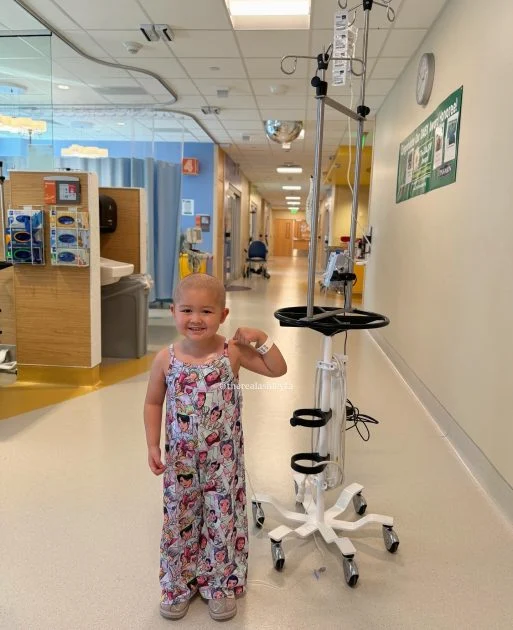
The American Childhood Cancer Organization (ACCO) has officially introduced Rylee, a four-year-old battling Acute Lymphoblastic Leukemia (ALL), as a 2026 ACCO Ambassador. Her story, characterized by a harrowing diagnostic process and the resilience of a military family, highlights the systemic challenges often faced by parents when seeking medical answers for rare but life-threatening pediatric conditions. Rylee’s mother, Ashley, has utilized her platform to document the realities of the disease, emphasizing that parental intuition remains one of the most critical tools in the early detection of childhood cancer.
The Diagnostic Odyssey: From Minor Symptoms to Emergency Care
The journey toward Rylee’s diagnosis began with a series of symptoms that were initially dismissed by medical professionals as common childhood ailments. Ashley reported that for several days, she was told Rylee was suffering from minor issues, including allergies or a localized infection. Despite these reassurances, Rylee’s condition continued to deteriorate, manifesting a complex array of symptoms including persistent fevers, chills, body aches, a swollen eye, swollen lymph nodes, unexplained bruising, and joint pain.
The difficulty in securing an accurate diagnosis for pediatric cancer is a documented phenomenon in clinical settings. Many symptoms of leukemia, such as bone pain and fever, mimic those of viral infections or growing pains, leading to what is known as "diagnostic overshadowing." Ashley’s experience involved a repetitive cycle of visits to Urgent Care and Emergency Room (ER) facilities. On August 6, following her refusal to leave a medical facility without comprehensive testing, a blood test was administered.
At 5:00 PM that evening, the family received the life-altering confirmation that Rylee had leukemia. The timing of the diagnosis presented a significant logistical and emotional burden; Rylee’s father, Jacob, was deployed overseas at the time, leaving Ashley to navigate the immediate aftermath and emergency medical procedures alone. Within hours of the diagnosis, Rylee was transported via ambulance to a specialized pediatric oncology unit in Denver, Colorado.
Clinical Progression and the First Phase of Treatment
The initial week of Rylee’s treatment was marked by aggressive medical intervention designed to stabilize her condition and begin the process of eradicating the leukemic cells. The clinical protocol included the surgical placement of a port for chemotherapy access, a bone marrow biopsy to determine the extent of the disease, and a lumbar puncture. The latter procedure involved the administration of intrathecal chemotherapy directly into the spinal fluid to prevent the cancer from spreading to the central nervous system.
During this period, Rylee required three blood transfusions and two platelet transfusions to address the anemia and thrombocytopenia often caused by both the disease and the treatment. Her first intensive chemotherapy session lasted two hours, signaling the start of a multi-year treatment plan.
By early September, clinical evaluations indicated that Rylee had reached a state of remission. In oncology, remission signifies that the signs and symptoms of cancer have decreased or disappeared, though it does not necessarily mean the patient is cured. To ensure the long-term eradication of the disease, Rylee’s treatment plan is scheduled to continue through October 2027.
In October, Rylee transitioned to a specialized immunotherapy treatment known as Blinatumomab (Blina). This treatment represents a significant advancement in pediatric oncology. Unlike traditional chemotherapy, which targets all rapidly dividing cells, Blinatumomab is a bispecific T-cell engager (BiTE) that directs the patient’s own immune system to recognize and destroy leukemia cells. The treatment requires a continuous 28-day infusion, which Rylee manages by carrying her medication in a small, portable backpack.
Pediatric Leukemia: Supporting Data and Medical Context
Acute Lymphoblastic Leukemia (ALL) is the most common form of cancer diagnosed in children, accounting for approximately 25% of all pediatric cancer cases. According to data from the American Cancer Society, about 3,000 children and adolescents are diagnosed with ALL in the United States annually. While the diagnosis is devastating, the five-year survival rate for children with ALL has seen remarkable improvement due to advancements in clinical trials and immunotherapy, now standing at approximately 90%.
However, the treatment duration for ALL is notably long, typically lasting between two and three years. This extended timeline is necessary to prevent relapse, as leukemic cells can remain dormant in the body. The transition to treatments like Blinatumomab highlights a shift in the field toward "targeted therapy," which aims to reduce the long-term side effects and toxicity associated with traditional cytotoxic chemotherapy.
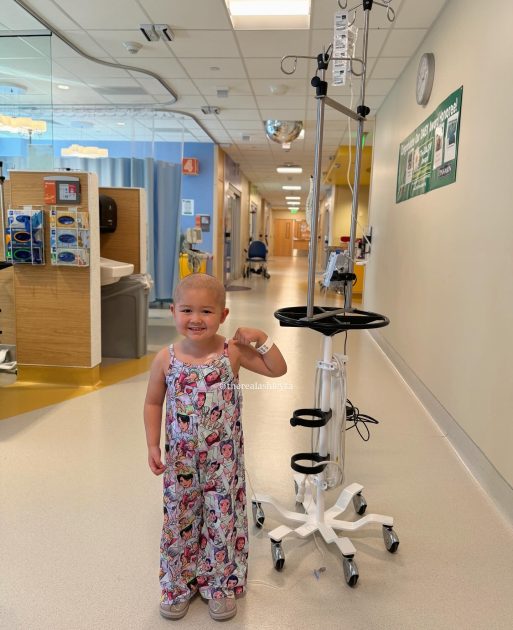
The psychological impact of such a diagnosis on a four-year-old is profound. Organizations like the ACCO emphasize the importance of "medical play" to help children process their experiences. Rylee’s use of the ACCO Medical Play Kit—a resource designed to familiarize children with the tools used in their treatment—is a recognized method for reducing medical-related trauma and anxiety in pediatric patients.
The Role of Parental Advocacy and Institutional Support
Ashley’s advocacy serves as a primary case study in the importance of the "gut feeling" in parental care. In her statements, she urged other parents to remain persistent even when faced with medical dismissal. "Even if you feel like the ‘overreacting mom,’" she stated, "keep pushing. Keep asking. Keep showing up."
This sentiment is echoed by many in the patient advocacy community who argue that parents are the first line of defense in the healthcare system. The ACCO, as the largest grassroots childhood cancer organization in the U.S., provides the framework for these stories to reach a broader audience. By naming Rylee a 2026 Ambassador, the organization aims to raise awareness about the need for increased funding for pediatric cancer research and the necessity of support systems for families, particularly those in the military who face the added stress of separation during medical crises.
The financial and emotional toll on families is another critical factor. The ACCO provides resources such as the Medical Play Kits free of charge, recognizing that the "hidden costs" of cancer—travel to specialized hospitals, time away from work, and specialized home care—can be debilitating for many households.
Analysis of Broader Implications
The story of Rylee and her family illuminates several broader issues within the American healthcare and social support systems. First, it highlights the necessity of robust support for military families. When a service member is deployed, the remaining spouse often becomes a solo caregiver. A pediatric cancer diagnosis in this context creates an extraordinary level of strain that requires specific interventions from both military and civilian support networks.
Second, the shift toward outpatient-focused treatments like the 28-day Blinatumomab infusion backpack illustrates the evolving nature of the patient experience. While these technologies allow children like Rylee to maintain a semblance of normalcy—riding bikes, playing with siblings, and hosting tea parties—they also place a higher degree of responsibility on the parents to manage complex medical equipment at home.
Finally, the 2027 projected end date for Rylee’s treatment serves as a reminder that childhood cancer is not a singular event but a long-term journey. The "remission" status achieved in September is a milestone, but the subsequent years of maintenance therapy are critical for ensuring the cancer does not return.
Conclusion and Future Outlook
Rylee’s appointment as an ACCO Ambassador for 2026 ensures that her journey will continue to serve as an educational tool for the public and a source of solidarity for other families. Her story is a testament to the intersection of medical science and parental determination. As she continues her treatment through 2027, the focus remains on her development as a child first and a patient second.
The American Childhood Cancer Organization continues to advocate for the "Kids Can’t Fight Cancer Alone" initiative, emphasizing that the burden of the disease must be shared by the medical community, the government, and the public. For families currently navigating a new diagnosis, Rylee’s story provides a roadmap for the importance of persistence, the utility of modern immunotherapy, and the vital role of community support in the face of life-threatening illness.
As the pediatric oncology field moves forward, the integration of targeted therapies and comprehensive family support resources remains the gold standard for care. Rylee’s progress, from the emergency rooms of August to her current status as a symbol of hope for 2026, reflects the resilience of the youngest patients and the indispensable nature of the parents who fight for them.
