
 By Suherman Candra Maholtra
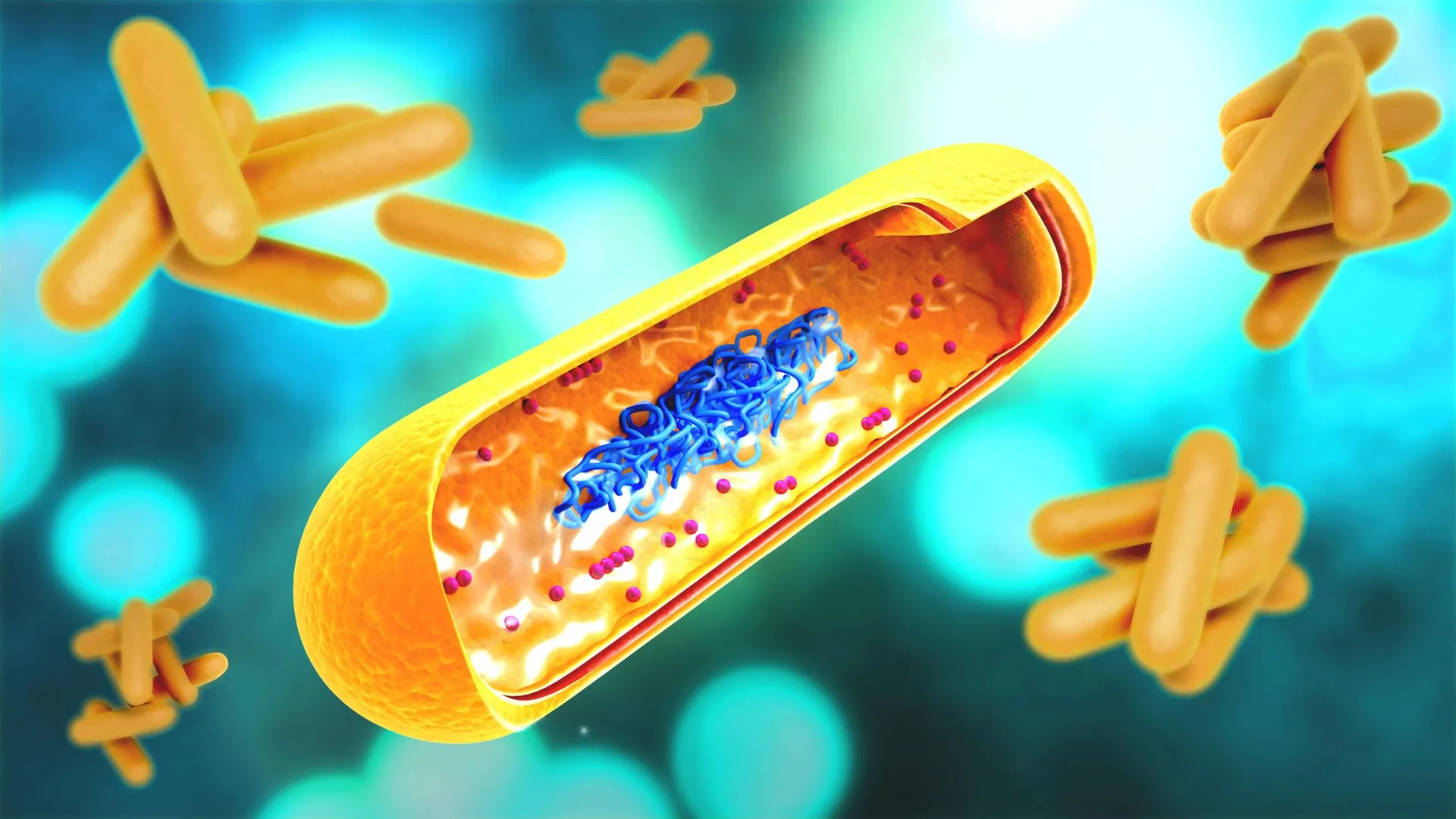
In a significant advancement for global infectious disease research, a multidisciplinary team at Johns Hopkins Medicine and the Johns Hopkins Bloomberg School of Public Health has developed an experimental therapeutic DNA vaccine for tuberculosis (TB) that is administered intranasally. This novel vaccine is specifically engineered to bolster the immune system’s ability to identify and eliminate "persister" bacteria—subpopulations of Mycobacterium tuberculosis that remain dormant or metabolically inactive during standard antibiotic treatment. These drug-tolerant persisters are the primary cause of treatment failure and disease relapse, necessitating lengthy and often grueling medication regimens.
The study, recently published in the Journal of Clinical Investigation, demonstrates that the vaccine, when used in conjunction with existing antibiotic therapies, can accelerate the clearance of bacteria and provide long-lasting protection against recurrence. By targeting the biological mechanisms that allow TB to survive in a hostile host environment, the researchers hope to revolutionize the treatment of a disease that has plagued humanity for millennia.
The Persistent Challenge of Global Tuberculosis
Tuberculosis remains one of the most formidable challenges in modern medicine. Despite being a preventable and curable disease, it has afflicted human populations for at least 6,000 years. According to data from the World Health Organization (WHO), TB regained its status in 2024 as the leading cause of death from a single infectious pathogen, surpassing COVID-19. The statistics are sobering: approximately one-quarter of the world’s population—nearly 2 billion people—carry a latent TB infection. While these individuals do not show symptoms and are not contagious, the bacteria remain alive in their bodies and can reactivate at any time.
In 2024 alone, more than 10 million people developed active TB, and 1.2 million succumbed to the illness. The persistence of the disease is largely attributed to the unique survival strategies of the TB bacteria. Unlike many other pathogens, Mycobacterium tuberculosis can enter a state of metabolic "slumber" when exposed to the stress of the host immune system or antibiotic therapy. In this persistent state, the bacteria are largely unaffected by drugs that target active cell division, allowing them to survive for months or even years.
To combat this, the WHO has called for the development of therapeutic vaccines. Unlike traditional preventative vaccines like the Bacillus Calmette-Guérin (BCG) vaccine—which is over a century old and offers limited protection for adults—therapeutic vaccines are designed to be administered to people who are already infected. The goal is to shorten the current six-to-nine-month treatment window and reduce the incidence of multidrug-resistant TB (MDR-TB), which is significantly harder and more expensive to treat.
Innovative Vaccine Design: The Mip3α/relMtb Mechanism
The experimental vaccine developed at Johns Hopkins utilizes a DNA-based platform, which offers several advantages in terms of stability and ease of production. The vaccine works by combining two specific genes: relMtb and Mip3α.
The relMtb gene is a critical component of the TB bacterium’s survival toolkit. It produces a protein that helps the microbe survive under harsh conditions, such as low oxygen levels, nutrient scarcity, and exposure to antibiotics. By including this gene in the vaccine, the researchers are essentially "tagging" the very mechanism the bacteria use to hide.
To ensure the immune system notices this tag, the researchers fused relMtb with Mip3α. This second gene produces a signaling protein that acts as a chemical "flare," attracting immature dendritic cells to the site of the infection. Dendritic cells are the sentinels of the immune system; they ingest foreign proteins and "present" them to T-cells, which then coordinate a targeted attack against the pathogen.
"The vaccine produces a signal that attracts these key immune cells, helping the body coordinate a targeted attack on the TB bacteria that would otherwise remain hidden," explained Styliani Karanika, M.D., the study’s lead author and an assistant professor of medicine at the Johns Hopkins University School of Medicine.
The choice of intranasal delivery is also a strategic biological decision. Since TB is primarily a respiratory disease, delivering the vaccine through the nose focuses the immune response on the respiratory mucosa—the lining of the airways and lungs where the infection begins. This localized delivery helps generate a "front-line" defense of T-cells in the lungs, while simultaneously stimulating a systemic immune response throughout the body.
Experimental Results: Mice and Primate Studies
The efficacy of the vaccine was first tested in mouse models, where it was administered alongside standard first-line TB drugs. The results were highly promising. Mice that received the vaccine cleared the bacteria significantly faster than those treated with antibiotics alone. Furthermore, the vaccine-treated group showed a marked reduction in lung inflammation and, perhaps most importantly, did not experience a relapse of the disease after the treatment ended.
The research team also tested the vaccine in combination with the BPaL regimen—a powerful cocktail of bedaquiline, pretomanid, and linezolid used to treat highly drug-resistant TB. The results suggested that the vaccine augmented the drugs’ effectiveness, providing a potential pathway for treating the most difficult cases of MDR-TB.
Following the success in mice, the team moved to rhesus macaques to evaluate the vaccine’s performance in a model more closely related to human physiology. In the primate study, the intranasal DNA vaccine successfully generated TB-specific immune responses in both the bloodstream and the airways. These responses included the activation of both CD4 (helper) and CD8 (killer) T-cells.
Significantly, these immune responses were found to be durable, lasting for at least six months. While the primate study focused on immune activation rather than survival after infection, the data provided what Dr. Karanika calls an "important translational bridge."
"These nonhuman primate data are encouraging because they show that the vaccine can generate durable, antigen-stimulated immune responses in an animal model whose immune system more closely resembles that of humans," Karanika said. "This is a critical step before we can move toward human clinical trials."
A New Frontier in Immunotherapy for Tuberculosis
The development of this DNA vaccine represents a broader shift in how scientists approach chronic infectious diseases. For decades, the primary strategy against TB has been the development of more potent antibiotics. However, as antibiotic resistance continues to rise globally, the limitations of this "kill-only" approach have become apparent.
The Johns Hopkins team is advocating for an "immunotherapy" strategy—using the body’s own immune system to finish the job that antibiotics start. By eliminating the persister bacteria that drugs cannot reach, the vaccine could potentially cut treatment times in half and prevent the cycle of relapse that often leads to the development of drug-resistant strains.
From a practical standpoint, DNA vaccines offer several logistical benefits. They are generally more stable at varying temperatures than traditional protein-based vaccines, which is a vital consideration for distributing medicine in low-resource settings where TB is most prevalent. Additionally, the manufacturing process for DNA vaccines is relatively efficient and scalable.
Chronology of Development and Future Outlook
The journey of this vaccine from a laboratory concept to a potential clinical tool has followed a rigorous scientific timeline:
- Gene Identification: Identification of relMtb as a key survival gene for TB persisters.
- Vaccine Fusion: The successful fusion of relMtb with the Mip3α signaling gene to create a "dual-action" DNA platform.
- Mouse Efficacy Trials: Demonstration that the vaccine reduces inflammation and prevents relapse in murine models.
- Drug Synergy Testing: Confirmation that the vaccine enhances the efficacy of the BPaL regimen against resistant strains.
- Primate Safety and Durability Testing: Proving that the vaccine generates a six-month immune response in rhesus macaques.
The next steps for the Johns Hopkins team involve further preclinical work to satisfy regulatory requirements for human safety. Once these milestones are met, the vaccine will advance to Phase I clinical trials to test its safety and immunogenicity in humans.
The research was a collaborative effort involving dozens of scientists across various departments at Johns Hopkins. Funding for the study was provided by multiple grants from the National Institutes of Health (NIH), along with support from the Gilead HIV Research Scholar Award and the Willowcraft Foundation.
As the global health community strives to meet the WHO’s goal of ending the TB epidemic by 2030, innovations like the intranasal DNA vaccine offer a glimmer of hope. By targeting the "hidden" bacteria that have allowed TB to survive for millennia, this new therapeutic approach could finally turn the tide against the world’s oldest infectious killer.
"The goal is to provide a tool that helps the body fight the disease, even in hard-to-treat cases," Dr. Karanika concluded. "If we can eliminate the persisters, we can eliminate the disease."
