
 By Budi Oetomo Narendra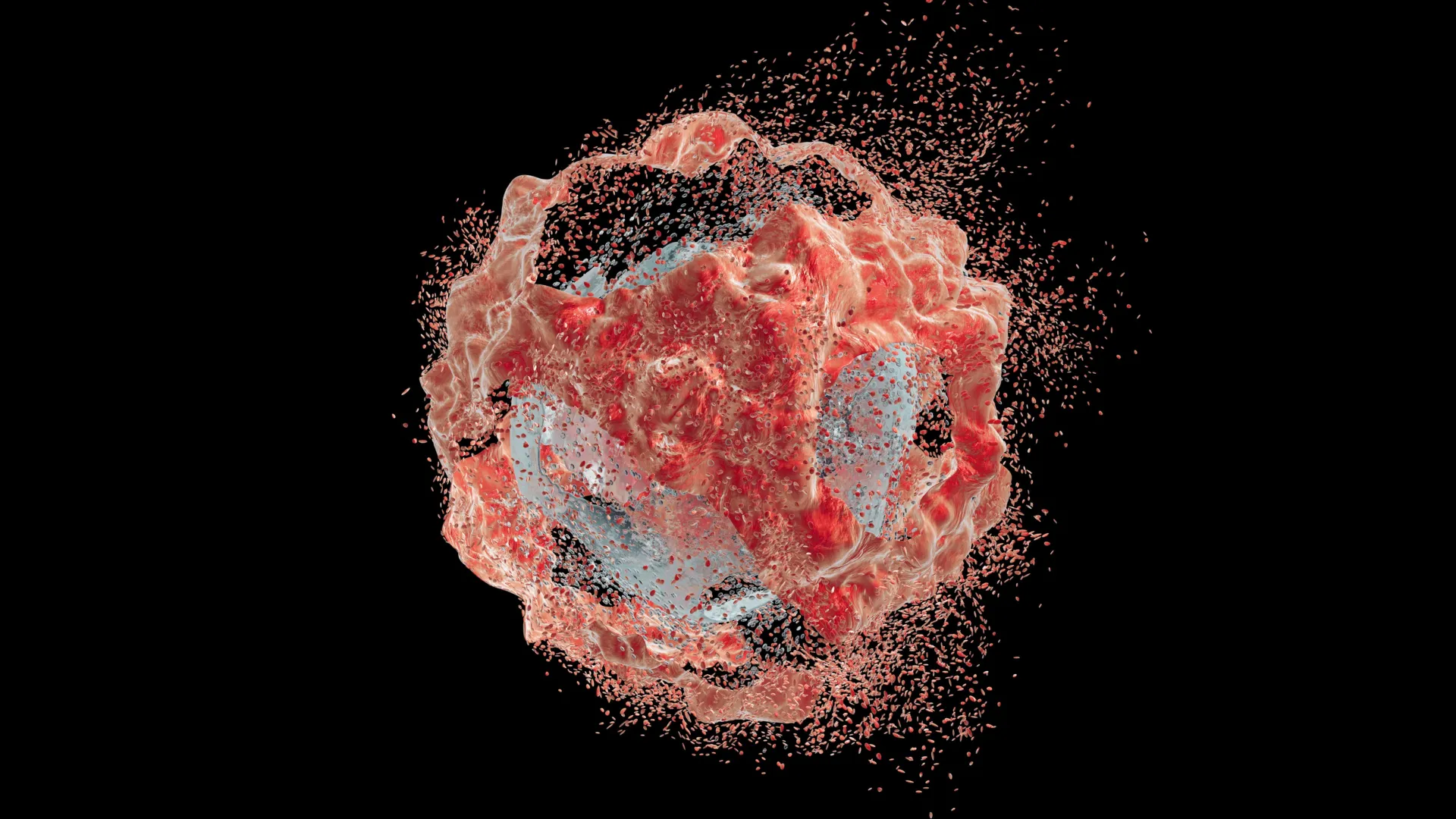
A groundbreaking study published in the esteemed journal Oncotarget has illuminated a highly promising, novel therapeutic avenue in the relentless fight against pancreatic cancer. The research, spearheaded by first author Kweku Ofosu-Asante and corresponding author Nazarius S. Lamango from the Florida A&M University College of Pharmacy and Pharmaceutical Sciences, Institute of Public Health in Tallahassee, Florida, introduces a new class of experimental compounds, polyisoprenylated cysteinyl amide inhibitors (PCAIs), that demonstrate potent anticancer effects by paradoxically hyperactivating key cellular signaling pathways. This innovative approach offers a beacon of hope, particularly for patients whose cancers are driven by notoriously stubborn KRAS mutations, which have historically posed significant challenges to effective treatment.
Pancreatic Cancer: A Formidable Foe with Urgent Unmet Needs
Pancreatic ductal adenocarcinoma (PDAC) stands as one of the most aggressive and lethal malignancies worldwide. Its grim prognosis is largely attributed to late-stage diagnosis, rapid metastasis, and inherent resistance to conventional therapies. Globally, pancreatic cancer is the seventh leading cause of cancer-related deaths, and in many Western countries, it is projected to become the second leading cause within the next decade. The five-year survival rate for PDAC remains dismally low, often hovering around 5-10%, underscoring the urgent and critical need for novel, more effective treatment strategies.
A primary driver of this therapeutic recalcitrance is the overwhelming prevalence of mutations in the KRAS gene. Found in approximately 90% of all PDAC cases, mutant KRAS acts as a persistent "on" switch, continuously signaling for cell growth, proliferation, and survival, thereby driving aggressive tumor development and progression. For decades, KRAS was considered an "undruggable" target due to its smooth, featureless protein surface, which made it incredibly difficult for drugs to bind effectively. This perception began to shift with the recent development of targeted therapies specifically designed for the KRASG12C mutation, such as sotorasib and adagrasib. While these drugs represent a significant breakthrough, their efficacy is limited to a specific subset of KRAS mutations (G12C accounts for only about 1-2% of all KRAS mutations in pancreatic cancer). A vast majority of pancreatic cancer patients with other KRAS mutations (e.g., G12D, G12V, G12R) still lack targeted treatment options, highlighting a critical therapeutic gap that researchers are desperately striving to fill.
The Genesis of PCAIs: Targeting KRAS Beyond Specific Mutations
The search for therapies capable of addressing a broader spectrum of KRAS-driven cancers has intensified, leading researchers to explore innovative mechanisms of action. This is where the development of polyisoprenylated cysteinyl amide inhibitors (PCAIs) becomes particularly relevant. These compounds were originally conceived and designed with the explicit goal of interfering with abnormal KRAS signaling, but through a mechanism distinct from the direct active-site inhibition employed by the G12C-specific drugs. Instead, PCAIs aim to disrupt the fundamental biological processes that KRAS-driven cancer cells rely on for their survival and progression.
The Florida A&M University research team’s investigation into PCAIs represents a significant step in this direction. The study focused on understanding how these compounds influence critical cancer cell behaviors—namely, survival, movement, and invasion—and, crucially, the underlying signaling pathways that fuel tumor development. Their methodology involved a comprehensive approach, leveraging advanced cellular and molecular techniques to dissect the complex interplay between PCAIs and pancreatic cancer biology.
A Rigorous Scientific Investigation: From Cell Lines to 3D Models
To thoroughly evaluate the potential of PCAIs, the investigators employed a multi-faceted experimental design. Their initial studies utilized various pancreatic cancer cell lines known to harbor different KRAS mutations, providing a robust in vitro platform to assess the compounds’ direct effects on cancer cell viability and function. Among the group of PCAIs tested, two compounds emerged as particularly potent anticancer agents. The researchers then strategically narrowed their focus to a leading candidate, designated NSL-YHJ-2-27, for more in-depth mechanistic studies.
The experimental repertoire included assays to measure cell viability, migration (the ability of cells to move), and invasion (the capacity of cells to penetrate surrounding tissues). Molecular analyses delved into the signaling pathways involved in tumor development, transcriptional changes through RNA sequencing (transcriptomic analyses), and the assessment of cellular stress markers. The study’s rigor was further enhanced by incorporating three-dimensional (3D) tumor spheroid models. These advanced models, which more accurately recapitulate the complex architecture, cellular interactions, and microenvironmental conditions of actual tumors compared to conventional two-dimensional cell cultures, provided a critical bridge between in vitro findings and potential in vivo efficacy.
Striking Results: Disrupting Cancer’s Core Functions
The findings from the study were compelling and offered clear evidence of PCAIs’ potent anticancer properties. NSL-YHJ-2-27, the lead compound, demonstrated a remarkable ability to significantly reduce the viability of pancreatic cancer cells. More strikingly, it profoundly limited their capacity for migration. At an impressively low concentration of merely 1 micromolar (1 µM), NSL-YHJ-2-27 effectively blocked over 90% of cancer cell migration. This particular finding carries immense significance, as cell migration is a prerequisite for metastasis – the spread of cancer cells from the primary tumor to distant organs. The ability to inhibit this process so effectively suggests that PCAIs could potentially play a crucial role in preventing or slowing down the dissemination of pancreatic cancer, a major factor contributing to its lethality.
Beyond simply reducing viability and migration, the researchers uncovered that PCAIs interfered with several fundamental biological processes essential for cancer cell survival and aggressive behavior. Treatment with PCAIs led to a noticeable reduction in the levels of important monomeric G-proteins, a family of proteins that act as molecular switches regulating numerous cellular processes, including cell movement and invasion. Furthermore, the compounds altered the activity of genes intrinsically linked to tumor progression and caused substantial disruptions to the actin cytoskeleton – the dynamic internal scaffolding that dictates cell shape, movement, and structural integrity. The visual outcome of these disruptions was striking: cancer cells treated with PCAIs became rounded, lost their characteristic elongated shape, and consequently, much of their mobility. This physical transformation underscores a fundamental incapacitation of the cancer cells’ ability to navigate and invade tissues.
The Paradoxical Mechanism: Hyperactivating Cancer Signaling Pathways to Induce Cell Death
One of the most intriguing and potentially transformative discoveries of the study revolved around the compounds’ interaction with two major signaling pathways critically involved in cancer growth: the Mitogen-Activated Protein Kinase (MAPK) pathway and the Phosphoinositide 3-Kinase/AKT (PI3K/AKT) pathway. These pathways are notoriously hyperactive in many cancers, including PDAC, where they promote uncontrolled cell proliferation, survival, and resistance to apoptosis (programmed cell death).
Conventional wisdom in cancer therapeutics often dictates the need to inhibit or shut down these hyperactive pathways to curtail tumor growth. However, the PCAIs exhibited a surprising, counter-intuitive mechanism: they caused an excessive overactivation of both the MAPK and PI3K/AKT pathways. While moderate activation of these pathways typically supports tumor growth, the researchers posited that such extreme, unchecked hyperactivation could push cellular functions beyond a sustainable threshold, leading to a state of cellular chaos and ultimately, cell death.
Evidence meticulously gathered from the study strongly supported this hypothesis. Cells treated with PCAIs displayed several hallmarks of severe cellular stress and impending demise. There was a significant increase in the production of reactive oxygen species (ROS), which are unstable molecules that can cause extensive damage to cellular components like DNA, proteins, and lipids when accumulated in excess. Furthermore, the compounds activated caspase enzymes, which are the primary executioners of apoptosis, leading to the systematic dismantling of the cell. The study also noted increased levels of the pro-apoptotic protein BAX, a key player in initiating the intrinsic apoptotic pathway, culminating in widespread apoptosis among the treated cancer cells. This "death by hyperactivation" mechanism represents a novel strategy to exploit cancer cells’ reliance on these pathways, turning their own growth machinery against them.
Transcriptomic Shifts and Validation in Realistic Tumor Models
To gain a deeper understanding of the global cellular response to PCAI treatment, the researchers conducted extensive transcriptomic analyses. This involved examining changes in gene activity across the entire genome after exposure to the compounds. The results revealed profound shifts in gene expression profiles. Notably, several genes known to possess tumor-suppressing functions became more active, suggesting a re-establishment of cellular control mechanisms. Conversely, genes strongly linked to cancer progression, metastasis, and epithelial-mesenchymal transition (a process that facilitates cancer spread) exhibited reduced activity. These widespread changes in gene expression further corroborated the potent anticancer effects observed at the cellular level.
The validation of these findings in 3D tumor spheroid models was a critical step in assessing the translational potential of PCAIs. Unlike flat cell cultures, spheroids mimic the gradients of nutrients, oxygen, and cell-cell interactions found within a living tumor, providing a more relevant environment for drug testing. In these sophisticated models, PCAI treatment caused the tumor spheroids to physically break apart, indicating a loss of structural integrity and cell-cell adhesion. Moreover, the compounds significantly reduced the spheroids’ ability to invade surrounding tissue-like matrices, reinforcing the anti-invasive properties observed in 2D cultures. Crucially, an increased number of apoptotic cells were detected within the treated spheroids, confirming that the "death by hyperactivation" mechanism was effective even in these more complex, realistic tumor environments. These results strongly suggest that PCAIs maintain their therapeutic efficacy in settings that closely resemble the human tumor microenvironment, boosting confidence in their potential clinical utility.
Broader Efficacy: A Game-Changer for Multiple KRAS Mutations
One of the most significant and exciting implications of this research, as highlighted by the researchers themselves, is the apparent ability of PCAIs to target cancer cells driven by multiple different KRAS mutations, rather than being restricted to a single mutant form like the currently approved KRASG12C inhibitors. Corresponding author Dr. Nazarius S. Lamango commented, "One class of such promising agents is the PCAIs that were designed to target oncogenic G-proteins in a manner that is different from the KRASG12C-targeting drugs." This broader activity is a potential game-changer, as it could address the major limitation of existing KRAS-targeted treatments and offer therapeutic options to a much larger patient population. For pancreatic cancer patients, where diverse KRAS mutations are rampant, a pan-KRAS inhibitor approach like PCAIs could fundamentally reshape the treatment landscape.
The study unequivocally demonstrated that PCAIs can elicit powerful anticancer effects in pancreatic cancer cells by disrupting critical signaling networks, inducing severe oxidative stress, and ultimately activating programmed cell death through an unconventional mechanism of hyperactivating rather than inhibiting key oncogenic pathways. These comprehensive findings lay a strong foundation for further intensive research into PCAIs as a promising new class of potential treatments for pancreatic cancer and, potentially, other cancers driven by a wide array of KRAS mutations.
The Road Ahead: From Bench to Bedside
While the findings are incredibly encouraging, the journey from preclinical discovery to approved clinical therapy is long and arduous. The next critical steps involve rigorous in vivo studies using animal models to evaluate the efficacy, pharmacokinetics (how the drug is absorbed, distributed, metabolized, and excreted), and toxicology (safety profile) of PCAIs in a living organism. These studies will be essential to determine if the compounds maintain their potency and specificity, and importantly, if they are well-tolerated and safe at therapeutically effective doses.
Further optimization of the PCAI compounds may also be necessary to enhance their potency, selectivity, and drug-like properties. Researchers will explore potential combination therapies, investigating whether PCAIs can synergize with existing chemotherapies or other targeted agents to achieve even greater anticancer effects and overcome potential resistance mechanisms. The long-term vision is to advance PCAIs into human clinical trials, where their safety and efficacy can be rigorously tested in patients.
The work by Ofosu-Asante, Lamango, and their team represents a significant stride forward in the quest to conquer pancreatic cancer. By unveiling a novel mechanism of action—turning cancer’s own survival pathways into agents of its destruction—PCAIs offer a fresh perspective and renewed hope in a field desperately in need of innovative therapeutic solutions. This research underscores the vital importance of continued basic and translational science in unraveling the complexities of cancer and developing the next generation of life-saving treatments for patients facing the most challenging diagnoses.
