
 By Gabriel Paijo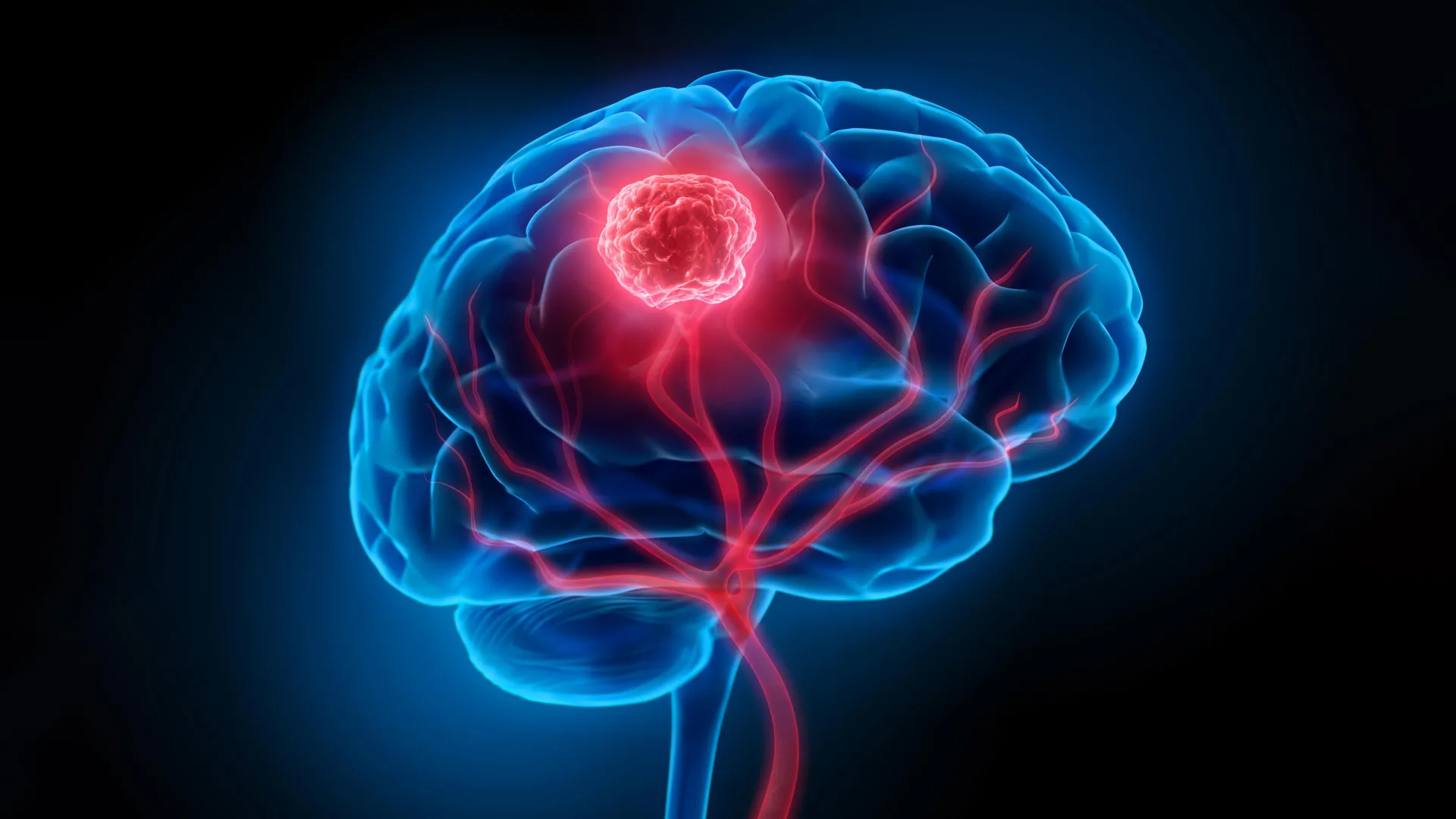
For over two millennia, the fundamental philosophy of oncology has remained largely unchanged: to identify, isolate, and eradicate malignant growths through increasingly aggressive means. From the early surgical interventions of the ancient Greeks to the sophisticated chemotherapy, radiotherapy, and immunotherapy protocols of the modern era, the objective has been the destruction of cancer cells. However, a pioneering study led by Professor Indraneel Mittra at the Advanced Centre for Treatment, Research and Education in Cancer (ACTREC), Tata Memorial Centre in Mumbai, suggests that this "search and destroy" mission may be overlooking a more sustainable path to recovery. The research proposes a provocative alternative: instead of attempting to annihilate the tumor, medicine should focus on "healing" it, coaxing aggressive malignant cells into a less harmful, more stable state.
This shift in perspective is not merely philosophical but is grounded in a complex understanding of how tumors interact with the human body’s natural repair mechanisms. The study, recently published in the journal BJC Reports, indicates that a low-cost combination of two common nutraceuticals—resveratrol and copper—may hold the key to subduing one of the most lethal forms of brain cancer: glioblastoma multiforme.
The Evolution of the "Wound That Never Heals" Theory
The intellectual foundation of Professor Mittra’s work traces back to 1986, when Dr. Harold Dvorak published a landmark article in the New England Journal of Medicine. Dvorak observed that the biological processes involved in tumor growth—such as inflammation, the formation of new blood vessels (angiogenesis), and the remodeling of the extracellular matrix—mirrored the body’s natural response to injury. He famously concluded that "tumors are wounds that do not heal."
In a healthy individual, the wound-healing process is self-limiting; once the tissue is repaired, the inflammatory signals subside. In cancer, however, this process becomes trapped in a perpetual loop. The body continues to treat the tumor as a site of injury, providing the very growth factors and biological support that allow the malignancy to thrive and spread. Professor Mittra’s team argues that if the signals keeping the "wound" open can be neutralized, the tumor may transition from an aggressive, invasive state to a benign or dormant one.
Addressing the Crisis of Glioblastoma Multiforme
The choice of glioblastoma for this pilot study underscores the urgency of the research. Glioblastoma is the most common and most aggressive primary brain tumor in adults. Despite decades of advancement in neurosurgery and the development of the "Stupp Protocol"—a standard treatment involving maximal surgical resection followed by concurrent radiotherapy and the chemotherapy drug temozolomide—the prognosis remains grim.
The median survival rate for glioblastoma patients is approximately 15 months, with a five-year survival rate of less than 10%. The highly invasive nature of the cells means that even after successful surgery, microscopic remnants often lead to rapid recurrence. Furthermore, the blood-brain barrier poses a significant challenge for many conventional systemic therapies, making the search for non-toxic, brain-permeable interventions a high priority in neuro-oncology.
Study Methodology and the Resveratrol-Copper Intervention
The study conducted at ACTREC involved twenty patients diagnosed with glioblastoma. The researchers divided the participants into two groups of ten. The intervention group received a unique treatment protocol: a tablet containing small, optimized doses of resveratrol (a polyphenol found in grapes) and copper. These patients took the tablet four times daily for an average of 11.6 days leading up to their scheduled brain surgeries. The second group of ten patients served as the control, receiving standard care without the nutraceutical intervention.
During the subsequent surgeries, the research team collected tumor tissue samples from both groups. These samples underwent rigorous comparative analysis using high-resolution microscopy, immune-staining, immunofluorescence, and transcriptome analysis—a process that examines the full range of messenger RNA molecules expressed by the tumor’s genes.
The results were statistically significant. In the patients who had taken the resveratrol-copper (R-Cu) tablets, the tumors showed a marked shift in biological markers. Most notably, the treatment appeared to downregulate genes associated with inflammation and invasiveness while promoting pathways linked to cellular stability.
The Mechanism: Neutralizing Cell-Free Chromatin Particles (cfChPs)
To understand how a simple combination of a grape extract and a mineral could influence a deadly brain tumor, one must look at the role of cell-free chromatin particles (cfChPs). When cells die—whether through natural processes or because of chemotherapy and radiation—they release fragments of DNA and proteins (chromatin) into the surrounding environment and the bloodstream.
Earlier research by Professor Mittra’s group demonstrated that these cfChPs are not merely waste products. Instead, they act as "genotoxic" agents. When these fragments are taken up by healthy or surviving cancer cells, they trigger inflammation, cause DNA damage, and activate oncogenes (cancer-promoting genes). This creates a "bystander effect," where the death of some cancer cells actually makes the surviving ones more aggressive.
The combination of resveratrol and copper acts as a catalytic agent. When the two substances interact, they generate oxygen radicals (specifically hydroxyl radicals) through a chemical reaction. These radicals are highly effective at deactivating and destroying cfChPs. In the glioblastoma study, the researchers found that while untreated tumor tissues were saturated with these harmful chromatin fragments, the tissues from the R-Cu treated group were almost entirely devoid of them. This suggests that the tablets effectively "cleaned" the tumor environment, preventing the surviving cells from being further inflamed or mutated by the debris of dying cells.
Significant Reduction in Immune Checkpoints
One of the most surprising and potentially impactful findings of the study was the effect of the R-Cu combination on immune checkpoints. In modern oncology, drugs known as immune checkpoint inhibitors (such as PD-1 and CTLA-4 inhibitors) have revolutionized treatment for various cancers. These drugs work by "releasing the brakes" on the immune system, allowing T-cells to recognize and attack cancer cells.
However, these pharmaceutical inhibitors are prohibitively expensive, often costing tens of thousands of dollars per course, and can cause severe autoimmune side effects. The ACTREC study found that the resveratrol-copper tablets naturally reduced the activity of several of these same immune checkpoints.
"The fact that a non-toxic, inexpensive nutraceutical can downregulate multiple immune checkpoints is a significant observation," the researchers noted. This suggests that the R-Cu treatment might offer a way to achieve some of the benefits of immunotherapy without the associated toxicity or financial burden, making it a particularly attractive option for healthcare systems in developing nations.
Safety, Toxicity, and Patient Experience
A recurring issue with conventional cancer treatments is the "trade-off" between efficacy and quality of life. Chemotherapy and radiation often cause systemic damage, leading to nausea, fatigue, cognitive impairment, and a weakened immune system.
In this pilot study, the patients receiving the resveratrol-copper tablets reported no adverse side effects. Because the doses of both resveratrol and copper are relatively low and the mechanism targets extracellular chromatin rather than the internal machinery of healthy cells, the treatment appears to be remarkably well-tolerated. Professor Mittra emphasized that this non-toxic profile is essential for the "healing" approach, as it allows the body’s natural physiological systems to remain functional during the treatment process.
Historical Context and the Future of Oncology
Professor Mittra’s assertion that "we have been trying to kill cancer cells for 2,500 years… without success" reflects a growing sentiment among some circles in the scientific community that a mono-therapeutic focus on cytotoxicity may have reached its limit. While surgery and radiation have saved countless lives, the high rate of recurrence in metastatic and aggressive cancers like glioblastoma suggests that the underlying "soil" of the tumor environment remains fertile for regrowth.
The transition from "annihilation" to "subduing" represents a move toward managing cancer as a chronic, manageable condition rather than an acute, terminal one. If further trials confirm these results, the R-Cu combination could be integrated into standard protocols, not as a replacement for surgery, but as a long-term maintenance therapy to prevent the "re-seeding" of tumors by cfChPs.
Broader Implications and Economic Impact
The economic implications of this research are profound. The study was supported by the Department of Atomic Energy, Government of India, through its grant to the Tata Memorial Centre. As a public institution that treats thousands of patients from diverse socio-economic backgrounds, the Tata Memorial Centre has a vested interest in developing treatments that are both effective and affordable.
If a tablet costing only a few cents can produce biological changes comparable to expensive targeted therapies, it could democratize cancer care globally. This is especially relevant for glioblastoma, where the cost of specialized care often puts treatment out of reach for many families.
Limitations and the Path Ahead
Despite the striking results, the researchers have been careful to frame this as a preliminary pilot study. With only ten patients in the intervention group, the sample size is too small to draw definitive conclusions about long-term survival rates. The short duration of the treatment (approximately 11 days) also means that the long-term effects of R-Cu on tumor recurrence are not yet known.
However, the "striking" nature of the biological changes observed through transcriptome and microscopic analysis provides a strong rationale for larger, multi-center Phase II and Phase III clinical trials. Future research will likely focus on whether longer-term use of the resveratrol-copper combination can prevent the recurrence of glioblastoma after surgery and how it interacts with standard chemotherapy.
Conclusion: A New Horizon in Cancer Care
The work of Professor Indraneel Mittra and his colleagues at ACTREC represents a bold departure from conventional oncological wisdom. By viewing cancer through the lens of wound healing and identifying cell-free chromatin as a primary driver of malignancy, they have opened a new front in the fight against the disease.
As the medical community continues to grapple with the limitations of "killing" cancer, the prospect of "healing" it offers a glimmer of hope. If a simple combination of resveratrol and copper can indeed subdue the most aggressive of brain tumors, we may be witnessing the beginning of a transformation in how humanity understands and treats one of its most persistent health challenges. The path from a malignant, aggressive state to a benign, stable one may not be paved with more toxic chemicals, but with a deeper understanding of the body’s own biological balance.
