
 By Hendra Lukman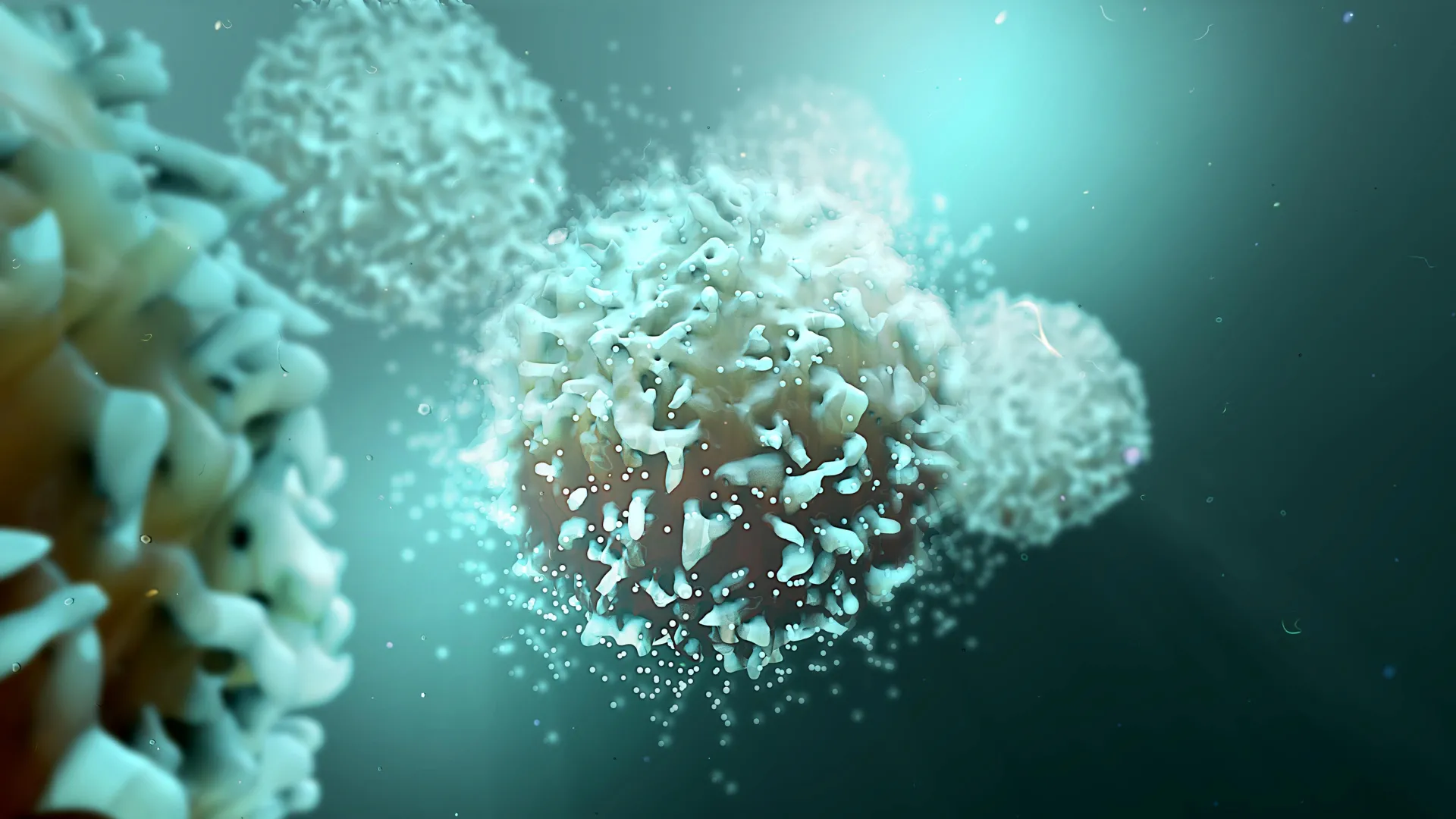
A groundbreaking gene therapy developed by scientists at University College London (UCL) and Great Ormond Street Hospital (GOSH) is demonstrating significant promise for pediatric and adult patients battling T-cell acute lymphoblastic leukemia (T-ALL), a rare and aggressive form of blood cancer. This innovative approach utilizes genetically engineered immune cells to precisely target and eliminate the disease in individuals with limited conventional treatment options. The therapy, named BE-CAR7, represents a significant advancement in the field of CAR T-cell immunotherapy, offering a potential lifeline where traditional methods have failed.
The Genesis of BE-CAR7: A Leap in Genome Editing
BE-CAR7 is a first-of-its-kind gene therapy that employs base-edited immune cells to combat specific subtypes of T-cell leukemia that have historically proven resistant to treatment. Base-editing, an advanced iteration of CRISPR gene-editing technology, allows for the precise alteration of individual DNA "letters" within living cells, a significant departure from earlier gene-editing techniques that involved cutting the DNA strand. This precision minimizes the risk of unintended genetic alterations and chromosomal damage, a critical consideration in therapeutic applications.
The genesis of this transformative therapy can be traced back to 2022, when researchers at GOSH and UCL first employed this cutting-edge technology to treat Alyssa, a 13-year-old girl from Leicester. Her case marked a historic milestone as the inaugural recipient of a base-edited therapy globally. Since Alyssa’s pioneering treatment, the BE-CAR7 therapy has been administered to an additional eight children and two adults at GOSH and King’s College Hospital (KCH), expanding the clinical evidence base for its efficacy and safety.
Promising Clinical Trial Outcomes Signal a New Era
The early clinical trial findings, meticulously documented and published in the prestigious New England Journal of Medicine and presented at the 67th American Society of Hematology Annual Meeting, have yielded highly encouraging results. While specific quantitative data on remission rates and patient outcomes from the published study are not detailed in the initial report, the researchers have emphasized the "strong remission rates" observed. This suggests a substantial proportion of treated patients have achieved significant reduction or complete eradication of their leukemia. The journal publication and conference presentation serve as crucial validation points, subjecting the research to rigorous peer review and expert scrutiny within the global scientific community.
Understanding CAR T-cell Therapy: A Revolution in Cancer Treatment
To fully appreciate the significance of BE-CAR7, it is essential to understand the broader landscape of CAR T-cell therapy. This form of immunotherapy has emerged as a powerful weapon against various blood cancers. The fundamental principle involves extracting a patient’s own T-cells – a type of white blood cell crucial for the immune system’s defense – and genetically modifying them in a laboratory. These modified T-cells are then equipped with a chimeric antigen receptor (CAR). This engineered receptor acts like a homing device, enabling the T-cells to specifically recognize and bind to unique markers, or "flags," present on the surface of cancer cells. Upon identification, the engineered T-cells are programmed to unleash a potent attack, destroying the malignant cells.
However, developing CAR T-cell therapies for leukemias originating in T-cells presents a unique and formidable challenge. The inherent difficulty lies in the need to eliminate cancerous T-cells without inadvertently triggering the engineered CAR T-cells to attack the patient’s healthy T-cells, a phenomenon known as "on-target, off-tumor" toxicity or fratricide. This delicate balance has historically made T-cell leukemias a particularly complex target for CAR T-cell interventions.
Base-Editing: The Key to "Universal" CAR T-cells
The breakthrough achieved with BE-CAR7 lies in its ability to overcome the challenges associated with T-cell leukemia treatment through base-editing. Unlike traditional CRISPR methods that create double-strand breaks in DNA, base-editing tools enable the modification of single DNA letters without cutting the DNA helix. This less invasive approach significantly reduces the risk of chromosomal damage.
By employing CRISPR-based tools with base-editing capabilities, researchers were able to precisely alter single DNA letters within the T-cells. This reprogramming allowed for the creation of "universal" or "off-the-shelf" CAR T-cells. This innovation is revolutionary because it means that CAR T-cells can be manufactured from the T-cells of healthy donors and stored in a "bank." These banked cells can then be readily administered to different patients, eliminating the time-consuming and complex process of manufacturing patient-specific CAR T-cells for each individual. This "universal" approach dramatically improves accessibility and speed of treatment initiation.
For the BE-CAR7 study, these universal CAR T-cells were derived from the white blood cells of healthy donors. The intricate manufacturing process took place within a state-of-the-art clean room facility at GOSH. This involved the custom synthesis of RNA, mRNA, and the use of a lentiviral vector, all orchestrated through an automated system that the research team had previously refined. The key engineering steps involved precisely editing the genetic code of these donor T-cells to incorporate the CAR, enabling them to recognize and target CD7, a protein commonly found on the surface of T-ALL cells.
A Two-Phase Approach: Cancer Clearance and Immune Restoration
Once administered to patients, the BE-CAR7 T-cells swiftly embark on their mission. They are designed to efficiently locate and eliminate T-cells throughout the body, with a primary focus on eradicating the cancerous leukemic cells. If the leukemia is successfully cleared within the first month of treatment, patients then undergo a crucial bone marrow transplant. This transplant serves to re-establish a healthy and functioning immune system, which is vital for long-term recovery and protection against future infections. The immune system rebuilds itself over the subsequent months, a period that requires careful monitoring and supportive care.
Professor Waseem Qasim, the driving force behind this research and a Professor of Cell and Gene Therapy at UCL and an Honorary Consultant Immunologist at GOSH, expressed his profound optimism. "We previously showed promising results using precision genome editing for children with aggressive blood cancer, and this larger number of patients confirms the impact of this type of treatment," he stated. "We’ve shown that universal or ‘off the shelf’ base-edited CAR T-cells can seek and destroy very resistant cases of CD7+ leukemia."
Professor Qasim acknowledged the collaborative nature of the endeavor. "Many teams were involved across the hospital and university, and everyone is delighted for patients clearing their disease, but at the same time, deeply mindful that outcomes were not as hoped for some children," he added. "These are intense and difficult treatments – patients and families have been generous in recognizing the importance of learning as much as possible from each experience." This candid acknowledgment highlights the inherent complexities and challenges of pioneering medical research, where not every patient may achieve the desired outcome, but each experience contributes invaluable knowledge.
Addressing the Unmet Needs of Standard Therapy Non-Responders
The implications of BE-CAR7 are particularly significant for a subset of T-cell leukemia patients who do not respond to standard therapies. Dr. Rob Chiesa, a study investigator and Bone Marrow Transplant Consultant at GOSH, elaborated on this critical aspect. "Although most children with T-cell leukemia will respond well to standard treatments, around 20% may not," he explained. "It’s these patients who desperately need better options, and this research provides hope for a better prognosis for everyone diagnosed with this rare but aggressive form of blood cancer."
Dr. Chiesa’s sentiment was echoed by Dr. Deborah Yallop, a Consultant Hematologist at KCH, who observed, "We’ve seen impressive responses in clearing leukemia that seemed incurable – it’s a very powerful approach." The ability of BE-CAR7 to achieve remission in cases previously deemed "incurable" underscores its transformative potential.
The journey of Alyssa, the first patient to receive this therapy, serves as a powerful testament to its impact. Now 16 years old, Alyssa has transitioned to long-term follow-up and is fully integrated into daily life. Diagnosed in May 2021 after a prolonged period of apparent viral illnesses and fatigue, her leukemia proved resistant to conventional chemotherapy and a subsequent bone marrow transplant. As discussions turned towards palliative care, the research team offered her the experimental BE-CAR7 therapy.
Alyssa’s decision to participate was driven by altruism: "I chose to take part in the research as I felt that, even if it didn’t work for me, it could help others," she recounted. Her recovery has been remarkable, enabling her to pursue teenage activities, from sailing and embarking on her Duke of Edinburgh Award to attending school – milestones she once only dreamed of during her illness. "I’m not taking anything for granted," she affirmed. Her aspirations extend beyond personal recovery; she aims to become a research scientist, driven by the desire to contribute to future medical breakthroughs.
Funding and Infrastructure: Paving the Way for Wider Access
The advancement and accessibility of the BE-CAR7 therapy are bolstered by significant funding and robust research infrastructure. The trial is sponsored by GOSH and receives vital support from the Medical Research Council, Wellcome, and the National Institute for Health and Care Research (NIHR). These collaborations are instrumental in driving forward innovative research and ensuring that eligible patients within the NHS system have opportunities to participate.
Furthermore, GOSH Charity has made a substantial commitment of over £2 million to fund treatment for an additional 10 T-ALL patients. This significant investment not only broadens access to the trial but also contributes to GOSH Charity’s ambitious fundraising campaign for a new Children’s Cancer Centre. This state-of-the-art facility is envisioned to accelerate cutting-edge research and enhance the care provided to young cancer patients.
The manufacturing of the BE-CAR7 cells is a product of a long-term research program at the UCL Great Ormond Street Institute of Child Health, under the leadership of Professor Qasim. The team’s operations are now housed within the Zayed Centre for Research into Rare Disease in Children, a testament to a significant partnership between UCL and GOSH. This center, made possible by a substantial £60 million gift in 2014 from Her Highness Sheikha Fatima bint Mubarak in honor of her late husband, Sheikh Zayed bin Sultan Al Nahyan, provides a cutting-edge environment for groundbreaking research into rare diseases affecting children.
The researchers also expressed their profound gratitude to Anthony Nolan, a leading UK blood cancer charity, for their crucial role in donor recruitment. The immense contributions of volunteer blood and stem cell donors, alongside the courage and willingness of patients and their families to participate in this pioneering work, are acknowledged as fundamental to the program’s success.
Broader Implications and Future Directions
The success of BE-CAR7 has far-reaching implications for the treatment of hematological malignancies and beyond. The development of universal, off-the-shelf CAR T-cells through base-editing represents a paradigm shift in cellular therapy, potentially making complex treatments more accessible and affordable. This approach could be adapted to target other forms of leukemia and lymphoma, as well as solid tumors, by identifying and engineering CARs against different cancer-specific antigens.
The precision offered by base-editing also holds promise for minimizing the side effects often associated with more aggressive gene-editing techniques, thereby improving the safety profile of cellular therapies. As research continues, further clinical trials will be essential to confirm the long-term efficacy and safety of BE-CAR7 across a larger and more diverse patient population. Ongoing efforts will also focus on optimizing the manufacturing process and exploring strategies to further enhance the persistence and anti-leukemic activity of these engineered immune cells. The dedication of the research teams at UCL and GOSH, coupled with sustained funding and patient participation, positions BE-CAR7 as a beacon of hope, potentially transforming the lives of countless individuals facing the devastating diagnosis of T-cell acute lymphoblastic leukemia.
