
 By Suherman Candra Maholtra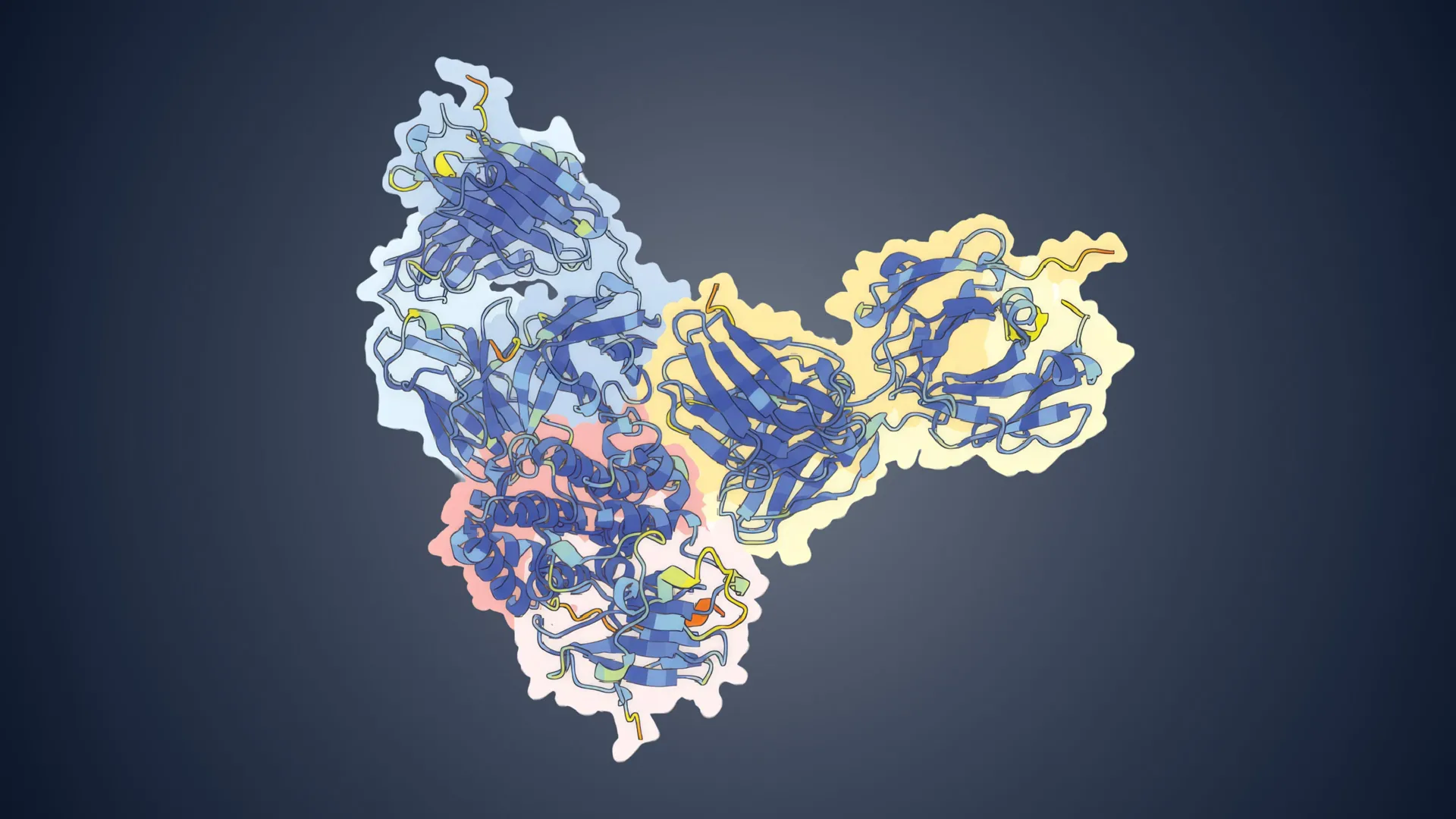
An international coalition of scientists has achieved a significant breakthrough in the global fight against the monkeypox virus (MPXV) by utilizing advanced artificial intelligence to identify a critical viral protein that could revolutionize vaccine development. The study, published in the prestigious journal Science Translational Medicine, details how researchers from the University of Texas at Austin and the Fondazione Biotecnopolo di Siena in Italy identified a previously overlooked surface protein, OPG153, which serves as a potent target for neutralizing antibodies. This discovery marks a pivotal shift toward the development of protein-subunit vaccines, which are generally safer, cheaper, and easier to manufacture than the traditional live-virus vaccines currently used to combat poxviruses.
The research comes at a time of heightened global concern regarding orthopoxviruses. While the 2022 global outbreak of mpox brought the virus into the public consciousness, the disease remains a persistent threat, particularly in regions where healthcare infrastructure is limited. By pinpointing OPG153 as a high-confidence antigen, the research team has provided a molecular roadmap for next-generation medical countermeasures that could protect the world’s most vulnerable populations, including children, pregnant women, and immunocompromised individuals.
The 2022 Global Outbreak: A Catalyst for Innovation
The urgency of this research is rooted in the 2022 mpox emergency, during which the virus spread rapidly across more than 100 countries, infecting over 150,000 people and resulting in approximately 500 deaths. Unlike previous outbreaks that were largely confined to Central and West Africa, the 2022 surge demonstrated the virus’s ability to cross borders through international travel and close physical contact. Symptoms of the illness are often debilitating, characterized by painful rashes, lesions, and flu-like exhaustion.
During the height of the crisis, public health officials relied heavily on existing smallpox vaccines, such as JYNNEOS (MVA-BN), due to the close genetic relationship between mpox and smallpox. However, these vaccines are "whole-virus" vaccines, which utilize a weakened form of the live virus. While effective, they present significant logistical hurdles. Manufacturing whole-virus vaccines is a complex, time-consuming process that requires high-containment facilities and significant financial investment. Furthermore, live-attenuated vaccines can pose risks to individuals with severely weakened immune systems, making them less than ideal for universal distribution during a pandemic.
"Unlike a whole-virus vaccine that’s big and complicated to produce, our innovation is just a single protein that’s easy to make," explained Jason McLellan, a professor of molecular biosciences at The University of Texas at Austin and co-lead author of the study. McLellan, who holds the Robert A. Welch Chair in Chemistry, has a history of pioneering work in viral structure; his previous research was instrumental in the development of stabilized spike proteins used in several COVID-19 vaccines.
Identifying Neutralizing Antibodies through Patient Recovery
The research began with a deep dive into the human immune response. Lead authors Rino Rappuoli and Emanuele Andreano at the Fondazione Biotecnopolo di Siena analyzed blood samples from a cohort of individuals who had either recovered from mpox or had been vaccinated against smallpox. Their goal was to isolate the specific antibodies that the human body naturally produces to neutralize the virus.
The Italian team successfully identified 12 distinct antibodies that showed a high capacity for neutralizing MPXV. However, identifying the antibodies was only half of the battle. The monkeypox virus is structurally complex, displaying approximately 35 different proteins on its surface. To create a targeted vaccine or a synthetic antibody treatment, the scientists needed to know exactly which of these 35 proteins the antibodies were latching onto.
In traditional virology, identifying the specific "antigen"—the part of the virus that triggers the immune response—is a laborious process of trial and error that can take years of laboratory benchwork. Given the ongoing threat of mpox, the researchers turned to artificial intelligence to accelerate the timeline.
AlphaFold 3: The AI Catalyst in Structural Biology
To bridge the gap between antibody identification and antigen discovery, McLellan’s group employed AlphaFold 3, a cutting-edge AI model developed by Google DeepMind. AlphaFold 3 is designed to predict the structures and interactions of biological molecules with unprecedented accuracy. By inputting the genetic sequences of the 35 viral surface proteins and the 12 patient-derived antibodies, the team used the AI to simulate which pairings were most likely to form a strong bond.
The AI model pointed toward a protein known as OPG153 with high confidence. This was a surprising result for the scientific community, as OPG153 had not previously been considered a primary target for vaccine development. "It would have taken years to find this target without AI," McLellan noted. "It was really exciting because no one had ever considered it before for vaccine or antibody development. It had never been shown to be a target of neutralizing antibodies."
Following the AI’s prediction, the team moved back into the laboratory to conduct "wet-bench" validation. The tests confirmed the AI’s findings: OPG153 was indeed the primary target for the most potent neutralizing antibodies found in the human survivors.
Methodology: The Power of Reverse Vaccinology
The strategy employed by the team is known as "reverse vaccinology." In traditional vaccinology, scientists start with the pathogen and try to weaken it or break it into pieces to see what works. Reverse vaccinology flips the script: researchers start by looking at the immune system of people who have already defeated the virus.
"We started with people who survived infection with monkeypox virus, isolated antibodies that they naturally produced and worked backward to find what part of the virus acted as the antigen for those antibodies," McLellan explained. Once the OPG153 protein was identified and its structure understood, the team engineered a purified version of the protein to be used as a vaccine candidate.
To test the efficacy of this new approach, the researchers administered the OPG153 protein to mice. The results were definitive: the mice produced a robust immune response, generating strong neutralizing antibodies that mirrored those found in the human survivors. This success provides a proof-of-concept for a protein-subunit vaccine that focuses solely on the most effective "trigger" for the immune system, bypassing the need for the whole virus.
Broader Impact: Smallpox Preparedness and Global Equity
The implications of this discovery extend far beyond the current mpox threat. Because MPXV is a member of the Orthopoxvirus genus, it shares significant structural similarities with the variola virus, the causative agent of smallpox. Although smallpox was declared eradicated in 1980, it remains a top-tier biosecurity concern due to its high mortality rate and potential for aerosol transmission. The discovery of OPG153 provides a new avenue for developing modern, safe smallpox vaccines that could be stockpiled more easily than current live-virus options.
From a global health perspective, a protein-subunit vaccine offers several advantages:
- Manufacturing Scalability: Proteins can be produced in large quantities using established bioreactor technologies, similar to how insulin or the Hepatitis B vaccine is made.
- Safety Profile: Because there is no live genetic material involved, the risk of vaccine-derived infection is zero, making it safe for pregnant women and those with HIV/AIDS.
- Stability: Protein-based vaccines are often more stable at higher temperatures than live-virus vaccines, reducing the "cold-chain" requirements that hinder distribution in tropical climates.
Chronology of Research and Future Steps
The timeline of this breakthrough reflects the rapid evolution of modern biotechnology:
- Late 2022: Italian researchers begin collecting and screening blood samples from mpox survivors.
- 2023: 12 potent neutralizing antibodies are isolated, but the target antigen remains unknown.
- Late 2023: UT Austin utilizes AlphaFold 3 to scan the viral proteome, identifying OPG153.
- Early 2024: Laboratory validation and mouse trials confirm the AI’s prediction.
- Late 2024: Findings are published in Science Translational Medicine, and patent applications are filed.
Moving forward, the team is focused on refining the OPG153 antigen to maximize its stability and immunogenicity. UT Austin has filed a patent application for the use of OPG153 and its derivatives as a vaccine antigen, while the Fondazione Biotecnopolo di Siena has filed for the antibodies that target it. The next phase of research will involve non-human primate studies, followed by human clinical trials to evaluate safety and dosage.
Analysis of Implications for AI in Medicine
The success of this study serves as a powerful case study for the integration of AI in drug discovery. By reducing the time required to identify a viral target from years to weeks, AlphaFold 3 has demonstrated that AI is no longer just a theoretical tool but a practical necessity in pandemic preparedness.
Furthermore, the focus on Texas Biologics—a UT Austin research group dedicated to therapeutic innovation—highlights the importance of academic-industrial partnerships in solving global crises. The work was supported in part by the Welch Foundation, underscoring the role of philanthropic funding in high-risk, high-reward scientific endeavors.
As the world continues to monitor the evolution of mpox, particularly the more virulent Clade I strains currently circulating in parts of Africa, the discovery of OPG153 offers a glimmer of hope. By combining the natural wisdom of the human immune system with the computational power of artificial intelligence, scientists are finally moving faster than the viruses they seek to defeat. The long-term goal remains clear: a world where poxviruses can be managed with the same precision and safety as the common flu, ensuring that the pain and tragedy of the 2022 outbreak are never repeated.
