
 By admin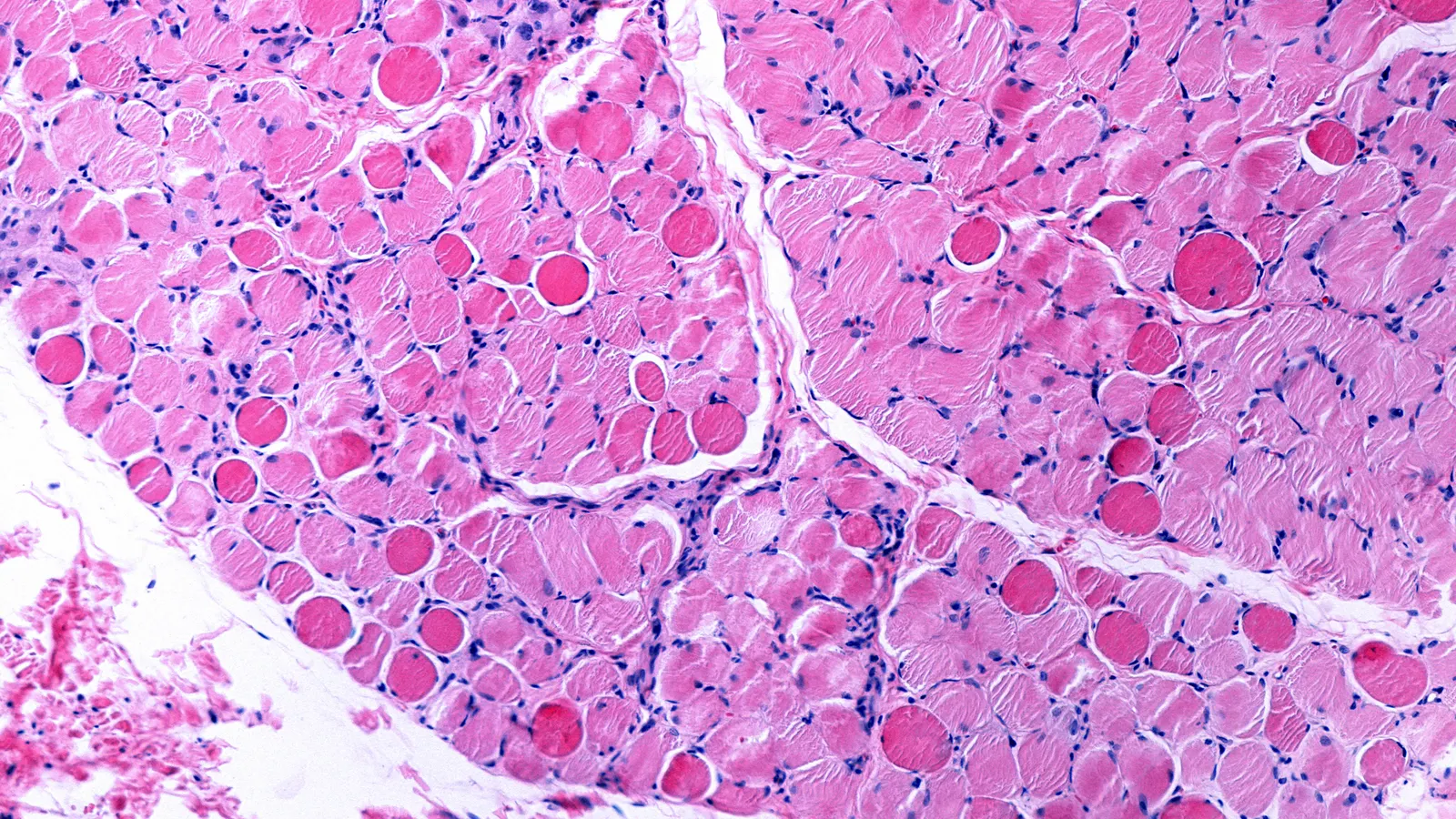
In a closely watched decision that underscores the complex and often contentious landscape of rare disease drug development, an independent advisory committee to the U.S. Food and Drug Administration (FDA) has voted against recommending Capricor Therapeutics’ experimental cell therapy, deramiocel (CAP-1002), for approval in Duchenne muscular dystrophy (DMD)-related cardiomyopathy. The committee’s decisive rejection on Wednesday, following a rigorous and at times acrimonious debate over the therapy’s clinical data and statistical methodology, represents a significant setback for Capricor and highlights the FDA’s ongoing balancing act between scientific rigor and the urgent unmet needs of patients suffering from devastating conditions like DMD.
A Critical Juncture for Duchenne Muscular Dystrophy Treatment
Duchenne muscular dystrophy (DMD) is a devastating, progressive genetic disorder characterized by rapid muscle degeneration and weakness. Primarily affecting boys, DMD is caused by mutations in the dystrophin gene, which is critical for maintaining muscle fiber integrity. As the disease progresses, patients experience severe muscle wasting, leading to loss of ambulation, respiratory failure, and cardiac complications, primarily Duchenne-related cardiomyopathy. This heart condition, which affects nearly all DMD patients, is the leading cause of death, typically occurring in late teens or early twenties, though advancements in care have extended life expectancy for some. With an estimated prevalence of 1 in 3,500 to 5,000 live male births worldwide, DMD presents a profound and urgent unmet medical need. Current treatments, predominantly corticosteroids, aim to slow progression but do not halt the disease, leaving a critical gap for therapies that can preserve muscle function, particularly in the heart.
Capricor Therapeutics developed deramiocel, an allogeneic cardiosphere-derived cell (CDC) therapy, as a potential new treatment. These cells are believed to possess immunomodulatory, anti-inflammatory, and regenerative properties, intended to preserve heart and skeletal muscle function in patients with DMD-related cardiomyopathy. The hope was that deramiocel could offer a novel approach to addressing the cardiac decline that is so central to the disease’s mortality. The advisory committee meeting was convened to scrutinize the efficacy and safety data generated from Capricor’s clinical trials, specifically to determine if the evidence was compelling enough to support regulatory approval.
A Contentious Regulatory History and Shifting Sands at the FDA
The journey to Wednesday’s advisory committee meeting has been anything but smooth, marked by an unusual and protracted regulatory saga that has spanned several years and reflected broader tensions within the FDA and its interactions with developers of rare disease medicines. Historically, public disagreements between the FDA and companies pursuing orphan drug designations have been a recurring "sore spot." These disputes, particularly regarding the interpretation of clinical trial data in small, difficult-to-study patient populations, reportedly contributed to significant internal friction and were even cited as factors in high-profile departures from the agency, including former FDA Commissioner Marty Makary and former Deputy Director Vinay Prasad.
Capricor Therapeutics itself has been a key player in this contentious history. The company had previously claimed to have engaged in extensive dialogue with FDA officials and believed it had achieved alignment on an approval pathway and the necessary data package. However, Capricor was reportedly "blindsided" when the agency subsequently rejected its application, prompting accusations of shifting goalposts and a lack of consistent guidance. This historical context imbued the recent review of deramiocel with additional significance, positioning it as a crucial test case for the FDA’s current approach to assessing therapies for rare, life-threatening conditions, particularly under new leadership.
In the period following these earlier setbacks and leadership changes, the FDA has, in some instances, demonstrated a more accommodating stance. The agency had notably revived the approval chances for multiple drugs it had previously delayed or rejected, including gene therapies for severe conditions like Huntington’s disease (uniQure’s AMT-130) and Hunter syndrome (REGENXBIO’s RGX-121). These developments signaled a potential pivot towards greater flexibility in evaluating innovative therapies for conditions with dire unmet needs. Consequently, the upcoming verdict on Capricor’s treatment was widely seen by industry observers, patient advocates, and even within the agency itself as a potential barometer of the FDA’s evolving decision-making framework and its willingness to embrace complex, sometimes less-than-perfect, data sets for rare diseases.
The Science Under Scrutiny: Conflicting Interpretations of Clinical Data
At the core of the advisory committee’s deliberation was the interpretation of data from Capricor’s HOPE-2 Phase 3 clinical trial. Capricor had previously disseminated positive top-line results, asserting that the late-stage study showed deramiocel helped preserve upper limb function and the heart’s ability to pump blood in treatment recipients. These findings offered a much-needed glimmer of hope for a patient population grappling with relentless disease progression.
However, the regulatory review took a contentious turn even before the public meeting. Prior to the advisory committee convening, FDA scientists released detailed briefing documents that highlighted a significant disparity in data interpretation between the agency and the company. FDA reviewers argued that deramiocel had fundamentally missed its initial Phase 3 study goals and that the benefits Capricor subsequently highlighted were largely "a mirage" created by a post-hoc change in the statistical analysis plan. Such changes, particularly if implemented after a study has been unblinded and preliminary results are known, are a serious concern for regulatory bodies as they can introduce bias, inflate perceived efficacy, and undermine the integrity of the trial’s primary endpoint analysis.
Capricor vehemently countered these assertions. In a robust public statement, the company asserted that FDA staff were relying on an "older, irrelevant analysis" and that the statistical analysis plan it ultimately used was, in fact, finalized before the study was unblinded. This, Capricor argued, maintained the scientific validity and regulatory acceptability of its approach. This fundamental disagreement over statistical methodology formed the bedrock of the ensuing debate, casting a shadow over the interpretation of the HOPE-2 trial’s findings.
Further complicating the narrative, just as the advisory committee meeting commenced, the full results of the HOPE-2 Phase 3 trial were published in the prestigious medical journal The Lancet. The publication, which underwent peer review, described deramiocel’s impact on Duchenne-related cardiomyopathy as "not subtle," seemingly lending some credibility to the therapy’s potential. Yet, paradoxically, the paper also revealed that the treatment had actually missed statistical significance on the very heart benefits Capricor had previously emphasized in its public announcements. This unexpected disclosure, appearing simultaneously with the critical regulatory review, prompted Capricor to issue a rapid clarification in a regulatory filing, acknowledging the nuances and statistical limitations within the published data. The unfortunate timing and the conflicting messages within the publication itself further intensified the scrutiny and skepticism surrounding the therapy’s claims, making the committee’s task even more challenging.
The Advisory Committee Meeting: A Battle of Interpretations
The advisory committee meeting itself transformed into a highly charged forum for this deep-seated scientific and methodological dispute. Capricor executives presented their case with conviction, meticulously detailing deramiocel’s observed effects across multiple measures of muscle function and staunchly defending their chosen analytical approach. They argued that, particularly given the severity of DMD and the high unmet need, the totality of the evidence, even with its complexities, pointed towards a meaningful clinical benefit for patients.
Conversely, FDA reviewers reiterated their concerns, arguing forcefully that the statistical changes employed by Capricor "lack a scientific basis" and, as a result, rendered the findings difficult to interpret with the necessary confidence for regulatory approval. The agency emphasized the paramount importance of pre-specified statistical plans to ensure an unbiased and rigorous evaluation of clinical trial outcomes, especially when dealing with serious conditions and novel, potentially transformative therapies.
The panel members, a diverse group of independent experts in cardiology, biostatistics, rare diseases, and patient advocacy, were visibly grappling with the conflicting narratives and the weight of their decision. They acknowledged the severe unmet need in DMD and the devastating impact of the disease on patients and their families. However, many ultimately found the evidence presented by Capricor to be "fragile" and, as a result, not sufficiently convincing to warrant approval, despite the profound clinical need. The struggle between scientific skepticism and humanitarian urgency was palpable.
Dr. Mladen Vidovich, an interventional cardiologist at UI Health in Chicago and one of the committee members, articulated a sentiment shared by many panelists: "There is just not sufficient evidence for effectiveness, and it’s unfortunate that for such a huge clinical need that we are unable to provide something." Similarly, Dr. John Teerlink, a professor of clinical medicine at the University of California, San Francisco, expressed a deep personal desire for a working treatment for DMD but noted, "Believe me, I really, really want to see something work in this area. And there are some glimpses there. But I would not be able to at this time consider it strong support." These statements reflected a consensus that while the therapy showed "glimpses" of promise, the data did not meet the rigorous evidentiary standards for approval.
The Vote and Its Nuances: A Glimmer of Hope for Upper Limb Function?
The advisory committee’s vote primarily focused on the evidence for deramiocel in Duchenne-related cardiomyopathy, where the majority of panelists concluded the data was insufficient to support approval. This was the primary endpoint initially targeted for the therapy. However, the FDA did appear to leave a potential avenue for a different outcome by specifically encouraging panelists to debate deramiocel’s impact on upper limb function, an important measure of independence and quality of life for DMD patients that can significantly alter daily living.
On this specific endpoint, some advisers felt Capricor had presented a "little more favorable" case, suggesting a stronger signal of efficacy compared to the cardiac outcomes. Christopher Coffey, a professor of biostatistics at the University of Iowa’s College of Public Health, acknowledged this distinction: "The data on that measure were a little more favorable. But I’m not convinced that [deramiocel] works." While this was not a resounding endorsement, this nuanced discussion indicates that future regulatory pathways, potentially focusing on specific functional endpoints rather than broader cardiac benefits, might still be explored by Capricor. This subtle opening could provide a strategic pivot for the company in its ongoing dialogue with the FDA.
Implications for Capricor and the Duchenne Community
For Capricor Therapeutics, the advisory committee’s negative vote is a significant blow, carrying immediate and potentially long-term consequences. While the FDA is not legally bound by advisory committee recommendations, it typically follows them. This decision strongly signals that the agency is likely to issue a complete response letter, effectively denying approval in its current form. This would necessitate Capricor undertaking additional clinical trials or compiling a new, more robust data package, which would entail substantial time, financial investment, and a prolonged delay to market entry. Investor confidence, as reflected in Capricor’s stock performance, would predictably react negatively to such news, reflecting the increased uncertainty surrounding the drug’s future.
For the Duchenne muscular dystrophy patient community, the outcome is undoubtedly disheartening. Families and advocacy groups, who often invest immense hope in promising new therapies, will view this as a missed opportunity in the immediate term, particularly given the severe and progressive nature of DMD. Patient advocates, such as those from Parent Project Muscular Dystrophy and CureDuchenne, frequently stress the importance of regulatory flexibility for rare diseases, where standard clinical trial designs can be challenging to execute due to small patient populations and disease heterogeneity. This decision may lead to renewed calls for clearer, more pragmatic guidelines from the FDA on what constitutes "sufficient evidence" in rare disease populations, especially when dealing with complex data and high unmet needs where every therapeutic advance is critical.
Broader Regulatory Ramifications: A Barometer for Rare Diseases
This decision carries broader implications for the pharmaceutical industry and the FDA’s evolving regulatory approach to rare diseases. It reinforces the agency’s steadfast commitment to robust scientific evidence and rigorous statistical methodology, even in the face of compelling patient needs and the inherent challenges of orphan drug development. While the FDA has shown some signs of increased flexibility in recent years, as evidenced by the revival of other previously stalled rare disease therapies, this case suggests that such flexibility has clear limits, particularly when there are fundamental disagreements over statistical validity and the achievement of pre-specified primary endpoints.
The Capricor case will likely be studied by drug developers and regulatory affairs professionals as a critical precedent for how the FDA navigates the tension between regulatory stringency and the urgent desire for innovative treatments for orphan conditions. It underscores that companies developing rare disease drugs must not only demonstrate clinical benefit but also adhere strictly to pre-specified statistical analysis plans or provide exceptionally clear, scientifically sound, and compelling justifications for any deviations. This decision serves as a powerful reminder that a drug’s therapeutic potential, no matter how promising, can be overshadowed by methodological disputes, even for therapies targeting devastating diseases with no adequate alternatives.
Furthermore, the saga highlights the critical importance of transparent, consistent, and early communication between drug developers and the FDA throughout the entire development process. The "blindsiding" claims and the ongoing disagreements over data interpretation suggest that alignment on statistical approaches, primary endpoints, and acceptable analytical methodologies must be ironclad and continuously affirmed well before a drug ever reaches the advisory committee stage. Proactive engagement and mutual understanding can prevent such public disputes and streamline the review process.
Looking Ahead: The Path Forward for Deramiocel
Despite the advisory committee’s unfavorable recommendation, the story of deramiocel is likely not over. Capricor could still pursue a number of strategic avenues. The company might engage in further intensive dialogue with the FDA to precisely clarify the agency’s specific concerns and explore whether a subset of the data, particularly regarding upper limb function where some committee members saw a "more favorable" signal, could form the basis for a revised application or an accelerated approval pathway. This could involve focusing on a more narrowly defined patient population or endpoint where the data might be considered more robust and less susceptible to statistical challenges.
Alternatively, Capricor could initiate new clinical trials specifically designed to address the FDA’s statistical concerns directly, potentially with a revised primary endpoint and a rigorously pre-specified, agreed-upon analysis plan. Such a path would undoubtedly be lengthy, costly, and require significant additional investment, but it might be deemed necessary to secure eventual approval. The FDA’s final decision, expected in the coming months, will provide further clarity on the immediate future of deramiocel and will undoubtedly be closely watched by the rare disease community and the pharmaceutical industry alike. The complex interplay of scientific evidence, regulatory interpretation, and patient advocacy will continue to shape the landscape of drug development for the most challenging diseases, striving to bring innovative therapies to those who need them most, while upholding the highest standards of safety and efficacy.
