
 By Nana O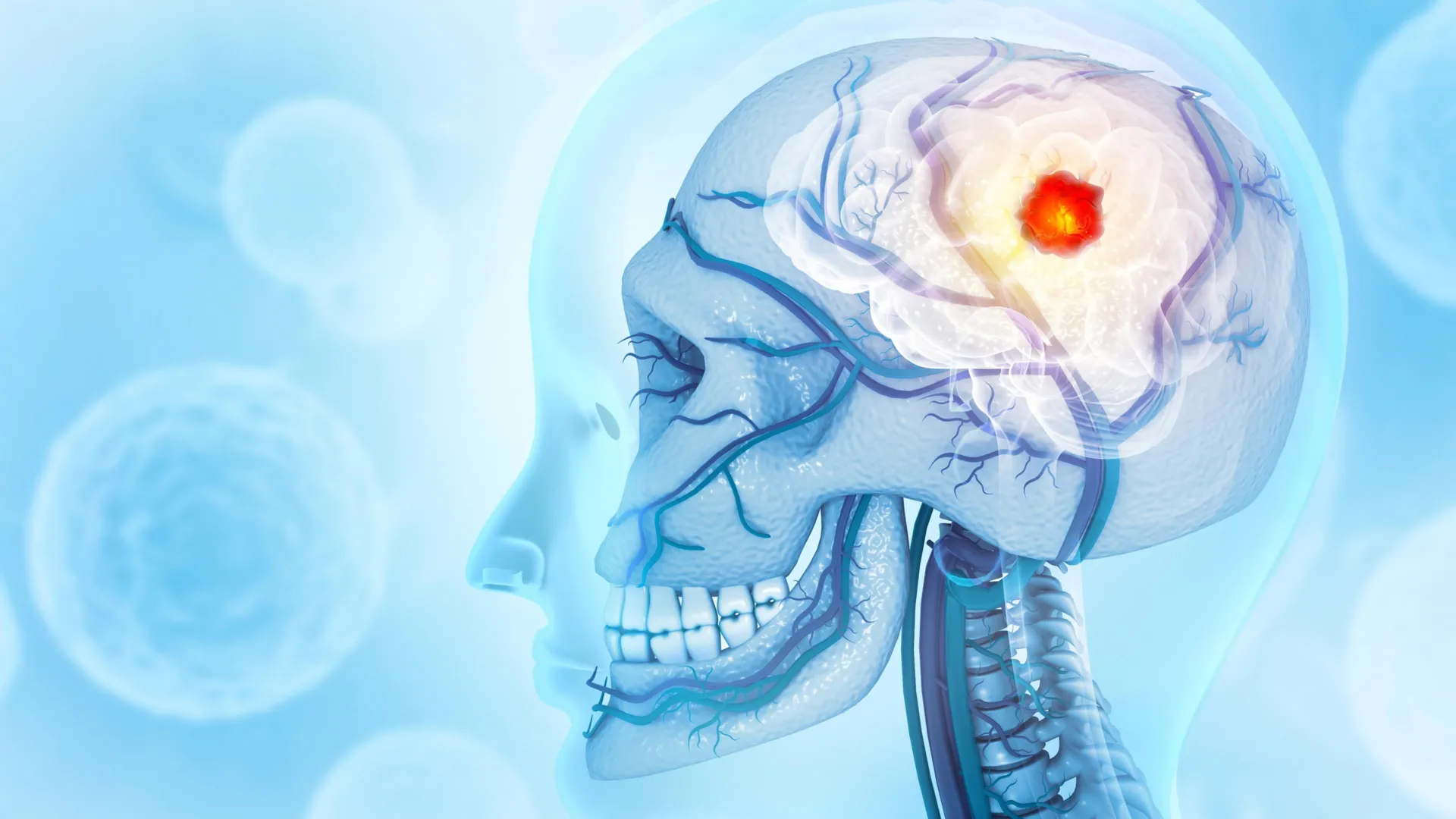
Researchers at the Montefiore Einstein Comprehensive Cancer Center (MECCC) and Albert Einstein College of Medicine have unveiled groundbreaking findings that fundamentally challenge the long-held understanding of glioblastoma, the most aggressive and lethal form of brain cancer. Contrary to the prevailing view of glioblastoma as a localized threat confined to brain tissue, this new research demonstrates that the malignancy actively invades and disrupts the skull, alters the crucial immune cell composition within the skull’s bone marrow, and consequently, throws the body’s intricate immune system into disarray. These revelations, published on October 3 in the prestigious journal Nature Neuroscience, carry profound implications for current treatment paradigms, even suggesting that medications designed to preserve bone health could paradoxically exacerbate the disease’s progression.
The study, spearheaded by Jinan Behnan, Ph.D., assistant professor in the Leo M. Davidoff Department of Neurological Surgery and the department of microbiology & immunology at Einstein and a member of the NCI-designated MECCC, posits that glioblastoma’s interaction with the body’s immune system, extending beyond the brain itself, may be a key factor in the historical failure of existing therapies. "Our discovery that this notoriously hard-to-treat brain cancer interacts with the body’s immune system may help explain why current therapies — all of them dealing with glioblastoma as a local disease — have failed, and it will hopefully lead to better treatment strategies," Dr. Behnan stated, highlighting the potential paradigm shift this research offers.
Glioblastoma: A Systemic Threat Beyond the Brain
Glioblastoma remains a formidable challenge in oncology. In the United States alone, the National Cancer Institute (NCI) estimates that approximately 15,000 individuals are diagnosed with this devastating disease each year. Despite aggressive multidisciplinary treatment regimens, which typically include surgical resection, chemotherapy, and radiation therapy, the median survival time for patients remains starkly low, hovering around 15 months. This grim prognosis underscores the urgent need for novel therapeutic approaches and a deeper understanding of glioblastoma’s complex biology.
The conventional approach to treating glioblastoma has largely focused on eradicating the tumor within the brain parenchyma. However, the findings from MECCC and Einstein paint a picture of a far more insidious and systemic disease. The research team’s exploration into the skull’s role in glioblastoma progression began with a fundamental curiosity about the interconnectedness of the skull and the brain.
A Matter of Marrow: Unveiling the Skull’s Immune Role
Like all bones in the human body, the skull harbors bone marrow, a vital hematopoietic organ responsible for producing a diverse array of immune cells and other blood components. Recent scientific advancements have illuminated the existence of remarkably fine channels that traverse the skull, establishing a direct conduit between the cranial bones and the brain. These intricate vascular and cellular pathways facilitate the bidirectional exchange of molecules and immune cells, suggesting a level of interaction previously unappreciated in the context of brain tumors.
Dr. Behnan’s team leveraged state-of-the-art imaging technologies to meticulously examine mice engineered to develop two distinct types of glioblastoma. Their observations were striking: the cancer induced significant erosion of the skull bones, with a particular predilection for the sutures – the fibrous joints where cranial bones fuse. This localized bone loss was not a generalized phenomenon; it appeared to be a specific consequence of glioblastoma and other aggressive brain malignancies, as it was not observed in mice experiencing strokes, other forms of brain injury, or cancers located elsewhere in the body. Crucially, the researchers corroborated these findings in human patients. CT scans of individuals diagnosed with glioblastoma revealed a discernible reduction in skull thickness in precisely the same anatomical regions that exhibited erosion in the animal models.
The erosion of skull bone, as observed in the mouse models, had a direct impact on the micro-architecture of the skull. The researchers noted an increase in both the number and the diameter of the channels connecting the skull and the brain. This physical alteration led the scientists to hypothesize that these enlarged conduits could serve as a highway for the tumor to disseminate molecular signals into the skull marrow. Such signaling, they proposed, would inevitably alter the delicate immune microenvironment within the marrow, potentially fostering a more permissive environment for tumor growth and progression.
A Tilt Toward Inflammation: Reshaping the Immune Landscape
To decipher the precise immunological changes occurring within the skull marrow, the researchers employed sophisticated single-cell RNA sequencing techniques. This advanced methodology allowed them to dissect the cellular composition and gene expression profiles of the marrow with unprecedented resolution. The results revealed a dramatic and concerning shift in the immune-cell balance within the skull marrow, heavily skewed towards pro-inflammatory myeloid cells.
Specifically, the study found that glioblastoma nearly doubled the levels of inflammatory neutrophils, a type of white blood cell crucial for the initial response to infection and inflammation. Concurrently, the cancer led to a near-complete eradication of several key types of antibody-producing B cells, as well as other B cell populations. B cells are essential for adaptive immunity, playing a critical role in recognizing and neutralizing pathogens. Their depletion, coupled with an influx of pro-inflammatory neutrophils, suggests a profound dysregulation of the immune system within the skull.
"The skull-to-brain channels allow an influx of these numerous pro-inflammatory cells from the skull marrow to the tumor, rendering the glioblastoma increasingly aggressive and, all too often, untreatable," explained E. Richard Stanley, Ph.D., a co-author of the study and professor of developmental and molecular biology at Einstein. "This indicates the need for treatments that restore the normal balance of immune cells in the skull marrow of people with glioblastoma. One strategy would be suppressing the production of pro-inflammatory neutrophils and monocytes while at the same time restoring the production of T and B cells."
Further reinforcing the notion that glioblastoma operates as a systemic disease rather than a purely local one, the researchers observed differential responses between the skull marrow and other bony sites, such as the femur. While glioblastoma activated genes in the skull marrow that promoted the production of inflammatory immune cells, the cancer’s influence on femur marrow was diametrically opposed, suppressing genes essential for the generation of various immune cell types. This differential impact highlights the multifaceted and geographically specific nature of glioblastoma’s systemic effects.
The Paradox of Osteoporosis Medications
Intrigued by the observed bone erosion, the researchers explored the potential impact of anti-osteoporosis medications, drugs commonly prescribed to prevent bone loss, on glioblastoma progression. They hypothesized that these medications might mitigate the skull erosion induced by the tumor, and in doing so, potentially influence the disease’s course.
To test this hypothesis, mice bearing glioblastoma tumors were administered two different drugs approved by the U.S. Food and Drug Administration (FDA) for treating osteoporosis: zoledronic acid and denosumab. The results were complex and highlighted a potential therapeutic pitfall. Both drugs effectively halted the skull erosion. However, in one specific type of glioblastoma tested, zoledronic acid not only prevented bone loss but also appeared to accelerate tumor progression. Furthermore, both osteoporosis medications demonstrated an antagonistic effect on the efficacy of anti-PD-L1, a promising immunotherapy drug that works by augmenting the activity of tumor-fighting T cells. This finding suggests that interventions aimed at bone health could inadvertently compromise the effectiveness of existing and emerging cancer therapies.
The implications of these findings are far-reaching. They suggest that the skull is not merely an inert casing for the brain but an active participant in the glioblastoma microenvironment, profoundly influencing the immune response. The disruption of skull bone and the subsequent alteration of the skull marrow’s immune landscape create a pro-tumorigenic environment that may contribute significantly to the treatment resistance and poor outcomes associated with glioblastoma.
Broader Impact and Future Directions
The study, titled "Brain Tumors Induce Widespread Disruption of Calvarial Bone and Alteration of Skull Marrow Immune Landscape," represents a significant leap forward in understanding glioblastoma. It opens up new avenues for therapeutic intervention, shifting the focus from solely targeting the brain tumor to also addressing the systemic immune dysregulation it orchestrates.
The identification of specific immune cell populations that are imbalanced in the skull marrow – namely, the overabundance of pro-inflammatory neutrophils and the depletion of B cells – provides concrete targets for future drug development. Strategies aimed at restoring a balanced immune milieu within the skull marrow, perhaps by suppressing neutrophil production or promoting B cell reconstitution, could represent a novel therapeutic paradigm.
Furthermore, the unexpected interaction between osteoporosis medications and glioblastoma warrants careful consideration. This discovery underscores the importance of a holistic approach to cancer treatment, where interventions for co-existing conditions are evaluated not only for their primary therapeutic benefit but also for their potential impact on cancer biology and response to therapy. Future research will likely focus on understanding the precise molecular mechanisms by which zoledronic acid and denosumab influence tumor progression and immunotherapy efficacy.
The collaborative nature of this research, involving authors from MECCC and Einstein, as well as international institutions including Osaka University in Japan, Karolinska Hospital in Sweden, Duke University Medical Center in North Carolina, the University of California, San Francisco, and the German Rheumatism Research Center, highlights the global effort to combat glioblastoma. This multidisciplinary approach, integrating expertise in neurosurgery, immunology, molecular biology, and imaging, is essential for tackling complex diseases like glioblastoma.
The path forward involves validating these findings in larger human cohorts and exploring the clinical feasibility of targeting the skull’s immune microenvironment. Developing treatments that can rebalance the skull marrow’s immune landscape, while simultaneously managing the primary brain tumor, could offer a renewed hope for patients battling this devastating form of cancer. The research serves as a powerful reminder that the body’s systems are intricately interconnected, and that understanding these complex relationships is key to unlocking more effective therapeutic strategies.
