
 By admin
The intense rivalry between pharmaceutical giants Novo Nordisk and Eli Lilly in the burgeoning market for GLP-1 (glucagon-like peptide-1) medicines has seen a significant shift, with recent developments favoring the Indianapolis-based Eli Lilly. Novo Nordisk, the Danish drugmaker that pioneered the GLP-1 class, reported a dual blow this week: a research disappointment concerning its next-generation obesity treatment, CagriSema, and a miss on sales expectations for its oral Wegovy pill. In stark contrast, Eli Lilly’s formidable injectable franchise, including its blockbuster drugs Mounjaro and Zepbound, once again surpassed analyst expectations, solidifying its dominant position and further boosting investor confidence, propelling its stock value past the trillion-dollar mark.
Novo Nordisk’s Recent Challenges: A Double Setback
Novo Nordisk, long seen as the undisputed leader in the GLP-1 space with its diabetes drug Ozempic and obesity treatment Wegovy, is navigating a challenging period marked by pipeline hurdles and competitive pressures. The company’s recent announcements highlighted two critical areas where it fell short of market expectations, leading to a notable dip in its share price.
The first setback emerged from the so-called Reimagine 4 trial, a study evaluating CagriSema, Novo Nordisk’s experimental next-generation weekly injectable designed for weight management. CagriSema combines semaglutide (the active ingredient in Ozempic and Wegovy) with cagrilintide, an amylin analogue. The aim of this combination is to provide enhanced weight loss and metabolic benefits beyond semaglutide alone, potentially offering a more potent alternative to existing treatments. However, the trial delivered what the company described as "mixed results," disappointing investors who had high hopes for its potential to compete more directly with Eli Lilly’s dual-agonist drugs like tirzepatide (Mounjaro/Zepbound). While specific detailed outcomes of the Reimagine 4 trial were not fully elaborated in the initial announcement, the market reaction suggested that the results were not as overwhelmingly positive as desired, casting a shadow over Novo Nordisk’s efforts to diversify and enhance its obesity pipeline. This mixed outcome is particularly critical as Eli Lilly’s Zepbound, a dual GIP/GLP-1 agonist, has consistently demonstrated superior weight loss efficacy in head-to-head comparisons against semaglutide in previous studies, setting a high bar for new entrants.
Compounding this research disappointment was a miss in sales for Novo Nordisk’s oral formulation of Wegovy. The Wegovy pill, designed to offer a convenient alternative to injectables, had been an area where Novo Nordisk initially showed a significant lead over Eli Lilly. It received regulatory approval and commenced its launch ahead of Lilly’s oral offering, Foundayo (also an oral tirzepatide formulation). Early launch metrics indicated a faster uptake for Novo’s oral drug, signaling a potential edge in the oral segment of the obesity market. However, in the second quarter, the Wegovy pill recorded sales of 3.2 billion Danish kroner, approximately $494 million. This figure fell short of analyst expectations, which had projected sales closer to 3.6 billion kroner (approximately $550 million). The shortfall, though seemingly modest in isolation, was enough to rattle investors, contributing to a 6% decline in Novo Nordisk’s shares on Tuesday before a partial recovery the following day. This miss suggests that while the convenience of an oral pill is attractive, challenges related to patient adherence, absorption variability, or perhaps even the cost and reimbursement landscape might be impacting its trajectory more than initially anticipated.
Eli Lilly’s Unstoppable Momentum: The Injectable Powerhouse
In stark contrast to Novo Nordisk’s recent struggles, Eli Lilly continues to ride a wave of unprecedented success, driven largely by its highly effective injectable GLP-1 and dual-agonist medications. The company’s injectable franchise, spearheaded by tirzepatide, marketed as Mounjaro for type 2 diabetes and Zepbound for chronic weight management, has consistently exceeded even the most optimistic analyst predictions.
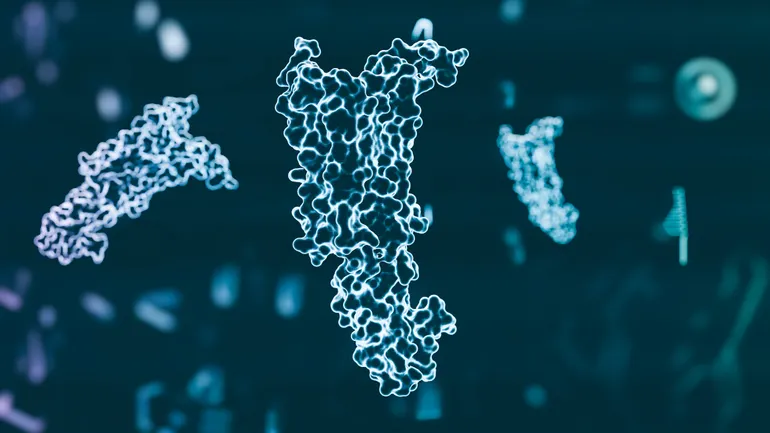
Eli Lilly’s strategy has been to leverage the superior efficacy of tirzepatide, a first-in-class GIP (glucose-dependent insulinotropic polypeptide) and GLP-1 receptor agonist. This dual-action mechanism is believed to offer enhanced benefits for both glycemic control and weight reduction compared to single-agonist GLP-1 drugs. Clinical trials have repeatedly demonstrated tirzepatide’s ability to achieve greater average weight loss percentages and superior glycemic control compared to semaglutide. This clinical edge has translated directly into market dominance, with Zepbound rapidly gaining market share since its launch and Mounjaro maintaining its strong position in the diabetes treatment landscape. The consistent outperformance of Lilly’s injectable drugs has been the primary driver behind the company’s remarkable financial growth and its soaring stock valuation.
Even in the oral segment, where Lilly is a relative newcomer, investor reaction to its performance was notably different. Foundayo, Lilly’s oral tirzepatide formulation, also reported sales below Wall Street’s consensus estimates for the quarter, coming in at $98 million against an expected $104 million. However, unlike Novo Nordisk’s stock plunge, investors remained largely unperturbed by this miss, sending shares of the Indianapolis-based drugmaker 2% higher in early trading on Wednesday. This disparity in market reaction can be attributed to several factors. Firstly, expectations for Lilly’s oral offering might have been inherently lower, given its later entry into the oral GLP-1 market and the company’s clear focus on its injectable blockbusters. Secondly, the sheer scale of success and the consistent overperformance of Mounjaro and Zepbound likely overshadowed any minor disappointment in the oral segment, reinforcing overall investor confidence in Lilly’s robust portfolio and future growth trajectory. The market’s implicit message was clear: Lilly’s core strengths lie in its highly efficacious injectables, and minor hiccups in emerging segments are not enough to derail its overall momentum.
Market Dynamics and the Battle for Supremacy
The competition between Novo Nordisk and Eli Lilly is more than just a corporate rivalry; it represents a pivotal moment in pharmaceutical history, shaping the future of metabolic disease treatment. The GLP-1 market, encompassing treatments for type 2 diabetes, obesity, and increasingly, cardiovascular and renal benefits, is projected to reach hundreds of billions of dollars annually in the coming decade. This massive market potential fuels the intense innovation and aggressive strategies employed by both companies.
Novo Nordisk’s historical dominance began with Ozempic, which quickly became a household name for diabetes, followed by Wegovy’s pioneering role in obesity treatment. The company effectively created and expanded the modern medical obesity market, addressing a significant unmet need. However, Eli Lilly’s entry with tirzepatide fundamentally altered the competitive landscape. Lilly’s dual-agonist approach offered a significant leap in efficacy, particularly for weight loss, positioning its products as a new benchmark.
Manufacturing and supply chain capabilities have also played a crucial role in this ongoing battle. Both companies have faced unprecedented demand for their GLP-1 drugs, leading to intermittent supply shortages. The ability to scale up production and ensure consistent availability is a critical factor in capturing and retaining market share. Both firms have invested billions in expanding manufacturing capacity globally, recognizing that production bottlenecks can severely limit sales growth, regardless of a drug’s efficacy.
Pricing and reimbursement also remain complex variables. The high cost of these innovative therapies, often exceeding $1,000 per month without insurance, presents significant access challenges. While efficacy drives demand, the extent of insurance coverage and the willingness of healthcare systems to bear these costs will ultimately determine the broad market penetration and long-term financial success of these drugs. Both companies are actively engaged in discussions with payers to expand coverage, a process that is often slow and contentious.
Financial Outlook and Investor Sentiment

Despite the contrasting recent performances, both Novo Nordisk and Eli Lilly have raised their revenue estimates for the year, signaling robust underlying demand for their products.
Novo Nordisk, despite its recent setbacks, demonstrated resilience by revising its adjusted sales forecast. The company now anticipates its adjusted sales at constant currency exchange rates to either remain flat or experience a decline of up to 6% this year. This marks an improvement from its previous estimate, which had projected a decline of between 4% and 12%. This upward revision, even amidst specific product disappointments, suggests that other parts of Novo Nordisk’s portfolio, or perhaps a more optimistic outlook on the broader GLP-1 market demand, are contributing positively to its overall financial trajectory. It also indicates that the company’s initial guidance might have been conservative, accounting for potential supply constraints or competitive pressures.
Eli Lilly, building on its consistent overperformance, provided an even more bullish outlook. The company now expects its annual revenue to reach between $85 billion and $87 billion for the year, a significant increase from its earlier estimate of $82 billion to $85 billion. This substantial upward revision underscores the extraordinary growth trajectory driven primarily by the strong sales of Mounjaro and Zepbound. The market’s reaction, with Lilly’s stock gaining 2% after its earnings report, clearly reflects investor confidence in the company’s continued growth and its strategic positioning in the high-growth metabolic disease market.
Broader Implications and Future Outlook
The current dynamics between Novo Nordisk and Eli Lilly have significant implications for the broader pharmaceutical industry and the future of metabolic health.
For Novo Nordisk, the challenge is clear: it must innovate rapidly to maintain its competitive edge and diversify its pipeline beyond semaglutide. The mixed results for CagriSema highlight the difficulties in developing a "next-generation" therapy that can significantly surpass existing high-efficacy treatments. The company’s focus on higher-dose Wegovy and refining its oral formulations indicates a multi-pronged approach to solidify its market position, but the path forward appears more arduous than initially perceived. Novo Nordisk also has other drugs in its pipeline, including potential treatments for cardiovascular diseases, but the market’s attention remains firmly on its obesity and diabetes offerings.
For Eli Lilly, the task is to sustain its current momentum, expand indications for tirzepatide (e.g., into heart failure with preserved ejection fraction, sleep apnea), and manage the enormous logistical challenge of scaling production to meet global demand. Lilly’s success has also spurred other pharmaceutical companies, such as Pfizer and Amgen, to accelerate their own GLP-1 development programs, promising even more intense competition in the long run.
Ultimately, the beneficiaries of this intense competition are the patients. The rapid pace of innovation is leading to more effective and potentially more convenient treatment options for obesity and type 2 diabetes, conditions that affect hundreds of millions globally. As research progresses, the understanding of GLP-1 and related hormone pathways continues to deepen, opening avenues for even more targeted and comprehensive therapies. The race for supremacy between Novo Nordisk and Eli Lilly is not just about market share and stock prices; it’s about defining the future of metabolic medicine. While Novo Nordisk faces a period of introspection and strategic adjustment, Eli Lilly currently holds a commanding lead, setting the pace for a transformative era in healthcare. The coming quarters will reveal whether Novo Nordisk can regain its footing and mount a significant challenge, or if Eli Lilly will solidify its position as the undisputed leader in this lucrative and critically important therapeutic area.
