
 By admin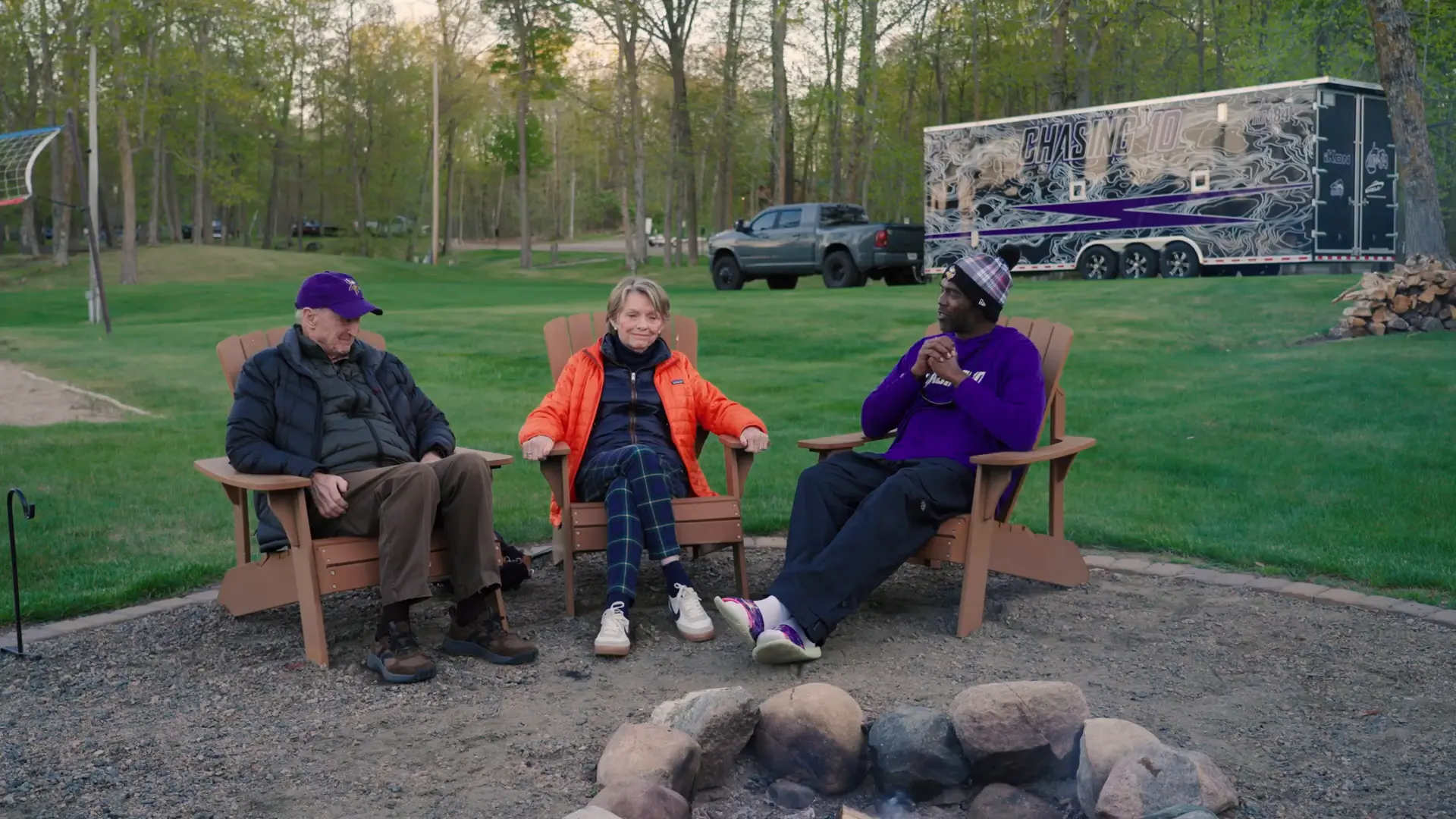
The intersection of professional sports and philanthropy often highlights high-profile donations and star-studded galas, but for NFL Hall of Famer Randy Moss, a recent deep dive into the history of the Children’s Cancer Research Fund (CCRF) revealed a foundation built on a much more modest, yet profoundly significant, act of sacrifice. During a recent episode of "Chasing10," a digital series focused on highlighting the human stories behind medical advocacy, Moss met with the family of Katie Hageboeck, the young girl whose final wish in 1979 became the catalyst for one of the nation’s most influential pediatric cancer organizations. This meeting serves as a poignant reminder of how grassroots initiatives, born from personal tragedy, can evolve into institutional powerhouses that shift the trajectory of medical science.
The Genesis of a Movement: The 1979 Hageboeck Donation
In 1979, the landscape of pediatric oncology was vastly different from today. Survival rates for childhood leukemia were significantly lower, and the psychological burden on families was compounded by a lack of specialized support systems. It was in this environment that 13-year-old Katie Hageboeck was diagnosed with leukemia. The severity of her condition was immediately apparent to the medical staff at the University of Minnesota. Her mother, Diana Hageboeck, recalled that Katie presented with the highest white blood cell count the university’s specialists had ever recorded at that time, signaling an aggressive and advanced stage of the disease.
Despite the physical toll of her treatment and the grim prognosis, Katie’s focus shifted outward. She had been diligently saving money for a specific goal: a red 10-speed bicycle. In the late 1970s, such a purchase represented a significant milestone of independence for a teenager. However, as her illness progressed, Katie made a decision that would redefine her family’s legacy. She chose to donate her entire savings—exactly $141—to a fledgling fund dedicated to researching the very disease that was taking her life.
While $141 may seem like a modest sum by modern standards, its value in 1979 (equivalent to approximately $600 today) was secondary to its symbolic weight. This single act of altruism provided the seed capital for what would eventually become the Children’s Cancer Research Fund. The donation was not merely a financial contribution; it was a directive to the medical community to prioritize the lives of children who, like Katie, were facing battles they were not yet equipped to win.
The Evolution of Children’s Cancer Research Fund
From that initial $141 gift, the Children’s Cancer Research Fund has grown into a national leader in the philanthropic sector, having raised over $500 million since its inception. The organization’s growth mirrors the broader advancements in pediatric oncology over the last four decades. In the years following Katie’s passing, her parents and a group of dedicated supporters worked to ensure that her contribution was not an end, but a beginning.
The CCRF’s primary mission has been to bridge the "funding gap" in pediatric research. Historically, childhood cancer research has received a disproportionately small fraction of federal funding compared to adult cancers. By focusing on innovative, high-risk, high-reward research that might otherwise struggle to secure government grants, CCRF has played a pivotal role in several major breakthroughs.
The organization’s partnership with the University of Minnesota’s Masonic Cancer Center has been particularly fruitful. The funds raised by CCRF have supported pioneers in bone marrow transplantation, immunotherapy, and genetic sequencing. These advancements have contributed to the dramatic rise in survival rates for certain pediatric cancers. For example, the five-year survival rate for Acute Lymphoblastic Leukemia (ALL)—the most common type of childhood cancer—has risen from less than 10% in the 1960s to over 90% today.
Randy Moss and the Chasing10 Initiative
Randy Moss’s involvement with CCRF through the "Chasing10" series marks a new chapter in the organization’s efforts to engage a broader public audience. Moss, known for his record-breaking career as a wide receiver and his subsequent role as a sports analyst, has increasingly utilized his platform to advocate for social and health-related causes.
In the episode, Moss sat down with Diana Hageboeck to trace the lineage of the organization back to Katie’s red bicycle. The emotional weight of the story clearly resonated with the athlete, who has often spoken about the importance of teamwork and community support. Upon hearing the details of Katie’s life and her final gift, Moss expressed a deep sense of commitment to the cause.
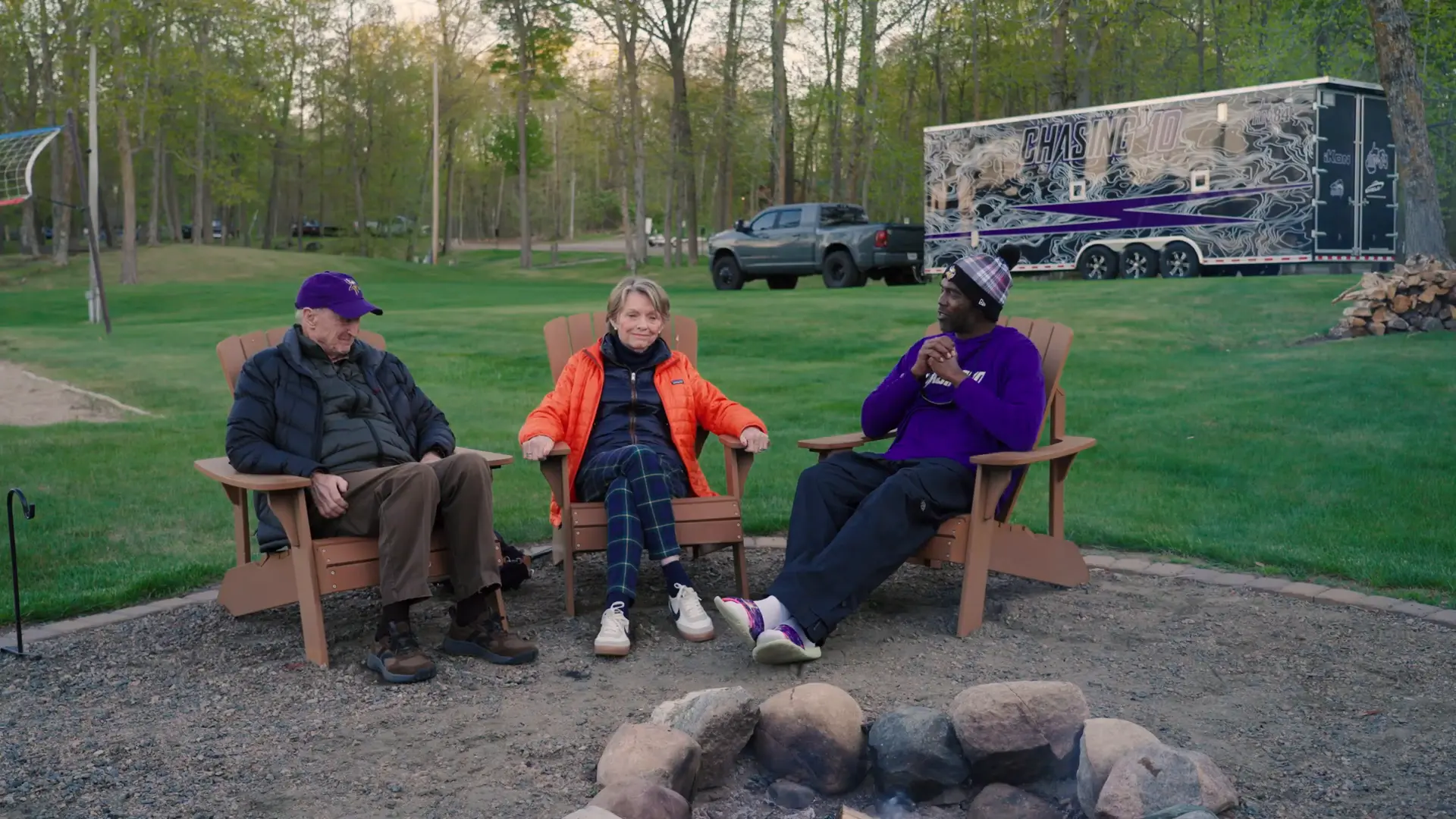
"We’re not just chasing 10. We are chasing a cure. I’m part of this team now," Moss stated during the interview. His involvement is seen by many as a strategic boost for CCRF, as celebrity advocates bring a level of visibility that can catalyze large-scale fundraising efforts and inspire a new generation of donors. For Diana Hageboeck, the fact that a sports icon like Moss would find inspiration in her daughter’s story 45 years later is a testament to the enduring power of Katie’s spirit.
Data and Trends in Pediatric Oncology Funding
The necessity of organizations like CCRF is underscored by current data regarding medical research expenditures. According to the National Cancer Institute (NCI), while cancer remains the leading cause of death by disease among children in the United States, only about 4% of the federal budget for cancer research is specifically allocated to pediatric cases. This disparity places a heavy reliance on private philanthropy to drive innovation.
The impact of private funding is evident in the development of "precision medicine." Because children’s bodies are still developing, traditional treatments like radiation and high-dose chemotherapy can leave survivors with lifelong health complications, including secondary cancers, heart disease, and cognitive impairments. CCRF-funded research is currently focusing on "targeted therapies" that attack cancer cells while sparing healthy tissue, aiming not just for survival, but for a high quality of life post-treatment.
Furthermore, CCRF has expanded its scope to include "survivorship" programs. As survival rates improve, the population of childhood cancer survivors continues to grow. Data suggests that by age 50, more than 99% of childhood cancer survivors will have a chronic health problem related to their original treatment. CCRF’s investment in long-term follow-up studies is crucial for developing protocols that mitigate these late effects.
The Role of Grassroots Philanthropy in Modern Science
The story of Katie Hageboeck provides a case study in the "multiplier effect" of grassroots philanthropy. When a community rallies around a singular, relatable story—such as a girl giving up her bike money—it creates a level of emotional engagement that institutional fundraising often lacks. This engagement leads to sustained giving, which in turn allows research institutions to plan long-term projects that can take decades to bear fruit.
Experts in the field of non-profit management point out that the success of CCRF lies in its ability to maintain the "human element" of its mission while scaling its operations. By keeping Katie’s story at the forefront, the organization reminds donors that behind every data point and clinical trial is a child with dreams and a family seeking hope.
The interaction between Randy Moss and Diana Hageboeck also highlights the importance of "legacy stewardship." Diana’s role in sharing Katie’s story ensures that the original intent of the $141 gift—to help kids like her—remains the North Star for the organization. "Wouldn’t Katie love to know how everyone has bonded just because she gave her bike money," Diana remarked to Moss, emphasizing that the community created by the fund is as much a part of the legacy as the medical research itself.
Future Implications and the Path to a Cure
Looking forward, the Children’s Cancer Research Fund is positioned to tackle the remaining challenges in the field. While survival rates for some cancers have skyrocketed, others, such as certain types of brain tumors (DIPG) and sarcomas, remain stubbornly difficult to treat, with survival rates that have not significantly improved in decades.
The infusion of new energy from advocates like Randy Moss is expected to help CCRF expand its national reach, funding more clinical trials and providing more "hardship grants" to families struggling with the hidden costs of cancer treatment, such as travel and lodging.
The transition from a $141 donation to a multi-million dollar research engine is more than just a success story for a non-profit; it is a blueprint for how individual compassion can be institutionalized to solve global problems. Katie Hageboeck never got her red 10-speed bicycle, but the wheels she set in motion have traveled much further than any bike ever could. Her legacy continues to live on in every child who rings the "end of treatment" bell and in every researcher who discovers a new way to fight the disease. As the CCRF continues its mission, the focus remains clear: a future where no child has to sacrifice their dreams to cancer.
