
 By admin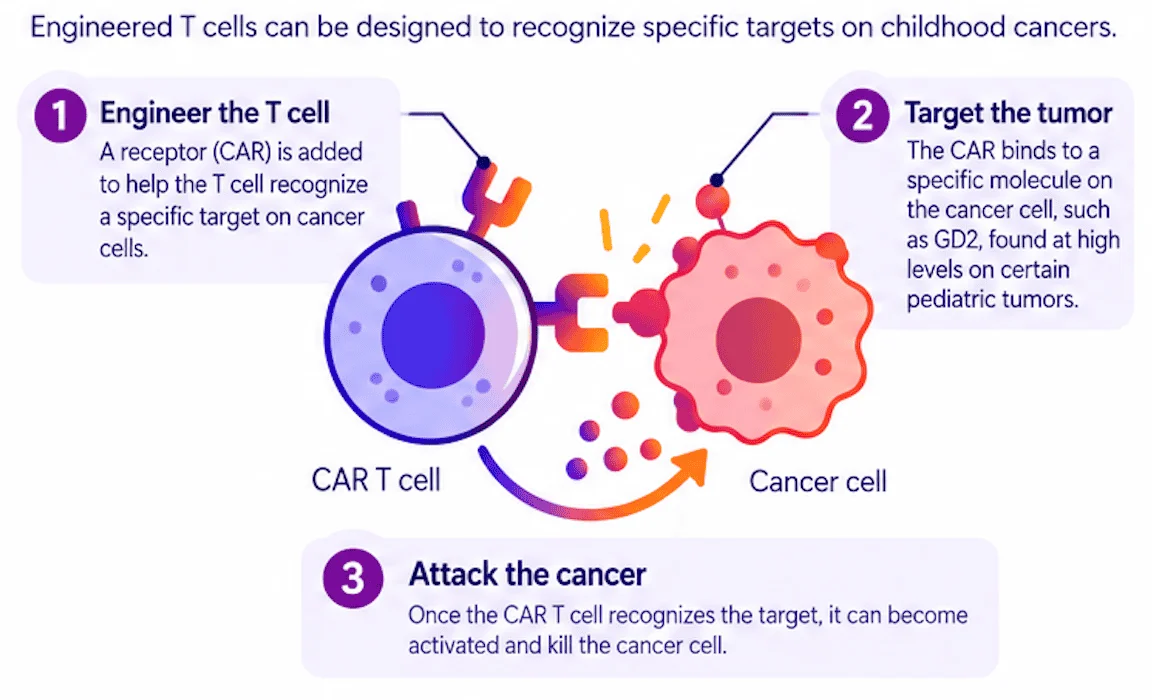
Over the past several decades, the landscape of childhood cancer treatment has undergone a dramatic transformation, leading to significantly improved outcomes for countless young patients. Today, a substantial majority of children diagnosed with cancer will survive their disease, a testament to relentless scientific inquiry and clinical innovation. However, this progress, while remarkable, does not encompass the full narrative of pediatric oncology. A significant subset of childhood cancers continues to pose formidable challenges, resisting conventional therapies and leaving many families grappling with limited options. Even for those who achieve remission, the intensive nature of current treatments—often involving aggressive chemotherapy, radiation, and surgery—can inflict lasting health effects that persist for decades, impacting quality of life long after the cancer is gone. Furthermore, the groundbreaking advancements that have redefined cancer treatment for adults cannot simply be transplanted to pediatric populations, underscoring a fundamental biological divergence between adult and childhood malignancies.
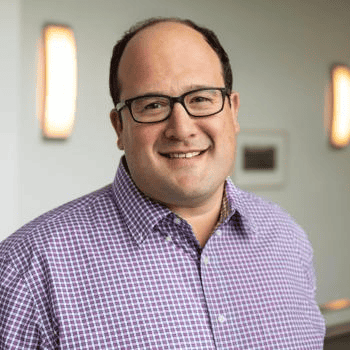
Childhood cancers are not merely adult cancers occurring in younger individuals; their underlying biology is distinct and often more complex. Recognizing this crucial difference, organizations like the Cancer Research Institute (CRI) are championing research into novel, pediatric-specific approaches. In observance of Childhood Cancer Awareness Month, the CRI recently highlighted the pivotal work of Dr. Robbie Majzner, MD, a distinguished pediatric oncologist, physician-scientist, and a CRI Lloyd J. Old STAR. Dr. Majzner’s pioneering research endeavors are focused on harnessing the power of immunotherapy to address some of the most profound challenges in treating childhood cancers, paving the way for more effective and less toxic interventions.
The Unique Biology of Childhood Cancers: A Different Pathogenesis
To comprehend why adult cancer treatments often fall short for children, it is essential to understand the inherent differences in cancer pathogenesis. Childhood cancer is not a monolithic disease; it encompasses a diverse spectrum of malignancies, including leukemias, brain tumors, neuroblastomas, kidney tumors, sarcomas, and numerous other rare types, some of which affect only a handful of children each year. This inherent diversity, coupled with unique biological drivers, sets pediatric cancers apart.
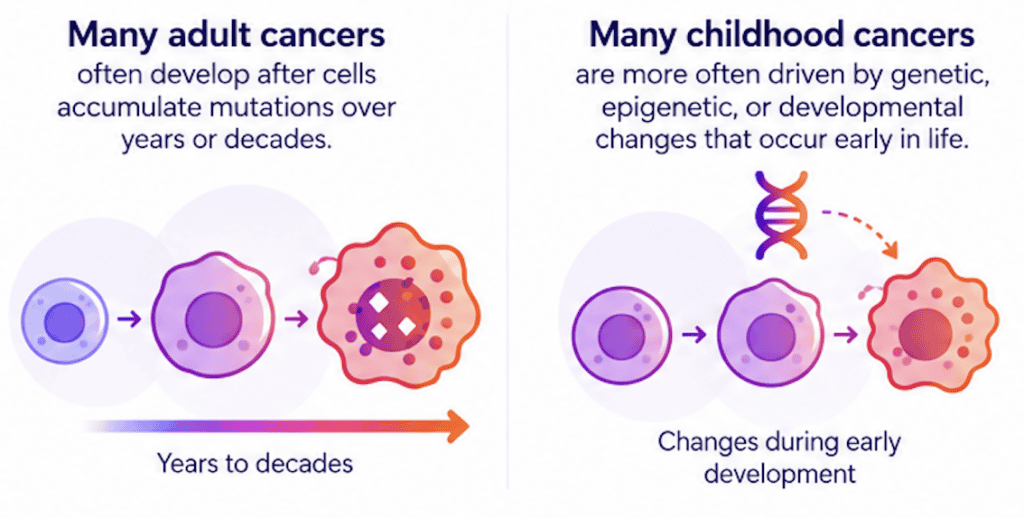
Unlike many adult cancers, which frequently arise from the accumulation of genetic mutations over years or decades due to environmental exposures, lifestyle factors, and the natural aging process, childhood cancers are more often rooted in genetic, epigenetic, or developmental abnormalities. As Dr. Majzner elucidates, many pediatric cancers are fundamentally "a product of aberrant development"—a critical error occurring as cells navigate their normal developmental pathways. This means that instead of a gradual accumulation of damage, these cancers often originate from errors in the intricate processes of cell differentiation and growth during early life. For instance, some pediatric brain tumors like diffuse midline glioma (DMG) are driven by specific histone mutations that alter gene expression patterns crucial for development, rather than widespread somatic mutations typically seen in adult solid tumors. This low mutational burden, a hallmark of many pediatric cancers, presents a distinct challenge for immunotherapies that rely on the immune system recognizing numerous "neoantigens" (new proteins) created by these mutations.
The remarkable diversity within childhood cancers further complicates treatment development. A leukemia, for example, is profoundly different from a brain tumor or a sarcoma, not just in its location but in its cellular origin, genetic landscape, and metastatic potential. Even within categories, such as acute lymphoblastic leukemia (ALL) or neuroblastoma, there are multiple distinct subtypes requiring tailored therapeutic strategies. This combination of unique developmental biology, vast diversity, and the relatively small patient populations for individual cancer types creates significant hurdles for drug development, clinical trials, and ultimately, effective treatment.
The Immunological Divide: Why Adult Immunotherapies Differ in Children
The advent of immunotherapy has revolutionized adult oncology, offering unprecedented hope for patients with previously intractable cancers. Immune checkpoint inhibitors, such as those targeting PD-1/PD-L1 or CTLA-4, have transformed treatment paradigms for melanoma, lung cancer, and several other adult malignancies. These therapies function by lifting the "brakes" that suppress T cells, thereby unleashing a pre-existing immune response against cancer. However, the success observed in adults has largely not translated directly to pediatric cancers, revealing a critical immunological divide.
As Dr. Majzner explains, "It’s not a trickle-down approach that we can just take what works in adult oncology and use it in pediatrics. They have a fundamentally different immunobiology." The low mutational burden characteristic of many pediatric tumors means there are fewer abnormal features for the immune system to recognize. If T cells are not mounting a robust response to the tumor in the first place, simply releasing the brakes with checkpoint inhibitors may not be sufficient to generate an effective anti-cancer attack. The "cold" tumor microenvironment, often seen in pediatric solid tumors, further inhibits immune cell infiltration and activity, rendering these conventional immunotherapies less impactful.
Instead, researchers are focusing on strategies that actively direct the immune system toward childhood cancers, effectively creating a de novo immune response rather than merely enhancing an existing one. One of the most promising of these approaches is Chimeric Antigen Receptor (CAR) T-cell therapy. This sophisticated cellular therapy involves engineering a patient’s own T cells in a laboratory to express a synthetic receptor designed to specifically recognize and bind to a particular target protein found on cancer cells. Dr. Majzner aptly describes this strategy as creating a "synthetic immune response," redirecting the potent killing power of T cells toward tumors they might otherwise fail to recognize or eliminate.
The impact of CAR T-cell therapy in pediatric oncology has already been profound. In 2017, the U.S. Food and Drug Administration (FDA) approved tisagenlecleucel (Kymriah), the first CAR T-cell therapy, for the treatment of pediatric and young adult patients with relapsed or refractory B-cell acute lymphoblastic leukemia (ALL). This approval marked a pivotal moment, offering a lifeline to children for whom traditional treatments had failed and demonstrating remarkable remission rates in these critically ill patients. Building on this success, researchers globally are now diligently working to extend the reach of CAR T-cell therapy to other pediatric cancers, particularly solid tumors, which present a unique set of challenges.
Building Better CAR T Cells for Childhood Cancers: Dr. Majzner’s Pioneering Research
Dr. Majzner’s laboratory is at the forefront of this effort, tackling the dual challenge of optimizing the engineered immune cell and identifying novel, reliable targets on cancer cells. His team meticulously investigates the complex signaling pathways within CAR T cells after they encounter cancer cells. This deep understanding of cellular communication allows them to design new CAR receptors that are not only more potent and durable in their anti-tumor activity but also exquisitely precise, enabling them to better distinguish cancerous tissue from healthy cells, thereby minimizing off-target toxicities.
Concurrently, his research delves into the biology of potential targets on pediatric tumors. This includes understanding why specific targets appear, how their expression is regulated, and critically, what happens when only a subset of cancer cells express these targets—a phenomenon known as antigen heterogeneity, which can lead to treatment resistance.
A compelling example of Dr. Majzner’s impact involves GD2, a ganglioside molecule found at high levels on the surface of certain pediatric tumors. While at Stanford University, Dr. Majzner and his colleagues made a groundbreaking discovery: they helped elucidate that the unique biology of diffuse midline glioma (DMG), an aggressive and historically untreatable pediatric brain tumor, actively drives the expression of GD2. DMG, previously known as DIPG (diffuse intrinsic pontine glioma), is a devastating disease primarily affecting children, with a median survival of less than a year and virtually no long-term survivors despite intensive radiation therapy. The identification of GD2 as a biologically relevant target provided a crucial rationale for developing and testing GD2-targeted CAR T cells in patients.
Early clinical research involving GD2-targeted CAR T cells has since shown encouraging signs of activity in DMG patients. Initial trials have reported instances of long-term responses in some patients, alongside notable improvements in neurological symptoms in others, offering a glimmer of hope where none previously existed. Dr. Majzner’s current research is building directly on these vital lessons, focusing on developing next-generation receptor designs and investigating how cell therapy can be optimized to benefit a broader spectrum of patients with solid tumors, including those with antigen heterogeneity. This work underscores the critical importance of understanding tumor biology to inform rational therapeutic design.
Making Room for High-Risk Ideas: The Role of Flexible Funding
As a CRI Lloyd J. Old STAR, Dr. Majzner benefits from flexible, investigator-initiated funding, which is crucial for pursuing the early-stage, often high-risk scientific questions that could ultimately lead to the next major breakthroughs. His laboratory is exploring fundamental aspects of T-cell signaling and developing entirely new technologies—areas of research that can be exceptionally difficult to fund through traditional mechanisms. Grant applications often require preliminary data and a clear, linear path to an anticipated outcome, which can stifle truly innovative and exploratory science, particularly in the context of rarer cancers where extensive preliminary data may be scarce.
Dr. Majzner highlights this challenge: "If you just shut down all high-risk ideas, we will never get new technologies." His own research vividly illustrates this point. The sophisticated CAR T-cell receptors his team engineers today are, in part, a direct outgrowth of basic discoveries made decades ago by scientists investigating the fundamental mechanisms of T-cell signaling—research conducted without any immediate knowledge of how that foundational understanding might eventually be applied to save lives. Flexible funding, therefore, acts as a vital catalyst, allowing brilliant minds to pursue curiosity-driven science that forms the bedrock for future clinical innovations.
The Horizon of Pediatric Immunotherapy: Expanding Reach and Refining Strategies
For Dr. Majzner and the broader pediatric oncology community, one of the most exciting prospects is extending the transformative power of cell therapy to more solid tumors. While initial successes have been primarily in liquid cancers like ALL, researchers are beginning to see promising signals that these approaches can work for some patients with solid tumors. The ongoing challenge is to understand how to make these responses stronger, more consistent, and broadly applicable. This involves overcoming obstacles such as the dense, immunosuppressive tumor microenvironment in solid tumors, the difficulty of CAR T cells trafficking effectively to tumor sites, and the issue of antigen escape, where cancer cells lose the target antigen, rendering the therapy ineffective.
Beyond refining CAR T-cell efficacy, scientists are also exploring innovative ways to simplify the production and delivery of cell therapies. One groundbreaking emerging approach is known as in vivo CAR T-cell therapy. This strategy aims to generate CAR T cells directly inside the patient’s body, eliminating the complex, time-consuming, and costly ex vivo manufacturing process that currently involves apheresis, gene modification, expansion, and reinfusion. By utilizing advanced gene editing tools or viral vectors, researchers hope to program a patient’s own T cells within their body to express CARs, making the therapy more accessible, faster, and potentially more affordable.
Moreover, the pediatric oncology landscape is seeing the emergence of other innovative immunotherapeutic modalities. Antibody-based therapies, including novel monoclonal antibodies targeting specific cancer cell surface proteins, and bispecific antibodies designed to simultaneously bind to both a tumor antigen and an immune cell receptor, are entering clinical trials. Antibody-drug conjugates (ADCs), which combine the precise targeting of an antibody with the potent killing power of a chemotherapy drug, are also beginning to reach pediatric oncology, offering a new class of targeted agents that can deliver cytotoxic payloads directly to cancer cells while sparing healthy tissue.
Collectively, these diverse approaches reflect a larger, overarching goal within pediatric oncology: to move beyond simply adapting treatments developed for adults and instead design bespoke therapies that are fundamentally tailored to the unique biology and immunological characteristics of childhood cancers. This paradigm shift emphasizes precision medicine, aiming to maximize efficacy while minimizing the debilitating long-term side effects that have plagued traditional treatments.
Beyond Survival: A Future Focused on Healthy Lifespans
The journey of pediatric oncology has already demonstrated the profound impact that sustained research, dedicated funding, and collaborative effort can achieve. Survival rates for childhood cancers have soared from less than 30% in the mid-20th century to over 85% today. However, for the segment of children whose cancers still have too few effective treatment options—including aggressive brain tumors, certain sarcomas, and highly metastatic neuroblastomas—and for the vast community of survivors who may live with the enduring effects of intensive treatments for decades, there remains an immense amount of critical work ahead.
The next chapter of childhood cancer research is not solely about helping more children survive their disease. It is equally, if not more, about developing treatments that can offer them not just extended lifespans, but truly healthy, vibrant years afterward, free from the burdens of secondary cancers, organ damage, cognitive impairments, and other chronic health issues. This necessitates a relentless pursuit of innovative, less toxic, and highly targeted therapies, ensuring that the triumph over cancer is also a victory for a child’s long-term well-being and quality of life. The collective commitment of researchers, clinicians, funding bodies, and patient advocates is paramount in realizing this ambitious yet essential vision for the future of pediatric oncology.
