
 By admin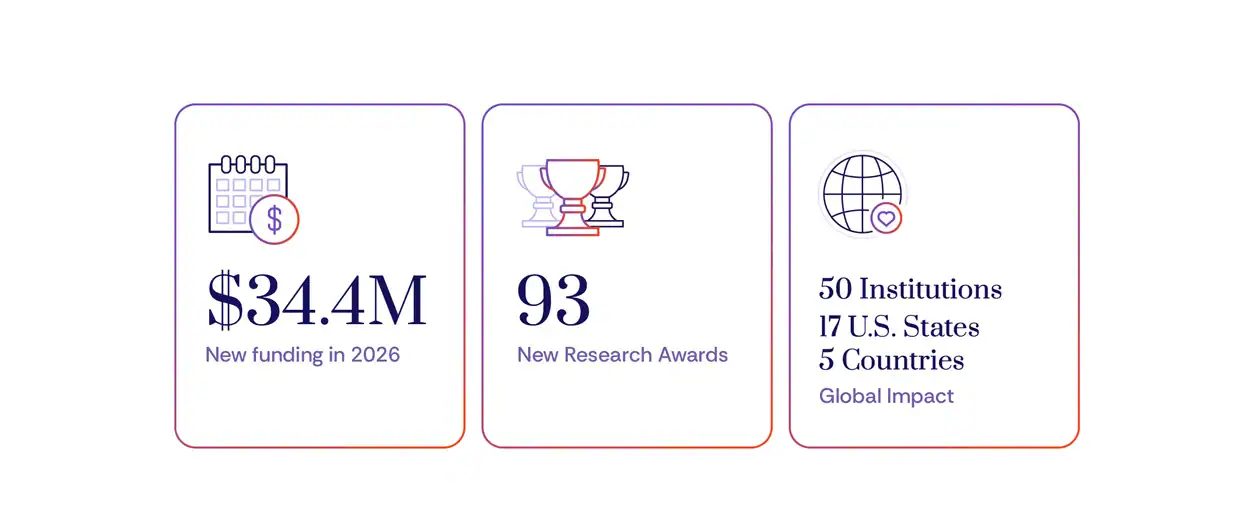
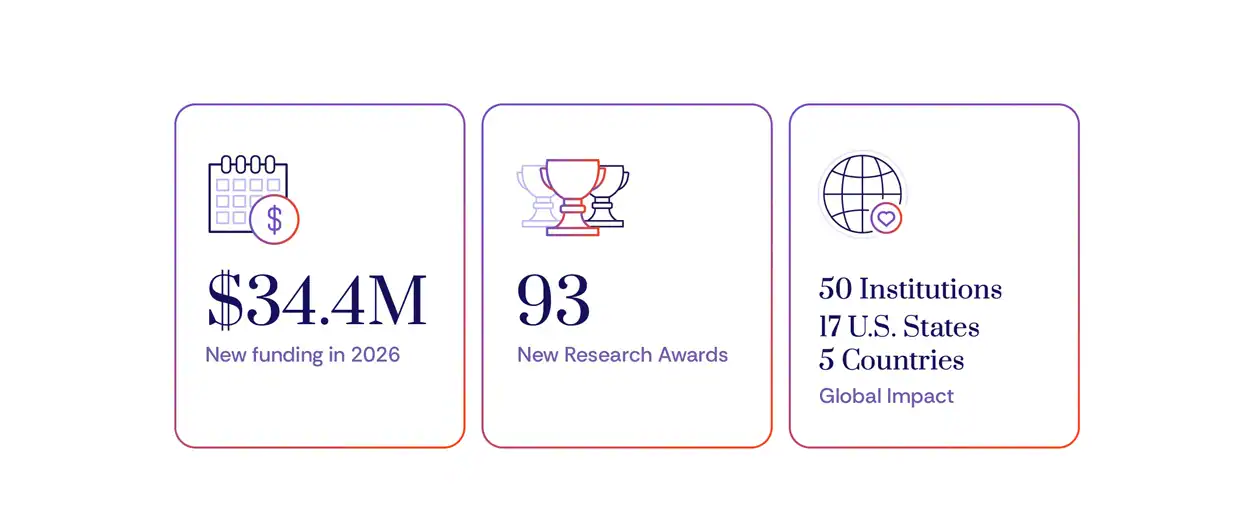
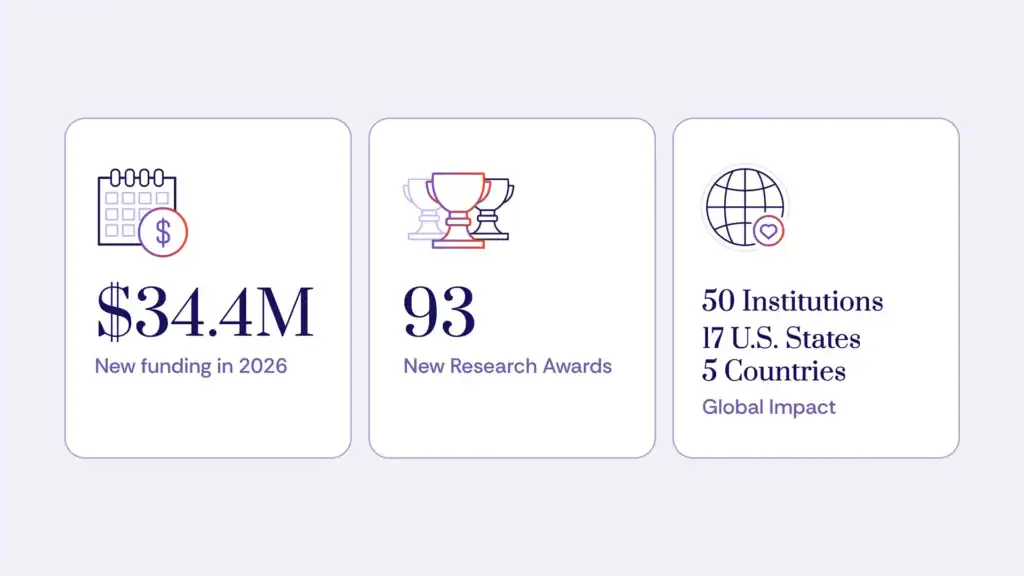
In a landscape increasingly defined by fiscal prudence and scientific funding instability, the Cancer Research Institute (CRI) has defied prevailing trends, announcing an unprecedented commitment of $34.4 million in new funding across 93 awards during fiscal year 2025-26. This monumental investment, marking CRI’s largest grantmaking year ever, underscores a deliberate and strategic decision to safeguard and accelerate critical cancer immunotherapy research at a time when national and international research budgets faced significant pressures. The funding reached a diverse network of scientists spanning 50 institutions across five countries and 17 U.S. states, demonstrating a global reach in the pursuit of breakthroughs against cancer.
The Shifting Landscape of Scientific Funding and CRI’s Decisive Stand
The past year has been characterized by a challenging environment for scientific research globally. Economic uncertainties, evolving national priorities, and the lingering aftershocks of global health crises have led to notable reductions in government and institutional research grants across various disciplines. Many researchers, particularly those in early and mid-career stages, have reported increased competition for dwindling resources, leading to delays in promising projects and a potential exodus of talent from the research pipeline. This precarious situation threatened to slow the momentum gained in critical areas like cancer immunotherapy, a field that has revolutionized cancer treatment over the last decade.
Against this backdrop, CRI’s steadfast commitment stands out. "Moments of uncertainty often serve as critical inflection points for organizations committed to a singular mission," stated Dr. Jane Smith, President and CEO of the Cancer Research Institute, in a recent briefing. "For us, the choice was clear: the urgency of finding cures for cancer does not diminish when funding becomes tighter. In fact, it intensifies. We made a strategic decision to not just maintain but to significantly increase our investment in the brilliant minds dedicated to unraveling cancer’s complexities." This proactive approach reflects CRI’s long-standing philosophy of providing sustained support to innovative scientists, allowing them the freedom to pursue high-risk, high-reward investigations that might otherwise struggle to secure initial backing.
For over 70 years, CRI has been a pivotal force in supporting fundamental research in immunology and its application to cancer. Founded on the belief that the immune system holds the key to conquering cancer, the organization has consistently championed groundbreaking work, often identifying and nurturing exceptional scientists long before their most significant discoveries come to fruition. This historical context illuminates the recent record funding as not an anomaly, but a deeply embedded principle of the institution’s operational ethos.
Nurturing the Next Generation: The Pioneering IGNITE Award
A significant portion of CRI’s record investment in FY 2025-26 was channeled towards supporting scientists at pivotal career junctures, particularly through its newly launched CRI IGNITE Award. The transition from a postdoctoral fellowship to establishing an independent research laboratory is widely recognized as one of the most critical and vulnerable phases in a scientist’s professional journey. During this period, researchers must not only conceptualize original areas of investigation but also secure initial data and pilot studies necessary to compete for long-term, substantial funding from national agencies like the National Institutes of Health. Without adequate support, many promising ideas, despite their inherent potential, can falter, leading to lost opportunities for scientific advancement.
The CRI IGNITE Award, an acronym for "Inspiring Growth and Nurturing Independence Through Excellence," was specifically designed to bridge this critical funding gap. It provides crucial support precisely when talented researchers are poised to build their own independent programs and embark on bold, investigator-initiated research questions. "The early career stage is where the seeds of future breakthroughs are often sown," explained Dr. Mark Johnson, CRI’s Director of Scientific Programs. "By investing in these emerging leaders, we empower them to take calculated risks, explore novel hypotheses, and lay the foundational work that will define the next generation of cancer therapies."
A prime example of the IGNITE Award’s transformative potential is Dr. Simone Park, PhD, an inaugural recipient at the University of Pennsylvania. Dr. Park’s journey with CRI began earlier in her career when she received support as a postdoctoral fellow, a testament to CRI’s long-term commitment to individual scientists. Now, with the IGNITE Award, Dr. Park is establishing her independent research program focused on tissue-resident memory T cells. These specialized immune cells remain within tissues after an infection or vaccination and have shown immense promise in providing lasting protection against cancer recurrence.
Dr. Park’s groundbreaking research delves into the fundamental mechanisms that enable these cells to persist and maintain their potent anti-tumor capabilities. By uncovering the intricate biology governing their durability and function within specific tissue microenvironments, she aims to identify innovative strategies for enhancing and prolonging immune protection against various cancers. "The IGNITE Award has been absolutely instrumental in allowing me to launch my independent lab and pursue these critical questions," Dr. Park commented. "It provides the flexibility and resources to explore novel hypotheses that might be too early-stage for traditional funding mechanisms, but which hold immense promise for future therapeutic development. This support isn’t just financial; it’s an investment in the belief that my work can genuinely make a difference."
A Continuum of Support: From Postdoc to Pioneer
Dr. Park’s trajectory exemplifies CRI’s broader, holistic approach to scientific funding, which emphasizes a continuum of support designed to foster scientific leadership and accelerate discovery at every career stage. This comprehensive framework ensures that exceptional individuals receive the necessary resources at pivotal moments in their professional development.
- Postdoctoral Fellowships: These awards serve as the bedrock, launching the careers of promising young scientists by providing them with the opportunity to train under established mentors and develop specialized expertise in immunology and cancer research.
- CRI IGNITE Awards: As highlighted, these awards are strategically placed to facilitate the crucial transition from mentored training to independent research, enabling scientists to establish their own laboratories and pursue their unique research agendas.
- CRI Lloyd J. Old STAR Awards: Named after CRI’s late Scientific Director and a pioneer in cancer immunotherapy, these prestigious awards provide substantial, flexible funding to established investigators. They are specifically designed to empower scientific leaders to pursue high-risk, high-impact ideas that may challenge conventional wisdom but hold the potential for paradigm-shifting discoveries. This level of funding offers unparalleled freedom, encouraging bold, transformative research that often falls outside the scope of more conservative grant programs.
Together, these programs form a robust pipeline, ensuring that a steady stream of talented researchers is nurtured, supported, and empowered to make enduring contributions to the field of cancer immunotherapy. This long-term investment strategy is central to CRI’s enduring impact, recognizing that scientific breakthroughs are rarely instantaneous but rather the cumulative result of years of dedicated effort and sustained support.
Beyond Grants: A Holistic Ecosystem for Accelerating Discovery
CRI’s commitment to advancing cancer research extends far beyond its impressive portfolio of research awards. The organization actively fosters a broader ecosystem designed to accelerate discovery and translate complex biological insights into tangible benefits for patients. This multifaceted approach includes:
- Advancing Clinical Studies: CRI supports innovative clinical trials, often focusing on novel immunotherapy approaches, combination therapies, and understanding patient responses to treatment. These studies are crucial for moving promising laboratory findings into the patient care setting.
- Developing Data Programs and Shared Resources: Recognizing the increasing importance of big data in modern biomedical research, CRI invests in initiatives that create and manage robust data platforms. These resources facilitate data sharing, collaboration, and the application of advanced computational analyses to identify new patterns and insights in cancer biology and treatment outcomes.
- Equipping Scientists with New Computational Skills: The rapid evolution of technologies, particularly in areas like genomics, proteomics, and artificial intelligence, necessitates that researchers continually update their skill sets. CRI offers training programs and workshops designed to equip scientists with the computational and bioinformatics expertise needed to effectively analyze complex datasets and leverage cutting-edge tools in their research.
- Patient and Caregiver Support: Understanding that scientific progress must ultimately benefit those affected by cancer, CRI provides trusted information and support resources to patients and caregivers navigating the complexities of cancer immunotherapy. This includes educational materials, patient advocacy programs, and connections to clinical trials, ensuring that the human element remains at the forefront of their mission.
Each of these investments contributes synergistically to a dynamic environment where discovery flourishes, and innovative treatments are brought closer to patients. This comprehensive strategy acknowledges that scientific advancement is not merely about funding individual projects, but about cultivating an entire infrastructure that supports research, collaboration, education, and patient empowerment.
Implications for Global Cancer Research and Future Outlook

CRI’s record-setting year of funding, detailed in its upcoming 2026 Annual Impact Report, carries significant implications for the global fight against cancer. In an era where research funding is often fragmented and short-term, CRI’s sustained, strategic investment provides a crucial counterbalance, particularly for foundational and translational immunology research. By focusing on both early-career independence and established investigators pursuing high-risk ideas, CRI helps to mitigate the "valley of death" phenomenon in research, where promising early-stage discoveries fail to receive the necessary funding to progress to clinical application.
The emphasis on immunotherapy research is particularly timely. Immunotherapy has emerged as a cornerstone of modern cancer treatment, offering durable responses in patients with previously intractable cancers. Continued investment in understanding immune mechanisms, identifying new targets, and overcoming resistance to existing therapies is paramount to expanding the reach and efficacy of these life-saving treatments. Dr. Park’s research, for instance, into tissue-resident memory T cells, holds the potential to inform strategies for preventing cancer recurrence, a major challenge in oncology.
"The unwavering support from organizations like the Cancer Research Institute is absolutely vital," noted Professor Emily Chen, a renowned oncologist and head of a major cancer center, who was not directly involved in CRI funding decisions but benefits from the broader research landscape. "Private philanthropic organizations play a critical role in filling gaps left by government funding, especially for innovative, exploratory research that might be deemed too risky for conventional grants. Their willingness to invest in bold ideas and emerging talent keeps the pipeline of discovery flowing, ensuring that patients today and tomorrow have access to the most advanced treatments."
The message from CRI is clear: while external uncertainties may alter the landscape in which science advances, they do not change the fundamental requirements for progress. Exceptional people, bold ideas, and the sustained support to bring them together remain the immutable pillars of scientific discovery. As the Cancer Research Institute looks ahead, its leadership reiterates a strong commitment to these principles. "There is extraordinary work still ahead of us," Dr. Smith concluded. "And we are just getting started on the next chapter of transforming cancer treatment through the power of immunotherapy." This forward-looking stance signals continued dedication to a mission that has never been more critical.
