
 By Nana O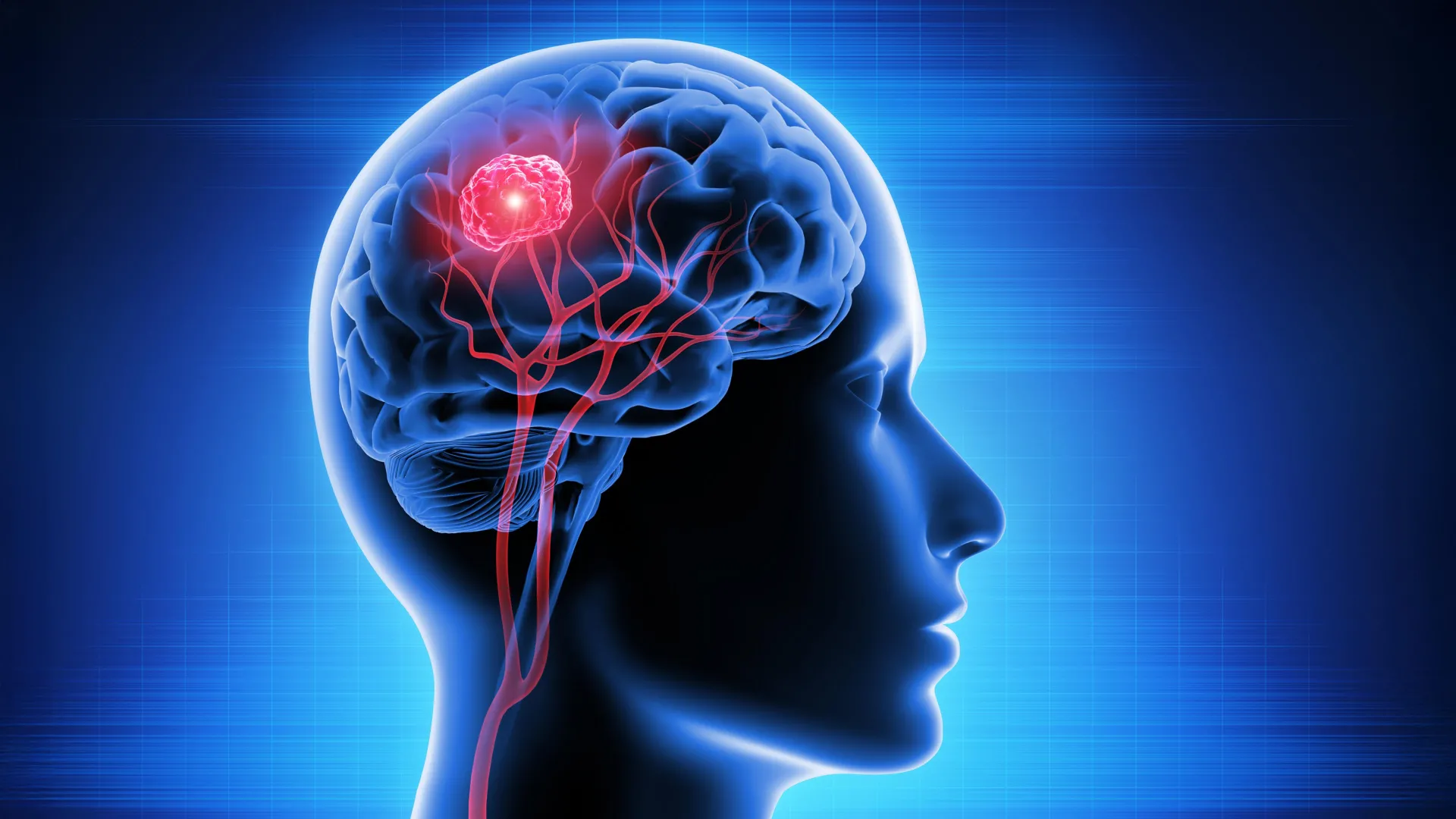
A groundbreaking study published in the esteemed journal Oncoscience has unveiled a promising new avenue for combating glioblastoma, a notoriously aggressive and treatment-resistant form of brain cancer. The research, spearheaded by a collaborative team from Nitric Oxide Services, LLC, and the Cleveland Clinic Foundation Taussig Cancer Center, introduces nitrosylcobalamin (NO-Cbl), a novel compound derived from vitamin B12, as a potential therapeutic agent with the capacity to breach the formidable blood-brain barrier (BBB) and selectively target cancerous cells within the brain.
The Unmet Challenge of Glioblastoma
Glioblastoma multiforme (GBM) stands as one of the most devastating diagnoses in neuro-oncology. Despite aggressive multimodal treatment regimens that typically include surgery, radiation therapy, and chemotherapy, the median survival rate for patients diagnosed with GBM remains tragically short, often less than 15 months. A primary obstacle to effective treatment is the blood-brain barrier, a highly selective physiological shield that meticulously regulates the passage of substances from the bloodstream into the central nervous system. This protective mechanism, while crucial for brain health, inadvertently impedes the delivery of many potentially life-saving chemotherapeutic agents directly to glioblastoma tumors.
A Novel Approach: Harnessing Vitamin B12 and Nitric Oxide
The innovative research detailed in the Oncoscience paper centers on nitrosylcobalamin (NO-Cbl), a chemically modified form of vitamin B12. This ingenious modification allows NO-Cbl to act as a carrier for nitric oxide (NO), a critical signaling molecule with diverse biological functions, including vasodilation and immune modulation. The core hypothesis investigated by the research team, led by first and corresponding author Joseph A. Bauer, was whether NO-Cbl could not only traverse the BBB but also demonstrate a preference for accumulating within glioblastoma tumor tissue.
The study employed a multifaceted experimental approach to rigorously evaluate NO-Cbl’s potential. This included:
- In Vitro Cancer Cell Assays: NO-Cbl was tested against a comprehensive panel of 60 human tumor cell lines curated by the National Cancer Institute (NCI-60). This broad screening allowed for an initial assessment of its general antitumor activity across various cancer types.
- In Vivo Pharmacokinetic Studies: To understand how NO-Cbl behaves within a living system, pharmacokinetic studies were conducted in rats engineered to develop glioblastoma tumors. These experiments were crucial for assessing the compound’s absorption, distribution, metabolism, and excretion, with a particular focus on its ability to reach and remain in brain tumor tissue.
- Combination Therapy Evaluations: Recognizing that glioblastoma often requires a multi-pronged attack, the researchers investigated the efficacy of NO-Cbl when used in conjunction with established and experimental glioblastoma treatments. This involved testing NO-Cbl alongside TRAIL (Tumor Necrosis Factor-Related Apoptosis-Inducing Ligand), a molecule known to induce programmed cell death in cancer cells, and temozolomide, a cornerstone chemotherapy agent for GBM.
Promising Results: Antitumor Activity and BBB Penetration
The initial in vitro findings were encouraging. NO-Cbl demonstrated significant antitumor activity across a wide spectrum of cancer types within the NCI-60 panel. Notably, tumor cells originating from the central nervous system exhibited a moderate but discernible sensitivity to NO-Cbl, hinting at its potential relevance for brain cancers.
The most compelling results, however, emerged from the animal studies. Following systemic administration, NO-Cbl exhibited a remarkable ability to cross the blood-brain barrier. More importantly, it demonstrated a preferential accumulation within the glioblastoma tumor tissue compared to surrounding healthy brain parenchyma. This selective targeting is a critical attribute, as it suggests the compound can deliver its therapeutic payload directly to the tumor site while minimizing exposure to healthy tissues, thereby potentially reducing off-target side effects.
Further analysis of the tissue distribution data revealed that NO-Cbl’s therapeutic effects were sustained over time. Nitrate levels, a byproduct of NO release, remained elevated in tumor tissue for at least 24 hours post-treatment. In stark contrast, nitrate levels in normal tissues declined more rapidly. This sustained presence of nitrates within the tumor microenvironment strongly indicates that NO-Cbl is retained within the tumor and continues to deliver nitric oxide directly to the cancerous cells. Figures 2 and 3 of the study, detailed on pages 3-4, provide visual evidence of these sustained levels of nitrate and cobalamin-related metabolites in brain tumor tissue compared to other organs, reinforcing the findings of selective accumulation in glioblastoma.
Synergistic Power: Enhancing Existing Therapies
Beyond its intrinsic antitumor properties, the study explored NO-Cbl’s capacity to augment the effectiveness of current glioblastoma treatment strategies. In laboratory experiments using human glioblastoma cell lines U87 and D54, the combination of NO-Cbl with either TRAIL or temozolomide yielded significantly more potent suppression of tumor cell growth than any of the individual agents achieved alone. This synergistic interaction was not limited to specific dosages, as additional analyses confirmed beneficial effects across multiple dose ranges.
"This pilot study demonstrates that NO-Cbl crosses the BBB, accumulates selectively in brain tumor tissue, and synergizes with established and experimental glioblastoma therapies," stated the authors in their concluding remarks, highlighting the compound’s multifaceted therapeutic potential.
Addressing Treatment Resistance: A Key Implication
A significant aspect of the study’s implications lies in NO-Cbl’s potential to overcome the multifaceted mechanisms by which glioblastoma tumors develop resistance to conventional therapies. The authors cite previous research indicating that NO-Cbl can:
- Promote Apoptosis: NO-Cbl has been shown to induce programmed cell death (apoptosis) in cancer cells, a critical process for eliminating malignant growths. This is partly achieved through the activation of caspase-8, a key enzyme in the apoptotic cascade.
- Suppress Survival Signaling: The compound can inhibit the NF-κB signaling pathway, a crucial molecular pathway that promotes cancer cell survival and proliferation. By suppressing NF-κB, NO-Cbl can disrupt the tumor’s defense mechanisms.
- Enhance TRAIL Receptor Signaling: Through a process called S-nitrosylation, NO-Cbl can strengthen the signaling of TRAIL receptors on cancer cells. This can make the cells more susceptible to TRAIL-induced apoptosis, even if they have developed resistance to other treatments.
Collectively, these biological effects suggest that NO-Cbl could render glioblastoma cells more vulnerable to therapeutic interventions, including those that have become resistant to standard treatments like temozolomide. This could represent a critical advancement in treating recurrent or refractory glioblastoma.
A Glimpse into the Future: Next Steps and Broader Impact
The researchers are diligent in emphasizing that these findings represent a crucial first step, derived from a pilot translational study. Substantial further research and validation are imperative before NO-Cbl can be considered for human clinical trials.
The planned future research directions are comprehensive and designed to build a robust foundation for clinical translation. These include:
- Orthotopic Validation: Conducting studies in animal models where human glioblastoma tumors are implanted directly into the brain, more accurately mimicking the human disease.
- Dosing Strategy Optimization: Determining the most effective and safest dosage regimens for NO-Cbl.
- Long-Term Nitric Oxide Activity Tracking: Investigating the duration and extent of nitric oxide activity within the tumor microenvironment over extended periods.
- Mechanism of Action Elucidation: Delving deeper into the precise molecular mechanisms by which NO-Cbl exerts its effects, particularly in various central nervous system tumor models.
The early evidence presented in this study suggests that a cobalamin-based nitric oxide donor, such as NO-Cbl, holds considerable promise as a novel therapeutic strategy for glioblastoma. By successfully navigating the blood-brain barrier, selectively targeting tumor cells, and demonstrating synergistic activity with existing treatments, NO-Cbl could offer a much-needed paradigm shift in drug delivery and the combat against treatment resistance in one of the most challenging oncological battles. The implications for patients with glioblastoma, who currently face limited treatment options and grim prognoses, could be profound, offering a beacon of hope for more effective and targeted therapies in the future. The scientific community will be closely watching the progression of this research as it moves towards potential clinical applications.
