
 By Lina carolina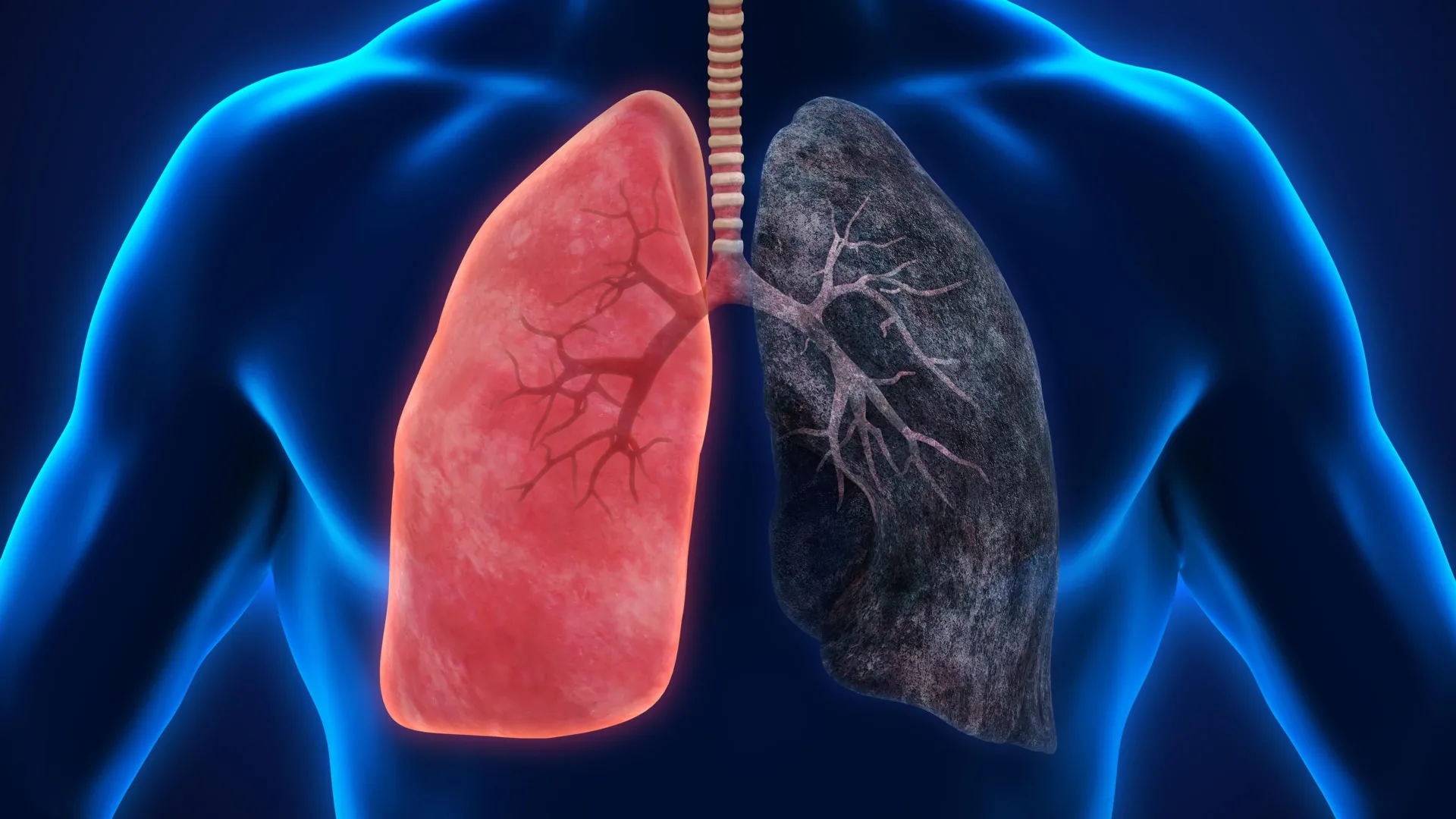
The increasing legalization of marijuana across numerous states has fostered a perception of relative safety among the general public. However, when scrutinizing the complex relationship between cannabis consumption and cancer, the scientific landscape remains significantly less defined. While the link between tobacco smoking and lung cancer is unequivocally established, the precise mechanisms and extent to which marijuana use influences cancer risk are subjects of ongoing and intensive scientific investigation. Dr. Brooks Udelsman, a thoracic surgeon affiliated with USC Surgery at Keck Medicine of USC, emphasizes that the medical community is actively working to unravel these intricate connections.
Early Indicators and Emerging Research
For years, the potential oncogenic properties of marijuana smoke have been a topic of debate and scientific inquiry. Early studies, often hampered by the illicit status of cannabis, provided anecdotal evidence and limited data. However, with the wave of legalization, research has gained momentum, allowing for more robust and comprehensive investigations. A pivotal recent study conducted by Keck Medicine, spearheaded by Dr. Niels Kokot, an otolaryngologist at the USC Caruso Department of Otolaryngology — Head and Neck Surgery, has provided significant insights. This research indicated a correlation between substantial marijuana smoking and an elevated risk of both small cell lung cancer (SCLC) and non-small cell lung cancer (NSCLC).
Further substantiating these findings, Dr. Kokot and his team published another study revealing a striking association: individuals who consumed marijuana daily exhibited a 3.5 to 5 times greater likelihood of developing head and neck cancers compared to their non-using counterparts. This category of cancers encompasses those affecting critical areas such as the mouth, pharynx, larynx, oropharynx (including the tongue, tonsils, and posterior pharyngeal wall), and adjacent salivary glands. These findings are particularly concerning given the increasing prevalence of daily cannabis use, especially among younger demographics who may not be fully aware of these potential health risks.
The Critical Question: Dose and Dependency
A significant hurdle in fully understanding the cancer risks associated with marijuana is the absence of a clearly defined "dose-response" relationship. While evidence points towards an increased risk with heavy marijuana smoking, the precise threshold at which this risk begins to escalate remains elusive. Dr. Udelsman articulates this uncertainty, stating, "What we don’t know right now is the dose relationship. So, if someone smokes marijuana occasionally once a week, once a month or a few times a year, do they still have that same risk? My suspicion is that there is probably minimal risk. All we know right now is that people who smoke a lot of marijuana — to the point that they develop a dependency on it or require hospital care or evaluation for it — do appear to have a higher cancer risk."
This distinction between occasional and chronic, heavy use is crucial for public health messaging. The data currently available primarily highlights risks associated with dependency or severe, medically evaluated use. However, the potential cumulative effects of moderate, regular use over extended periods are still under active investigation. This uncertainty necessitates a cautious approach to messaging, acknowledging what is known while actively pursuing answers to the remaining questions.
Beyond Lung and Head and Neck Cancers: Investigating Other Links
The scope of concern extends beyond the most commonly studied cancers. Scientists are actively exploring potential links between heavy marijuana use and other forms of cancer, including bladder cancer and various gastrointestinal cancers. The established connection between tobacco smoking and an increased prevalence of bladder cancer serves as a precedent for investigating similar associations with heavy cannabis use. "With tobacco, we do see an increased prevalence of bladder cancer. Whether that relationship is also the same for heavy marijuana smoking, we don’t know," Dr. Udelsman notes. "That’s why we’re trying to determine what the risks are so that people can know what risks they’re taking." This pursuit of knowledge aims to equip individuals with the information necessary to make informed decisions about their health and consumption habits.
The Role of Consumption Methods: Edibles vs. Smoking
The diverse methods of marijuana consumption introduce another layer of complexity to the risk assessment. While smoking remains a primary concern due to the direct inhalation of combustion products, alternative methods like edibles have gained popularity. Current scientific evidence suggests that non-smoking methods, such as edibles, are unlikely to contribute to lung cancer risk. "Probably not," Dr. Udelsman states regarding the link between edibles and lung cancer. "The risk is harder to track because there isn’t a lot of data on it yet, but as of now there does not seem to be a relationship between edibles and lung cancer. We don’t yet know if there is a link to other types of cancers, however." This distinction is important, as it suggests that the primary oncogenic risk may be tied to the act of inhalation and the associated combustion byproducts, rather than the cannabis plant material itself. However, research into potential links between edibles and other cancers is still in its nascent stages.
Unpacking the Biological Mechanisms: Inflammation and DNA Damage
The potential for marijuana smoke to increase cancer risk can be understood through its biological effects on the body. Dr. Udelsman explains that any substance causing prolonged inflammation can elevate cancer risk over time. Tobacco smoke, notoriously, contains over 7,000 chemicals, with approximately 70 identified as carcinogens. Crucially, some of these same cancer-associated chemicals are also present in marijuana smoke.
Furthermore, THC (tetrahydrocannabinol), the primary psychoactive compound in cannabis, has been implicated in the conversion of polycyclic aromatic hydrocarbons (PAHs). PAHs are a group of chemicals known to trigger inflammation and cause DNA damage. "Anytime inflammation and changes to DNA occur, you’re at risk for developing cancer," Dr. Udelsman elaborates. This dual mechanism of containing known carcinogens and promoting biological processes that damage DNA underscores the potential for marijuana smoke to contribute to cancer development.
Secondhand Smoke: An Emerging Concern?
The implications of secondhand marijuana smoke are also a subject of ongoing investigation. While definitive evidence establishing a direct link to lung cancer is currently lacking, Dr. Udelsman suggests a potential risk. He posits that individuals exposed to secondhand marijuana smoke may inhale inflammatory particles that are believed to play a role in cancer development. This is analogous to concerns surrounding secondhand tobacco smoke, which is a well-established carcinogen. As public spaces increasingly permit marijuana use, understanding the risks of passive exposure becomes paramount for public health.
Specific Lung Cancers and Their Association with Marijuana
Lung cancer is broadly categorized into two primary types: small cell lung cancer (SCLC) and non-small cell lung cancer (NSCLC). SCLC exhibits a particularly strong association with tobacco smoking. However, research indicates that marijuana smoking may also contribute to its development. "It’s almost unheard of to get small cell lung cancer without some type of inhalational injury," Dr. Udelsman notes, suggesting that the damaging effects of inhaling smoke, regardless of the source, could be a contributing factor.
Similarly, NSCLC appears more frequently among individuals who smoke marijuana. "We also see an increase in non-small cell lung cancer in smokers of both tobacco and marijuana, so both types are increased when compared to nonsmokers," he adds. This finding highlights that the risks associated with smoking, whether tobacco or marijuana, are additive and can significantly elevate the likelihood of developing either form of lung cancer.
The Uncertainties of Vaping Marijuana
The advent and widespread adoption of electronic cigarettes have introduced a new paradigm in substance consumption, with initial beliefs often favoring their safety over traditional smoking. However, the medical community is now witnessing severe inflammatory lung diseases linked to vaping, even in the absence of direct cancer diagnoses. "But we are starting to see some very severe inflammatory diseases — not cancers, but benign diseases — from vaping," Dr. Udelsman reports.
Given that vaping has only become a common practice for approximately 15 years, researchers have not had sufficient time to conclusively determine its long-term effects on cancer risk, including that of marijuana vaping. The underlying concern, as articulated by Dr. Udelsman, is the act of inhaling any substance into the lungs. "The data on vaping is very new, so we don’t know yet, but I’d worry about anything you’re breathing into your lungs because it infiltrates the cells and air sacs in your lungs, which can cause damage and put you at a higher risk for cancer." The potential for cumulative damage and inflammation from inhaled substances, even those not combusted, remains a significant area of concern and requires further longitudinal study.
Navigating the Spectrum of Use: Occasional vs. Heavy Consumption
Despite the emerging evidence of risks, Dr. Udelsman expresses a degree of optimism regarding recreational marijuana use, suggesting it is unlikely to trigger a widespread lung cancer epidemic. He differentiates between occasional and chronic, heavy use: "I worry less about occasional use and the slight inflammation that it might cause for a temporary period. Your body probably recovers from that very quickly, with very little damage."
However, his concern escalates significantly when discussing chronic, heavy exposure. "I’m more worried about chronic, heavy exposure: people who are using marijuana every day, multiple times a day. That’s where I think you can start to build up injury. Those are the people data today shows are at risk for developing cancer, similar to tobacco." This nuanced perspective underscores the importance of responsible consumption and highlights that the most significant risks are associated with habitual, high-volume use.
Implications for Public Health and Future Research
The evolving understanding of marijuana’s impact on cancer risk carries significant implications for public health policy, medical advice, and individual decision-making. As more states legalize cannabis, a critical need arises for clear, evidence-based public health campaigns that educate consumers about potential risks, particularly concerning smoking and heavy use. The findings from Keck Medicine and other research institutions provide a foundation for these campaigns, emphasizing the distinction between occasional and chronic use.
The current research landscape suggests that while occasional, non-inhalational use may carry minimal risk, the act of smoking marijuana, especially heavily and frequently, mirrors some of the oncogenic pathways associated with tobacco. This necessitates continued research into:
- Longitudinal Studies: Tracking large cohorts of marijuana users over extended periods to establish definitive dose-response relationships and identify long-term health outcomes.
- Mechanistic Research: Further elucidating the specific biological pathways through which marijuana smoke and its constituents contribute to DNA damage, inflammation, and cellular changes that promote cancer.
- Comparative Risk Analysis: Directly comparing the carcinogenic potential of marijuana smoke to tobacco smoke across various consumption patterns and exposure levels.
- Vaping Technologies: Investigating the long-term health effects of various vaping liquids and heating elements, and their potential impact on lung health and cancer risk.
Individuals who identify as heavy marijuana users are strongly advised to engage in open discussions with their healthcare providers. Medical professionals can play a crucial role in evaluating personal cancer risk, providing tailored guidance, and determining the appropriateness of enhanced screening or follow-up protocols. As the legal and social landscape surrounding marijuana continues to shift, a proactive and scientifically grounded approach to understanding and communicating its health risks is essential for safeguarding public well-being. The journey to fully comprehend the intricate relationship between cannabis and cancer is ongoing, demanding continued vigilance, rigorous research, and clear communication.
