
 By admin
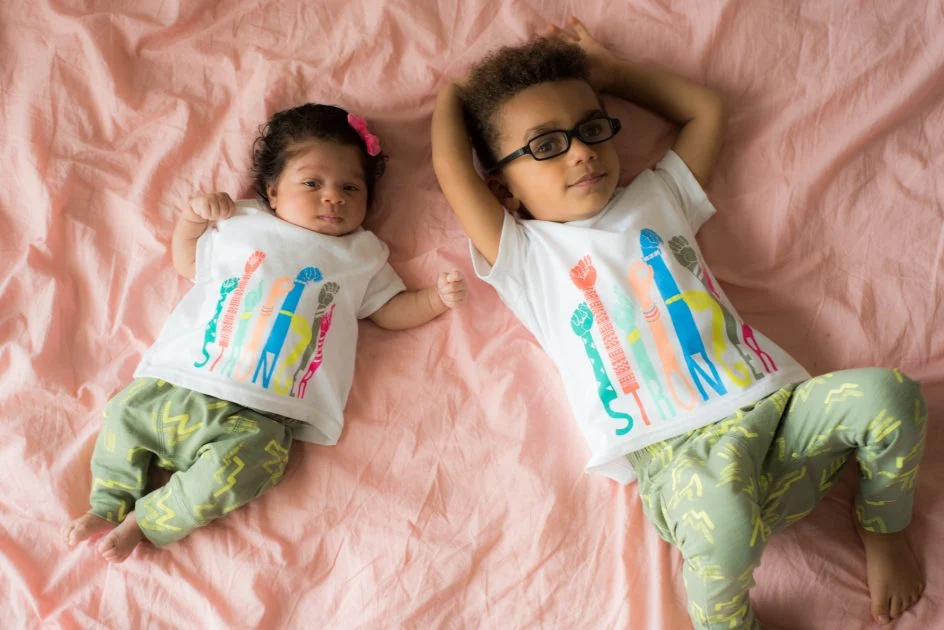
The narrative of Jaylen and Ayla, two siblings who have successfully navigated the complexities of hereditary bilateral retinoblastoma, serves as a poignant case study in both the challenges of pediatric oncology and the critical importance of parental advocacy within the healthcare system. Now aged 10 and 8 respectively, the siblings represent a demographic of survivors who have overcome significant medical and systemic hurdles. Their journey highlights the intersection of genetic predisposition, the necessity of early diagnostic intervention, and the legal and ethical obligations of medical providers to ensure equitable access to care for all families, including those within the Deaf community.
Early Detection and the Diagnostic Timeline
The clinical journey began when Jaylen was just two months old. His mother, Denice, observed a physiological anomaly in his left eye, which appeared to veer outward—a condition often associated with strabismus but frequently serving as a secondary indicator of intraocular tumors. In retrospect, the family identified early warning signs in domestic photography: a distinct "glow" or white reflection in the pupil, known medically as leukocoria. At the time, the family attributed this phenomenon to camera flash reflections, a common misconception that can delay the diagnosis of retinoblastoma.
Retinoblastoma is a rare form of eye cancer that develops in the retina, the sensitive lining on the inside of the eye. It is most commonly diagnosed in children under the age of five. According to clinical data, leukocoria is the most prevalent presenting sign, appearing in approximately 60% of cases. When Denice sought professional medical consultation during Jaylen’s four-month check-up, the family encountered a significant systemic barrier. The attending physician refused to provide care, citing the absence of an American Sign Language (ASL) interpreter for Denice, who is deaf.
This refusal initiated a period of intense self-advocacy. Denice was forced to navigate the complexities of the healthcare landscape independently to secure the necessary diagnostic services for her son. This delay in care is a critical factor in pediatric oncology, where early intervention can determine the difference between eye-sparing treatments and the necessity of enucleation (surgical removal of the eye) or, in extreme cases, the loss of life.
Hereditary Implications and Subsequent Diagnosis
Following Jaylen’s diagnosis of bilateral retinoblastoma—meaning the cancer was present in both eyes—the family was alerted to the hereditary nature of the condition. Approximately 40% of retinoblastoma cases are hereditary, involving a germline mutation in the RB1 gene. In these instances, there is a 50% chance of a parent passing the mutation to their offspring, and siblings are at significantly higher risk.
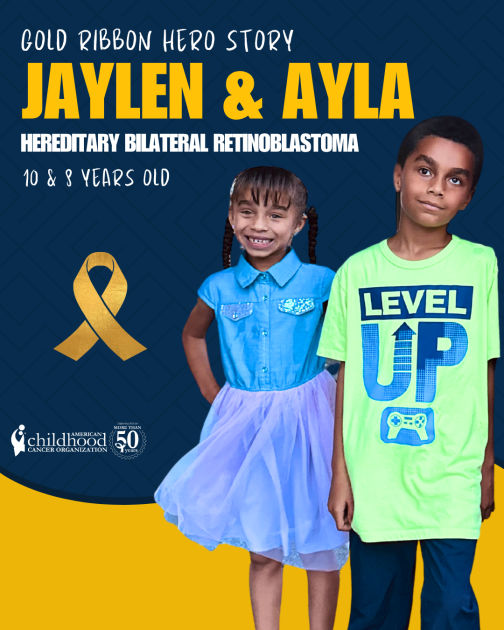
Due to the established genetic risk, Ayla was monitored from birth with rigorous frequency. This proactive surveillance led to the discovery of tumors in both of her eyes when she was only four weeks old. While the news was devastating for the family, the early detection afforded by Jaylen’s medical history allowed for an immediate start to her treatment regimen. Denice described the period as one of "heartbreaking and overwhelming" emotion, compounded by the frustration of her previous experiences with medical gatekeeping. She noted that the experience necessitated a transition into the role of a "fearless advocate and manager" for her children’s health.
Clinical Interventions and Treatment Modalities
The treatment protocols for Jaylen and Ayla have been extensive and multifaceted, spanning several years. Both children underwent a combination of systemic and localized therapies designed to eradicate the tumors while attempting to preserve as much vision as possible.
- Chemotherapy: Used to shrink tumors (chemoreduction), often as a primary step before localized treatments.
- Cryotherapy: A localized treatment that uses extreme cold to freeze and destroy cancer cells in the retina.
- Laser Therapy (Photocoagulation/Thermotherapy): The use of targeted light energy to destroy the blood vessels supplying the tumor or to heat and kill the tumor cells directly.
- Strabismus Surgery: Jaylen required surgical intervention to correct the alignment of his eyes, addressing the initial symptom that led to his diagnosis.
- Enucleation: Despite aggressive efforts to save the natural eye, Ayla’s condition necessitated the surgical removal of an eye to prevent the spread of the cancer to the optic nerve and brain.
Both siblings now live with prosthetic eyes. The transition to prosthetics involves not only surgical recovery but also long-term care by an ocularist—a professional who specializes in the fabrication and fitting of ocular prostheses. These devices are designed to maintain the structure of the eye socket and provide a cosmetic appearance that mimics the natural eye.
Barriers to Healthcare for the Deaf and Hard of Hearing
The challenges faced by Denice highlight a broader issue within the United States healthcare system: the frequent failure to provide adequate communication access for Deaf patients and parents. Under the Americans with Disabilities Act (ADA) and Section 1557 of the Affordable Care Act, healthcare providers are legally required to provide "auxiliary aids and services," such as qualified ASL interpreters, to ensure effective communication.
The initial refusal of care for Jaylen because of Denice’s deafness represents a significant breach of these legal standards. Studies have shown that communication barriers in medical settings lead to poorer health outcomes, decreased patient satisfaction, and a higher likelihood of medical errors. For a parent managing a child’s cancer diagnosis, the stakes of clear communication are exceptionally high. Denice’s experience underscores the necessity for medical institutions to implement robust protocols for language access to avoid endangering the lives of pediatric patients.
Psychological Adaptation and Social Advocacy
Beyond the clinical aspects of their journey, the family has been vocal about the psychosocial impact of childhood cancer. Denice has utilized online platforms to share their story, aiming to raise awareness about the "glow" and the realities of life after cancer. While this transparency has occasionally invited public scrutiny regarding her parenting style—which she describes as "beautifully spoiling" her children—she maintains that her focus is on "joy, presence, and celebrating life."
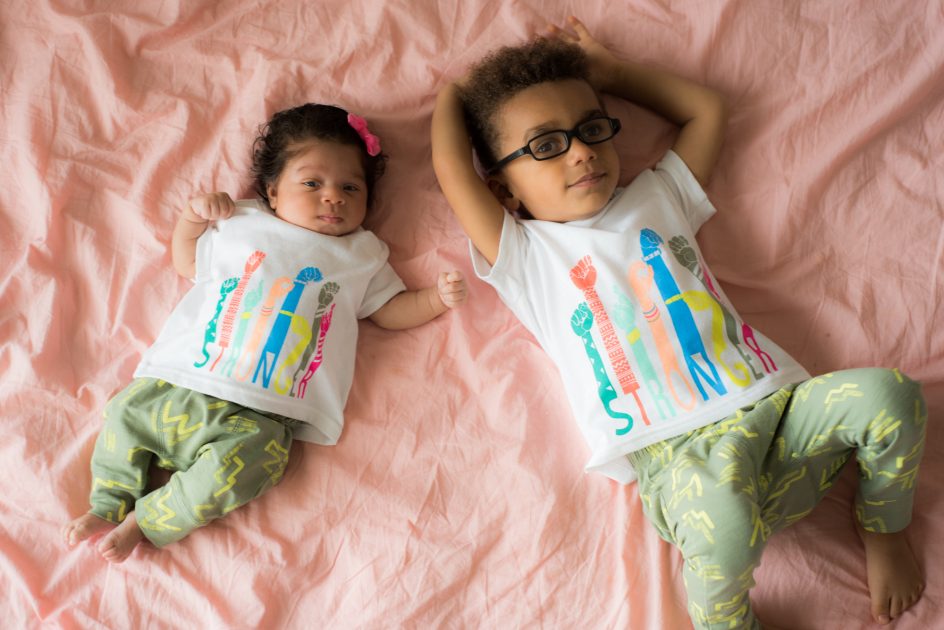
Ayla’s adaptation to her prosthetic eye has become a point of empowerment rather than a source of stigma. She has curated a collection of custom-colored irises, allowing her to treat her prosthesis as a form of personal expression. Furthermore, Ayla began learning ASL during her immediate post-operative recovery, further bridging communication within the family and asserting her independence.
Broader Implications for Public Health and Early Screening
The case of Jaylen and Ayla emphasizes the vital role of public awareness in the early detection of retinoblastoma. The "Know the Glow" campaign and similar initiatives by organizations like the American Childhood Cancer Organization (ACCO) advocate for parents to be vigilant regarding leukocoria. Because many pediatricians may only see one or two cases of retinoblastoma in their entire careers, parental observation remains a primary line of defense.
Data from the National Cancer Institute indicates that when retinoblastoma is caught early and remains intraocular (confined to the eye), the survival rate in developed nations exceeds 95%. However, the rate drops significantly if the cancer spreads beyond the globe of the eye. The success of Jaylen and Ayla’s treatment is a testament to the efficacy of modern pediatric oncology, yet it also serves as a reminder of the vigilance required by families with a history of the RB1 mutation.
Conclusion: A Triumphant Outlook
Today, Jaylen and Ayla are characterized by their joy and resilience. Their transition from patients to survivors has been marked by a commitment to living fully in the present. By sharing their experiences, the family contributes to a growing body of advocacy that seeks to demystify childhood cancer and provide a roadmap for other families facing similar diagnoses.
Their story is one of dual triumphs: the medical victory over a life-threatening disease and the personal victory of a mother who refused to let systemic barriers prevent her children from receiving life-saving care. As they continue to thrive, Jaylen and Ayla remain symbols of the possibility of a joyful and active life following the profound challenges of a childhood cancer diagnosis. Their journey continues to inspire a focus on early detection, equitable healthcare access, and the enduring power of persistent advocacy.
