
 By Hendra Lukman
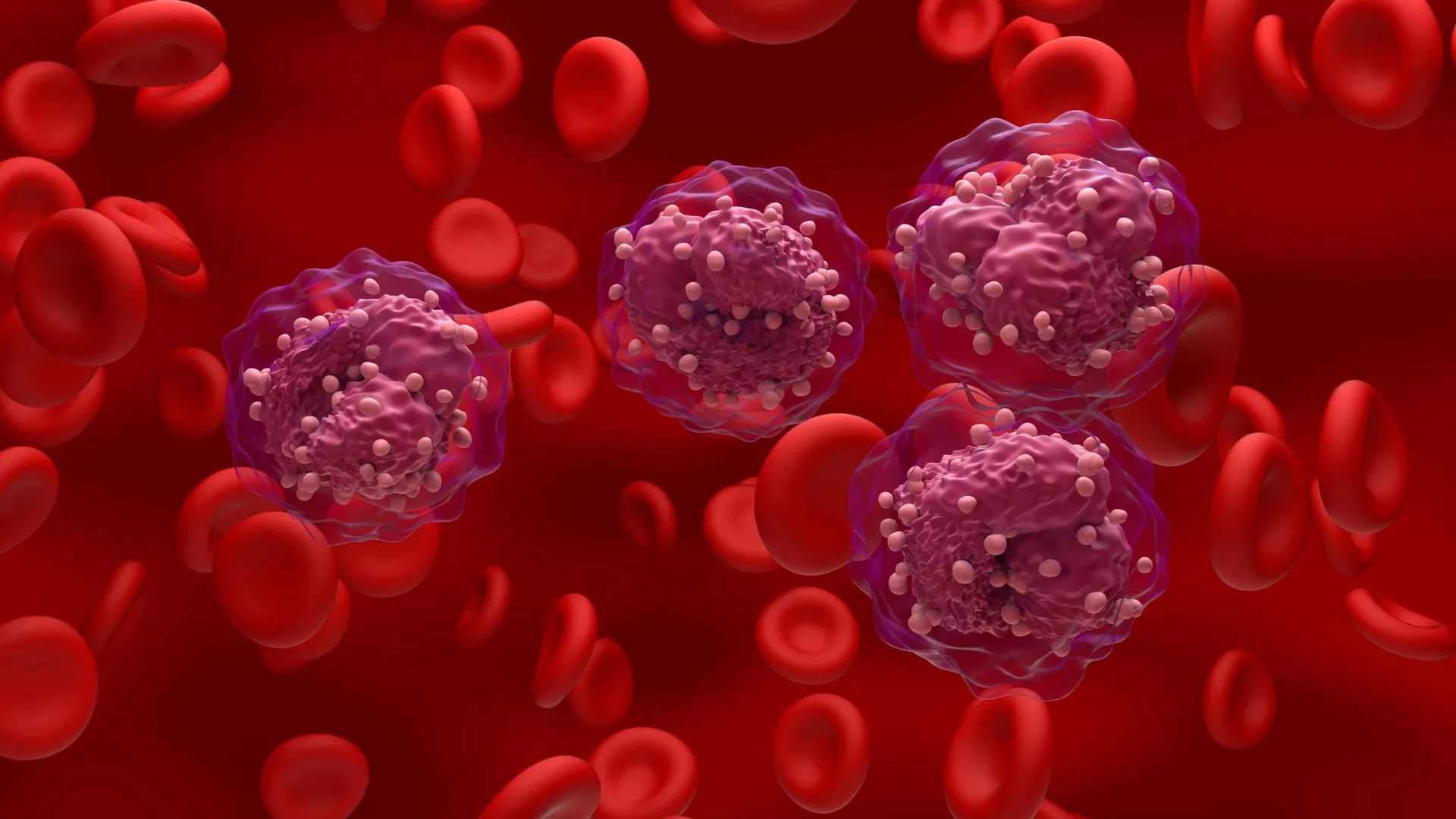
New findings from the phase 2 EVITA clinical trial suggest that vitamin C supplementation may offer important benefits for individuals with precancerous blood conditions and early-stage blood cancers. The randomized, double-blind, placebo-controlled study, conducted by the Van Andel Institute-Stand Up To Cancer® Epigenetics Dream Team, provides preliminary evidence that daily oral vitamin C may not only improve treatment outcomes but also influence the underlying biological processes that contribute to the development of leukemia.
Groundbreaking Research Explores Vitamin C’s Role in Cancer Interception
For decades, the scientific community has recognized vitamin C’s crucial role in maintaining a healthy immune system, facilitating wound healing, and protecting cells from oxidative damage. However, a significant observation has been the persistently low levels of vitamin C frequently found in patients diagnosed with precancerous blood disorders and various forms of blood cancer. This observation has fueled extensive research into whether correcting such deficiencies could positively impact the health and treatment trajectories of these vulnerable patient populations.
The EVITA trial, representing a significant step forward in this line of inquiry, focused on individuals with clonal cytopenia of undetermined significance (CCUS) and myelodysplastic syndrome (MDS). Both of these conditions are recognized as precursors to acute myeloid leukemia (AML), an aggressive and often challenging-to-treat blood cancer. The rising incidence of CCUS with age underscores the importance of early intervention strategies, particularly for older adults who may not be candidates for more aggressive treatments like stem cell transplantation.
The study’s results, published in the esteemed American Cancer Society journal CANCER, indicate that patients who received a daily dose of 1,000 mg of oral vitamin C for one year experienced a notable reduction in adverse events during the study and its subsequent follow-up period. Beyond symptom management, the supplementation also demonstrably altered the levels of specific immune signaling molecules, known as cytokines. These shifts in cytokine profiles were associated with more favorable health outcomes, suggesting that vitamin C may exert influence over inflammation-related pathways that are implicated in the abnormal proliferation and progression of blood cells.
While the vitamin C supplementation did not lead to a statistically significant reduction in the rate of abnormal blood cell expansion, a particularly encouraging finding emerged from an exploratory analysis. This secondary analysis revealed that participants who received vitamin C were significantly more likely to be alive approximately three years after the study’s completion compared to those who received a placebo. This potential survival benefit, while preliminary, represents a compelling reason for further investigation.
A New Dawn for Pre-Leukemia Disorder Treatment?
The implications of these findings have generated considerable excitement within the research community. Dr. Peter A. Jones, Ph.D., D.Sc. (hon), a distinguished professor at Van Andel Institute and co-corresponding author of the research, expressed cautious optimism. "We are tremendously excited and cautiously optimistic that our results could one day translate into a simple way to improve care and outcomes for people with pre-leukemia disorders," Dr. Jones stated. "Our approach reflects a growing emphasis on cancer interception—intervening before cancer becomes established. We are working to build on the trial findings by exploring how exactly vitamin C interacts with pre-cancerous cells, including the idea that it may help restore normal epigenetic function in blood cells at risk of becoming leukemia."
The concept of cancer interception, as highlighted by Dr. Jones, signifies a paradigm shift in oncology, moving beyond the treatment of established disease to proactively preventing or delaying its onset. The research team’s focus on the epigenetic mechanisms that govern gene activity in blood cells at risk of malignancy is particularly noteworthy. Epigenetics refers to changes in gene expression that do not involve alterations to the underlying DNA sequence, and dysregulation in these processes is increasingly recognized as a critical factor in cancer development.
The international research effort was spearheaded by Dr. Kirsten Grønbæk, M.D., Ph.D., a leading hematologist, professor at the University of Copenhagen, and a key member of the VAI-SU2C Epigenetics Dream Team. "These exciting preliminary findings lay the groundwork for a larger clinical trial to explore vitamin C as a possible way to improve patient outcomes," Dr. Grønbæk commented. "It is too early to make definitive recommendations based on our results, but we are hopeful that a more expansive study will provide further insights."
The EVITA Trial: Design and Methodology
The EVITA trial meticulously enrolled 109 patients diagnosed with either clonal cytopenia of undetermined significance (CCUS) or myelodysplastic syndrome (MDS). These conditions are diagnostically challenging, as they represent a spectrum of bone marrow abnormalities that carry an increased risk of transforming into acute myeloid leukemia (AML). The current medical landscape offers limited options for preventing the progression of CCUS to leukemia, and while stem cell transplantation is a viable treatment for MDS, its applicability is restricted by patient age and overall health status. Crucially, none of the participants in the EVITA trial were undergoing active cancer treatment at the time of their enrollment, allowing researchers to assess the effects of vitamin C in a relatively unconfounded state.
To rigorously evaluate the potential benefits of vitamin C, participants were randomly assigned to one of two groups. The intervention group received 1,000 mg of vitamin C administered orally each day for a duration of 12 months. The control group, in parallel, received a placebo. This placebo was specifically designed to be indistinguishable from the vitamin C supplement in terms of its appearance, taste, and smell, thereby ensuring that neither the participants nor the clinical staff were aware of who was receiving the active treatment. This adherence to a double-blind, randomized, placebo-controlled design is considered the gold standard in clinical research, minimizing the potential for bias and enabling a more objective assessment of treatment efficacy.
The study’s operational framework involved four leading medical institutions: Copenhagen University Hospital-Rigshospitalet, Copenhagen University Hospital-Herlev, Aalborg University Hospital, and Keck Hospital of the University of Southern California. This multi-center approach enhances the generalizability of the findings and reflects a collaborative commitment to advancing cancer research.
What distinguishes the EVITA trial is its pioneering status as the first randomized, double-blind, placebo-controlled study to investigate the effects of daily oral vitamin C in patients with conditions preceding leukemia or those with lower-risk myeloid cancers. Prior research in this area had predominantly utilized intravenous administration of vitamin C and often focused on solid tumors, rather than the specific precancerous blood disorders and early-stage blood malignancies that were the focus of EVITA. The trial’s use of a daily oral dose, mirroring that commonly available in over-the-counter supplements, makes the potential intervention more accessible and practical for widespread application if proven effective.
Addressing Vitamin C Deficiencies in Vulnerable Patients
Throughout the EVITA trial, blood samples were systematically collected from participants. This allowed researchers to monitor their vitamin C concentrations and ascertain whether the supplementation effectively corrected any existing deficiencies. The findings revealed a significant baseline issue: more than half of the enrolled participants presented with insufficient vitamin C levels at the commencement of the study. For those individuals assigned to the vitamin C supplementation group, regular intake of the vitamin led to a normalization of their blood concentrations, indicating that the oral route of administration was indeed effective in repleting depleted stores.
The prospect of an accessible intervention is particularly vital for patients living with conditions that carry an elevated risk of developing leukemia. In many instances, current medical practice dictates a "watch and wait" approach, where physicians monitor disease progression without the ability to actively intervene. This can be a source of considerable anxiety for patients.
Dr. Casey O’Connell, M.D., FACP, the Lawrence and Jane Kelly Chair in Hematology at the University of Southern California and lead clinician at the USC trial site, articulated the patient perspective. "The standard approach for patients with pre-cancer blood disorders is to monitor their blood cell counts over time. This is, understandably, very frustrating—no one wants to hear that they have a condition that increases leukemia risk but there’s nothing that can be done other than watch and wait," Dr. O’Connell explained. "The EVITA trial took on this challenge by exploring vitamin C’s potential to address the underlying factors that drive leukemia development."
The Molecular Mechanisms: Vitamin C and Gene Regulation
The scientific exploration of vitamin C’s potential in cancer treatment spans over seven decades, a period marked by inconsistent findings and evolving methodologies. However, advancements in research technologies over the past decade have shed new light on vitamin C’s multifaceted roles, extending beyond its established nutritional and immunological functions. A key discovery has been its critical involvement in regulating gene activity and guiding normal cell development.
Central to this understanding is the enzyme TET2, which plays a pivotal role in preventing cancerous growth by controlling the "on" or "off" state of specific genes. Vitamin C is a vital cofactor for TET2 activity, thereby supporting the maintenance of normal gene regulatory patterns. Mutations in the TET2 gene are frequently observed in leukemia and related blood disorders. When the enzyme’s function is compromised, abnormal cells can acquire a growth advantage, paving the way for malignant transformation.
Preclinical studies employing cancer models have provided compelling evidence of vitamin C’s potential protective effects. These experiments demonstrated that vitamin C supplementation could disrupt cellular changes associated with cancer development and slow the progression of leukemia. Notably, these protective effects were most pronounced when vitamin C was introduced early in the disease process, before cancer had fully established itself. This observation strongly informed the rationale behind using vitamin C as an early intervention strategy, targeting the subtle biological alterations that precede overt leukemia.
Charting the Course for Future Research
Prior to initiating the EVITA trial, the Van Andel Institute-Stand Up To Cancer® Epigenetics Dream Team conducted a pilot clinical study in 2016. This initial investigation aimed to confirm whether oral vitamin C supplementation could effectively elevate blood concentrations of the nutrient. The positive outcomes of this pilot study provided a crucial foundation and encouraged the researchers to proceed with the larger phase 2 EVITA trial in 2017.
"This early work was critical because it offered a foundation from which to develop the present trial," stated Dr. Stine Ulrik Mikkelsen, M.D., Ph.D., the study’s first author and a clinician researcher in Dr. Grønbæk’s laboratory. "Vitamin C is important because it is involved in a range of biological functions, including the activity of enzymes that regulate normal cell function."
Researchers are continuing to delve into the comprehensive data generated by the EVITA trial. Their ongoing analysis aims to elucidate the specific biological pathways through which vitamin C may contribute to the observed improvements in survival among treated patients.
While the findings from EVITA offer a promising avenue for future research and clinical application, it is imperative to acknowledge that further investigation is essential. Larger, more comprehensive phase 3 clinical trials are required to definitively establish whether vitamin C supplementation can reliably improve outcomes for individuals diagnosed with precancerous blood disorders and early-stage blood cancers. The scientific community eagerly anticipates the results of these future studies, which could potentially translate into a simple, accessible, and impactful therapeutic strategy for a vulnerable patient population.
The extensive research team involved in this groundbreaking study included Ali Al-Mousawi, M.D., Amalie Bach Puglisi, M.D., Anders Pommer Vallentin, M.D., Astrid Østergaard Mortensen, Heidi Naomi Ottesen, Linn Gillberg, M.Sc., Ph.D., Morten Tulstrup, M.D., M.Sc., Ph.D., Jakob Werner Hansen, M.D., Ph.D., and Mette Klarskov Andersen, M.D., D.MSc., from the University of Copenhagen and Copenhagen University Hospital-Rigshospitalet; Zachary Madaj, M.S., Toshinori Hinoue, Ph.D., Stacey L. Thomas, Ph.D., Christine N. Isaguirre, Ryan D. Sheldon, Ph.D., Marie Adams, M.S., Ryan Burgos, and Peter W. Laird, Ph.D., from Van Andel Institute; Jakob Schmidt Jespersen, M.Sc., Ph.D., Niels Richard Hansen, M.Sc., and Jens Lykkesfeldt, Ph.D., D.MSc., from the University of Copenhagen; Stephen Baylin, M.D., affiliated with Johns Hopkins University and Van Andel Institute; Bo Kok Mortensen, M.D., Ph.D., from Copenhagen University Hospital-Rigshospitalet and Copenhagen University Hospital-Herlev; and Marianne Tang Severinsen, M.D., Ph.D., from Aalborg University Hospital.
Funding for this significant research initiative was provided by Van Andel Institute through the Van Andel Institute-Stand Up To Cancer® Epigenetics Dream Team, the Danish Cancer Society, and Greater Copenhagen Health Science Partners. This collaborative financial support underscores the shared commitment to tackling challenging health issues through robust scientific inquiry.
