
 By Hendra Lukman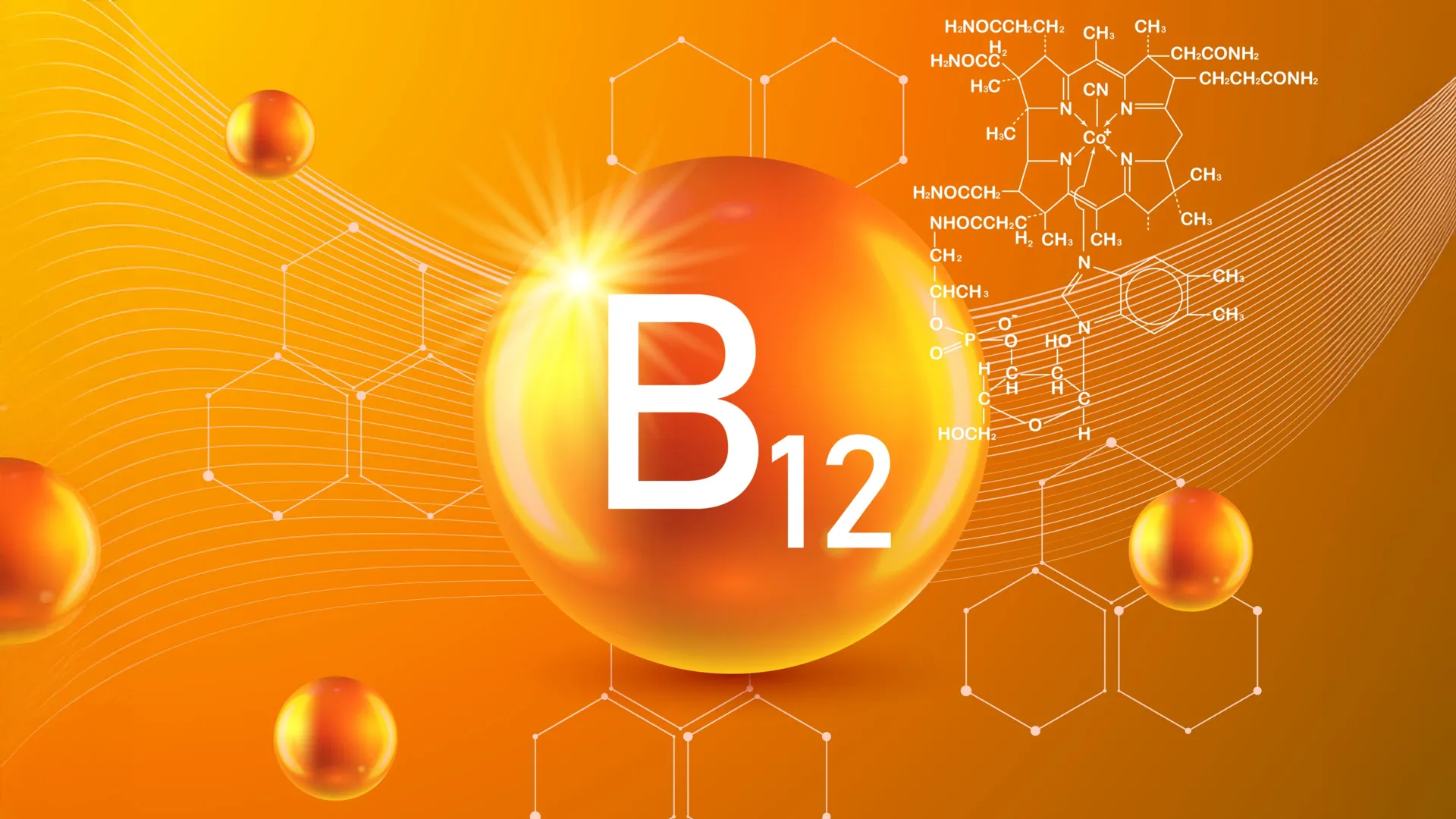
Scientists have unlocked a groundbreaking method to cultivate Spirulina, a nutrient-rich algae, yielding biologically active vitamin B12 at levels that rival those found in beef. This significant advancement promises to address a critical nutritional deficiency for a substantial portion of the global population and offers a sustainable alternative to traditional animal-sourced foods. The research, detailed in the recent publication Discover Food, was spearheaded by Dr. Asaf Tzachor, Founder and Academic Director of the Aviram Sustainability and Climate Program at Reichman University, in collaboration with international researchers from Iceland, Denmark, and Austria. By employing sophisticated biotechnology and meticulously controlled photonic conditions, the team has successfully produced carbon-neutral Spirulina biomass abundant in active vitamin B12. This marks the first documented instance of biologically active vitamin B12 being generated in Spirulina through controlled cultivation.
The Pervasive Challenge of Vitamin B12 Deficiency
Vitamin B12, also known as cobalamin, is an indispensable micronutrient, playing a pivotal role in a multitude of physiological processes crucial for human health. Its functions are fundamental to the production of red blood cells, which are vital for oxygen transport throughout the body, and the maintenance of a healthy and properly functioning nervous system. Neurological damage can occur with prolonged deficiency, affecting cognitive function, mood, and motor skills. Epidemiological studies suggest that over a billion individuals worldwide contend with suboptimal levels of this essential vitamin, a figure that underscores the global scale of this nutritional challenge.
Historically, animal products, including meat, poultry, fish, eggs, and dairy, have been primary dietary sources of vitamin B12. These foods naturally contain the vitamin in its active, bioavailable forms. The recommended daily intake (RDI) for vitamin B12, as cited by the research team, is 2.4 micrograms (µg). However, meeting this global demand through conventional animal agriculture presents considerable environmental pressures. The livestock sector is a significant contributor to greenhouse gas emissions, land use change, water consumption, and biodiversity loss, prompting a vigorous search for more sustainable and environmentally responsible food production systems. This context has intensified interest in alternative protein sources and nutrient-dense foods that can be cultivated with a minimized ecological footprint.
Spirulina, a type of blue-green algae (scientifically known as Arthrospira platensis), has long been championed as a potential solution due to its exceptional nutritional profile. It is a rich source of protein, vitamins, minerals, and antioxidants. Furthermore, its cultivation requires significantly less land and water compared to traditional agriculture and animal farming. However, a persistent and substantial impediment to Spirulina’s widespread adoption as a reliable B12 source has been the nature of the vitamin B12 it typically contains.
The Pseudo-Vitamin B12 Hurdle
The majority of vitamin B12 found in conventionally grown Spirulina exists in the form of pseudo-vitamin B12. While chemically similar to the active forms of vitamin B12 that humans require (adenosylcobalamin and methylcobalamin), pseudo-vitamin B12 is largely inactive and poorly absorbed by the human body. This means that even if Spirulina contains high levels of total B12, a significant portion is not bioavailable, rendering it ineffective for preventing or treating vitamin B12 deficiency in humans. This limitation has historically prevented standard Spirulina from serving as a true substitute for animal-sourced vitamin B12 in the diets of individuals seeking to avoid animal products or address their B12 intake.
Photonic Management: Engineering Active B12 in Spirulina
To surmount the pseudo-vitamin B12 challenge, the collaborative research effort brought together expertise from Reichman University, the University of Natural Resources and Life Sciences, Vienna, Ruppin Academic Center, the Danish Technological Institute, and MATIS in Iceland. The team focused their investigation on an innovative biotechnology platform developed by VAXA Technologies, an Icelandic company specializing in advanced algae cultivation. Their exploratory study meticulously examined the platform’s engineering design, its energy and input requirements, and critically, the nutritional composition of the Spirulina biomass it produced.
A cornerstone of VAXA’s technology lies in its sophisticated approach to "photonic management." This involves precisely manipulating the light spectrum and intensity to which the Spirulina is exposed during its growth cycle. By altering the light environment, the researchers were able to influence the algae’s metabolic pathways, encouraging the synthesis of biologically active vitamin B12. This is a departure from traditional cultivation methods, which often use broad-spectrum lighting without specific optimization for nutrient production.
The results of this photonic intervention were striking. The cultivated Spirulina not only demonstrated elevated levels of active vitamin B12 but also exhibited a broader spectrum of beneficial bioactive compounds. These included potent antioxidants, anti-inflammatory agents, and substances known to support immune system function, further enhancing the overall health benefits of the algae.
Quantitatively, the carbon-neutral Spirulina biomass produced under these controlled conditions contained an impressive 1.64 µg of active vitamin B12 per 100 grams. This figure is directly comparable to, and in some cases exceeds, the active vitamin B12 content typically found in beef, which ranges from 0.7 to 1.5 µg per 100 grams. This direct comparison highlights the potential of this biotechnological approach to provide a viable, plant-based alternative for meeting vitamin B12 requirements.
Dr. Asaf Tzachor emphasized the significance of these findings, stating, "The findings demonstrate that photosynthetically controlled Spirulina can produce desirable levels of active vitamin B12, offering a sustainable alternative to traditional animal-source foods." This statement underscores the dual benefit of the research: addressing a critical nutritional need while simultaneously promoting environmental sustainability.
Scaling Up: The Potential for Global Impact
Beyond the laboratory findings, the researchers delved into the feasibility and potential impact of scaling up this innovative cultivation system. They explored hypothetical scenarios to project the capacity of this technology to contribute to global vitamin B12 supply.
In one compelling scenario, the researchers considered the reallocation of electricity currently consumed by heavy industry in Iceland. Their calculations suggest that such a redirection of energy resources could support the annual production of approximately 277,950 tonnes of Spirulina biomass. This substantial output, they estimate, would yield roughly 4,555 grams of active vitamin B12 per year.
To contextualize this figure, the researchers projected how this quantity of vitamin B12 could contribute to meeting the RDI for vulnerable populations. Based on their estimates, this amount of active B12 could fulfill the recommended dietary allowance for over 13.8 million children aged 1-3 years.
More ambitious scale-up projections painted an even more significant picture. In further scenarios, they envisioned production levels that could potentially satisfy the vitamin B12 RDI for more than 26.5 million children aged 1-3 and over 50 million infants aged 0-6 months annually. While these figures represent projections based on potential large-scale implementation rather than current production realities, they powerfully illustrate the immense nutritional potential inherent in this biotechnologically enhanced Spirulina cultivation. This analysis provides a strong case for investment and further development in this area.
A Sustainable Pathway to Essential Nutrition
The successful scaling of this photosynthetically controlled Spirulina cultivation method could represent a paradigm shift in addressing vitamin B12 deficiency globally. It offers a tangible pathway to reduce reliance on animal agriculture for this essential nutrient, thereby mitigating its associated environmental consequences. This breakthrough aligns with broader efforts to transition towards more sustainable food systems that are both nutritionally adequate and ecologically responsible.
This research also serves as a compelling testament to the transformative power of biotechnology in reshaping the nutritional landscape of food sources. Instead of merely cultivating conventional strains of Spirulina, scientists are now actively engineering the growth conditions to optimize the production of specific, highly beneficial compounds. This targeted approach to nutrient enhancement moves beyond traditional agricultural practices and opens new avenues for developing functional foods.
While the findings are highly promising and represent a significant stride towards developing more sustainable sources of essential nutrients, further research and development are imperative. Large-scale production trials and rigorous efficacy studies will be crucial to validate the long-term benefits and determine how this technology can be effectively integrated into global food supply chains. The journey from laboratory breakthrough to widespread adoption is complex, requiring investment, regulatory approvals, and consumer acceptance.
The Aviram Sustainability and Climate Program at Reichman University, established in response to escalating environmental and public health crises, plays a vital role in fostering such innovations. By training students from diverse academic backgrounds, the program cultivates a new generation of professionals equipped to devise strategies for resource scarcity, climate change mitigation, and the pressing challenges of food, water, and energy security. This research on Spirulina exemplifies the program’s commitment to driving tangible solutions for a more sustainable and healthier future. The implications of this discovery extend beyond mere nutritional supplementation; they represent a fundamental re-evaluation of how we can harness biological systems and advanced technology to meet humanity’s most critical needs in an era of unprecedented environmental change.
