
 By admin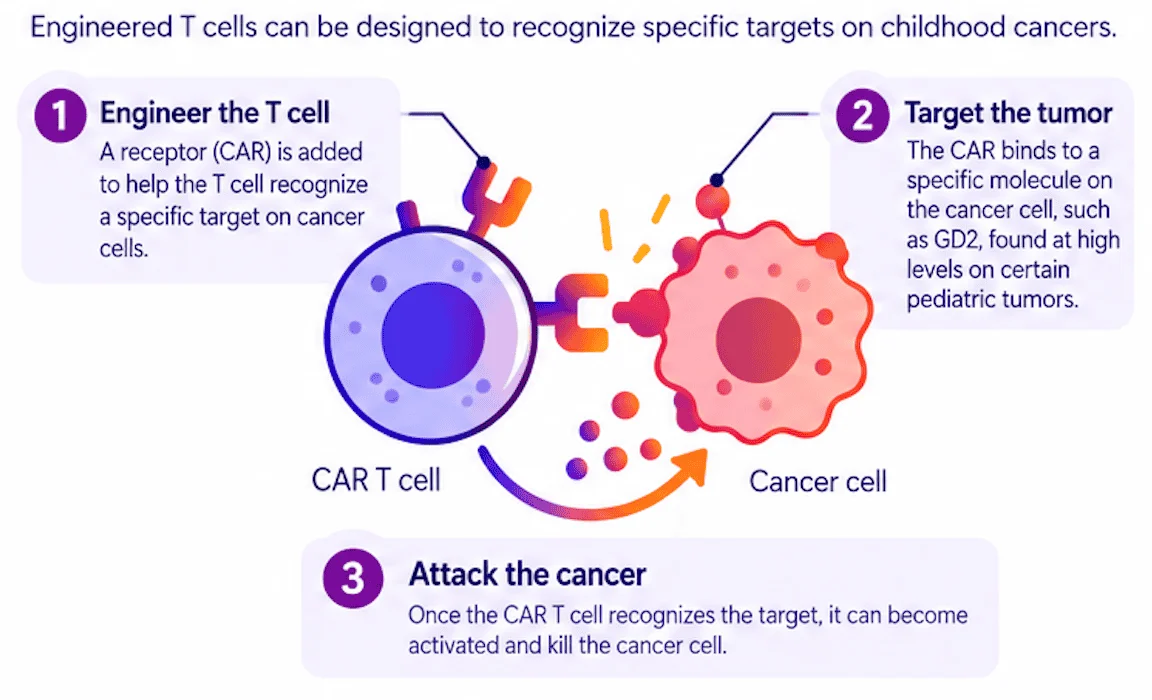
Over the past several decades, the landscape of childhood cancer treatment has undergone a dramatic transformation, leading to significant improvements in survival rates. Today, a substantial majority of children diagnosed with cancer can expect to overcome their disease, a testament to relentless advancements in medical science and therapeutic strategies. However, this encouraging progress, while monumental, does not paint the complete picture of the pediatric oncology challenge. A closer examination reveals persistent, critical unmet needs that underscore the urgency for continued innovation. Certain childhood cancers remain exceptionally difficult to treat, often resistant to conventional therapies, leaving families with limited options. Furthermore, even when treatment is successful, the intensive and often toxic nature of standard therapies – encompassing chemotherapy, radiation, and surgery – can inflict a heavy toll, leaving survivors with a range of health effects that can endure for decades, severely impacting their quality of life long after remission. A crucial factor compounding these challenges is the fundamental biological distinction between childhood and adult cancers, meaning that many transformative advances in adult oncology cannot simply be adapted for younger patients.
Recognizing these profound differences, the Cancer Research Institute (CRI) has spotlighted the innovative work of Robbie Majzner, MD, a leading pediatric oncologist and physician-scientist. Dr. Majzner, a distinguished CRI Lloyd J. Old STAR, is at the forefront of exploring how immunotherapy can be harnessed to address some of the most formidable obstacles in treating childhood cancers. His research is not merely seeking incremental improvements but rather aims to fundamentally redefine the therapeutic approach, moving towards treatments that are both more effective and less debilitating for children.
The Unique Biology of Childhood Cancers: Why a Different Approach is Needed
Childhood cancer is not a monolithic disease but a diverse group of malignancies, each with its own distinct characteristics and challenges. This broad category encompasses various forms of leukemias, aggressive brain tumors like diffuse midline glioma, neuroblastoma, kidney tumors such as Wilms tumor, sarcomas, and numerous other rare cancer types. Annually, an estimated 16,000 children and adolescents (ages 0-19) are diagnosed with cancer in the United States alone, making it the leading cause of death by disease among children. Globally, this figure approaches 400,000 new cases each year. While overall survival rates have climbed to over 80% in high-income countries, this average masks significant disparities, with survival for certain cancer types, like some brain tumors or aggressive sarcomas, remaining below 30-40%.
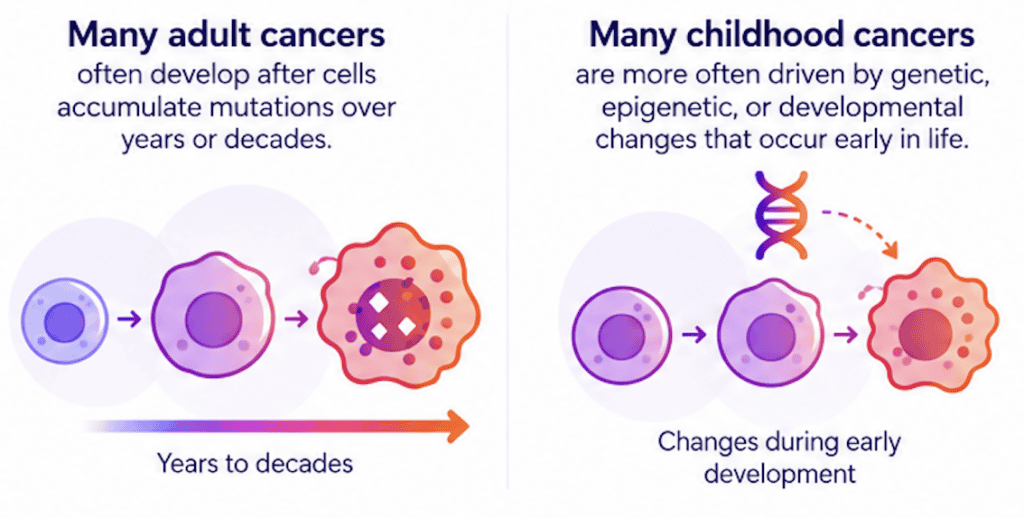
The underlying biology of pediatric cancers fundamentally diverges from those that develop in adults. Many adult cancers arise from the accumulation of genetic mutations over years or even decades, often linked to environmental exposures, lifestyle factors, and the natural aging process. These accumulated mutations create a unique "mutational signature" that the immune system, particularly with the aid of therapies like immune checkpoint inhibitors, can learn to recognize and target. In stark contrast, childhood cancers are more frequently driven by genetic, epigenetic, or developmental abnormalities. As Dr. Majzner explains, many pediatric cancers are essentially "a product of aberrant development"—a process where something goes awry as cells navigate their normal developmental pathways. This often results in cancers with fewer somatic mutations, meaning there are fewer "red flags" for the immune system to detect.
Furthermore, the sheer diversity within childhood cancers poses a significant hurdle for drug development. A leukemia is biologically distinct from a brain tumor, which in turn differs profoundly from a sarcoma. Even within these broad categories, there are numerous subtypes, each with its unique molecular fingerprint. This combination of rare individual diseases, unique biological drivers, and often small patient populations makes the development of targeted treatments, including immunotherapies, exceptionally complex and resource-intensive. The traditional pharmaceutical model, which often prioritizes therapies for larger patient populations, struggles to adequately address these "orphan diseases."
Immunotherapy’s Potential and Puzzles in Pediatric Oncology
Immunotherapy has heralded a new era in adult cancer treatment, particularly with the advent of immune checkpoint inhibitors. These groundbreaking therapies work by "releasing the brakes" on T cells, allowing them to mount a more robust attack against cancer cells. By blocking proteins like PD-1 or CTLA-4, which normally dampen immune responses, checkpoint inhibitors have transformed outcomes for patients with melanoma, lung cancer, and other adult malignancies.
However, the impressive success seen in adults has not consistently translated to pediatric cancers. Dr. Majzner highlights a critical immunobiological difference: "It’s not a trickle-down approach that we can just take what works in adult oncology and use it in pediatrics. They have a fundamentally different immunobiology." Many pediatric cancers, characterized by their lower mutational burden, present fewer neoantigens—the abnormal proteins that act as immune system targets. If the T cells are not strongly recognizing the tumor in the first place, simply removing the immune system’s brakes may not be sufficient to elicit a powerful anti-tumor response. This explains why checkpoint inhibitors have shown more limited efficacy in many common pediatric cancers compared to their adult counterparts.
Instead, researchers like Dr. Majzner are investigating strategies to actively direct and empower the immune system against childhood cancers. One of the most promising and transformative approaches is Chimeric Antigen Receptor (CAR) T-cell therapy. This revolutionary treatment involves genetically engineering a patient’s own T cells in a laboratory to express a synthetic receptor, the CAR, designed to recognize a specific protein target on cancer cells. Once infused back into the patient, these "living drugs" proliferate and systematically seek out and destroy tumor cells expressing the target antigen. Dr. Majzner aptly describes this strategy as creating a "synthetic immune response," essentially reprogramming the killing power of T cells to overcome their natural failure to recognize certain tumors.
A Timeline of Immunotherapy Milestones in Pediatric Oncology
The journey towards effective pediatric immunotherapy has been marked by several key developments:
- 1990s: Early concepts of gene therapy and T-cell engineering emerge. Researchers begin to understand how to modify T cells to target specific antigens.
- 2000s: Pre-clinical studies demonstrate the potential of CAR T-cells in laboratory settings. Initial human trials for CAR T-cell therapy begin, albeit with limited success and significant toxicity challenges.
- 2010-2012: Breakthroughs in CAR T-cell design, particularly with the incorporation of co-stimulatory domains, lead to significantly improved efficacy and persistence of engineered T cells. Early clinical trials in pediatric acute lymphoblastic leukemia (ALL) begin to show dramatic and unprecedented response rates.
- 2017: The U.S. Food and Drug Administration (FDA) grants accelerated approval to Kymriah (tisagenlecleucel), the first CAR T-cell therapy, specifically for pediatric and young adult patients with relapsed or refractory B-cell ALL. This marked a paradigm shift, demonstrating the power of cellular immunotherapy in a pediatric population.
- Present: Researchers are actively working to extend the success of CAR T-cell therapy beyond hematological malignancies (like ALL) to solid tumors, which present unique challenges due to their complex microenvironments, heterogeneous antigen expression, and physical barriers.
Building Better CAR T Cells for Childhood Solid Tumors: Dr. Majzner’s Research
Dr. Majzner’s laboratory is dedicated to tackling both sides of the CAR T-cell therapy challenge: enhancing the engineered immune cell itself and precisely identifying and characterizing the cancer targets it needs to recognize. His team’s research focuses on the intricate signaling pathways within CAR T cells after they encounter cancer cells. By understanding how these signals are transmitted, they can design novel CAR receptors that make the T cells more effective, durable, and, crucially, better able to differentiate between cancerous and healthy tissue, thereby minimizing off-target toxicities. Concurrently, his researchers meticulously study potential targets on pediatric tumors, investigating why these targets appear, how their expression is regulated, and the implications when only a subset of cancer cells express them—a phenomenon known as antigen heterogeneity, which can lead to tumor escape.
A compelling example of this dual approach involves GD2, a ganglioside molecule found at high levels on the surface of several pediatric tumors, including neuroblastoma and, importantly, diffuse midline glioma (DMG). DMG is an aggressive, infiltrative brain tumor that typically affects children, with a median survival of less than one year. It has historically been notoriously difficult to treat due to its location in critical brainstem structures and its resistance to conventional therapies.
While at Stanford University, Dr. Majzner and his colleagues made a pivotal discovery, demonstrating that the unique biology of DMG drives the robust expression of GD2 on its cell surface. This finding was transformative, providing a strong rationale for investigating GD2-targeted CAR T cells as a therapeutic strategy for DMG. Early clinical research following this discovery has since yielded encouraging signs of activity in patients. Some patients have shown sustained long-term responses, while others have experienced significant improvements in debilitating neurological symptoms, offering a glimmer of hope where previously there was little. Dr. Majzner’s current research continues to build on these vital lessons, aiming to develop next-generation CAR receptor designs and explore innovative ways to extend the benefits of cell therapy to a broader spectrum of pediatric solid tumors.
Making Room for High-Risk Ideas: The Importance of Flexible Funding
The kind of groundbreaking, foundational research conducted by Dr. Majzner’s team, particularly in rare diseases like pediatric cancers, often involves high-risk ideas with uncertain immediate outcomes. This is where the support from organizations like the Cancer Research Institute becomes indispensable. As a CRI Lloyd J. Old STAR, Dr. Majzner benefits from flexible, unrestricted funding, allowing his laboratory to pursue fundamental scientific questions that may not have immediate clinical applications but are essential for future breakthroughs.
His team delves into basic T-cell signaling mechanisms and develops entirely new technologies—work that can be challenging to fund through traditional grant mechanisms, which often favor projects with more predictable results, especially in the context of rare cancers. "If you just shut down all high-risk ideas, we will never get new technologies," Dr. Majzner asserts. His own research beautifully illustrates this point. The sophisticated CAR receptors his team engineers today are built upon basic discoveries made decades ago by scientists studying the intricate ways T cells signal—research conducted without any foreknowledge of how that fundamental knowledge might eventually be applied to save lives. This underscores the critical importance of supporting curiosity-driven science, which forms the bedrock for future therapeutic innovations.
What Comes Next for Childhood Cancer Immunotherapy? Broader Impact and Implications
For Dr. Majzner, one of the most exhilarating prospects is the expansion of cell therapy’s power to more solid tumors. While challenges remain, researchers are now beginning to observe tangible signs that these innovative approaches can be effective for some patients, simultaneously learning how to refine and strengthen these responses for greater consistency and broader applicability. The goal is to move beyond isolated successes to establish robust and reliable therapeutic platforms.
Beyond enhancing current CAR T-cell designs, scientists are also actively exploring novel methods to make cell therapy production and delivery more accessible and less burdensome. One emerging and highly promising approach is in vivo CAR T-cell therapy, which aims to generate CAR T cells directly inside the patient’s body, circumventing the complex, costly, and time-consuming process of ex vivo engineering in a specialized laboratory. This could dramatically improve access to these therapies, particularly in resource-limited settings. Other innovative treatments are also beginning to make inroads into pediatric oncology, including advanced antibody-based therapies, such as bispecific antibodies that can simultaneously bind to cancer cells and T cells, and antibody-drug conjugates (ADCs), which deliver potent chemotherapy agents directly to cancer cells via a targeted antibody.
These diverse approaches collectively reflect a larger, crucial paradigm shift in pediatric oncology: moving beyond merely adapting treatments developed for adults and instead designing therapies specifically tailored to the unique biology of childhood cancers. This child-centric approach promises to unlock new avenues for treatment that are both more effective and inherently less toxic.
The history of pediatric oncology has already demonstrated the profound impact that sustained, dedicated research can accomplish. The dramatic increase in survival rates over the past half-century is a powerful testament to this commitment. However, for the children whose cancers still have alarmingly few treatment options—and for the countless survivors who must contend with the debilitating, lifelong effects of aggressive treatments—there is unequivocally more work ahead. The next chapter of childhood cancer research is not solely focused on helping more children survive; it is equally, if not more, about developing treatments that can grant them not just survival, but a future filled with healthy, vibrant years, free from the shadow of long-term medical complications. This holistic vision, championed by researchers like Dr. Majzner and supported by organizations like the CRI, represents the unwavering commitment to a brighter, healthier future for every child touched by cancer.
