
 By admin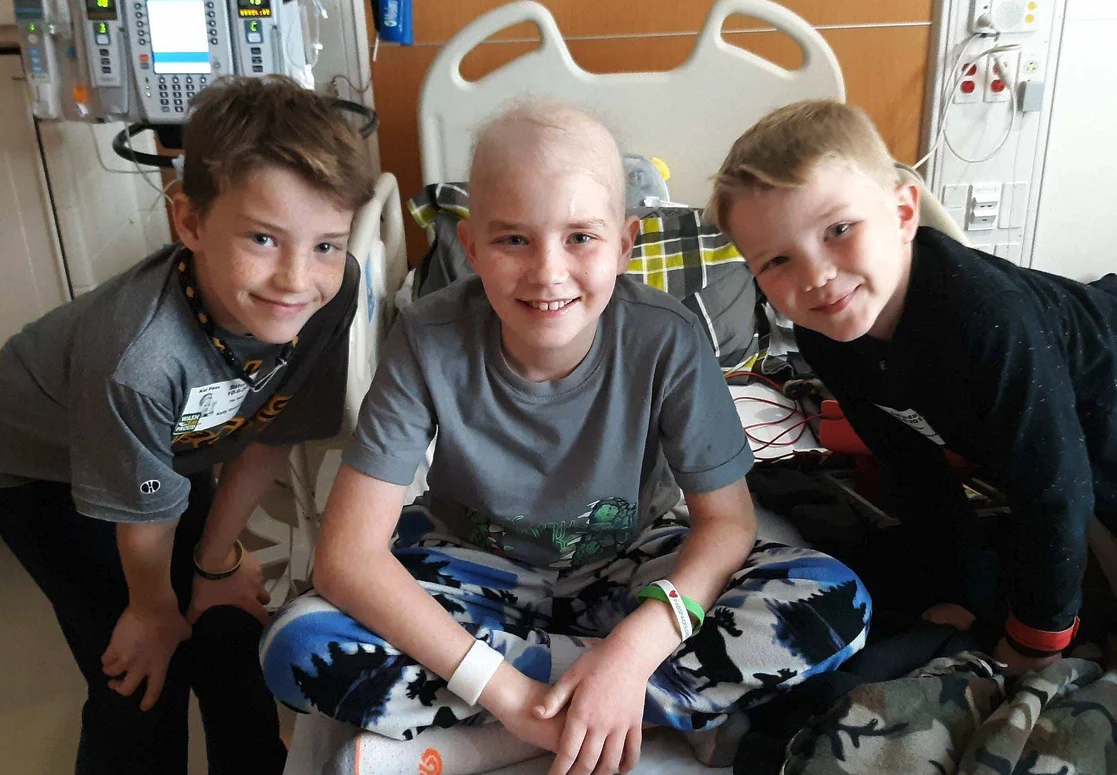
The transition from a pediatric oncology ward back to the normalcy of adolescence is often framed as a triumphant conclusion to a harrowing ordeal; however, for many survivors, the eradication of cancer cells marks only the beginning of a second, often more invisible, battle. For Cole, a young man who was diagnosed with an aggressive form of cancer at the age of 11, the path to a sustainable future was not found in the sterile environment of a hospital, but in the high-pressure, fast-paced atmosphere of a professional kitchen. Now 19, Cole’s journey from a life-threatening diagnosis to a promising culinary career in Switzerland and Montana highlights the systemic gaps in post-treatment support and the profound role of vocational purpose in mental health recovery.
The Medical Challenge: Confronting Burkitt’s Lymphoma
In 2018, Cole was diagnosed with Burkitt’s lymphoma, a rare but highly aggressive form of B-cell non-Hodgkin lymphoma. According to medical literature, Burkitt’s lymphoma is characterized by rapid cell proliferation, often doubling in size within 24 hours. For Cole, the malignancy manifested as a tumor growing behind his nose, causing debilitating headaches and agonizing pressure that he described as feeling like water trapped in his ears, but with significantly more intensity.
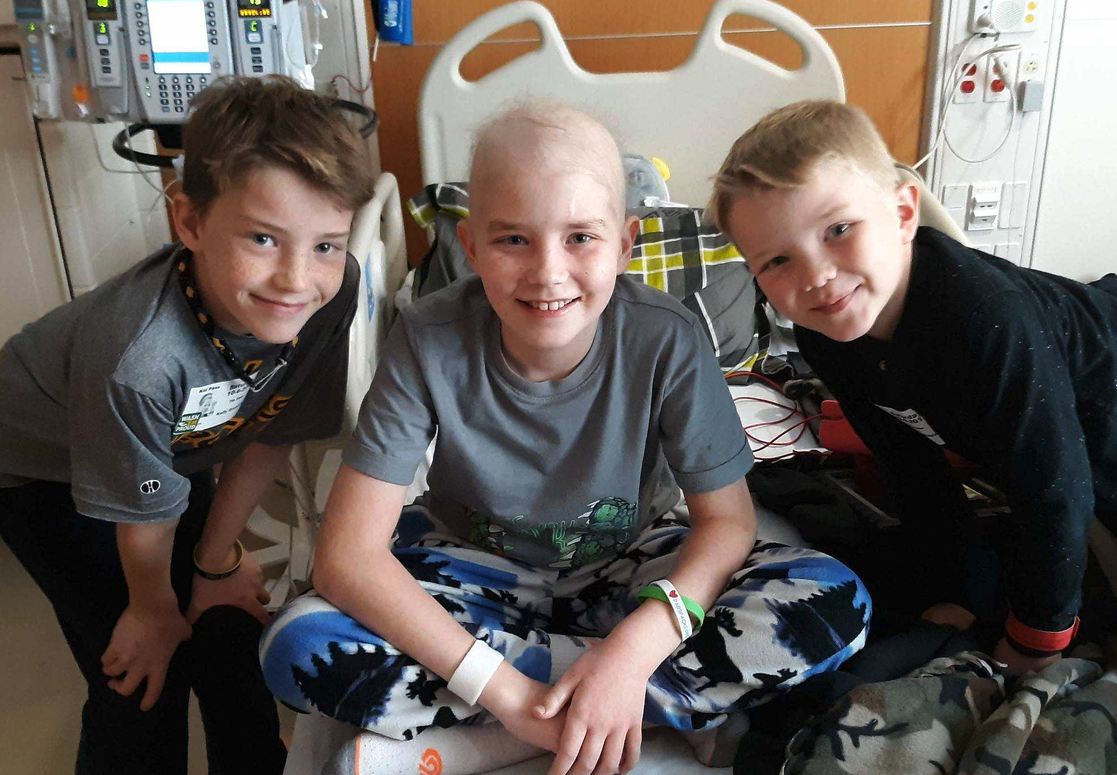
The clinical response to Burkitt’s lymphoma is necessarily intense. Cole’s treatment regimen, which spanned from August to December 2018, required him to be hospitalized for the majority of that period. His protocol included four and a half rounds of high-dose chemotherapy, multiple surgical interventions, and frequent lumbar punctures—a procedure used to check for the spread of cancer to the central nervous system or to deliver chemotherapy directly into the spinal fluid.

While the treatment was physically grueling, it was successful in its primary objective. By February 2019, Cole’s cancer was in remission, and he returned to school. To the outside observer, the "battle" had been won. Cole attempted to reintegrate into his previous life, rejoining his friends and eventually returning to the hockey rink. However, the internal landscape had shifted. The physical toll of the chemotherapy had left him with short-term memory loss—a phenomenon often referred to as "chemo brain"—and physical limitations that forced him to work twice as hard as his peers to maintain his academic and athletic standing.
The Invisible Crisis: The "Perfect Storm" of 2020
The narrative of the "resilient survivor" often masks the delayed psychological impact of medical trauma. For Cole, the fragile equilibrium he maintained during 2019 began to disintegrate in 2020. The onset of the COVID-19 pandemic introduced a period of profound isolation, removing the social safety nets of school and sports. Simultaneously, his family structure was undergoing a significant shift as his parents navigated a divorce.
This convergence of factors—post-traumatic stress from cancer treatment, the cognitive challenges of "chemo brain," the isolation of a global pandemic, and domestic instability—created what Cole described as a "cocktail" of pressure. Deprived of healthy outlets, he began a downward spiral characterized by negative thought patterns, self-harm, and substance abuse involving marijuana, nicotine, and alcohol.
The crisis reached a breaking point shortly after his 15th birthday when he arrived at school intoxicated and was subsequently transported to the emergency room. It was here that the disconnect between medical survival and psychological well-being became starkly apparent. While medical professionals noted the irony of a cancer survivor engaging in self-destructive behavior, the path toward mental health recovery was significantly less clear than the path toward physical remission.
Systemic Gaps in Adolescent and Young Adult (AYA) Oncology Care
Cole’s experience is reflective of a broader trend within the Adolescent and Young Adult (AYA) oncology community. Research published in the Journal of Clinical Oncology indicates that AYA cancer survivors are at a significantly higher risk for anxiety, depression, and post-traumatic stress disorder (PTSD) compared to their peers who have not faced a life-threatening illness. Furthermore, survivors are more likely to engage in risk-taking behaviors, including substance abuse, as a maladaptive coping mechanism for the trauma they endured at a formative age.
For Cole’s mother, Kelly, the challenge was compounded by a lack of specialized resources. While the community was quick to offer support during the acute phase of cancer treatment, that support often evaporated when the challenges shifted to mental health and behavioral issues. "It was easier to find community during chemo," Kelly noted, highlighting the stigma that still surrounds mental health crises and substance abuse in teenagers.
The family found that the healthcare system was ill-equipped to handle the transition from oncology to psychiatry. Wait times for mental health services were prohibitively long, and the standard therapeutic approaches—while helpful to a degree—often felt like an additional source of pressure for a teenager who was already struggling with a sense of failure. Cole noted that even when he followed the recommended strategies, such as physical activity or mindfulness, the lack of immediate results often led to further frustration and an "all or nothing" mentality regarding his recovery.
The Therapeutic Value of Professional Purpose
The turning point in Cole’s recovery did not occur in a therapist’s office, but in a casino kitchen where he began working as a dishwasher at age 15. This vocational engagement provided a different kind of pressure—one that was external, productive, and manageable. In the culinary world, the "deadlines" were measured in minutes rather than weeks, providing a constant stream of immediate tasks that effectively crowded out negative thought spirals.
The executive chef at the casino recognized Cole’s potential and leveraged his interest in cooking as an incentive for behavioral change. The agreement was clear: if Cole improved his academic performance and maintained sobriety, he would be given a position on the line when he turned 16. This provided Cole with a tangible goal and a sense of agency that had been stripped away during his years as a passive patient in the oncology ward.
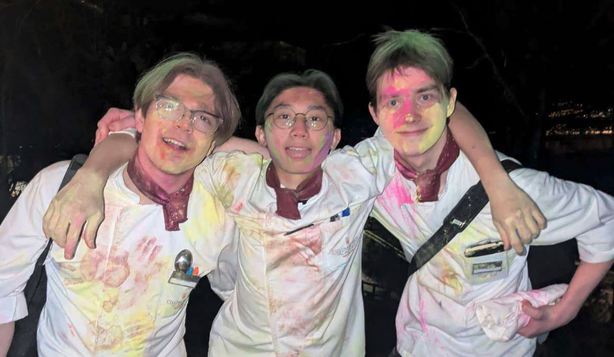
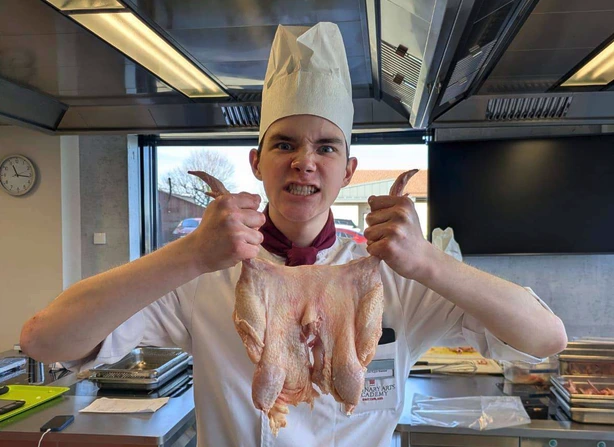
Over the next three summers, Cole advanced from the dish pit to the grill, eventually mastering the sauté station, ovens, and broilers. By the time he was working in a high-end steakhouse, he was not just a participant but a leader in the kitchen. The ability to manage the "chaos" of a dinner rush provided a boost to his self-esteem that years of traditional therapy had struggled to achieve. In the kitchen, Cole was no longer "the kid who had cancer"; he was a vital component of a high-performing team.
Global Education and Career Trajectory
Cole’s commitment to his new craft led him to Switzerland, home to some of the world’s most prestigious culinary and hospitality institutions. In the fall of 2026, he began a formal culinary program that expanded his technical skills and global network. The Swiss education model, which emphasizes both rigorous technical training and international internships, allowed Cole to view his career through a global lens.
Currently, Cole is honing his skills in Montana, working alongside veteran chefs and restaurant managers. His goal is to establish a reputation for speed and reliability within major international hotel chains. He has expressed a desire to return to Europe, moving from one high-stakes kitchen to the next, building a career defined by his skills rather than his medical history.
While Cole acknowledges that his recovery is ongoing—he still manages negative thought patterns and is working to end his dependence on nicotine—his perspective has shifted. He has moved away from the "all or nothing" approach to healing, embracing the concept of incremental progress. "You can’t do it all at once," he said. "You have to do it little by little."
Broader Impact and Policy Implications
Cole’s story serves as a critical case study for the evolving field of survivorship care. As medical advancements continue to improve the survival rates for pediatric and AYA cancers, the healthcare industry must address the long-term psychological and social needs of this population.
- Integrated Care Models: There is a growing need for oncology programs to integrate mental health screenings and support services not just during treatment, but for years following the conclusion of medical intervention.
- Addressing "Chemo Brain": Educational institutions require better frameworks to support students dealing with the cognitive side effects of chemotherapy, ensuring they are not penalized for the long-term neurological impacts of their life-saving treatments.
- Vocational Therapy: Cole’s success in the culinary industry suggests that for some survivors, vocational engagement and the development of tangible skills can serve as a powerful adjunct to traditional mental health therapies.
- Reducing Stigma: The isolation felt by Cole’s family during his mental health crisis highlights the need for community education regarding the "invisible" side of cancer survival.
Cole’s transition from a vulnerable patient to a confident culinary professional illustrates that survival is not merely the absence of disease, but the presence of purpose. By focusing on one ticket, one steak, and one shift at a time, he has reclaimed a future that was once defined by a diagnosis, proving that the most effective healing often happens outside the hospital walls.
