
 By admin
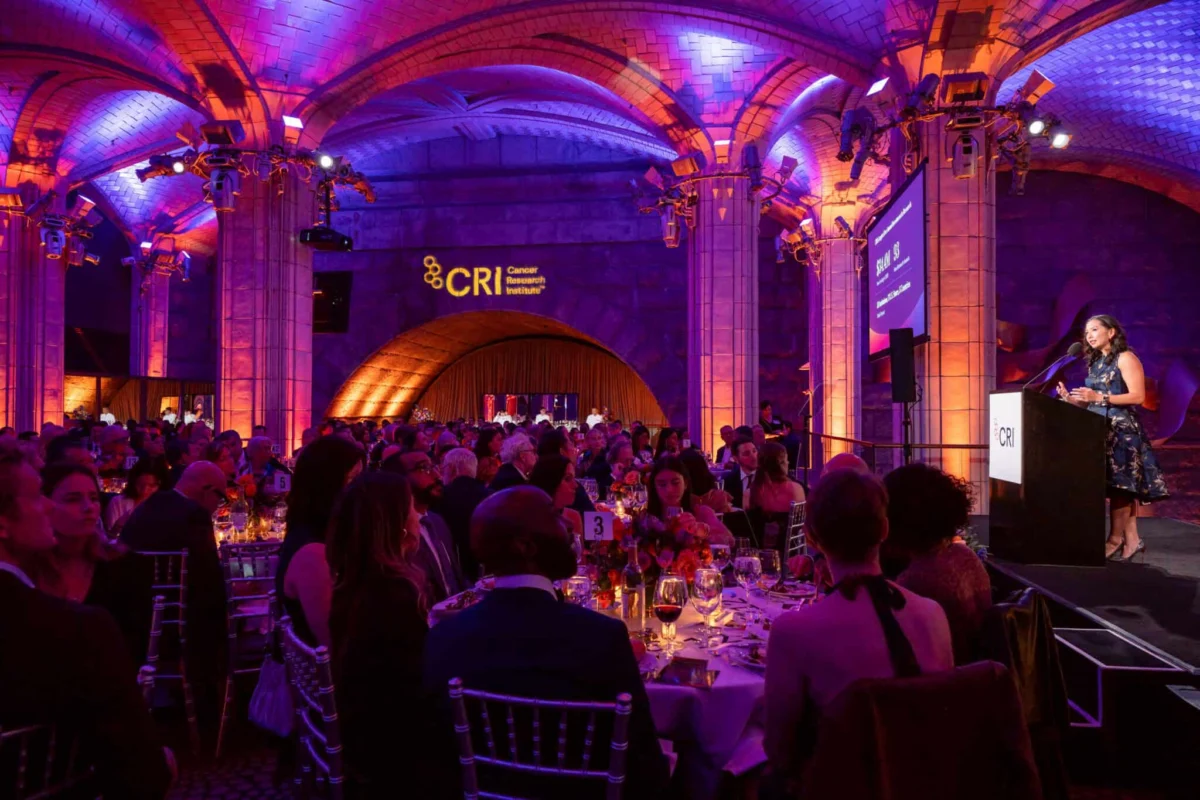
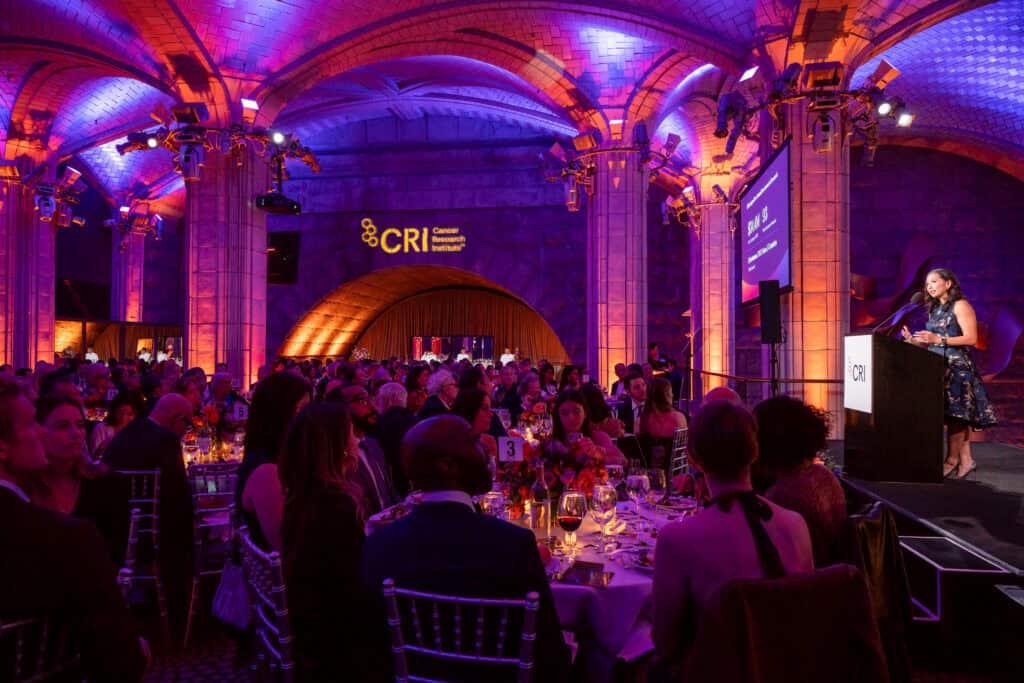
New York, NY – The Cancer Research Institute (CRI) converged scientists, philanthropists, and patient advocates at its 2026 Annual Awards Gala on Tuesday, October 20, at Guastavino’s in New York City. Operating under the evocative theme, “Next is Now,” the evening served as a powerful testament to the relentless pursuit of cancer cures, celebrating groundbreaking advancements in immunotherapy and securing over $1.6 million in vital funding for future research. The gala underscored a fundamental truth: every significant medical breakthrough begins not with a treatment, but with a foundational question and the unwavering support that empowers scientists to explore it.
Setting the Stage: A Night of "Next is Now"
The grandeur of Guastavino’s provided a fitting backdrop for an evening dedicated to hope and scientific ambition. Veteran journalist and breast cancer survivor Athena Jones skillfully hosted the event, lending her voice and personal experience to the proceedings, reminding attendees of the profound human stakes involved in cancer research. The “Next is Now” theme resonated throughout the night, encapsulating CRI’s commitment to accelerating the transition of promising scientific discoveries into tangible clinical applications. It highlighted the current inflection point in cancer immunotherapy, where rapid advancements in biology, data analytics, and artificial intelligence are converging to unlock unprecedented insights into cancer and the immune system. These sophisticated tools are not merely academic curiosities but represent concrete opportunities to forge novel connections and develop innovative therapeutic strategies that promise to deliver more effective treatments to a broader patient population.
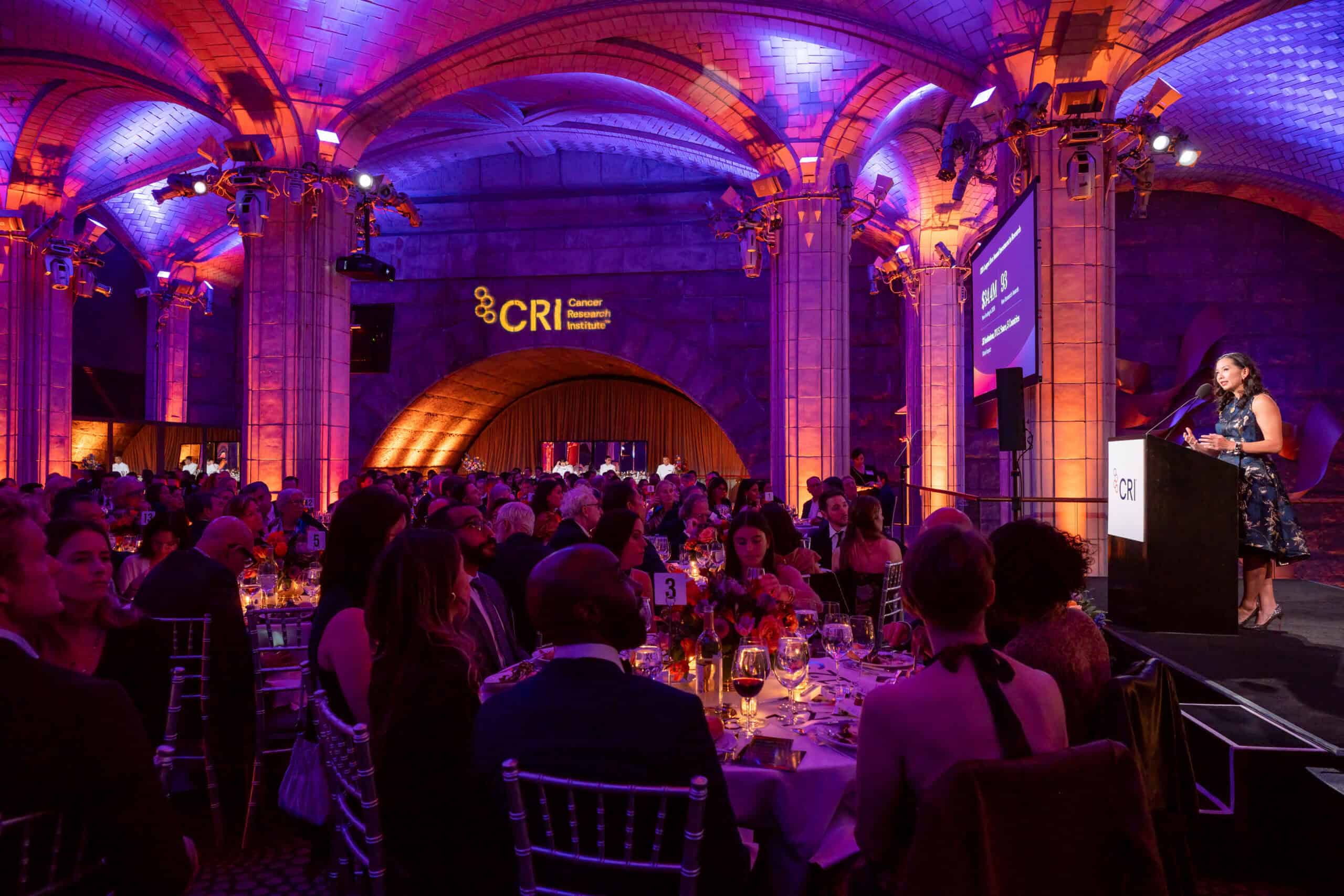
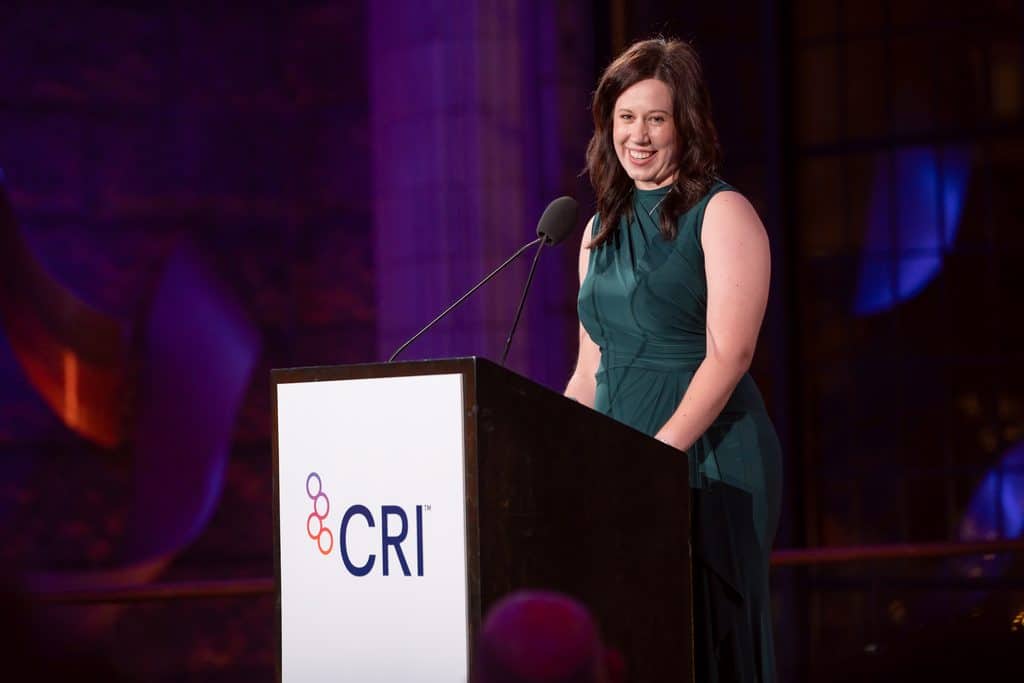
Alicia Zhou, PhD, CEO of CRI, articulated this vision in her opening remarks, emphasizing the critical juncture at which the scientific community stands. "The challenge now is to turn promising results into treatments that work reliably for more people," Dr. Zhou stated. She stressed that the complexity of this endeavor transcends the capabilities of any single laboratory, institution, or discipline. "An increasingly important part of CRI’s role is to bring scientists together to tackle the questions they can’t answer in isolation," she added, highlighting the collaborative spirit essential for navigating the intricate landscape of modern cancer research. This collaborative ethos, a cornerstone of CRI’s operational philosophy since its inception, aims to dismantle traditional silos, fostering an environment where diverse expertise can coalesce to accelerate discovery.
A Legacy Honored: Remembering Adam Shapiro
A poignant moment of the evening was dedicated to the memory of Adam Shapiro, a cherished member of the CRI board whose life was tragically cut short by cancer, yet profoundly extended by immunotherapy. His wife delivered a heartfelt tribute, painting a vivid portrait of a man remembered for his humor, kindness, and deep devotion to his family. She shared intimate anecdotes – his elaborate voices during story time, his endearingly off-key singing – moments that captured the essence of Adam’s unique spirit and the qualities that live on in their sons, Arthur and Eli.
Her powerful testimony underscored the tangible impact of immunotherapy, crediting it with granting Adam precious years of full and productive life following his diagnosis of metastatic cancer. These additional years, she stressed, were not a stroke of luck but the direct result of tireless, often unsung, years of dedicated research, sustained funding, rigorous testing, and innovative experimentation. Adam’s commitment to CRI, she explained, stemmed from his personal experience and a profound desire to pay forward the gift of time he received, by supporting the very work that had offered him and his family such invaluable moments. His involvement on the board was a testament to his belief in the potential of research to transform other families’ futures.
"There is so much cause for hope, but cancer just still kills far too many, far too soon," she lamented, a stark reminder of the urgent need for continued progress. She extended a compelling invitation to all guests, urging them to perpetuate Adam’s legacy by investing in the next generation of research and treatments. Her plea was simple yet profound: to ensure that more families are afforded the irreplaceable gift of more time together, echoing the profound impact that such advancements had on her own family. This segment served as a powerful emotional anchor, connecting the abstract world of scientific endeavor to the very real and deeply personal experiences of those touched by cancer.
Pioneering Philanthropy: Reed Jobs and the Oliver R. Grace Award
The Oliver R. Grace Award for Distinguished Service in Advancing Cancer Research, an accolade recognizing exemplary leadership in philanthropy, advocacy, and awareness, was bestowed upon Reed Jobs. His innovative approach to funding oncology research has emerged as a critical catalyst in bridging the gap between nascent scientific discoveries and their clinical application. As the visionary founder of Yosemite, an oncology-focused venture firm, Jobs has pioneered a distinctive model that strategically pairs philanthropic capital with venture investment. This hybrid framework is designed to nurture promising early-stage ideas emanating from university laboratories, providing the essential support needed to shepherd them through the crucial, often underfunded, journey toward clinical proof-of-concept.
During his acceptance remarks, Jobs articulated the foundational philosophy underpinning Yosemite: "At the core of it, my company has a simple supposition, which is that the cures to cancer have not yet been made, and we need to go out and make them." He emphasized the firm’s dedication to identifying and backing the most ambitious and transformative ideas in the oncology space. This commitment is deeply personal, shaped by his family’s profound experience with cancer, which instilled in him an unwavering resolve to empower scientists in their quest for better treatments. His vision is audacious: to render cancer nonlethal within our lifetime. This shares a fundamental tenet with CRI’s long-standing mission: the imperative to support discovery long before its full potential is unequivocally established, recognizing that true innovation often begins with a leap of faith into uncharted scientific territory. This strategic blend of charitable giving and shrewd investment represents a significant evolution in the funding landscape for medical research, offering a sustainable pathway for high-risk, high-reward projects that might otherwise languish due to conventional funding constraints.

The Patient’s Perspective: Molly Hones’ "Moonshot" Journey
Molly Hones, a cancer survivor whose journey powerfully illustrates the life-altering potential of cutting-edge research, shared her extraordinary story. Diagnosed with a rare form of liver cancer that had metastasized to her lungs, Molly found herself confronting the grim reality of a terminal prognosis and began making preparations for the end of her life. However, a glimmer of hope emerged when she learned of her eligibility for a clinical trial at Johns Hopkins. This trial was investigating an experimental cancer vaccine administered in combination with checkpoint immunotherapy, a novel approach designed to harness the body’s own immune system to combat cancer.
Molly enrolled in the trial not with the certainty of a cure, but with a profound sense of purpose: that her participation, regardless of her personal outcome, might contribute valuable data to help future patients. Two weeks into this arduous treatment, her life was struck by another devastating blow – the unexpected death of her husband, Grant. Amidst her grief, she drew strength from his enduring encouragement to embrace life fully, and she resolved to continue traveling and pursuing her passions. Her resilience was rewarded in a way that defied medical expectations. Within months, follow-up scans revealed that the four cancerous nodules in her lungs had completely vanished. This September, she celebrated a remarkable two years of complete remission, a testament to the power of scientific innovation and her own indomitable spirit.
Addressing the gala’s supporters, Molly delivered a powerful reminder of the cyclical nature of medical progress. She stressed the critical importance of funding research long before any individual knows they will desperately need it. "When I joined the trial, I thought I was doing it for the person who would come after me," she reflected. "Now I understand that people before me had already done that for me." Her words resonated deeply, encapsulating the collective responsibility and interconnectedness of the fight against cancer. Her "moonshot" was not merely a personal triumph but a vivid illustration of the exponential impact that sustained investment in pioneering research can have on countless lives.
Unlocking Innate Immunity: Dr. Eric Vivier and the William B. Coley Award
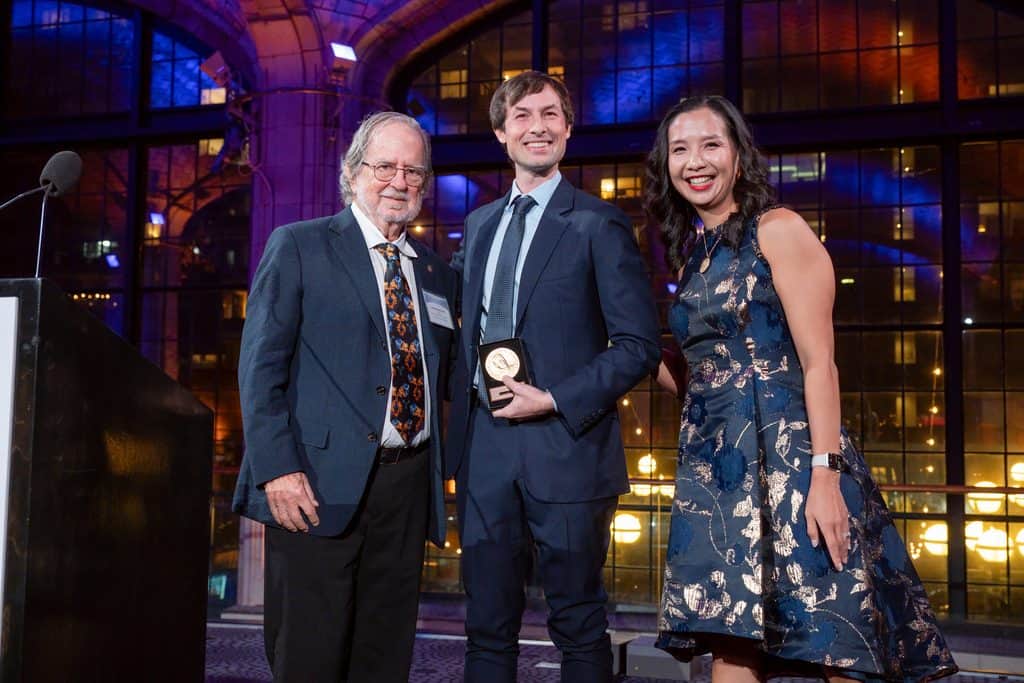
The prestigious William B. Coley Award for Distinguished Research in Basic Immunology was presented to Eric Vivier, DVM, PhD, recognizing his seminal and pioneering contributions to the understanding of natural killer (NK) cells and the broader field of innate immunity. NK cells, often referred to as the immune system’s first line of defense, are lymphocytes capable of recognizing and destroying infected cells and cancer cells without prior sensitization. Dr. Vivier, a distinguished Professor of Immunology at Marseille Medical School and the President of the Paris-Saclay Cancer Center, has dedicated his career to unraveling the intricate mechanisms governing this vital component of the immune system and exploring how its potent anti-cancer capabilities might be harnessed therapeutically.
His foundational research has not only expanded our theoretical understanding of innate immunity but has also directly translated into clinical development. Dr. Vivier’s leadership as a co-founder of Innate Pharma, a biotechnology company focused on harnessing the innate immune system, exemplifies the successful bridge between fundamental scientific discovery and its application in novel cancer treatments. His illustrious career stands as a powerful testament to the intrinsic value of basic research as the indispensable wellspring from which all future medical innovations flow.
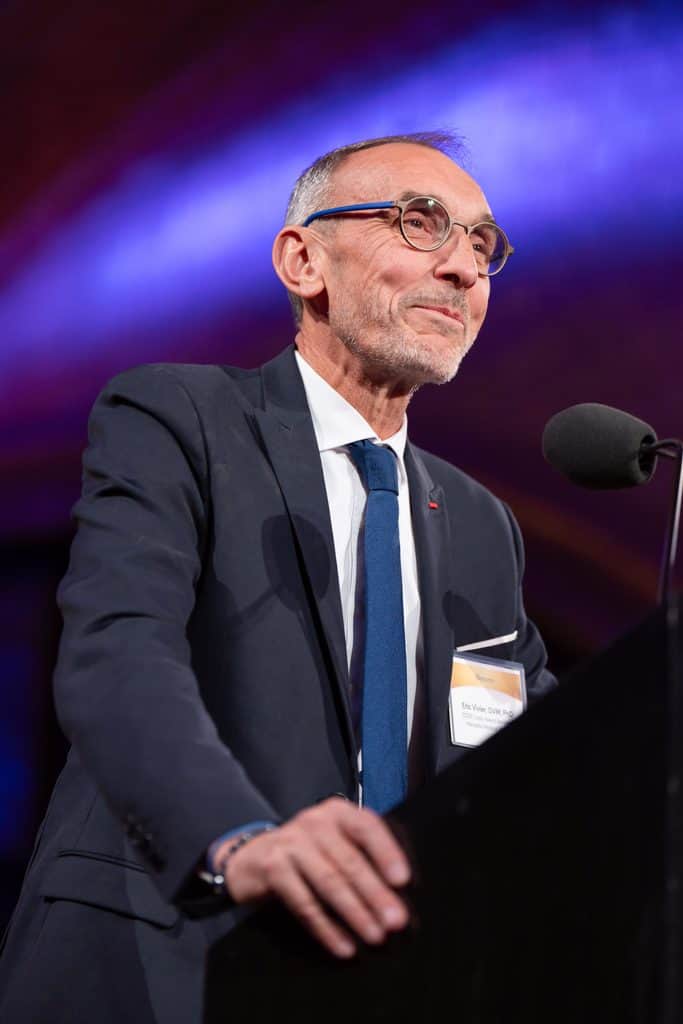
In his acceptance speech, Dr. Vivier underscored this critical point: "This huge recognition carries a message I hold dear, which is that basic research is not the nurture; it is a source of innovation and progress." He emphasized that every single therapy benefiting patients today originated from a fundamental scientific question. "So, if we stop asking those questions, we also stop curing diseases," he warned, highlighting the long-term societal cost of neglecting curiosity-driven research. The award itself, named after William B. Coley, a pioneering physician whose late 19th-century work laid some of the earliest groundwork for immunotherapy by observing tumor regression in patients treated with bacterial toxins, further underscored the historical trajectory and enduring importance of understanding the immune system’s role in cancer.
Redefining Immune Memory: Dr. Joseph Sun and the Frederick W. Alt Award
Joseph Sun, PhD, a former CRI Irvington Postdoctoral Fellow, was honored with the Frederick W. Alt Award for New Discoveries in Immunology. This award specifically recognizes individuals whose postdoctoral research, supported by CRI, has gone on to make a major and lasting impact on the field of immunology. Dr. Sun’s groundbreaking work challenged long-standing paradigms in immunology, fundamentally reshaping our understanding of the distinction between innate and adaptive immunity.
His landmark discovery demonstrated that NK cells, previously thought to be short-lived and lacking immunological memory, possess the remarkable ability to expand and form long-lived memory populations following viral infection. This revelation was revolutionary, as immune memory was traditionally considered the exclusive domain of the adaptive immune system (T and B cells). Dr. Sun made this pivotal discovery during his CRI Irvington Postdoctoral Fellowship from 2007 to 2009, under the mentorship of CRI Scientific Advisory Council member Lewis Lanier, PhD, at the University of California, San Francisco. This recognition not only celebrates Dr. Sun’s individual brilliance but also highlights CRI’s strategic investment in nurturing early-career scientists, providing them with the intellectual freedom and resources to pursue audacious, paradigm-shifting ideas.
Now conducting his cutting-edge research at Memorial Sloan Kettering Cancer Center, Dr. Sun continues to explore the intricate mechanisms of immune memory, with profound implications for the development of future immunotherapies. His work opens new avenues for enhancing the durability and efficacy of cancer treatments by potentially programming NK cells for sustained anti-tumor responses. In accepting his award, Dr. Sun paid tribute to his mentor and the spirit of scientific inquiry: "Lewis Lanier gave me the freedom to explore new and perhaps even heretical ideas, at least according to the textbooks, in order to reshape paradigms. Being a scientist means that you never stop being inspired." His journey exemplifies the transformative power of supporting bold scientific exploration at its earliest stages.
The Road Ahead: Sustaining the Momentum of Immunotherapy
The collective body of work celebrated at the 2026 CRI Annual Awards Gala underscores a crucial imperative: the need to provide scientists with the sustained time, resources, and intellectual freedom to pursue fundamental questions that hold the potential to revolutionize cancer treatment. Discoveries, whether they pertain to the nuanced functions of immune cells or novel therapeutic targets, are the seeds from which new directions for research emerge. However, these nascent ideas require consistent and robust support to mature, advance through rigorous testing, and ultimately translate into effective clinical interventions.
For patients and their families across the globe, the overarching goal remains deeply personal and universally resonant: the promise of more effective treatment options and the invaluable gift of more time spent with loved ones. The journey from a laboratory hypothesis to a life-saving therapy is long, complex, and fraught with challenges, but the advancements witnessed in immunotherapy over the past decade offer unprecedented hope. Continuing to invest strategically and substantially in research is not merely an act of philanthropy; it is a vital commitment to a future where cancer is no longer a death sentence but a manageable, and perhaps even curable, disease.
CRI extended its profound gratitude to the distinguished gala co-chairs: Brian J. Brille, Georgia and Don Gogel, and Betsy and Paul Shiverick. Their leadership and dedication, alongside the generous contributions of all supporters, are instrumental in sustaining the momentum of cancer immunotherapy research, propelling it ever closer to its transformative goals. As Molly Hones so eloquently articulated, embodying the spirit of collective action and enduring hope: "I got my moonshot. Let’s make sure the next person gets theirs too." This sentiment encapsulates the enduring mission of the Cancer Research Institute and the shared commitment of a community determined to make "Next is Now" a living reality for all facing cancer.
