
 By admin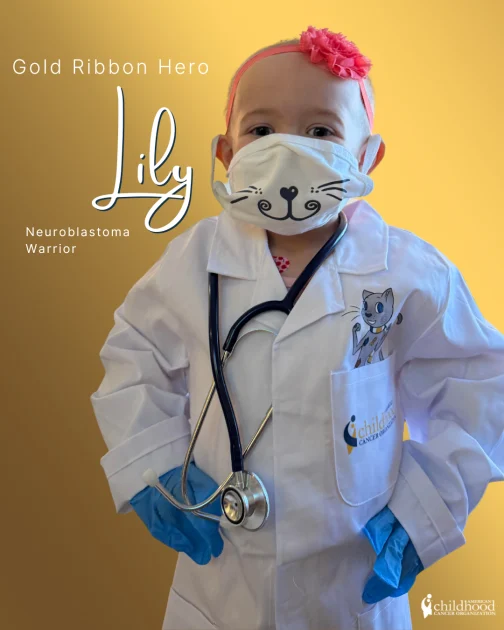
The medical community and pediatric cancer advocates are closely monitoring the case of Lily, a two-year-old child currently undergoing her second intensive battle with neuroblastoma, a rare and aggressive form of childhood cancer. Diagnosed at just 18 months old, Lily’s journey highlights the profound challenges faced by pediatric patients and their families, as well as the unpredictable nature of oncological relapses. Her story began with seemingly routine symptoms—stomach pain and what was initially suspected to be constipation—which rapidly escalated into a life-altering medical crisis. Upon seeking emergency care, diagnostic imaging revealed a large mass in Lily’s abdomen, confirming a diagnosis of neuroblastoma, a cancer that develops from immature nerve cells and most commonly affects the adrenal glands or the sympathetic nervous system.
Following the initial diagnosis, Lily entered an intensive multimodal treatment protocol designed for high-risk pediatric tumors. This comprehensive approach included several rounds of chemotherapy, surgical intervention to debulk the primary tumor, bone marrow transplants, radiation therapy, and immunotherapy. For nearly a year, the toddler endured the rigors of hospital stays and invasive procedures with a level of resilience that her family and medical team described as extraordinary. By September 2025, the medical team declared Lily to be in remission, a milestone that offered a brief period of reprieve and hope for her long-term recovery. However, the victory was tragically short-lived. Only two months after completing her initial treatment, Lily began experiencing persistent headaches, prompting her parents to seek immediate medical evaluation. Subsequent scans revealed that the cancer had returned, manifesting this time as a relapse in her brain, a development that necessitated immediate neurosurgery and the resumption of an aggressive second-line treatment plan involving chemotherapy, immunotherapy, and targeted radiation.
Understanding Neuroblastoma and Its Clinical Impact
Neuroblastoma remains one of the most complex challenges in pediatric oncology, accounting for approximately 7% to 10% of all childhood cancers and nearly 15% of childhood cancer-related deaths. According to data from the American Cancer Society, about 700 to 800 new cases are diagnosed each year in the United States alone. The disease is predominantly found in infants and very young children, with the average age at diagnosis being around five years old. Because neuroblastoma originates in the primordial cells of the sympathetic nervous system, tumors can appear anywhere along the spinal cord, in the chest, or, most frequently, in the abdomen near the adrenal glands.
The severity of the disease is categorized into low, intermediate, and high-risk groups, based on factors such as the child’s age, the stage of the cancer, and the molecular biology of the tumor (specifically the presence of the MYCN gene amplification). In Lily’s case, the aggressive nature of the initial abdominal mass and the subsequent central nervous system (CNS) relapse suggest a high-risk profile. While survival rates for low- and intermediate-risk neuroblastoma are generally high, the five-year survival rate for high-risk cases remains approximately 50%, despite the most advanced treatments available. The tendency for neuroblastoma to metastasize or relapse in the brain or bones presents a significant hurdle for clinicians, as the blood-brain barrier often limits the efficacy of standard systemic chemotherapy.
A Chronology of Treatment and Relapse
The timeline of Lily’s medical journey underscores the rapid progression and volatility of high-risk neuroblastoma. Her initial diagnosis at 18 months followed a period of abdominal discomfort that many parents might initially mistake for common digestive issues. The discovery of a large abdominal mass shifted the focus from symptomatic relief to life-saving intervention.
- Initial Diagnosis (Early 2024): Emergency imaging identified a solid tumor in the abdomen, leading to a definitive diagnosis of neuroblastoma.
- Induction and Consolidation (2024–2025): Lily underwent a standard of care that included high-dose chemotherapy to shrink the tumor, followed by a complex surgery to remove as much of the mass as possible. This was followed by autologous bone marrow transplants, which involve harvesting the patient’s own stem cells to help the body recover from the intense effects of high-dose chemotherapy.
- Maintenance and Remission (September 2025): After undergoing radiation to target residual cancer cells and immunotherapy to train her immune system to recognize and attack the cancer, Lily reached a state of remission.
- The CNS Relapse (November 2025): The emergence of headaches served as a critical warning sign. Neurological imaging confirmed the presence of a tumor in the brain, representing a central nervous system relapse.
- Secondary Treatment (Present): Lily is currently navigating a second round of intensive therapy. This includes brain surgery to resect the new growth, followed by a specialized combination of chemotherapy and radiation designed to cross the blood-brain barrier.
The Scientific Challenge of CNS Relapse
A relapse in the brain, as seen in Lily’s case, is a particularly daunting development in the treatment of neuroblastoma. Historically, central nervous system involvement was rare at the time of initial diagnosis but has become a more recognized site of relapse as systemic treatments for the rest of the body have improved. Because many of the chemotherapy drugs used to treat the primary abdominal tumor do not easily penetrate the central nervous system, the brain can sometimes act as a "sanctuary site" where microscopic cancer cells survive the initial round of treatment.
Medical professionals emphasize that managing a CNS relapse requires a highly specialized approach. This often involves craniospinal irradiation and the use of monoclonal antibodies that can target specific proteins on the surface of neuroblastoma cells. The goal is to eliminate the localized tumor while preventing further spread within the cerebrospinal fluid. For a child as young as Lily, these treatments must be carefully balanced to minimize long-term cognitive and developmental side effects, creating a delicate tightrope for pediatric oncologists to walk.
The Emotional and Economic Toll on Families
The impact of a pediatric cancer diagnosis extends far beyond the clinical setting, affecting every facet of a family’s life. Lily’s mother has described her daughter as "playful, loving, and spicy," noting that her spirited personality has been a source of inspiration throughout the ordeal. However, the reality of a "two-time warrior" status brings with it immense emotional strain. The "relapse trauma" experienced by families is often more intense than the initial diagnosis, as it follows a period of hope and perceived recovery.
Economically, the cost of treating high-risk neuroblastoma is among the highest in the medical field. A single course of treatment involving bone marrow transplants, specialized immunotherapy like Dinutuximab, and extended hospitalizations can exceed hundreds of thousands of dollars. Even for families with insurance, the indirect costs—such as loss of income, travel to specialized pediatric oncology centers, and long-term rehabilitation—create significant financial instability. Organizations like the American Childhood Cancer Organization (ACCO) play a vital role in providing resources, advocacy, and support to families who find themselves in these circumstances, emphasizing that no child or family should have to face these battles in isolation.
Broader Implications for Pediatric Oncology
Lily’s case serves as a stark reminder of the urgent need for continued research and funding in the field of pediatric oncology. While significant strides have been made in the last three decades, childhood cancer remains the leading cause of death by disease for children in the United States. Advocates point out a persistent "funding gap," noting that pediatric cancer research receives only a small fraction of the federal funding allocated to adult cancers. This disparity can slow the development of newer, less toxic, and more effective therapies specifically designed for the developing bodies of children.
The shift toward precision medicine and genomic sequencing is currently the most promising frontier for patients like Lily. By analyzing the genetic makeup of a relapsed tumor, doctors can sometimes identify specific mutations that can be targeted with "off-label" drugs or experimental therapies in clinical trials. For neuroblastoma, research into ALK inhibitors and vaccine therapies is ongoing, offering hope that future relapses can be prevented or managed more effectively.
Conclusion and Future Outlook
As Lily continues her current regimen of chemotherapy, immunotherapy, and radiation, her story remains a testament to the resilience of the human spirit and the complexities of modern medicine. The transition from a state of remission back into active, high-stakes treatment is a path fraught with uncertainty, yet it is one that thousands of families navigate every year. The medical community continues to refine protocols for CNS relapses, seeking to improve the odds for children who face this secondary battle.
The collective efforts of researchers, healthcare providers, and advocacy groups are essential in the fight against neuroblastoma. By highlighting the journeys of individual patients like Lily, the pediatric oncology community hopes to raise awareness of the critical need for early detection, better therapeutic options, and a robust support system for those affected. As Lily’s mother observed, the "spicy" and "endlessly inspiring" nature of these young patients is often what fuels the drive for medical advancement. The goal remains clear: to reach a future where the word "relapse" is no longer a part of the pediatric cancer narrative and where every child has the opportunity to move past their diagnosis into a healthy, cancer-free adulthood.
