
 By admin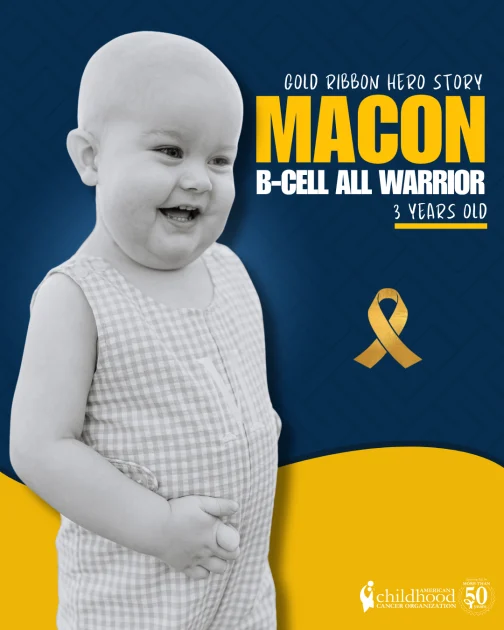
Upon arrival at the emergency department, Macon underwent a battery of intensive diagnostic tests to confirm the underlying cause of his elevated hematological markers. Within hours, the family received a diagnosis that remains a primary fear for parents worldwide: B-Cell Acute Lymphoblastic Leukemia (B-ALL). The diagnosis was met with profound shock, as Macon had displayed no outward symptoms of illness; he appeared to be a perfectly healthy, vibrant toddler. This lack of symptomatic presentation highlights a critical challenge in pediatric oncology, where aggressive internal malignancies can often remain hidden until they are detected through routine screening or sudden, acute complications.
Understanding B-Cell Acute Lymphoblastic Leukemia
B-Cell Acute Lymphoblastic Leukemia is a type of cancer of the blood and bone marrow. It is characterized by the overproduction of immature white blood cells, known as lymphoblasts. In a healthy body, these cells eventually develop into B-lymphocytes, which are essential components of the immune system responsible for producing antibodies. However, in patients with B-ALL, these cells remain in an immature state and multiply rapidly, eventually crowding out healthy red blood cells, white blood cells, and platelets.
According to the American Cancer Society, Acute Lymphoblastic Leukemia (ALL) is the most common form of childhood cancer, accounting for approximately 25% of all cancer diagnoses in children under the age of 15. While the survival rates for B-ALL have improved significantly over the last several decades—with many modern protocols yielding a five-year survival rate of approximately 90%—the treatment remains one of the most intensive and prolonged regimens in pediatric medicine. The complexity of the disease requires a multi-phased approach to ensure that every leukemic cell is eradicated from the bone marrow and the central nervous system.
The Clinical Journey: Complications and Rigorous Protocols
Macon’s entry into the world of oncology was immediate and fraught with secondary medical challenges. The initiation of chemotherapy often requires the surgical placement of a "port"—an implanted device under the skin that allows medical teams to administer intravenous fluids and medications directly into a large vein. For Macon, this process was complicated by a serious staph infection in his bloodstream. Such infections are particularly dangerous for leukemia patients, as their immune systems are severely compromised by both the disease and the initial rounds of chemotherapy.
The presence of the staph infection necessitated the removal and subsequent replacement of his port, doubling the surgical burden on the young patient. Beyond the administration of systemic chemotherapy, Macon’s protocol includes regular lumbar punctures and bone marrow biopsies. Lumbar punctures, commonly referred to as spinal taps, are essential for testing the cerebrospinal fluid for the presence of leukemia cells and for delivering "intrathecal" chemotherapy directly into the spinal canal to prevent the cancer from spreading to the brain. For Macon, these procedures have become a recurring part of his life, occurring as frequently as every six weeks.
Bone marrow biopsies are equally critical, providing the oncology team with a direct look at the "factory" where blood cells are produced. These biopsies allow doctors to quantify the "minimal residual disease" (MRD)—the small number of leukemic cells that may remain after initial treatment and which serve as a primary indicator for the risk of relapse.
A Chronology of Treatment and Resilience
Macon’s treatment timeline is structured around a long-term strategy designed to ensure total remission. The standard duration for male patients undergoing treatment for B-ALL is approximately two and a half to three years, a duration intended to prevent the late recurrence of the disease.
- Initial Diagnosis (Age 2): Detected during a routine physical. Immediate hospitalization and induction of chemotherapy.
- The First Year: Characterized by intensive "induction" and "consolidation" phases. This period included the management of a staph infection and multiple surgical interventions for port placement.
- Ongoing Maintenance: Macon recently completed his first full year of treatment. This phase involves "active treatment," which includes weekly blood work and continued chemotherapy to maintain the absence of circulating leukemia cells.
- Projected Completion (May 2027): If Macon continues to respond well to the protocol, he is expected to complete his final round of therapy and participate in the traditional "ringing of the bell" ceremony in May 2027, signifying the end of his active cancer battle.
Despite the clinical intensity of his schedule, Macon’s family reports that he has maintained the spirit of a typical toddler. His mother, Madeline, describes him as a playful child who finds joy in the outdoors, riding toys, and interacting with his sister. His ability to handle the side effects of chemotherapy—which can include fatigue, nausea, and immunosuppression—has been noted by his medical team as exceptionally resilient.
The Broader Implications of Pediatric Cancer Diagnosis
Macon’s story serves as a poignant reminder of the importance of the "well-child" visit. In many cases, early-stage leukemia does not present with the "classic" signs of cancer, such as significant weight loss or visible lumps. Instead, it may present as subtle fatigue, easy bruising, or, as in Macon’s case, no symptoms at all. The finger prick blood test performed by his pediatrician was the pivotal moment that allowed for early intervention before the leukemia could cause catastrophic organ failure or systemic collapse.
However, the diagnosis of childhood cancer extends far beyond the medical chart of the patient. It represents a significant socio-economic and emotional burden on the family unit. The requirement for constant monitoring, frequent hospital visits, and the high cost of specialized oncology care can strain even the most prepared families. Organizations such as the American Childhood Cancer Organization (ACCO) emphasize that "kids can’t fight cancer alone," highlighting the need for community support, increased federal funding for pediatric-specific research, and resources for the siblings and parents of patients.
The disparity in research funding remains a point of contention in the medical community. While pediatric cancers like B-ALL have seen improved outcomes, many rare childhood cancers still lack effective treatments. Furthermore, the long-term effects of chemotherapy on a developing body—often referred to as "late effects"—require lifelong monitoring. Survivors of childhood leukemia may face increased risks of secondary cancers, cardiac issues, or cognitive challenges later in life due to the toxicity of the life-saving treatments they received as toddlers.
Scientific Advancements and Future Outlook
The success of Macon’s first year of treatment is a testament to the evolution of pediatric oncology protocols. In the mid-20th century, a diagnosis of ALL was almost universally fatal. Today, through the refinement of risk-stratified therapy—where treatment intensity is tailored to the specific genetic markers of the leukemia and the patient’s early response to drugs—outcomes have been transformed.
Macon’s current status—showing no circulating leukemia cells—is the best possible clinical indicator at this stage. The medical community continues to move toward even more targeted therapies, such as CAR T-cell therapy and monoclonal antibodies, which aim to attack cancer cells while sparing healthy tissue. While Macon is currently being treated with standard-of-care chemotherapy, the data gathered from patients like him contributes to the global understanding of how to manage B-ALL more effectively and with fewer side effects.
As Macon moves toward his 2027 completion date, his journey remains a beacon of hope for other families entering the frightening world of pediatric oncology. The "shock, fear, and disbelief" described by his mother are universal experiences for cancer families, but Macon’s progress illustrates the efficacy of modern medicine and the importance of vigilant primary care.
The road ahead for the three-year-old remains long, with two more years of maintenance therapy and constant vigilance against infection and relapse. However, the stability of his weekly blood work and his continued ability to find joy in childhood play suggest a positive trajectory. His story underscores the necessity of continued advocacy and funding for childhood cancer, ensuring that every "warrior" has the medical and emotional support required to ring the bell of recovery. For Macon, that bell represents not just the end of chemotherapy, but the beginning of a life no longer defined by the four walls of an oncology clinic.
