
 By Suherman Candra Maholtra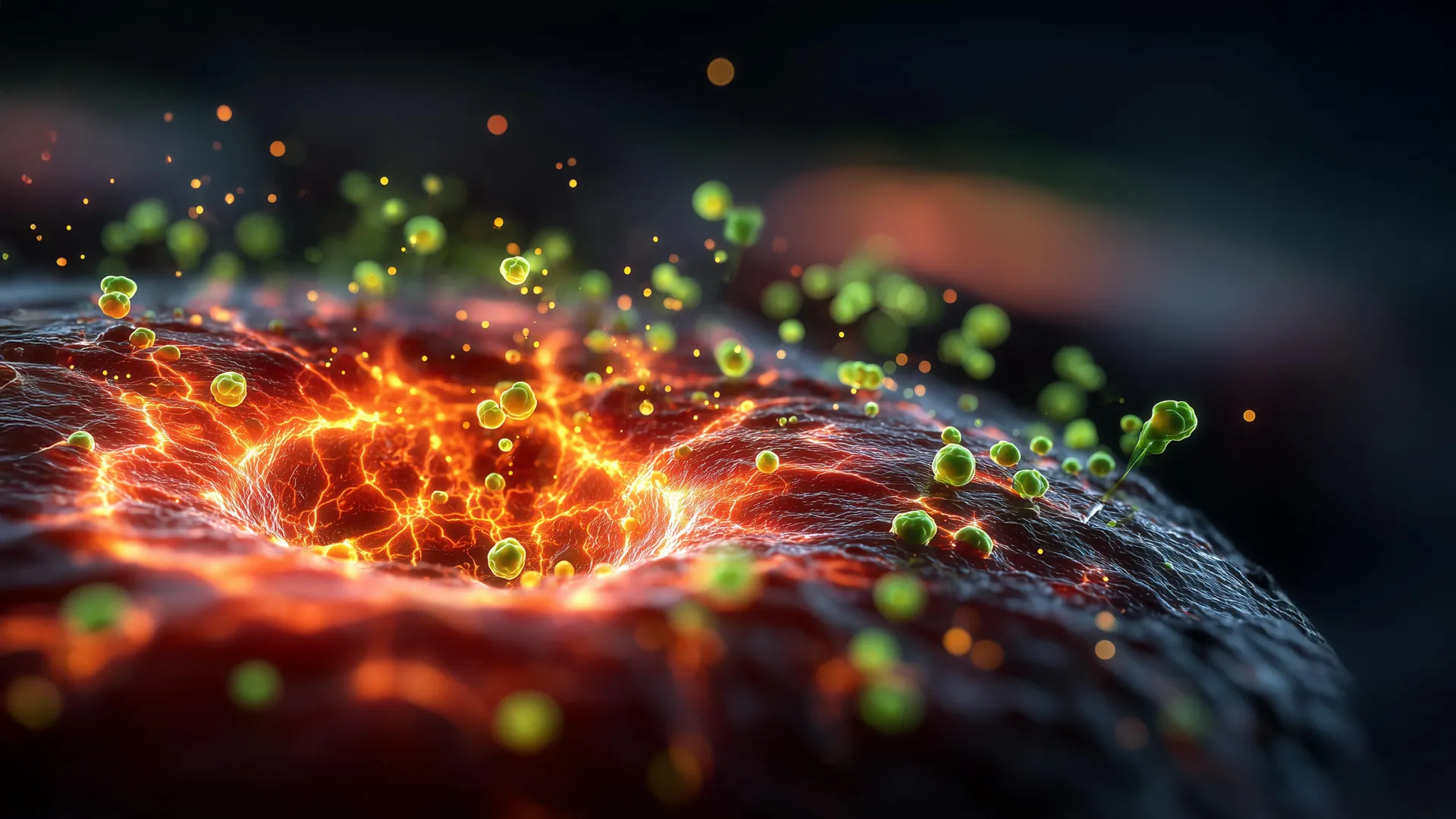
In a groundbreaking development that bridges the fields of herpetology and oncology, researchers at the Japan Advanced Institute of Science and Technology (JAIST) have discovered a naturally occurring bacterium within the gut of the Japanese tree frog (Dryophytes japonicus) that possesses the extraordinary ability to seek out and destroy malignant tumors. The study, recently published in the prestigious journal Gut Microbes, marks a significant pivot in the field of microbial cancer therapy. While previous oncological research has largely focused on how the gut microbiome influences a patient’s response to treatment, this new approach utilizes living bacteria as a precision-guided "bio-weapon" delivered directly into the bloodstream to infiltrate and dismantle solid tumors from the inside out.
The research team, led by Associate Professor Eijiro Miyako, identified the bacterium Ewingella americana as the primary candidate for this therapeutic breakthrough. In controlled laboratory settings involving mouse models of colorectal cancer, a single intravenous administration of this bacterium resulted in a 100% complete response (CR) rate, meaning every subject in the experimental group saw a total eradication of their tumors. This performance notably exceeded the efficacy of current frontline treatments, including immune checkpoint inhibitors and high-potency chemotherapy drugs, providing a compelling proof of concept for the next generation of "living medicines."
The Chronology of Discovery: From Wetlands to the Laboratory
The journey toward this discovery began with a broad survey of the microbial diversity found in the digestive tracts of various Japanese amphibians and reptiles. Scientists have long suspected that the unique environments of these animals, which often live in pathogen-rich wetlands, might harbor microbes with unique defensive properties.
Between 2021 and 2023, the JAIST research team systematically collected and analyzed 45 different bacterial strains from three specific species: the Japanese tree frog (Dryophytes japonicus), the Japanese fire belly newt (Cynops pyrrhogaster), and the Japanese grass lizard (Takydromus tachydromoides). The researchers were specifically looking for "facultative anaerobes"—bacteria capable of surviving in both oxygen-rich environments like the bloodstream and oxygen-depleted (hypoxic) environments like the center of a tumor.
After isolating these strains, the team conducted a rigorous screening process to evaluate their anticancer potential. Of the 45 strains tested, nine showed varying degrees of inhibitory effects on cancer cell growth. However, Ewingella americana, a Gram-negative bacterium belonging to the Yersiniaceae family, stood out for its aggressive colonization of malignant tissue and its relative safety in healthy systemic circulation.
Mechanism of Action: The Dual-Front Attack on Malignancy
The efficacy of Ewingella americana stems from what researchers describe as a "dual-front attack." Unlike traditional drugs that often rely on a single metabolic pathway to kill cancer cells, this bacterium utilizes both direct mechanical destruction and indirect immunological activation.
Direct Tumor Infiltration and Lysis
Solid tumors are characterized by rapid, disorganized growth that often outstrips their blood supply, leading to regions of extreme hypoxia (low oxygen). These regions are notoriously difficult to treat because most chemotherapies require a functional blood vessel network to reach the tumor core, and radiation therapy requires oxygen to produce DNA-damaging free radicals.
As a facultative anaerobe, Ewingella americana is uniquely adapted to thrive in these "dead zones." Upon entering the tumor, the bacterial population explodes, increasing its density by approximately 3,000-fold within the first 24 hours. This massive bacterial load creates significant physiological stress on the cancer cells, leading to direct cell death and the rupture of the tumor’s internal structure.
Immunological Mobilization
Beyond its direct impact, the presence of the bacteria acts as a powerful "beacon" for the host’s immune system. Solid tumors often create an "immunosuppressive microenvironment" that effectively hides them from the body’s natural defenses. The introduction of E. americana shatters this camouflage.
The study found that the bacterial colonization triggered a massive influx of T cells, B cells, and neutrophils into the tumor site. These immune cells, once activated by the bacterial presence, began secreting potent inflammatory signaling molecules, specifically Tumor Necrosis Factor-alpha (TNF-α) and Interferon-gamma (IFN-γ). This "cytokine storm" localized within the tumor not only helped kill the cancer cells but also appeared to "train" the immune system to recognize and attack the malignancy more effectively.
Comparative Data: Outperforming the Gold Standard
To gauge the potential of E. americana, the JAIST researchers compared its performance against two of the most common treatments used in modern oncology: the immune checkpoint inhibitor anti-PD-L1 and the chemotherapy agent liposomal doxorubicin.
In the mouse models of colorectal cancer, the results were stark. While the anti-PD-L1 antibody and liposomal doxorubicin slowed tumor growth to some extent, they rarely achieved total remission in the aggressive models used. In contrast, the group treated with E. americana achieved a 100% cure rate. Furthermore, the mice that were cleared of their tumors showed long-term survival without recurrence, suggesting that the treatment may have conferred a degree of lasting immunity against that specific cancer type.
Precision Targeting and the Safety Profile
One of the greatest hurdles in developing bacterial therapies is the risk of systemic infection or sepsis. However, the JAIST study reported a remarkably favorable safety profile for E. americana.
The researchers observed that the bacteria possessed a natural "homing" instinct for tumors. Within 24 hours of injection, the bacteria were almost entirely absent from healthy organs such as the liver, lungs, spleen, and kidneys. The bacteria were cleared from the general bloodstream with a half-life of just 1.2 hours.
This tumor specificity is believed to be driven by the "Enhanced Permeability and Retention" (EPR) effect. Tumors have "leaky" blood vessels that allow larger particles—like bacteria—to slip out of the bloodstream and into the tumor tissue. Once inside, the lack of effective lymphatic drainage and the presence of a nutrient-rich, immune-suppressed environment allow the bacteria to flourish only where they are needed, leaving healthy tissue untouched.
Safety monitoring over a 60-day period showed no signs of chronic toxicity. While the mice experienced a brief spike in systemic inflammation immediately after the injection, their levels returned to baseline within 72 hours, indicating that the body could manage the treatment without long-term adverse effects.
The Context of Bacterial Cancer Therapy (BCT)
The concept of using bacteria to treat cancer is not entirely new. In the late 19th century, Dr. William Coley, often called the "Father of Immunotherapy," observed that some cancer patients went into remission after developing skin infections. He developed "Coley’s Toxins," a mixture of killed bacteria, to stimulate the immune system.
However, with the rise of radiotherapy and chemotherapy in the 20th century, bacterial therapy fell out of favor due to concerns over predictability and safety. The JAIST study represents a modern resurgence of this idea, utilizing advanced genomic screening and a deeper understanding of the tumor microenvironment to refine the process. By using a naturally occurring strain that is already adapted to specific biological niches, the researchers have found a way to bypass many of the toxicity issues that plagued earlier attempts at BCT.
Expert Analysis and Future Implications
The scientific community has reacted to the JAIST findings with a mixture of cautious optimism and intense interest. Independent analysts suggest that if these results can be replicated in higher mammals and eventually humans, it could revolutionize the treatment of "cold" tumors—malignancies that typically do not respond to traditional immunotherapy.
"The fact that this bacterium is naturally occurring and was sourced from biodiversity rather than being genetically engineered in a lab is significant," notes a hypothetical analysis of the study’s implications. "It suggests that the natural world still holds a vast, untapped pharmacopeia of microbial solutions for human diseases."
However, challenges remain. The jump from murine (mouse) models to human clinical trials is notoriously difficult. Human tumors are more complex, and our immune systems are more sophisticated than those of lab mice. There are also regulatory hurdles regarding the injection of live bacteria into patients, particularly those who may already be immunocompromised by previous rounds of chemotherapy.
Next Steps: Expanding the Scope
The JAIST team is already planning the next phase of their research. Key objectives include:
- Broad Spectrum Testing: Evaluating the efficacy of E. americana against other difficult-to-treat solid tumors, such as pancreatic cancer, glioblastoma (brain cancer), and metastatic melanoma.
- Combination Therapies: Investigating whether the bacterium can act as a "sensitizer," making tumors more vulnerable to low-dose chemotherapy or radiation, thereby reducing the side effects of those traditional treatments.
- Optimization of Delivery: Testing different administration routes, including direct intratumoral injection and dose fractionation (multiple smaller doses), to further enhance safety and effectiveness.
The study concludes by emphasizing the importance of environmental conservation. The discovery of E. americana in the Japanese tree frog serves as a timely reminder that the protection of biodiversity is not just an ecological necessity but a medical one. As species disappear, so too do the potentially life-saving microbes they carry within them.
This research was supported by several prestigious Japanese institutions, including the Japan Society for the Promotion of Science (JSPS) and the Japan Science and Technology Agency (JST), signaling a strong national commitment to advancing this novel frontier of biotechnology. As the global oncology community looks toward 2025, all eyes will be on the follow-up studies emerging from the JAIST laboratories.
