
 By Suherman Candra Maholtra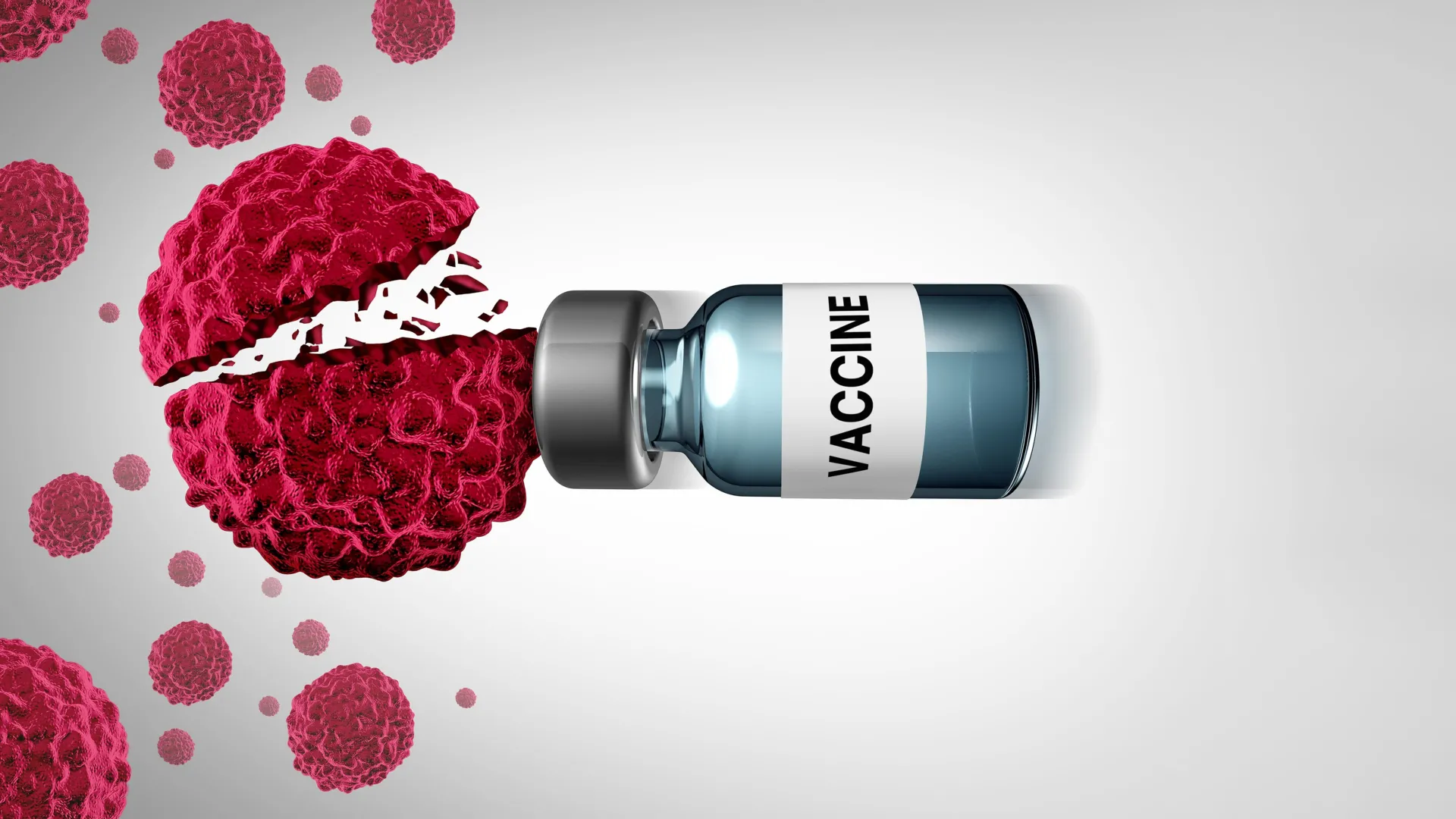
The global success of messenger RNA (mRNA) vaccines in mitigating the SARS-CoV-2 pandemic represented a watershed moment in the history of medicine, fundamentally altering the trajectory of vaccinology. This Nobel Prize-winning technology, which provides the body with genetic instructions to manufacture specific proteins, is now being aggressively pivoted toward the oncology sector. As experimental mRNA vaccines enter clinical trials for melanoma, small cell lung cancer, bladder cancer, and other malignancies, the scientific community is racing to understand the underlying mechanics of how these treatments engage the human immune system. A groundbreaking study from the Washington University School of Medicine in St. Louis, published recently in the journal Nature, has revealed an unexpected redundancy and complexity in the immune response to mRNA vaccines, challenging long-held assumptions about how these therapies trigger anti-tumor activity.
Researchers at Washington University have identified that mRNA cancer vaccines remain remarkably effective even in the absence of a specific type of immune cell previously deemed essential for the process. This discovery not only clarifies the robust nature of mRNA-based immunotherapy but also provides a new roadmap for optimizing vaccine design to ensure higher success rates across diverse patient populations.
The Paradigm Shift in Cancer Immunotherapy
For decades, the primary challenge in oncology has been the ability to distinguish between malignant cells and healthy tissue. Traditional treatments like chemotherapy and radiation often act as "blunt instruments," damaging both cancerous and somatic cells. The advent of mRNA technology offers a "precision strike" capability. By delivering messenger RNA that encodes for neoantigens—proteins unique to a patient’s specific tumor—the vaccine trains the immune system to recognize and destroy only the cells displaying those markers.
In this complex biological theater, dendritic cells serve as the "generals" of the immune system. Their primary role is to ingest foreign proteins (or manufacture them based on mRNA instructions), break them down into fragments, and "present" these fragments to T cells. Once activated, these T cells circulate through the body to seek out and eliminate the threat.
Historically, the scientific consensus held that a specific subtype of dendritic cell, known as cDC1, was the indispensable driver of this response. Because cDC1 cells are specialized in "cross-presentation"—the process of taking extracellular antigens and presenting them to the CD8+ "killer" T cells—they were thought to be the sole gateway for mRNA vaccine efficacy. However, the Washington University study has upended this monolithic view.
Redundancy in the Immune Response: The Rise of cDC2
Led by senior author Kenneth M. Murphy, MD, PhD, the Eugene Opie Centennial Professor of Pathology & Immunology at WashU Medicine, the research team utilized sophisticated mouse models to dissect the roles of various dendritic cell populations. By employing genetic engineering to create mice that lacked either the cDC1 subtype or the closely related cDC2 subtype, the researchers were able to isolate which cells were truly necessary for a successful vaccine response.
The results were startling. Mice lacking the "essential" cDC1 cells still mounted a powerful immune defense after receiving mRNA cancer vaccines. These mice successfully generated robust T cell responses and were able to completely eliminate sarcoma tumors—cancers that arise in connective tissues like bone, muscle, and fat.
"There is a lot of interest in applying the mRNA vaccine approaches used during the COVID-19 pandemic to the problem of inducing anti-tumor immunity," said Dr. Murphy, who is also a research member at the Siteman Cancer Center. "By dissecting which immune cells are involved and how they coordinate the response, we’re offering vaccine developers some additional mechanistic insights to consider in their goal of optimizing these vaccines against tumor proteins."
The study identified cDC2 cells as the previously unrecognized heroes of the process. While cDC2 cells were traditionally associated with responding to extracellular pathogens like bacteria and parasites, the experiments proved they are equally capable of activating the T cell "army" required to fight cancer.
The Mechanism of ‘Cross-Dressing’
One of the most significant contributions of this research is the elucidation of how cDC2 cells participate in the vaccine response. Unlike cDC1 cells, which typically manufacture the protein from the mRNA instructions themselves, cDC2 cells appear to utilize a more indirect and collaborative method.
The researchers found that other cells in the body first read the mRNA instructions and produce the tumor proteins. These "producer" cells then display the protein fragments on their own surfaces. Through a biological process known as "cross-dressing," the cDC2 cells "borrow" these pre-formed protein-membrane complexes from the producer cells. Once "dressed" in the tumor’s molecular signature, the cDC2 cells can then present these fragments to T cells to launch an attack.
This discovery of a dual-pathway system—where both cDC1 and cDC2 cells can initiate an immune response—explains why mRNA vaccines are so resilient and effective. It suggests that the immune system has built-in redundancies to ensure that even if one pathway is compromised or suppressed by the tumor’s microenvironment, another can step in to maintain the defense.
Clinical Implications and Vaccine Optimization
The findings have immediate implications for the development of the next generation of cancer vaccines. William E. Gillanders, MD, the Mary Culver Professor of Surgery at WashU Medicine and co-corresponding author of the study, noted that understanding these molecular "fingerprints" allows for more precise vaccine formulation.
"This work uncovers a new way mRNA vaccines engage the immune system—through both cDC1 and cDC2—which helps explain their power and gives researchers concrete targets for making future mRNA cancer vaccines more effective," said Dr. Gillanders.
Dr. Gillanders, a surgical oncologist who has developed an investigational vaccine against triple-negative breast cancer, emphasized that this insight could solve a major hurdle in clinical trials: patient variability. Currently, some patients respond exceptionally well to mRNA therapies while others do not. By identifying that cDC2 cells play a vital role, researchers can now investigate whether patients with lower levels of cDC2 cells or impaired "cross-dressing" mechanisms are the ones failing to respond. This could lead to personalized vaccine protocols where dosages or delivery mechanisms are adjusted based on a patient’s specific immune cell profile.
A Timeline of mRNA Advancement
To appreciate the gravity of the Washington University study, one must look at the rapid chronology of mRNA development:
- 1980s-1990s: Early foundational research into using mRNA for protein expression begins, though stability and inflammatory issues remain major hurdles.
- 2005: Katalin Karikó and Drew Weissman discover that modifying mRNA nucleosides can prevent the immune system from attacking the mRNA itself, a breakthrough that would eventually earn them the Nobel Prize.
- 2010s: Biotech firms like Moderna and BioNTech begin developing mRNA platforms for personalized cancer vaccines and infectious diseases.
- 2020-2021: The COVID-19 pandemic accelerates the technology, leading to the first FDA-approved mRNA vaccines in history.
- 2023-2024: Results from Phase II trials for melanoma vaccines show a 44% reduction in the risk of recurrence or death when combined with immunotherapy, sparking a surge in mRNA oncology research.
- Present: The WashU study provides the first detailed mechanistic look at the dendritic cell dynamics behind these clinical successes.
The Road Ahead: Beyond Sarcoma and Breast Cancer
While the Washington University study focused largely on sarcoma models, the implications extend to a vast array of "solid tumors." The fact that cDC2 cells can step in to trigger immunity is particularly hopeful for treating "cold" tumors—cancers that traditionally hide from the immune system or create environments that deactivate cDC1 cells.
Furthermore, the study showed that when both cDC1 and cDC2 cells are active, the resulting T cells have slightly different molecular characteristics. This suggests that a "dual-cell" activation might create a more diverse and durable immune response than either cell type could achieve alone. Future vaccines may be engineered to specifically "recruit" both cell types simultaneously, potentially leading to longer-lasting remission for cancer patients.
The research also opens new doors for "adjuvant" therapies—supplemental treatments given alongside a vaccine to boost its effect. If researchers can develop drugs that encourage the "cross-dressing" process in cDC2 cells, they could theoretically amplify the potency of any mRNA vaccine currently in development.
Conclusion
The findings published in Nature by the Washington University team represent a significant leap forward in our understanding of the "black box" of the immune system. By proving that mRNA vaccines are not dependent on a single, fragile pathway, the study reinforces the potential of this technology to become a pillar of 21st-century oncology.
As researchers continue to dissect the coordination between cDC1 and cDC2 cells, the goal of a universal, highly effective cancer vaccine moves closer to reality. For patients facing aggressive diagnoses like triple-negative breast cancer or melanoma, these mechanistic insights are more than just academic milestones; they are the foundation for life-saving therapies that are more resilient, more precise, and more powerful than ever before.
