
 By admin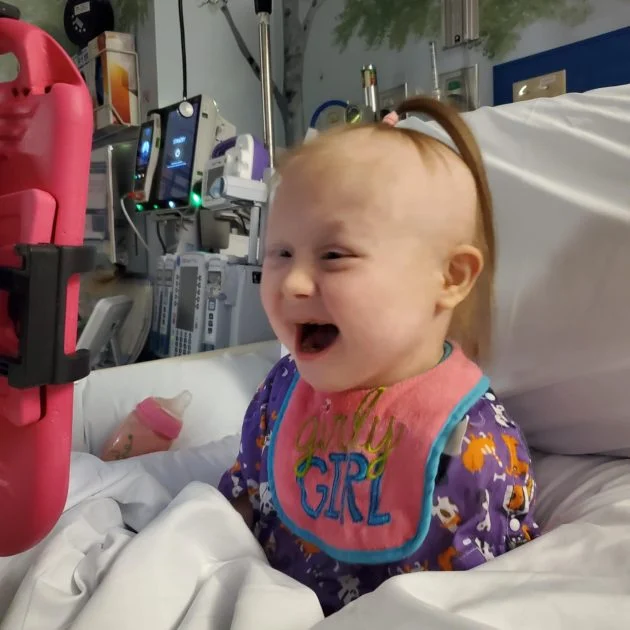
The diagnostic journey for Lauren Kate, a nine-year-old girl previously navigating the complexities of Down syndrome, reached a critical turning point on September 23, 2025, when medical professionals confirmed a diagnosis of B-Cell Acute Lymphoblastic Leukemia. This diagnosis followed a period of escalating physical symptoms that prompted her family to seek urgent medical intervention, eventually leading to a comprehensive treatment regimen at East Tennessee Children’s Hospital. Lauren’s case highlights the intersection of congenital genetic conditions and pediatric oncology, a field where medical advancements continue to improve survival rates despite the intensive nature of the required therapies.
The onset of Lauren’s illness was characterized by subtle but persistent changes in her baseline behavior and physical health. Her mother first observed a notable decrease in Lauren’s energy levels, a deviation from her typically vibrant and active disposition. More concerning was the appearance of significant swelling, described as large bumps, beneath Lauren’s neck. These symptoms—lethargy and lymphadenopathy—are frequently cited by pediatricians as "red flag" indicators for hematologic malignancies. Recognizing the potential severity of these signs, Lauren’s mother secured an immediate consultation with their primary care physician, a decision that likely accelerated the initiation of life-saving care.
During the initial clinical assessment, a routine blood panel revealed a severely abnormal white blood cell count, a hallmark of leukemia where the bone marrow produces an overabundance of immature lymphocytes. Given the volatility of pediatric leukemia, the primary care physician directed the family to East Tennessee Children’s Hospital for emergency specialized care. The transition from a routine medical visit to an acute oncology crisis occurred within hours, underscoring the rapid progression of B-Cell Acute Lymphoblastic Leukemia (ALL). Following a battery of diagnostic tests, including blood smears and potentially early-stage bone marrow aspirations, the formal diagnosis was delivered on September 23.
The Medical Context of B-Cell Acute Lymphoblastic Leukemia
B-Cell Acute Lymphoblastic Leukemia is a type of cancer that affects the white blood cells, specifically the B-lymphocytes, which are responsible for producing antibodies to fight infection. In patients with ALL, the bone marrow creates a large number of "blasts"—immature cells that do not function correctly and crowd out healthy red blood cells, white blood cells, and platelets. This crowding leads to the classic symptoms of the disease, including fatigue (from anemia), easy bruising or bleeding (from low platelets), and increased susceptibility to infections.
According to the American Cancer Society, ALL is the most common form of childhood cancer, accounting for approximately half of all leukemia cases in children and adolescents. While the diagnosis is devastating for families, the prognosis for pediatric ALL has improved dramatically over the last several decades. Contemporary treatment protocols now yield a five-year survival rate of approximately 90% for children under the age of 15. However, the path to remission is characterized by a multi-year treatment plan involving various phases of chemotherapy, which Lauren has already begun to navigate.
The Intersection of Down Syndrome and Pediatric Oncology
Lauren’s medical profile is further complicated by Down syndrome, a genetic condition caused by the presence of an extra copy of chromosome 21. For decades, researchers have documented a significant statistical link between Down syndrome and an increased risk of developing leukemia. Specifically, children with Down syndrome are estimated to be 10 to 20 times more likely to develop Acute Lymphoblastic Leukemia than children in the general population.
The biological reason for this increased risk is the subject of ongoing genomic research. Scientists believe that the extra genetic material on chromosome 21 may interfere with normal blood cell development or heighten the sensitivity of cells to certain oncogenic mutations. While children with Down syndrome face higher risks of leukemia, they also sometimes experience higher rates of treatment-related toxicities. This requires pediatric oncologists to meticulously calibrate chemotherapy dosages to balance the need for aggressive cancer eradication with the necessity of protecting the patient’s overall physiological health.
Chronology of Treatment and Clinical Interventions
Since her diagnosis in late September 2025, Lauren has entered the "induction" phase of her treatment, which is designed to achieve complete remission by clearing the blood and bone marrow of leukemic blasts. This phase is notoriously rigorous and involves a series of invasive procedures and systemic therapies.
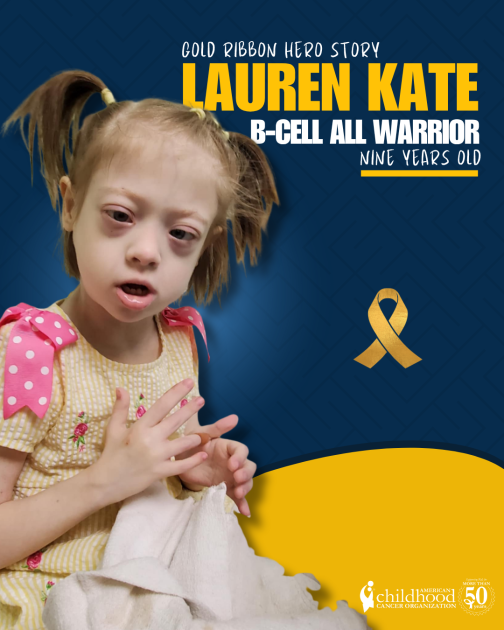
To facilitate the delivery of intravenous medications and frequent blood draws, Lauren underwent a surgical procedure for a port-a-cath insertion. This device, typically placed under the skin of the chest, allows the medical team to access her bloodstream without the need for repeated needle sticks in her arms. Additionally, Lauren has undergone multiple lumbar punctures, also known as spinal taps. These procedures are critical in pediatric ALL cases to check for the presence of cancer cells in the cerebrospinal fluid and to deliver "intrathecal" chemotherapy directly into the central nervous system, a common site for leukemia relapse.
The treatment regimen also included bone marrow aspirations and biopsies to monitor the marrow’s response to chemotherapy. Lauren’s family reports that she has already completed multiple rounds of systemic chemotherapy, a process that necessitates extended hospital stays and significant time away from her home and community. These interventions, while physically taxing, are the standard of care for stabilizing B-Cell ALL and preventing the spread of the disease to other organs.
Impact on Family and the Role of Support Systems
The diagnosis of a life-threatening illness in a child places an immense psychological and logistical burden on the family unit. In Lauren’s case, the family has rallied to provide a stable environment amidst the chaos of hospitalizations and medical procedures. Statements from the family emphasize the importance of maintaining a sense of normalcy for Lauren, who finds comfort in watching her favorite television program, Bubble Guppies, and spending time with her sister, Emma.
These "little joys," as described by her caregivers, serve as vital coping mechanisms. Pediatric psychologists note that for children with developmental differences like Down syndrome, the disruption of routine caused by cancer treatment can be particularly challenging. Support from siblings and the preservation of play and entertainment are considered essential components of holistic pediatric care, helping to mitigate the trauma associated with long-term medical treatment.
The broader community and organizations such as the American Childhood Cancer Organization (ACCO) play a pivotal role in supporting families like Lauren’s. The ACCO provides resources, advocacy, and a platform for families to share their stories, which often serves to raise awareness and secure funding for pediatric cancer research. The organization’s mantra, "Together, we can make a difference," reflects the collaborative effort required to address the gaps in pediatric oncology, where funding often lags behind adult cancer research.
Broader Implications and the Future of Pediatric Cancer Advocacy
Lauren Kate’s journey is emblematic of the "warrior" spirit often attributed to pediatric cancer patients, but it also underscores the systemic challenges within the healthcare and research sectors. While survival rates for ALL are high, the long-term effects of intensive chemotherapy on developing bodies—especially those with pre-existing genetic conditions—remain a concern for medical professionals.
Advocacy groups argue that more research is needed to develop "targeted therapies" that can kill cancer cells without the broad-spectrum toxicity of traditional chemotherapy. For children with Down syndrome, these targeted approaches are especially critical to reduce the risk of secondary health complications later in life. Furthermore, the financial impact on families is substantial. The cost of leukemia treatment can reach hundreds of thousands of dollars, involving not just medical bills but also the loss of parental income, travel expenses, and home care requirements.
As Lauren continues her fight against B-Cell Acute Lymphoblastic Leukemia, her story serves as a call to action for increased public and private investment in childhood cancer research. The goal of the medical community and advocacy organizations is not only to achieve remission for every child but to ensure that the quality of life during and after treatment remains a primary focus.
The diagnosis of September 23, 2025, changed the trajectory of Lauren’s life, but it also activated a network of medical experts, family members, and advocates dedicated to her recovery. Through the combination of advanced medical protocols at institutions like East Tennessee Children’s Hospital and the emotional support provided by her family and the ACCO, Lauren remains at the center of a concerted effort to overcome the dual challenges of her genetic condition and her oncological diagnosis. Her resilience, supported by the love of her sister Emma and her affinity for the simple pleasures of childhood, continues to define her journey as she moves through the subsequent phases of her treatment plan.
