
 By admin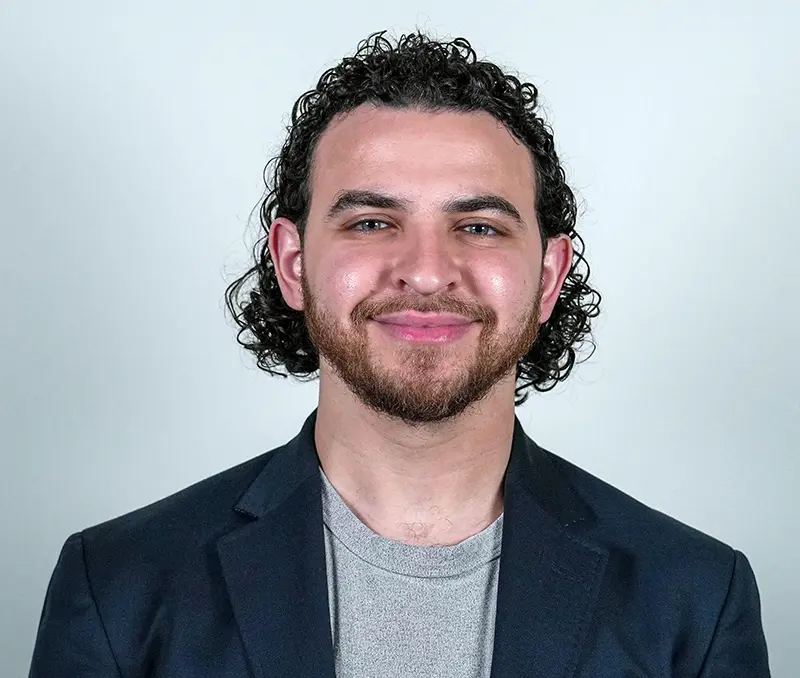
CureSearch for Children’s Cancer, a leading national non-profit foundation dedicated to accelerating the development of new treatments for pediatric malignancies, has officially announced the appointment of Osama Alsaleh to its Board of Directors. This strategic addition comes at a pivotal moment for the organization as it seeks to bridge the gap between early-stage laboratory research and clinical application through increased collaboration with the venture capital and technology sectors. Alsaleh, a distinguished healthcare leader with a multifaceted background in innovation, health equity, and strategic partnerships, is expected to play a crucial role in expanding the organization’s reach and diversifying its approach to funding life-saving research.
As the current Head of Partnerships at Plug and Play Health—the healthcare arm of one of the world’s most active venture capital firms and global innovation platforms—Alsaleh brings a unique perspective to the CureSearch leadership team. His expertise lies at the intersection of technological disruption and institutional healthcare, a nexus that is increasingly vital for the advancement of pediatric oncology. By integrating his knowledge of the startup ecosystem with CureSearch’s mission, the organization aims to overcome the traditional financial and regulatory hurdles that often stall the development of pediatric-specific therapies.
A Career Defined by Innovation and Global Impact
Osama Alsaleh’s professional trajectory reflects a deep commitment to systemic change within the global healthcare landscape. Prior to his leadership role at Plug and Play, Alsaleh held significant positions at Oracle Health and Cerner Corporation, where he focused on the integration of technology and clinical outcomes. At Oracle, he was instrumental in the formation of the health equity team, a specialized unit designed to address the social determinants of health (SDOH). This work involved creating strategies to ensure that technological advancements in healthcare are accessible to underserved populations, a mission that aligns closely with CureSearch’s commitment to providing better outcomes for all children, regardless of socioeconomic status.
Beyond his strategic roles, Alsaleh has demonstrated a significant track record in the direct allocation of resources toward medical advancement. During his tenure with the Oracle Charitable Foundation’s Clinical Decision Committee, he contributed to the evaluation and distribution of more than $42 million in healthcare grants. This experience in grant-making and philanthropic oversight provides him with a granular understanding of how capital can be most effectively deployed to drive scientific breakthroughs.
His influence also extends into the public sector and international policy. Alsaleh has served as an advisor on quality reporting measures and has collaborated with major governmental and intergovernmental bodies, including the Centers for Medicare & Medicaid Services (CMS), the U.S. State Department, and the White House COVID-19 Taskforce. His international portfolio includes work with the World Bank Group and the World Health Organization (WHO), where he advocated for sustainable health solutions and global health security. This breadth of experience allows him to navigate the complex regulatory environments that often act as a barrier to the commercialization of new pediatric drugs.
Addressing the Funding Gap in Pediatric Oncology
The appointment of a venture capital and technology expert like Alsaleh highlights a critical challenge in the fight against childhood cancer: the "funding gap." While cancer remains the leading cause of death by disease for children in the United States, pediatric oncology research receives significantly less funding than adult cancer research. According to data from the National Cancer Institute (NCI), only about 4% of federal funding for cancer research is specifically directed toward childhood cancers.
Furthermore, the private sector often views pediatric drug development as a high-risk, low-reward venture due to the relatively small number of patients compared to adult oncology markets. This creates a "valley of death" where promising laboratory discoveries fail to transition into clinical trials because of a lack of investment. Alsaleh’s entry into the CureSearch board is a direct response to this economic reality.
"Throughout my work, I have consistently observed that innovations focused on pediatrics, particularly pediatric oncology, remain significantly underfunded and underrepresented within mainstream venture capital and innovation ecosystems," Alsaleh stated upon his appointment. He emphasized that his goal is to leverage his extensive network of startups, healthcare institutions, and investors to attract the "new technologies, strategic partners, and resources" necessary to accelerate progress.
Strategic Implications for CureSearch
For CureSearch, Alsaleh’s presence on the board signifies a shift toward a more "venture philanthropy" model. This approach applies the principles of venture capital—such as rigorous due diligence, performance-based milestones, and active management—to the nonprofit sector. By treating research grants as investments in future cures, CureSearch can ensure that every dollar spent is moving the needle toward clinical availability.
Jared Brancazio, Chair of the CureSearch Board of Directors, underscored the value of this new perspective. "Osama brings a unique and highly valuable perspective to CureSearch," Brancazio said. "His ability to connect innovation, investment, and healthcare will help expand our reach and unlock new opportunities to advance critical research for children with cancer."
The organization’s current strategy focuses on three main pillars:
- Accelerating Clinical Trials: Funding research that is near the "ready for human" stage to reduce the time it takes for new drugs to reach the bedside.
- Addressing High-Risk Cancers: Focusing on pediatric cancers with the lowest survival rates, such as certain types of brain tumors and relapsed leukemias.
- Fostering Collaboration: Bringing together academic researchers, pharmaceutical companies, and regulatory agencies to streamline the development process.
Supporting Data and the Current Landscape of Childhood Cancer
The urgency of Alsaleh’s mission is supported by sobering statistics. While the overall five-year survival rate for childhood cancer has risen to over 80% since the 1970s, this figure is misleading. For many specific types of cancer, such as Diffuse Intrinsic Pontine Glioma (DIPG), the survival rate remains near zero. Additionally, many survivors suffer from long-term "late effects" caused by the toxicity of current treatments, which were often designed for adults. These effects can include secondary cancers, organ damage, and cognitive impairments.
Data from the American Cancer Society indicates that in 2024 alone, an estimated 9,620 children in the United States under the age of 15 will be diagnosed with cancer. The need for precision medicine—treatments tailored specifically to the genetic profile of pediatric tumors—is higher than ever. However, the development of these therapies requires the kind of high-tech infrastructure and data analytics that Alsaleh has championed throughout his career.
The integration of artificial intelligence (AI) and machine learning in drug discovery is another area where Alsaleh’s expertise at Plug and Play Health will be invaluable. By utilizing AI to identify potential drug candidates more quickly, researchers can reduce the cost and duration of the pre-clinical phase, making pediatric projects more attractive to potential investors and partners.
Chronology of CureSearch’s Evolution
The addition of Osama Alsaleh to the board is part of a longer evolution for CureSearch. Founded as a result of the merger between the National Childhood Cancer Foundation and the Children’s Oncology Group, the organization has spent decades as a cornerstone of the pediatric research community.
- Pre-2010s: Focused heavily on supporting the Children’s Oncology Group (COG) and its network of hospitals to standardize care.
- 2012-2015: Shifted toward a more targeted research funding model, specifically identifying the "bottlenecks" in the drug development pipeline.
- 2018-2022: Increased focus on "Impact Grants" and "Catapult Awards," which provide millions in funding for projects with high potential for clinical impact within a three-year window.
- 2024: The appointment of Alsaleh signals a new era of "Innovation and Partnership," looking toward the tech and VC sectors to provide the next generation of solutions.
Broader Impact and Industry Reaction
The move has been met with positive reactions from industry observers who see it as a necessary step for the non-profit sector. Analysts suggest that the "siloed" nature of medical research, where academia, industry, and philanthropy operate independently, is one of the primary reasons for the slow pace of progress in rare disease research. By bringing in a leader who sits at the center of these silos, CureSearch is positioning itself as a "convening power" that can align the interests of diverse stakeholders.
Furthermore, Alsaleh’s background in health equity suggests that CureSearch will continue to prioritize diversity in clinical trials. Historically, pediatric clinical trials have struggled with diverse representation, which can lead to disparities in treatment efficacy across different populations. Alsaleh’s experience with Oracle’s health equity team will likely inform new initiatives to ensure that innovative treatments reach all communities.
As the healthcare industry continues to move toward a more data-driven and personalized model, the role of leaders who can navigate both the board room and the research lab becomes essential. Osama Alsaleh’s appointment to the CureSearch Board of Directors represents a significant commitment to this integrated future, offering hope for more effective, less toxic, and more accessible treatments for the thousands of children facing cancer diagnoses each year.
