
 By Suherman Candra Maholtra
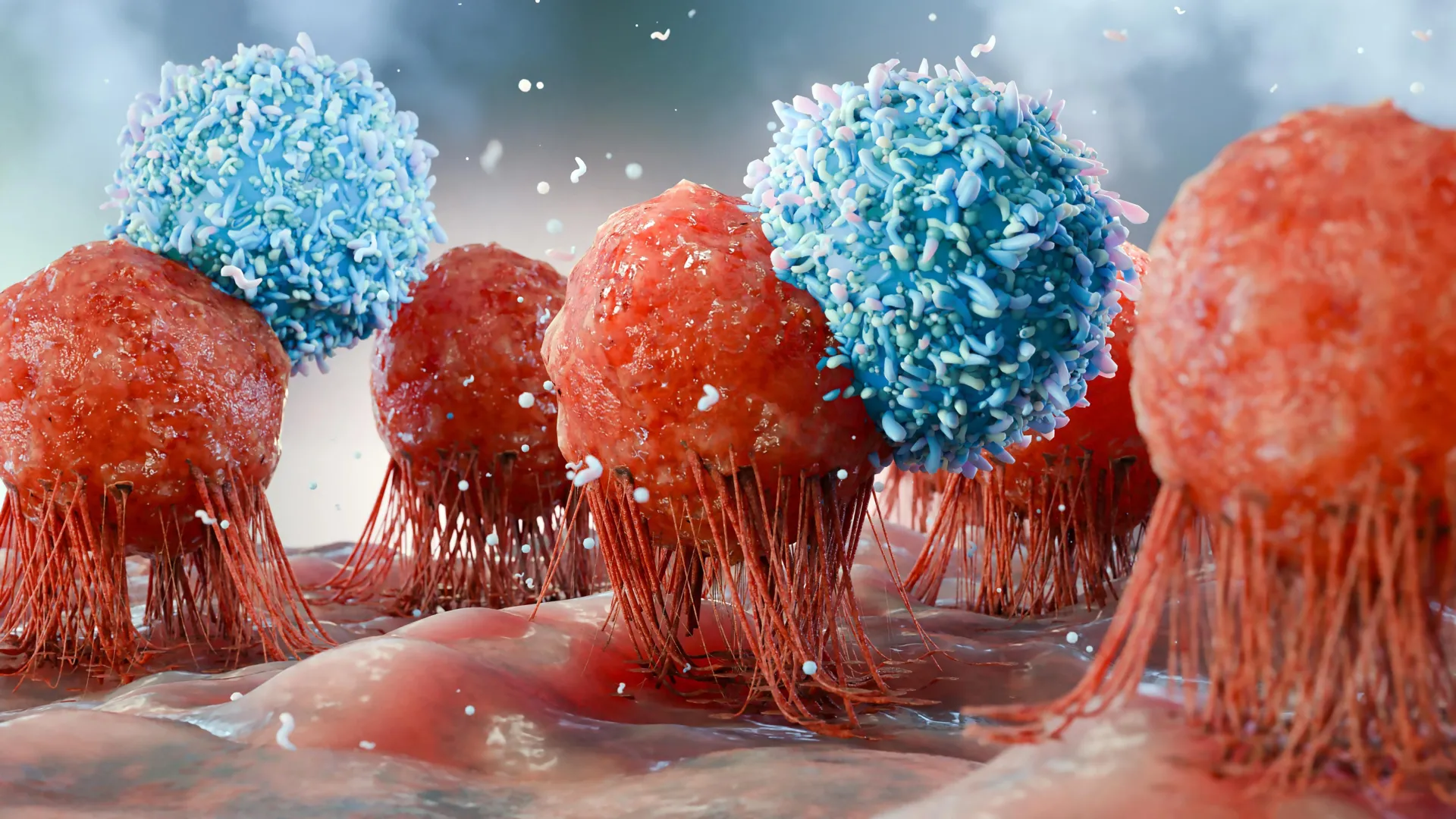
In a landmark study published in the journal Cell, researchers at the University of Southern California (USC) have unveiled a breakthrough that could fundamentally alter the landscape of immunotherapy. By identifying a method to cultivate a renewable and scalable supply of cancer-fighting immune cells, the team has addressed one of the most significant bottlenecks in modern oncology: the difficulty of producing sufficient quantities of potent, long-lasting immune defenders. The research focuses on granulocyte-monocyte progenitors (GMPs), a type of immature immune cell that the USC team has successfully programmed to recognize and destroy malignant tumors while maintaining a persistent presence within the body.
The study, led by the USC Stem Cell laboratory, demonstrates that these progenitor cells can be expanded extensively in a laboratory setting without losing their specialized functions. This discovery challenges decades of biological dogma regarding how blood and immune cells develop and offers a potential pathway toward "off-the-shelf" cellular therapies that are more affordable and accessible than current personalized treatments.
The Evolution of Cancer Immunotherapy and the Macrophage Frontier
To understand the magnitude of the USC discovery, it is necessary to examine the current state of cancer treatment. For the past decade, the field of immunotherapy has been dominated by Chimeric Antigen Receptor (CAR) T-cell therapy. This process involves extracting a patient’s T-cells, genetically engineering them to recognize cancer, and reintroducing them into the bloodstream. While CAR-T therapy has achieved remarkable success in treating certain leukemias and lymphomas, it has largely struggled against solid tumors, which account for approximately 90% of adult cancer cases.
Solid tumors create a hostile microenvironment that repels T-cells or renders them inactive. Furthermore, the manufacturing process for CAR-T is arduous, expensive, and patient-specific, often taking weeks to produce a single dose. This is where macrophages enter the picture. Known as the "big eaters" of the immune system, macrophages are versatile cells capable of engulfing pathogens and debris. Unlike T-cells, macrophages naturally migrate into tissues and can penetrate the dense architecture of solid tumors.
However, using macrophages for therapy has historically been hindered by their biological limitations. Mature macrophages do not multiply well outside the body, are resistant to genetic modification, and often fail to survive the freezing process required for storage and transport. By shifting the focus from mature macrophages to their precursors—the GMPs—the USC researchers have bypassed these hurdles entirely.
Challenging Biological Dogma: The Self-Renewal of Progenitors
The most striking scientific revelation of the study is the newfound capability of GMPs to self-renew. In the traditional hierarchy of hematopoiesis (the formation of blood cellular components), hematopoietic stem cells (HSCs) were thought to be the only cells capable of long-term self-renewal. Progenitor cells, such as GMPs, were viewed as "middle management"—cells that are committed to a specific lineage and possess a very limited lifespan before maturing into final cell types.
The USC team, led by corresponding author Qi-Long Ying, MD, PhD, discovered that under specific, carefully controlled laboratory conditions, GMPs can be induced to divide repeatedly while maintaining their progenitor identity. "The prevailing view has been that long-term self-renewal in the blood system is primarily a property of the hematopoietic stem cells," explained Dr. Ying. "We found that, under the right conditions, GMPs can also self-renew, dividing extensively while keeping their identity and ability to produce functional immune cells."
This ability to "pause" development while the cells multiply provides a virtually inexhaustible starting material for engineering. The researchers developed a precise chemical cocktail that sustains the GMPs in this state, allowing for the mass production of cells that can later be "unlocked" to become active immune defenders.
Engineering the Next Generation of Immune Defenders
Once the researchers established a reliable method for expanding GMPs, they applied genetic engineering to enhance their cancer-fighting capabilities. Using CAR technology similar to that used in T-cell therapies, the team equipped the GMPs with receptors designed to seek out specific markers on the surface of cancer cells.
In a dual-pronged approach, the researchers also added a secondary immune-activating signal. This modification was designed to solve a common problem in immunotherapy: the "exhaustion" or deactivation of immune cells within the tumor environment. This secondary signal not only bolstered the activity of the engineered macrophages but also acted as a beacon, recruiting and stimulating other nearby immune cells, such as T-cells, to join the attack.
One of the most significant findings during this phase was that the engineered GMPs remained effective even when the donor cells did not perfectly match the recipient’s immune profile. This suggests that a single donor’s cells could potentially be used to treat many different patients, paving the way for "off-the-shelf" products that can be kept in hospital inventories for immediate use.
Experimental Success in Preclinical Models
The efficacy of the CAR-GMP platform was tested in rigorous mouse models involving both hematological malignancies and solid tumors. The results were highly encouraging. When the engineered GMPs were administered, they did not simply circulate and disappear; instead, they successfully migrated to the bone marrow—the body’s natural factory for blood cells.
From this "home base" in the bone marrow, the GMPs established a persistent colony that continually produced new, engineered macrophages and other immune cells. This creates a sustainable, internal supply of cancer-fighting agents, addressing the "rapid clearance" issue that has plagued previous macrophage-based therapies.
In mice with solid tumors, the CAR-GMPs significantly slowed disease progression. The therapeutic effect was most pronounced in the group that received cells equipped with both the CAR receptor and the secondary immune-activating signal. These mice showed a broader and more robust anti-tumor response, as the engineered cells effectively "turned on" the rest of the immune system to recognize the malignancy.
Beyond Oncology: Applications for Rare Diseases
The implications of this scalable GMP platform extend beyond the realm of cancer. To demonstrate the versatility of their discovery, the researchers applied the technology to chronic granulomatous disease (CGD). CGD is a rare, inherited primary immunodeficiency where white blood cells are unable to kill certain types of bacteria and fungi, leading to life-threatening infections.
In experiments with CGD-afflicted mice, the administration of healthy, expanded GMPs restored the animals’ ability to combat bacterial infections. This suggests that the GMP platform could serve as a delivery vehicle for gene therapies or as a cell replacement therapy for a variety of genetic blood disorders and infectious diseases.
Collaborative Validation and Future Trajectory
The reliability of the USC findings was bolstered by independent validation at Stanford University. A team led by Ravi Majeti, MD, PhD, Director of the Institute for Stem Cell Biology and Regenerative Medicine at Stanford, successfully reproduced the GMP expansion and engineering results.
"This method for the expansion and engineering of GMPs opens the door to numerous translational applications, much like T-cell expansion and engineering," noted Dr. Majeti. The collaboration underscores the potential for this technology to move rapidly from the laboratory toward clinical trials.
Despite the promising results, the researchers emphasize that the work is currently in the preclinical stage. Moving from mouse models to human patients involves significant regulatory and safety hurdles. Future research will need to focus on the long-term safety of allowing engineered progenitor cells to persist in the bone marrow and ensuring that the self-renewal process can be safely halted once the disease is in remission.
A Strategic Shift in Immunotherapy Design
The USC study advocates for a paradigm shift in how scientists approach cell therapy. For years, the focus has been on the "warhead"—the genetic modifications like CAR receptors. This new research suggests that the "delivery vehicle"—the developmental stage of the cell itself—is equally critical.
By choosing a progenitor cell like the GMP, scientists gain the benefits of stem cell-like longevity and scalability combined with the specialized, tissue-penetrating power of macrophages. This "middle-ground" approach offers a level of flexibility that mature cells cannot match.
As the costs of healthcare and specialized cancer treatments continue to rise, the scalability of the GMP platform offers a glimmer of hope for a more sustainable economic model for immunotherapy. If the "off-the-shelf" potential is realized, it could democratize access to cutting-edge treatments that are currently reserved for a small fraction of patients at elite medical centers.
The study, titled "Expansion and CAR engineering of granulocyte-monocyte progenitors for cellular immunotherapy," represents a collaborative effort involving experts from USC, Stanford University, Creighton University, Harvard Medical School, and the Dana-Farber Cancer Institute. Supported by a diverse range of foundations and research funds, the project stands as a testament to the power of interdisciplinary science in tackling the most complex challenges in human health.
