
 By Billy Candra
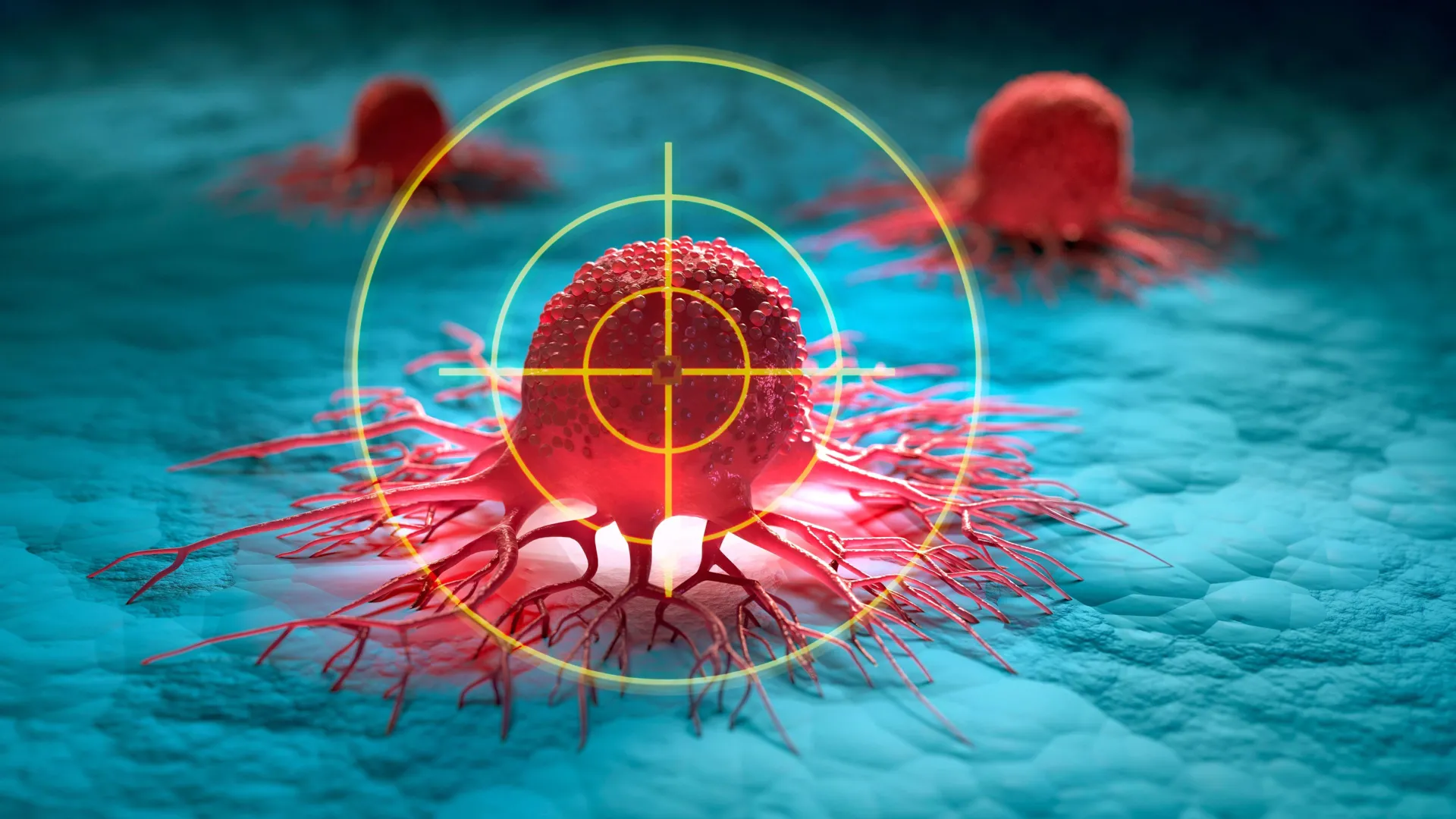
Scientists at the Icahn School of Medicine at Mount Sinai have unveiled an experimental immunotherapy that marks a significant departure from conventional cancer treatment strategies. Rather than directly assaulting malignant cells, this innovative approach targets the supportive cellular environment that shields and nourishes metastatic tumors. The research, detailed in the January 22 online issue of Cancer Cell, a Cell Press Journal, demonstrated promising results in aggressive preclinical models of metastatic ovarian and lung cancer, suggesting a potent new avenue for tackling advanced solid tumors that have historically resisted existing therapies.
A Novel Strategy to Breach Cancer’s Defenses
At the heart of this breakthrough lies a sophisticated re-engineering of Chimeric Antigen Receptor (CAR) T cells, a form of immunotherapy that has already revolutionized the treatment of certain blood cancers. However, the Mount Sinai team’s innovation lies in redirecting these powerful immune cells not to recognize and destroy cancer cells directly, but to selectively target tumor-associated macrophages (TAMs). These macrophages, typically immune cells designed to fight infection and repair tissue, are co-opted by tumors to act as protective "guardians," forming an immune-suppressive barrier around cancer cells.
The concept, likened by the researchers to a "Trojan horse," involves disarming these protective macrophages. By eliminating or reprogramming these crucial support cells, the treatment effectively dismantles the tumor’s defenses, exposing the malignant cells to the body’s own immune system, which can then mount a decisive attack. This paradigm shift addresses one of the most formidable challenges in cancer therapy: the tumor microenvironment (TME), a complex ecosystem of cells, blood vessels, and signaling molecules that actively suppresses anti-tumor immunity and promotes cancer growth and metastasis.
The Unyielding Challenge of Metastatic Solid Tumors
Metastatic disease, where cancer spreads from its primary site to distant parts of the body, remains the predominant cause of cancer-related mortality, accounting for the vast majority of cancer deaths globally. Solid tumors, such as lung and ovarian cancers, are particularly recalcitrant to current immunotherapeutic approaches. While immunotherapies like checkpoint inhibitors have transformed the landscape for some cancers, their efficacy in many solid tumors has been limited. This is largely due to the formidable immune-suppressive nature of the tumor microenvironment.
"What we call a tumor is really cancer cells surrounded by cells that feed and protect them. It’s a walled fortress," explained Dr. Jaime Mateus-Tique, lead study author and a faculty member in Immunology and Immunotherapy at the Icahn School of Medicine at Mount Sinai. He further elaborated on the persistent problem faced by immunotherapists: "With immunotherapy, we kept running into the same problem — we can’t get past this fortress’s guards. So, we thought: what if we targeted these guards, turned them from protectors to friends, and used them as a gateway to bring a wrecking force within the fortress." This vivid analogy underscores the ingenuity behind the Mount Sinai team’s strategy.
Tumor-associated macrophages are central to this "walled fortress" analogy. In healthy physiological contexts, macrophages are vital first responders, orchestrating immune responses against pathogens and facilitating tissue repair. However, within the aberrant environment of a tumor, these same cells undergo a profound reprogramming. They are coerced into suppressing beneficial immune responses, actively fostering cancer cell proliferation, and even aiding the metastatic spread of the disease. They become, in essence, collaborators with the cancer, creating a sanctuary where malignant cells can evade detection and destruction by the host immune system.
Re-engineering CAR T Cells for a New Battleground
CAR T cell therapy represents one of the most significant advances in cancer treatment in recent decades. It involves extracting a patient’s own T cells, genetically modifying them in the laboratory to express a chimeric antigen receptor (CAR) that enables them to recognize and bind to specific proteins on cancer cells, and then reinfusing these "super-soldier" T cells back into the patient. This personalized medicine approach has achieved remarkable success in treating certain hematological malignancies, such as acute lymphoblastic leukemia and lymphomas, leading to long-term remissions and even cures for many patients.
However, the application of CAR T cell therapy to solid tumors has been fraught with challenges. One primary hurdle has been the difficulty in identifying suitable, unique cancer-specific targets on solid tumor cells that are expressed broadly enough to be effective but not on healthy tissues, which could lead to severe off-target toxicities. Furthermore, the dense, fibrotic, and immune-suppressive microenvironment of solid tumors often prevents CAR T cells from effectively infiltrating the tumor, surviving, and executing their cytotoxic function.
The Mount Sinai team ingeniously circumvented these obstacles by fundamentally altering the target of CAR T cells. Instead of pursuing elusive cancer cell antigens, they engineered CAR T cells to recognize specific markers on tumor-associated macrophages. This strategic pivot addresses the target identification challenge by focusing on a cell type universally present and critical to the survival of diverse solid tumors.
Beyond this target redirection, the researchers introduced another layer of sophistication: they "armored" the CAR T cells to secrete interleukin-12 (IL-12), a potent immune-stimulating cytokine. IL-12 is known for its ability to activate natural killer (NK) cells and cytotoxic T lymphocytes (CTLs), which are crucial for destroying cancer cells. By locally releasing IL-12 within the tumor microenvironment, the engineered CAR T cells not only remove the immune-suppressing macrophages but also actively recruit and amplify a broader anti-tumor immune response. This localized delivery is key, as systemic administration of IL-12 has historically been limited by severe toxicity.
Preclinical Validation and Dramatic Outcomes
The efficacy of this novel armored macrophage-targeted CAR T cell therapy was rigorously tested in aggressive preclinical models of metastatic ovarian and lung cancer. These models are designed to closely mimic the human disease, providing a robust platform for evaluating potential treatments. The results were compelling: mice treated with the engineered cells exhibited significantly prolonged survival, living months longer than their untreated counterparts. Remarkably, a substantial proportion of the treated animals achieved complete cures, indicating the profound therapeutic potential of this strategy.
To meticulously understand the mechanisms underpinning these dramatic outcomes, the researchers employed advanced spatial genomics techniques. These cutting-edge analyses allowed for a detailed, high-resolution mapping of cellular interactions and gene expression patterns within the tumor environment. The findings confirmed that the treatment indeed instigated a profound transformation of the tumor microenvironment. It effectively cleared out immune-suppressing cells, notably the reprogrammed macrophages, and simultaneously fostered the infiltration and activation of immune cells capable of eradicating cancer. This shift from an immune-cold, suppressive environment to an immune-hot, active one is a critical prerequisite for successful anti-cancer immunity.
This fundamental reshaping of the tumor environment has a particularly significant implication: it renders the therapy ‘antigen-independent’. This means the treatment does not rely on identifying specific cancer cell markers, which often vary between patients and tumor types, and can even evolve within a single tumor, leading to resistance. By targeting the universally present and crucial tumor-associated macrophages, the strategy could potentially be broadly applicable across a wide spectrum of different cancers, including those notoriously resistant to conventional immunotherapies. The consistent effectiveness observed in both metastatic lung and ovarian cancer models strongly underscores this potential for widespread utility.
Dr. Brian Brown, senior author of the study, Director of the Icahn Genomics Institute, Vice Chair of Immunology and Immunotherapy, and Associate Director of the Marc and Jennifer Lipschultz Precision Immunology Institute at Mount Sinai, articulated the core insight: "Macrophages are found in every type of tumor, sometimes outnumbering the cancer cells. They’re there because the tumor uses them as a shield." He further emphasized the revolutionary nature of the findings: "What’s so exciting is that our treatment converts these cells from protecting the cancer to killing it. We’ve turned foe into ally."
Chronology and Context: A New Chapter in Immunotherapy
The journey to this discovery builds upon decades of foundational research in immunology and cancer biology. The concept of harnessing the immune system to fight cancer gained significant traction with the development of checkpoint inhibitors in the early 2010s, followed by the groundbreaking success of CAR T cell therapies for blood cancers in the mid-2010s. While these advances offered unprecedented hope, the formidable challenge of solid tumors remained largely unmet, particularly due to the complex tumor microenvironment.
The Mount Sinai team’s work represents a pivotal moment in addressing this gap. Their conceptualization, moving from direct cancer cell targeting to indirect TME modulation, likely began several years ago, leveraging the deep expertise in immunology and genetic engineering within the Icahn School of Medicine. The meticulous design of the CAR T cells, their preclinical testing in relevant models, and the subsequent rigorous analysis using advanced techniques such as spatial genomics, culminated in the recent publication in Cancer Cell, marking a significant step forward in the translational pipeline from bench to bedside. This research not only presents a novel therapeutic candidate but also fundamentally alters our understanding of how to effectively engage the immune system against solid tumors.
Broader Impact and Future Implications
While the preclinical results are undeniably exciting, the researchers are careful to emphasize that these findings represent a crucial "proof of concept" rather than an immediate cure. The next critical phase involves translating these successes into human clinical trials to rigorously assess the therapy’s safety, tolerability, and efficacy in patients. This transition from mouse models to humans is a complex, multi-stage process, often fraught with unforeseen challenges.
However, the potential implications of this research are vast. "This establishes a new way to treat cancer," stated Dr. Brown, highlighting the paradigm shift. By specifically targeting tumor macrophages, the Mount Sinai team has demonstrated a viable strategy to potentially eliminate cancers that are refractory to other immunotherapies. This could offer a lifeline to patients with advanced metastatic solid tumors who currently have limited treatment options.
The team is actively refining the approach, with a particular focus on optimizing the controlled release of IL-12 within tumors in mouse models. The goal is to maximize the therapeutic impact while meticulously ensuring safety, a paramount concern as the therapy progresses towards potential human testing. Beyond lung and ovarian cancer, the researchers envision this strategy forming the basis for a new generation of CAR T therapies capable of reshaping tumor microenvironments by targeting crucial support cells, thereby unlocking broader anti-tumor immunity across various cancer types.
Experts in the field are likely to greet this development with cautious optimism. Oncologists, keenly aware of the unmet needs in metastatic solid tumors, would recognize the profound potential of an approach that tackles the immune-suppressive TME head-on. Patient advocacy groups would undoubtedly highlight the hope this research offers to countless individuals grappling with aggressive and hard-to-treat cancers. The continued support from funding bodies like the NIH, Alliance for Cancer Gene Therapy, the Feldman Family Foundation, and the Applebaum Foundation underscores the recognized importance and innovative nature of this work.
The challenges ahead include scaling up manufacturing of these complex engineered cells, ensuring the long-term safety profile in humans, and navigating the regulatory pathways for approval. However, by turning the tumor’s "guards" into allies, Mount Sinai scientists have opened a new frontier in the battle against cancer, offering a beacon of hope for a future where even the most formidable "fortresses" of cancer can be breached.
The full paper, titled "Armored macrophage-targeted CAR-T cells reset and reprogram the tumor microenvironment and control metastatic cancer growth," lists the following authors: Jaime Mateus-Tique, Ashwitha Lakshmi, Bhavya Singh, Rhea Iyer, Alfonso R. Sánchez-Paulete, Chiara Falcomata, Matthew Lin, Gvantsa Pantsulaia, Alexander Tepper, Trung Nguyen, Angelo Amabile, Gurkan Mollaoglu, Luisanna Pia, Divya Chhamalwan, Jessica Le Berichel, Hunter Potak, Marco Colonna, Alessia Baccarini, Joshua Brody, Miriam Merad, and Brian D. Brown. The work was supported by NIH grants (U01CA28408, R01CA254104), the Alliance for Cancer Gene Therapy, the Feldman Family Foundation, and the Applebaum Foundation.
