
 By admin
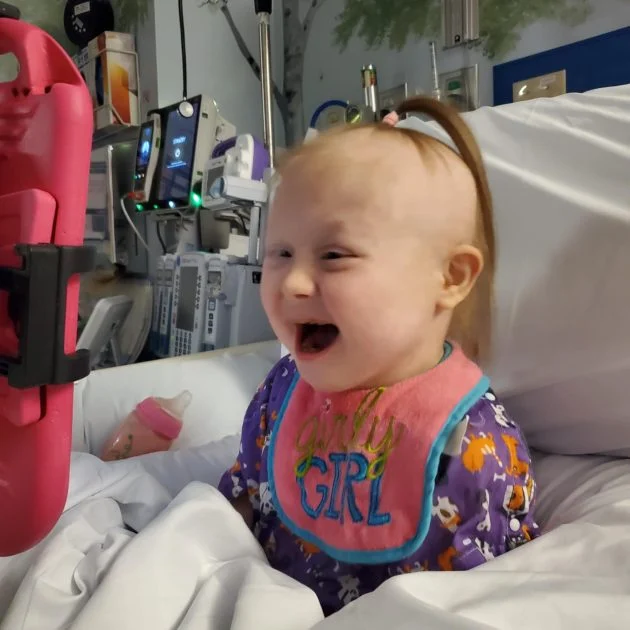
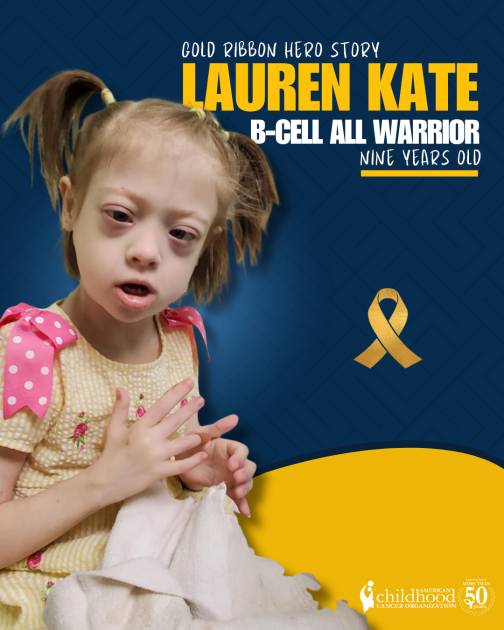
Lauren Kate, a nine-year-old girl previously known for her resilience as a child born with Down syndrome, has entered a new chapter of medical advocacy following a diagnosis of B-Cell Acute Lymphoblastic Leukemia (ALL). The transition from a routine childhood to a life defined by intensive oncology protocols began in late 2025, when her family observed significant deviations from her typical behavior and physical health. What initially appeared to be lethargy and common physical irregularities soon escalated into a medical emergency, highlighting the critical importance of early detection and the complexities of managing pediatric cancer in children with pre-existing genetic conditions.
Clinical Presentation and the Path to Diagnosis
The onset of Lauren Kate’s illness was marked by a series of non-specific but concerning symptoms. Her primary caregivers noted an unusual level of fatigue and a lack of interest in daily activities that had previously brought her joy. More alarmingly, physical examination revealed large, palpable masses—medically known as lymphadenopathy—beneath her neck. These symptoms prompted an urgent consultation with her primary care physician, a move that likely expedited her entry into the specialized care system.
During the initial clinical visit, blood work indicated a severely abnormal white blood cell count, a hallmark sign of hematologic distress. Recognizing the potential for a life-threatening condition, the physician directed the family to East Tennessee Children’s Hospital immediately. The urgency of the referral underscored the severity of the findings. Upon arrival at the hospital, Lauren Kate underwent a battery of diagnostic tests designed to isolate the cause of her symptoms and the irregularities in her blood chemistry.
On September 23, 2025, the medical team confirmed a diagnosis of B-Cell Acute Lymphoblastic Leukemia. For the family, the news was met with a combination of shock and disbelief. However, the diagnosis also provided a definitive framework for the road ahead. The clinical team at East Tennessee Children’s Hospital immediately mobilized to stabilize the patient and initiate a treatment plan tailored to the specific subtype of her leukemia.
Understanding B-Cell Acute Lymphoblastic Leukemia (ALL)
B-Cell Acute Lymphoblastic Leukemia is a type of cancer in which the bone marrow produces too many immature lymphocytes, a type of white blood cell. In a healthy individual, these cells develop into mature B-cells that help the body fight infection. In a patient with ALL, these cells remain in an undifferentiated state and proliferate rapidly, crowding out healthy red blood cells, white blood cells, and platelets.
ALL is the most common form of childhood cancer, accounting for approximately 25% of all cancer diagnoses in children under the age of 15. While the prognosis for pediatric ALL has improved significantly over the last several decades—with five-year survival rates now exceeding 90% for many cohorts—the treatment remains grueling. The "B-cell" designation refers to the specific lineage of the white blood cells involved. B-cell ALL is characterized by the overproduction of lymphoblasts that express specific surface markers, which are used by oncologists to determine the most effective chemotherapy agents and targeted therapies.
The Intersection of Down Syndrome and Pediatric Leukemia
Lauren Kate’s journey is further complicated by her underlying diagnosis of Down syndrome (Trisomy 21). Medical literature has long established a significant link between Down syndrome and an increased risk of developing leukemia. Children with Trisomy 21 are estimated to have a 10-to-20-fold increased risk of developing both Acute Lymphoblastic Leukemia and Acute Myeloid Leukemia (AML) compared to the general population.
The biological basis for this increased risk is rooted in the genetic material found on chromosome 21. Research suggests that the extra copy of this chromosome affects the regulation of blood cell production and increases the likelihood of somatic mutations in genes such as GATA1 or those involved in the JAK-STAT signaling pathway. While children with Down syndrome often respond well to certain types of chemotherapy, they also face a higher risk of treatment-related toxicities. This requires oncology teams to strike a delicate balance between aggressive eradication of the cancer and the management of side effects that may be more pronounced in this patient population.
Chronology of Treatment and Medical Interventions
Following her diagnosis in September 2025, Lauren Kate’s medical regimen became intensive and multifaceted. To facilitate the frequent administration of intravenous medications and the drawing of blood for monitoring, she underwent a surgical procedure for a port insertion. A port-a-cath is a small device implanted under the skin, usually on the chest, which allows the medical team to access a large vein directly, sparing the patient from the pain and trauma of repeated peripheral needle sticks.
The treatment protocol for ALL typically involves several phases: induction, consolidation (or intensification), and maintenance. For Lauren Kate, this has included:
- Chemotherapy Cycles: The administration of powerful cytotoxic drugs designed to kill rapidly dividing cancer cells. These are delivered through her port and, in some cases, orally.
- Lumbar Punctures: Also known as spinal taps, these procedures are used to check for the presence of leukemia cells in the cerebrospinal fluid. During these procedures, chemotherapy is often injected directly into the spinal canal (intrathecal chemotherapy) to prevent the cancer from spreading to the central nervous system.
- Bone Marrow Procedures: Periodic bone marrow aspirates and biopsies are necessary to monitor the patient’s response to treatment and to ensure that the leukemia is moving into remission.
- Inpatient Stays: The aggressive nature of the treatment and the resulting immunosuppression have necessitated "countless days away from home," as her body recovers from the effects of the medication and fights off potential infections.
The Psychosocial Impact on the Family Unit
The diagnosis of a childhood illness of this magnitude ripples through the entire family structure. For Lauren Kate, the presence of her sister, Emma, has been a vital source of emotional stability. Maintaining a sense of normalcy is a significant challenge for families navigating pediatric oncology. Despite the rigors of her treatment, Lauren Kate continues to find joy in childhood staples, such as watching her favorite television program, Bubble Guppies.
Medical professionals emphasize that for pediatric patients, "play" is a form of therapy. Engaging in age-appropriate activities helps mitigate the trauma of the hospital environment. However, the burden on the parents and siblings is immense. The transition from a caregiver to a "medical parent"—one who must manage medications, monitor for signs of infection, and navigate the complex healthcare bureaucracy—often leads to significant psychological and financial stress.
Broader Implications and the Role of Advocacy
Lauren Kate’s story is a microcosm of a larger national issue regarding pediatric cancer research and support. Organizations like the American Childhood Cancer Organization (ACCO) play a pivotal role in providing resources to families and advocating for increased federal funding. Despite cancer being the leading cause of death by disease among children in the United States, pediatric cancer research receives a disproportionately small percentage of the National Cancer Institute’s (NCI) total budget.
The ACCO emphasizes that "kids can’t fight cancer alone," a mantra that highlights the necessity of community and systemic support. Advocacy efforts often focus on the "Gold Ribbon" movement, which seeks to raise awareness for childhood cancer in the same way the pink ribbon has for breast cancer. For patients like Lauren Kate, the development of less toxic treatments and better long-term survivorship programs depends entirely on the continued advancement of clinical trials and pediatric-specific research.
Analysis of Future Outlook and Survivorship
As Lauren Kate continues her courageous fight, the focus of her medical team remains on achieving and maintaining complete remission. The long-term outlook for B-cell ALL is generally positive, but the road is long—treatment for ALL in girls typically lasts approximately two years, while for boys, it can extend to three.
The medical community is also increasingly focused on "late effects" of treatment. Survivors of childhood leukemia may face long-term challenges related to cardiac health, cognitive development, and secondary malignancies. For a child with Down syndrome, these considerations are integrated into a holistic care plan that involves oncologists, cardiologists, and developmental specialists.
Lauren Kate’s journey is a testament to the strength of the human spirit and the advancements of modern medicine. Her case highlights the necessity of vigilant parenting, the expertise of specialized pediatric facilities like East Tennessee Children’s Hospital, and the vital role of national support networks. While the diagnosis of B-cell ALL changed everything for her family on that day in September, the collective effort of her medical team and her community ensures that she is not fighting this battle in isolation. Through continued research and unwavering support, the goal remains clear: to return Lauren Kate to a life where her biggest concern is her next episode of Bubble Guppies and spending time with her sister.
