
 By Lina carolina
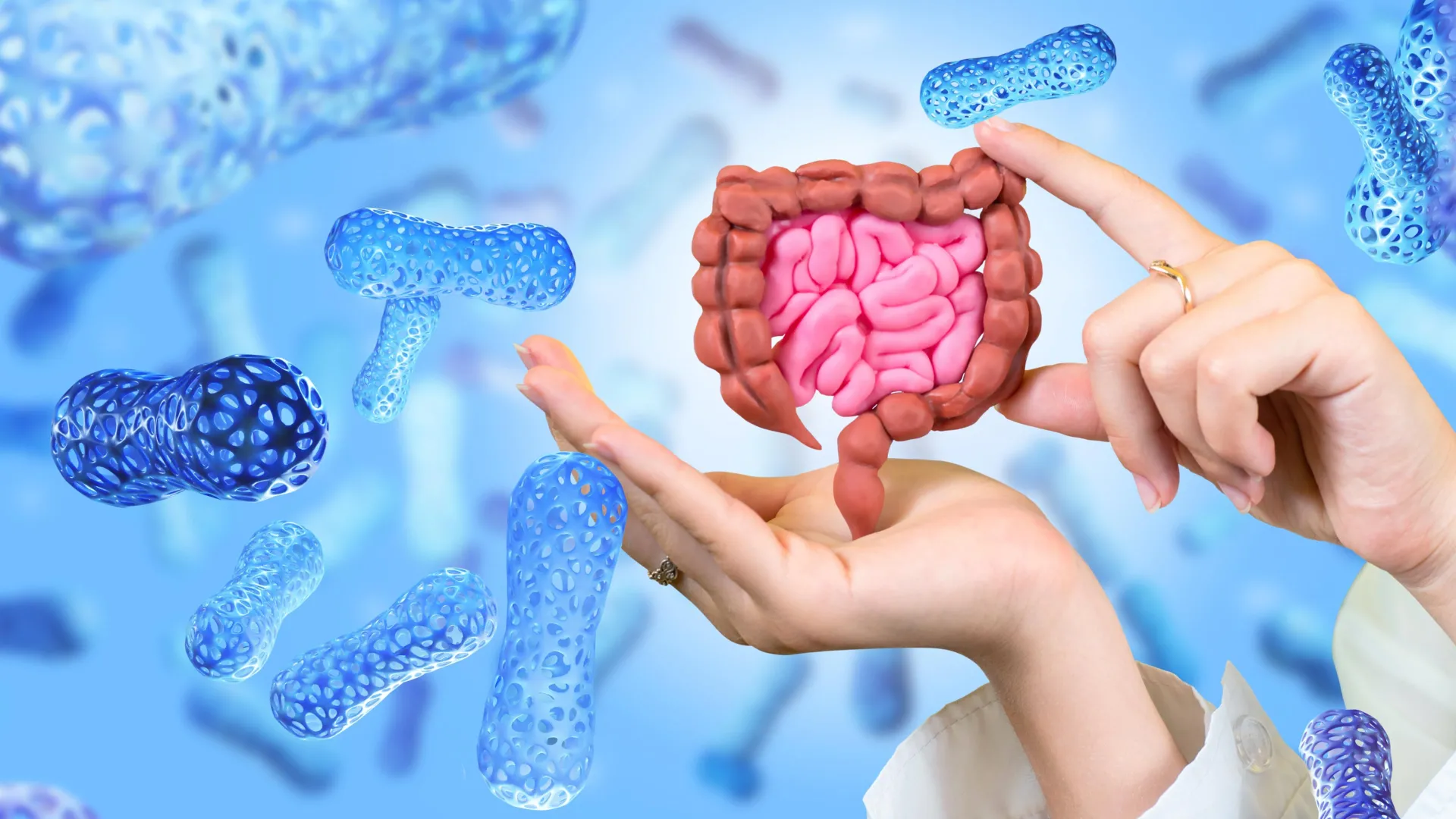
Chicago, IL – In a significant stride toward tackling one of the most formidable challenges in oncology, researchers at the University of Chicago have unveiled a novel therapeutic strategy that harnesses the power of engineered bacteria to combat pancreatic cancer. This innovative approach, detailed in a recent publication in Science Advances, focuses on overcoming the notoriously resistant "cold" tumor microenvironment that often shields pancreatic tumors from immune system assaults. The breakthrough centers on BifidoSumIL-2, a genetically modified strain of Bifidobacterium longum, a common probiotic bacterium, designed to deliver a potent immune-stimulating treatment directly to the tumor site.
Pancreatic cancer has long been a significant unmet medical need, characterized by its aggressive nature and dismal survival rates. For decades, clinicians and scientists have grappled with its resistance to conventional treatments, including the revolutionary advancements seen in cancer immunotherapy. A primary culprit identified in this resistance is the unique tumor microenvironment, a complex ecosystem of cells, blood vessels, and signaling molecules that pancreatic tumors cultivate. This environment often becomes "cold," meaning it is devoid of the immune cells necessary to initiate and sustain an effective anti-cancer response. The dense stromal tissue, immunosuppressive cells, and lack of vascularization create a physical and biological barrier, effectively cloaking the tumor from immune surveillance.
The University of Chicago team, led by pioneers in radiation and cellular oncology and microbiology, has conceptualized and developed a sophisticated delivery system that circumvents these barriers. Their engineered probiotic, BifidoSumIL-2, is designed to act as a microscopic Trojan horse, ferrying a modified version of interleukin-2 (IL-2), a crucial immune signaling molecule, directly into the heart of the tumor. This targeted delivery aims to concentrate the therapeutic effect where it is most needed, while minimizing the systemic side effects that have historically plagued conventional IL-2 treatments.
The Science Behind BifidoSumIL-2: A Bacterial Payload for Immune Activation
The development of BifidoSumIL-2 is a testament to a highly interdisciplinary effort, drawing expertise from fields as diverse as microbiology, synthetic biology, oncology, and immunology. Dr. Ralph Weichselbaum, the Daniel K. Ludwig Distinguished Service Professor and Chair of Radiation and Cellular Oncology at the University of Chicago, articulated the driving force behind this research, stating, "A big unmet medical need has been pancreatic cancer, and so that was going to be our mountain to climb." This sentiment underscores the urgency and ambition behind the project.
At the core of BifidoSumIL-2 is SumIL-2, a precisely engineered variant of IL-2. Interleukin-2 is a well-known cytokine that plays a pivotal role in activating T cells, the primary cellular soldiers of the immune system responsible for identifying and eliminating cancer cells. However, traditional IL-2 therapy, while capable of eliciting a response, often comes with a significant downside: it can indiscriminately stimulate various immune cells, including regulatory T cells (Tregs). These Tregs, paradoxically, can suppress the anti-tumor immune response, thereby counteracting the intended therapeutic benefit and contributing to severe systemic toxicities.
The innovation lies in the engineering of SumIL-2 to preferentially activate cancer-fighting CD8+ T cells while dampening the activity of these immunosuppressive Tregs. This targeted action is crucial for maximizing the anti-tumor effect and enhancing safety. To achieve localized delivery, the SumIL-2 payload was encapsulated within Bifidobacterium longum. This probiotic bacterium, commonly found in the human gut and recognized for its safety profile, was chosen for its unique biological properties.
Leveraging Bacterial Physiology for Targeted Delivery
The choice of Bifidobacterium as a delivery vehicle is particularly ingenious. This bacterium is an obligate anaerobe, meaning it thrives in environments with very low oxygen levels. This characteristic is precisely what makes it an ideal candidate for targeting solid tumors, including pancreatic tumors, which are often characterized by hypoxic (low oxygen) regions. In contrast, healthy tissues generally maintain a higher oxygen concentration, making them less hospitable for Bifidobacterium proliferation.
"Bifidobacterium is an obligate anaerobe, so it doesn’t grow in the presence of oxygen," explained Dr. Mark Mimee, Assistant Professor of Microbiology at the University of Chicago, a key figure in the engineering of the bacterial platform. "When the bacteria are injected systemically, they are cleared from healthy tissues with abundant oxygen. Inside the low-oxygen regions of tumors, however, they can become active." This inherent tropism allows the engineered bacteria to selectively accumulate within tumor sites, effectively acting as localized drug factories. Once established in the tumor microenvironment, BifidoSumIL-2 releases SumIL-2, concentrating the immune-boosting treatment directly where it is needed most.
Furthermore, Bifidobacterium carries a significant advantage in terms of public perception and regulatory pathways. As a widely recognized probiotic, it already possesses a favorable safety profile in preclinical models and is commonly consumed by the public in products like yogurt. This existing familiarity and established safety record can potentially streamline future clinical development and regulatory approval processes.
However, engineering Bifidobacterium presented its own set of challenges. "Bifidobacterium is not the easiest organism to work with," Dr. Mimee noted. "It’s anaerobic, it grows slowly, and the genetic tools for manipulating it are much more limited compared to model bacteria like E. coli. A lot of the work was just figuring out how to reliably engineer it." Overcoming these technical hurdles required meticulous research and development to ensure the bacteria could be effectively engineered to produce and deliver the therapeutic payload.
Preclinical Efficacy and the Power of Combination Therapies
In preclinical studies conducted in animal models, BifidoSumIL-2 demonstrated promising results. The engineered bacteria preferentially accumulated within pancreatic tumors, leading to localized immune activation and a significant slowing of tumor growth. Crucially, the therapy also appeared to modulate the tumor microenvironment in a favorable direction, notably by increasing the infiltration and activity of cancer-fighting CD8+ T cells. This shift from a "cold" to a more "hot" tumor microenvironment is a critical step in rendering the tumor susceptible to immune attack.
The most compelling findings emerged when BifidoSumIL-2 was combined with existing cancer treatments. When administered alongside chemotherapy, radiotherapy, or established immunotherapies such as anti-PD-L1 antibodies, the bacterial therapy exhibited synergistic effects. These combination regimens resulted in superior tumor control and significantly extended survival rates compared to any of the monotherapies.
"This combination potential is one of the study’s most important findings; BifidoSumIL-2 not only works by itself — it works with radiotherapy, chemotherapy, and immunotherapy," Dr. Weichselbaum emphasized. This suggests that BifidoSumIL-2 could serve as an effective adjuvant therapy, enhancing the efficacy of current treatment standards and potentially opening new avenues for patients who have exhausted or failed to respond to conventional approaches.
Implications and Future Directions: The "Bugs as Drugs" Revolution
The development of BifidoSumIL-2 is a significant advancement in the burgeoning field of "bugs as drugs," a paradigm shift that leverages engineered microorganisms for therapeutic purposes. By re-engineering probiotic bacteria to seek out and colonize tumors, scientists aim to create highly targeted and potent drug delivery systems. This approach offers the potential to concentrate powerful therapeutic agents, particularly immune-modulating drugs, precisely where they are needed, thereby maximizing efficacy and minimizing off-target toxicities that can severely impact patient quality of life.
The implications of this research are far-reaching. If successful in human trials, BifidoSumIL-2 could offer a new lifeline for pancreatic cancer patients, a population that has historically faced limited treatment options and grim prognoses. The median overall survival for pancreatic cancer patients is currently around 10-12 months, with only about 10% surviving for five years or more. The development of therapies that can effectively overcome tumor resistance and engage the immune system is therefore of paramount importance.
However, the researchers acknowledge that this work is still in its early stages. BifidoSumIL-2 has not yet been tested in human clinical trials. Future research will need to rigorously evaluate its long-term safety, assess the potential for any off-target effects, and determine the durability of the induced immune response. Investigating alternative administration routes, such as oral delivery, would also be a significant step toward making the therapy more accessible and patient-friendly. Furthermore, the team plans to explore the integration of BifidoSumIL-2 with emerging pancreatic cancer treatments, including targeted therapies for specific genetic mutations like KRAS, which are prevalent in pancreatic tumors.
The study, titled "Engineered probiotic Bifidobacterium for tumor-targeted pancreatic cancer therapy," was made possible through funding from the Ludwig Foundation and the National Institutes of Health, highlighting a collaborative effort between philanthropic and governmental organizations to advance cancer research.
The University of Chicago Medicine continues to position itself at the forefront of cancer care and research. The planned opening of the AbbVie Foundation Cancer Pavilion in April 2027 signifies a major expansion of its commitment to delivering advanced diagnostics, innovative treatments, and cutting-edge translational discoveries to patients and the broader community. This new facility is poised to further accelerate research into groundbreaking therapies like BifidoSumIL-2, offering hope for a future where even the most challenging cancers can be effectively managed.
The research team also included Jaehyun Lee, Kaiting Yang, Christina Nowicki, Wei Liu, Emile Naccasha, and Hua Liang from the University of Chicago; Zhichen Sun from the University of Texas Southwestern, Dallas; and Yang-Xin Fu from Tsinghua University, Beijing, China, underscoring the global nature of scientific collaboration in tackling complex diseases. The successful translation of this bacterial therapy from laboratory bench to patient bedside will represent a monumental achievement in the ongoing fight against pancreatic cancer and will undoubtedly inspire further innovation in the burgeoning field of microbial therapeutics.
