
 By admin
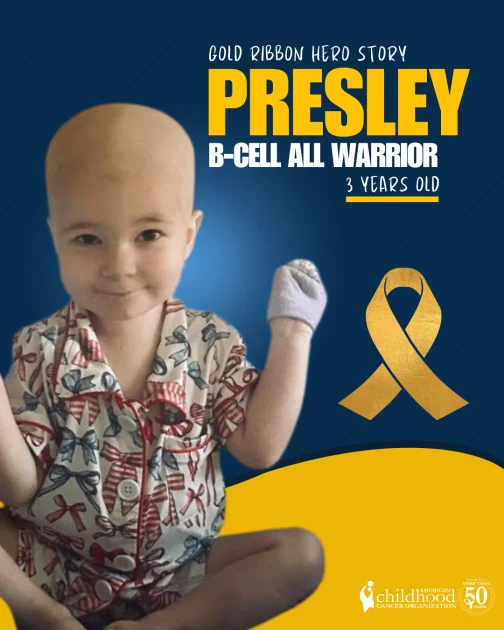
The diagnosis of a life-threatening illness in a child represents one of the most profound challenges a family can encounter, fundamentally altering the trajectory of their lives in an instant. For Presley, a three-year-old girl whose journey began with a seemingly routine childhood accident, the transition from playground play to a pediatric oncology ward occurred with startling speed. In March 2025, Presley was involved in a minor incident where the family dog accidentally knocked her over, resulting in what appeared to be a standard leg injury. However, the subsequent weeks revealed a much more complex and harrowing medical reality. When the expected healing did not occur, and persistent pain began to overshadow her daily activities, the vigilance of her parents led to a medical intervention that would ultimately identify B-Cell Acute Lymphoblastic Leukemia (ALL) as the underlying cause of her distress.
The Path to Diagnosis and the Role of Parental Intuition
The clinical path to a leukemia diagnosis often begins with non-specific symptoms that can easily be attributed to common childhood ailments or injuries. In Presley’s case, the initial trauma of being knocked over provided a plausible explanation for her leg pain. However, as the weeks progressed into April 2025, the pain remained localized and intense, failing to respond to standard palliative care for a soft-tissue injury. This persistence is a hallmark of pediatric leukemia, where the overproduction of malignant cells in the bone marrow can cause significant bone pain and sensitivity.
Trusting her instincts, Presley’s mother advocated for more comprehensive testing when initial observations did not align with the child’s lack of recovery. This advocacy is a critical component in the early detection of pediatric cancers. Upon returning to the clinical setting, healthcare providers identified what was initially suspected to be a mass in her leg. The urgency of the situation escalated quickly, leading to an immediate hospital admission. Within twenty-four hours of her arrival at the hospital, diagnostic tests—likely including blood work and bone marrow aspiration—confirmed that Presley was not suffering from a localized orthopedic issue, but rather a systemic hematologic malignancy: B-Cell Acute Lymphoblastic Leukemia.
Understanding B-Cell Acute Lymphoblastic Leukemia (ALL)
Acute Lymphoblastic Leukemia is the most common form of cancer diagnosed in children, representing approximately 25% of all pediatric cancer cases. Among these, B-Cell ALL is the most frequent subtype. It is characterized by the uncontrolled proliferation of immature white blood cells, known as lymphoblasts, which originate in the bone marrow. These malignant cells crowd out healthy blood cells, including red blood cells (leading to anemia), platelets (leading to bruising and bleeding), and functional white blood cells (leading to increased infection risk).
The presentation of leg pain, as seen in Presley’s case, is a well-documented symptom of ALL. As the bone marrow becomes packed with leukemic blasts, the internal pressure within the bones increases, often manifesting as deep, aching pain in the long bones of the legs. In many instances, this pain is mistaken for "growing pains" or minor sports injuries, highlighting the importance of clinical persistence when symptoms do not resolve within an expected timeframe.
The Rigors of Modern Pediatric Oncology Treatment
Following her diagnosis, Presley was immediately enrolled in an intensive treatment protocol. The standard of care for B-Cell ALL is a multi-phased approach that typically spans two to three years. For a three-year-old, this regimen is exceptionally demanding. Presley’s treatment began with the Induction phase, designed to achieve complete remission by rapidly eliminating the bulk of the leukemia cells.
This process involves a combination of systemic chemotherapy and intrathecal therapy. The "spinal taps" mentioned in Presley’s medical history refer to lumbar punctures, where chemotherapy drugs are injected directly into the cerebrospinal fluid to prevent or treat the spread of leukemia to the central nervous system. For a young child, these procedures require frequent sedation and carry a significant emotional and physical burden.
Weekly chemotherapy sessions became the new normal for Presley. The side effects of these potent medications are extensive, ranging from nausea and immunosuppression to more severe complications like peripheral neuropathy. For Presley, the physical toll was so great that she lost the ability to walk for more than three months. This loss of mobility is often a result of vincristine-induced neuropathy or muscle wasting caused by high-dose corticosteroids, both of which are foundational components of ALL treatment. Relearning to walk became a secondary battle for Presley, requiring intensive physical therapy and a level of determination rarely expected of a toddler.
Chronology of Recovery and the Maintenance Phase
The timeline of Presley’s journey reflects the typical, albeit grueling, trajectory of a pediatric "warrior."
- March 2025: The initial leg injury occurs; persistent pain begins.
- April 2025: Diagnosis of B-Cell ALL is confirmed; treatment begins immediately.
- May – July 2025: Intensive induction and consolidation phases; Presley loses the ability to walk and undergoes weekly chemotherapy and spinal taps.
- Late 2025 – Present: Presley enters the maintenance phase of treatment. She successfully relearns to walk and begins to regain aspects of a normal childhood.
Currently, Presley remains in the maintenance phase. While this stage is less intensive than the initial induction, it still requires daily oral chemotherapy and periodic intravenous treatments to ensure the cancer does not return. The goal of this phase is to eliminate any residual "microscopic" leukemia cells that might remain in the body. Despite the ongoing medical requirements, Presley has shown remarkable resilience, recently returning to outdoor activities such as riding her tricycle—a milestone that symbolizes her hard-won victory over the physical limitations imposed by her illness.
Supporting Data and the Broader Impact of Pediatric Cancer
The statistics surrounding pediatric leukemia offer both hope and a call to action. In the 1960s, the five-year survival rate for children with ALL was less than 10%. Today, thanks to advancements in clinical trials and multi-agent chemotherapy, the survival rate has climbed to approximately 90%. However, these high success rates come at a cost. Many survivors face long-term health complications, known as "late effects," which can include heart disease, secondary cancers, and cognitive impairments resulting from the toxicity of the treatments.
Furthermore, pediatric cancer research remains significantly underfunded compared to adult oncology. In the United States, only about 4% of federal funding for cancer research is specifically allocated to childhood cancers. This disparity underscores the importance of private donations and advocacy organizations like the American Childhood Cancer Organization (ACCO). These organizations provide essential resources for families, ranging from educational materials to emotional support programs, and they play a pivotal role in lobbying for increased research funding.
Official Responses and the Importance of Advocacy
While specific statements from Presley’s medical team are confidential, the general consensus among pediatric oncologists emphasizes the critical nature of early intervention and the "whole-family" approach to care. Organizations like the ACCO highlight stories like Presley’s to humanize the statistics and drive public engagement. Their "Gold Ribbon Hero" program serves to honor the bravery of young patients while raising awareness of the need for specialized pediatric treatments that are less toxic and more effective.
Advocates argue that children like Presley should not have to "fight cancer alone." The psychosocial impact on the family unit—including the financial strain of treatment, the emotional toll on siblings, and the career disruptions for parents—requires a robust support system. The ACCO and similar non-profits fill these gaps, ensuring that the focus can remain on the child’s recovery and the restoration of their childhood.
Analysis of Implications and Future Outlook
Presley’s story is a testament to the advancements in modern medicine, but it also serves as a reminder of the fragility of health. The fact that a three-year-old had to relearn a basic motor skill like walking due to the severity of her life-saving treatment highlights the urgent need for "targeted therapies." These newer treatments aim to attack cancer cells specifically, sparing healthy tissue and reducing the debilitating side effects associated with traditional chemotherapy.
The implications of Presley’s journey extend beyond her individual recovery. Her case reinforces the necessity of parental vigilance and the importance of clinicians taking persistent symptoms seriously, even when a "logical" explanation like a minor injury is present. As Presley continues her maintenance treatment, her progress will be monitored closely. Her ability to return to the simple joy of riding a tricycle is not just a personal achievement; it is a victory for the pediatric oncology community and a beacon of hope for families currently facing a new diagnosis.
In conclusion, the journey of a pediatric cancer patient is one defined by unexpected hurdles and incredible displays of strength. Presley’s transition from a "leg injury" patient to a B-Cell ALL warrior illustrates the complexities of childhood leukemia. Through the combination of maternal intuition, aggressive medical intervention, and the support of the broader community, children like Presley are given a chance to reclaim their futures. However, the fight continues on a global scale to ensure that every child has access to the best possible care and that one day, the treatments themselves will not be as taxing as the disease they are meant to cure. Together, through awareness and continued support for research, the goal of a world where no child is lost to cancer remains the ultimate objective for researchers, clinicians, and families alike.
