
 By Gabriel Paijo
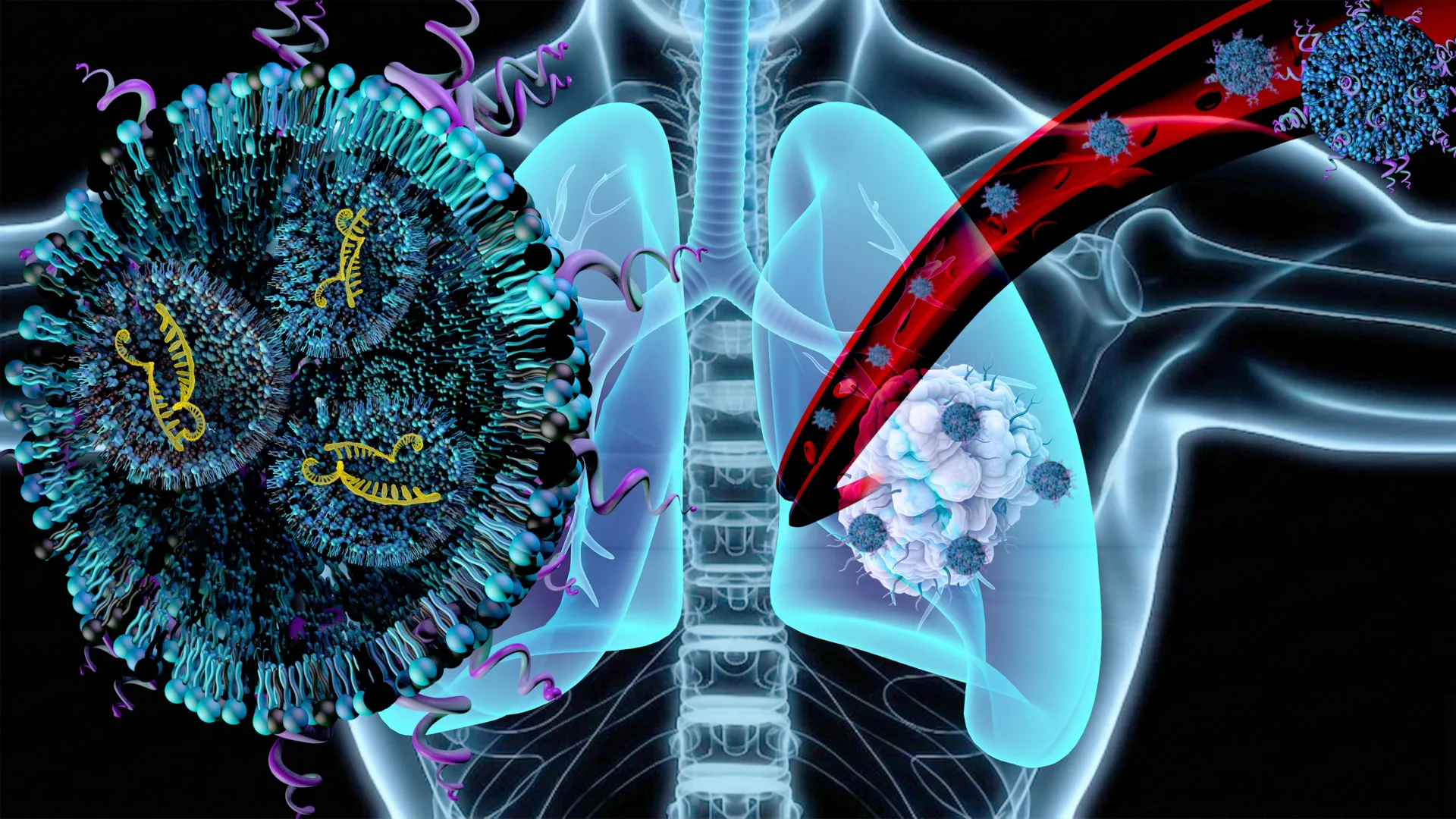
In a significant advancement for oncology and molecular medicine, a multidisciplinary team of researchers at Oregon State University (OSU) has engineered a sophisticated experimental treatment aimed at addressing two of the most devastating aspects of thoracic oncology: lung cancer progression and the debilitating muscle-wasting syndrome known as cachexia. By utilizing specialized lipid nanoparticles to deliver therapeutic messenger RNA (mRNA) directly to the site of malignancy, the researchers have demonstrated a potential "one-two punch" that could revolutionize the standard of care for patients suffering from advanced respiratory cancers.
The research, recently detailed in the Journal of Controlled Release, highlights a breakthrough in the delivery of genetic material through the bloodstream. Led by Oleh Taratula and Yoon Tae Goo of the OSU College of Pharmacy, the study provides a blueprint for bypassing the traditional physiological barriers that have long hindered the effectiveness of systemic mRNA therapies. By focusing on the biological interplay between synthetic nanoparticles and naturally occurring blood proteins, the team has successfully directed therapeutic payloads to lung tumors with unprecedented precision in preclinical models.
The Challenge of Systemic mRNA Delivery
To understand the magnitude of the OSU breakthrough, one must first consider the inherent difficulties in delivering genetic medicine. Since the global rollout of mRNA-based COVID-19 vaccines, the potential for using messenger RNA to instruct the body’s own cells to produce therapeutic proteins has become a cornerstone of modern biotechnology. However, while vaccines work effectively when injected into muscle tissue, treating internal cancers requires systemic delivery—injecting the treatment into the bloodstream so it can find and penetrate tumors throughout the body.
The primary obstacle in this process has been the "liver trap." Conventional lipid nanoparticles (LNPs)—the fatty envelopes used to protect mRNA from degradation—are typically filtered out by the liver almost immediately after entering the circulatory system. This natural detoxification process prevents a sufficient concentration of the medicine from reaching the lungs or other peripheral organs. Consequently, many promising mRNA therapies have failed in the past because they could not reach their intended targets in high enough doses to be effective.
Professor Oleh Taratula noted that systemic delivery has remained a "significant challenge" in the field. The OSU team sought to overcome this by re-engineering the surface characteristics of their LNPs to exploit the body’s own transport mechanisms, effectively giving the nanoparticles a "GPS" directed at cancerous lung tissue.
Leveraging Vitronectin: A Biological Trojan Horse
The success of the OSU experimental treatment hinges on a specific protein found in human blood serum called vitronectin. The researchers discovered that by fine-tuning the composition of their lipid nanoparticles, they could encourage these carriers to bind with vitronectin once they entered the bloodstream.
This binding is the key to the treatment’s localized effectiveness. Lung cancer cells often overexpress integrin receptors—proteins on the cell surface that facilitate communication and adhesion. These receptors have a high affinity for vitronectin. By "cloaking" the nanoparticles in vitronectin, the treatment essentially tricks the tumor into pulling the nanoparticles inside.
"We found that these LNPs bind vitronectin in the bloodstream, which then directs them to lung cancer tumors by interacting with integrin receptors that are overexpressed on the tumor surface," Taratula explained. This targeted approach resulted in a 2.5-fold greater reduction in tumor burden compared to conventional, non-targeted lipid nanoparticles. This efficiency not only increases the treatment’s potency but also reduces the risk of off-target side effects in the liver and other healthy organs.
Addressing the Dual Threat: Cancer and Cachexia
While shrinking tumors is the primary goal of any cancer therapy, the OSU team took their research a step further by addressing cancer cachexia. Cachexia is a complex metabolic syndrome characterized by the progressive loss of skeletal muscle mass and, often, body fat. Unlike standard malnutrition, cachexia cannot be reversed by simply increasing caloric intake. It is driven by systemic inflammation and metabolic changes triggered by the tumor itself.
Statistics indicate that cachexia affects up to 80% of patients with advanced cancer and is directly responsible for approximately 30% of all cancer-related deaths. It weakens the diaphragm and heart muscles, leading to respiratory or heart failure, and often makes patients too frail to continue intensive chemotherapy or radiation treatments.
To combat this, the researchers loaded their nanoparticles with mRNA that encodes for follistatin. Follistatin is a naturally occurring protein that acts as an antagonist to myostatin, a growth factor that limits muscle tissue development. By instructing the lung tumor cells to produce and secrete follistatin, the treatment creates a localized "factory" for a protein that performs two critical roles:
- Tumor Suppression: Follistatin has been shown to interfere with certain signaling pathways that promote the proliferation of cancer cells.
- Muscle Preservation: Once secreted into the systemic circulation, the follistatin travels to muscle tissues, where it blocks the muscle-wasting signals sent by the tumor, thereby promoting the maintenance and growth of muscle mass.
This dual-action strategy represents a paradigm shift in oncology, treating the cancer not just as a localized growth, but as a systemic disease that affects the entire body’s physiology.
Supporting Data and Preclinical Findings
The study’s findings are rooted in rigorous testing using murine (mouse) models designed to replicate the progression of human lung cancer. The researchers monitored the distribution of the LNPs and the subsequent production of follistatin over a set period.
The data revealed several critical outcomes:
- Enhanced Accumulation: The vitronectin-binding LNPs showed a significantly higher concentration within lung tumors compared to control groups.
- Tumor Regression: The mice treated with the follistatin-loaded LNPs exhibited a marked decrease in tumor size and weight.
- Muscle Integrity: Perhaps most importantly, the mice in the experimental group maintained significantly higher muscle mass and physical strength compared to the control group, which suffered from rapid muscle degradation.
- Safety Profile: The treatment was well-tolerated, with no significant signs of toxicity in the liver, kidneys, or other major organs, suggesting that the targeted delivery mechanism successfully minimized collateral damage.
The American Cancer Society estimates that in 2024, approximately 234,580 new cases of lung cancer will be diagnosed in the United States, with an estimated 125,070 deaths. Lung cancer remains the leading cause of cancer death, largely because it is often diagnosed at an advanced stage where cachexia has already begun to take hold. The OSU data suggests that a therapy capable of simultaneously halting tumor growth and preventing muscle wasting could significantly extend life expectancy and improve the quality of life for these patients.
Chronology of Research and Development
The development of this treatment follows a decade of rapid advancement in nanoparticle technology. Following the 2020-2021 success of mRNA vaccines, the scientific community pivoted toward applying these delivery systems to chronic diseases.
- 2021-2022: The OSU team began identifying the specific lipid formulations that would interact most favorably with serum proteins.
- 2023: Preclinical trials in mice were conducted to test the "liver bypass" hypothesis and the efficacy of follistatin mRNA.
- Early 2024: Data analysis confirmed the 2.5-fold improvement in tumor reduction, leading to the preparation of the manuscript for the Journal of Controlled Release.
- Present: The team is now looking toward the next phase of development, which involves optimizing the formulation for potential human use and seeking further regulatory guidance.
Broader Implications for the Oncology Field
The implications of this research extend far beyond lung cancer. The ability to target specific organs by exploiting protein-receptor interactions in the blood could theoretically be applied to other forms of cancer, such as metastatic breast cancer or pancreatic cancer, both of which are also associated with high rates of cachexia.
Furthermore, the study highlights the importance of "theranostics" and multifunctional medicines. In the modern era of precision medicine, clinicians are increasingly looking for therapies that do more than just kill cells; they are looking for treatments that support the patient’s overall biological resilience. By preserving muscle mass, the OSU treatment could allow patients to remain strong enough to complete other necessary treatments, such as surgery or high-dose radiation, which are currently limited by patient frailty.
Expert Reactions and Future Outlook
While the scientific community has reacted with optimism, experts emphasize that the treatment is still in the preclinical stage. Moving from mouse models to human clinical trials is a rigorous process that involves ensuring the same vitronectin-integrin interaction occurs predictably in the complex environment of the human circulatory system.
"More preclinical work is necessary, but we’re very encouraged by what we’ve seen so far and hope that testing in humans is down the road," said Taratula. The next steps will likely involve "dose-escalation" studies and long-term toxicity monitoring in larger animal models to satisfy FDA requirements for Investigational New Drug (IND) applications.
The study was a collaborative effort involving a wide array of researchers, including Vladislav Grigoriev, Tetiana Korzun, Ammar Salem, and others from the OSU College of Pharmacy, alongside Daniel Marks of Endevica Bio. The research received significant financial backing from the National Cancer Institute, the Eunice Kennedy Shriver National Institute of Child Health and Human Development, and the National Research Foundation of Korea, signaling a high level of institutional confidence in the project’s potential.
As the medical community continues to battle the "silent killer" of cachexia and the resilience of lung cancer, the work being done in the laboratories of Oregon State University offers a promising new horizon. If the success in mice can be replicated in humans, the future of cancer treatment may lie not just in destroying the disease, but in actively protecting the body’s strength and vitality during the fight.
