
 By Lina carolina
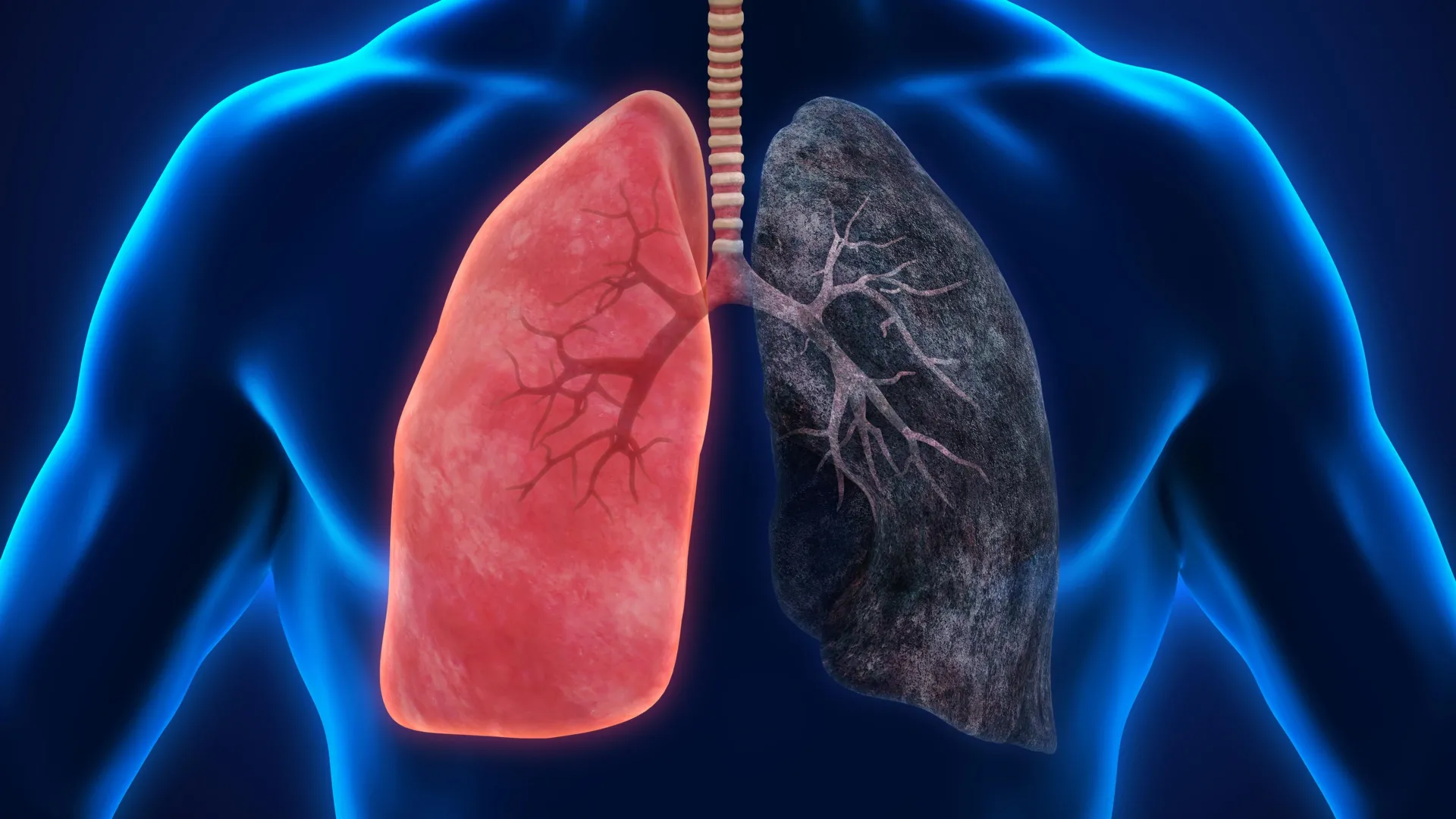
As the landscape of cannabis legalization continues to expand across the United States, a common public perception is emerging: marijuana is relatively benign. However, when the conversation shifts to its potential impact on cancer, the scientific picture becomes considerably more complex and less clear-cut. While the devastating link between tobacco smoking and lung cancer has been unequivocally established over decades, researchers are still actively engaged in deciphering the intricate ways marijuana may influence cancer risk, according to insights from Brooks Udelsman, MD, a thoracic surgeon affiliated with USC Surgery at Keck Medicine of USC. This ongoing scientific inquiry is crucial for informing public health guidance and individual decision-making in an era of increasing cannabis accessibility.
Emerging Evidence on Marijuana and Cancer
The scientific community is diligently investigating whether the act of smoking marijuana elevates the likelihood of developing various forms of cancer. A significant contribution to this understanding comes from a recent study conducted at Keck Medicine. This research, spearheaded by Niels Kokot, MD, an otolaryngologist at the USC Caruso Department of Otolaryngology — Head and Neck Surgery, indicated a heightened risk of both small cell lung cancer and non-small cell lung cancer among individuals who reported consuming substantial quantities of marijuana.
Further reinforcing these findings, Dr. Kokot and his team published another study detailing a compelling association between daily marijuana use and an increased incidence of head and neck cancers. Their report revealed that individuals who used marijuana on a daily basis were between 3.5 and 5 times more prone to developing these cancers compared to their non-using counterparts. This category of head and neck cancers encompasses malignancies affecting critical anatomical regions, including the oral cavity, pharynx, larynx, oropharynx (which involves the tongue, tonsils, and the posterior wall of the throat), and adjacent salivary glands.
Quantifying the Risk: How Much Marijuana is "Too Much"?
Despite the growing body of evidence linking heavy marijuana smoking to an elevated cancer risk, a precise threshold for when this risk begins to escalate remains elusive. Researchers are still working to establish a clear dose-response relationship.
"What we don’t know right now is the dose relationship," Dr. Udelsman stated. "So, if someone smokes marijuana occasionally once a week, once a month or a few times a year, do they still have that same risk? My suspicion is that there is probably minimal risk. All we know right now is that people who smoke a lot of marijuana — to the point that they develop a dependency on it or require hospital care or evaluation for it — do appear to have a higher cancer risk."
Beyond lung and head and neck cancers, scientists are also exploring potential links between heavy marijuana use and other oncological concerns, including bladder cancer and various gastrointestinal cancers. The parallels drawn with tobacco, which is known to increase the prevalence of bladder cancer, highlight the importance of these investigations. "With tobacco, we do see an increased prevalence of bladder cancer. Whether that relationship is also the same for heavy marijuana smoking, we don’t know," Dr. Udelsman commented. "That’s why we’re trying to determine what the risks are so that people can know what risks they’re taking."
The Role of Consumption Method: Edibles and Lung Cancer
The diversity of marijuana consumption methods, particularly the increasing popularity of edibles, raises questions about their distinct cancer risks. Current scientific evidence suggests that non-smoking methods, such as consuming marijuana in edible form, are unlikely to contribute to lung cancer.
"Probably not," Dr. Udelsman responded when asked about the link between edibles and lung cancer. "The risk is harder to track because there isn’t a lot of data on it yet, but as of now there does not seem to be a relationship between edibles and lung cancer. We don’t yet know if there is a link to other types of cancers, however." This distinction is significant, as it suggests that the carcinogenic potential might be primarily associated with the act of inhaling smoke rather than the presence of cannabinoids themselves.
Understanding the Biological Mechanisms: Why Marijuana Smoke May Pose a Risk
The potential for marijuana smoke to increase cancer risk can be understood by examining its chemical composition and its interaction with the body. Dr. Udelsman explains that any substance that induces prolonged inflammation within the body can, over time, elevate cancer risk. Tobacco smoke is notoriously complex, containing over 7,000 chemicals, with approximately 70 identified as carcinogens. Crucially, some of these same carcinogenic chemicals are also present in marijuana smoke.
Furthermore, Dr. Udelsman points to the role of THC (tetrahydrocannabinol), the primary psychoactive compound in marijuana. THC has been associated with the conversion of polycyclic aromatic hydrocarbons (PAHs) into more potent forms. PAHs are well-established environmental pollutants known to trigger inflammation and inflict damage on DNA. "Anytime inflammation and changes to DNA occur, you’re at risk for developing cancer," he emphasized, underscoring the biological plausibility of a link between marijuana smoke and cancer development.
Secondhand Smoke: An Emerging Concern?
The impact of secondhand marijuana smoke on cancer risk remains an area requiring further investigation. While definitive evidence linking passive exposure to increased lung cancer rates is currently insufficient, Dr. Udelsman suggests that a potential risk cannot be entirely dismissed. He posits that individuals in proximity to marijuana smoke may inhale inflammatory particles that are believed to contribute to the carcinogenic process. This echoes concerns surrounding secondhand tobacco smoke, which is a recognized public health hazard.
Specific Lung Cancers Associated with Marijuana Use
Lung cancer is broadly categorized into two primary types: small cell lung cancer and non-small cell lung cancer. Small cell lung cancer is historically strongly associated with tobacco smoking. However, Dr. Udelsman indicates that it may also be linked to marijuana smoking. "It’s almost unheard of to get small cell lung cancer without some type of inhalational injury," he noted, suggesting that the irritant effects of inhaled smoke, regardless of source, could play a role.
Non-small cell lung cancer also appears with greater frequency among individuals who smoke marijuana. "We also see an increase in non-small cell lung cancer in smokers of both tobacco and marijuana, so both types are increased when compared to nonsmokers," he added. This observation further strengthens the argument that the act of smoking, with its attendant combustion products, is a key factor in the increased risk.
The Unknowns of Vaping Marijuana
The advent of electronic cigarettes introduced a perceived safer alternative to smoking tobacco. However, medical professionals are now observing severe inflammatory lung diseases linked to vaping, although not directly to cancer itself. This has led to a more cautious approach regarding inhaled substances.
"But we are starting to see some very severe inflammatory diseases — not cancers, but benign diseases — from vaping," Dr. Udelsman observed. Given that vaping has only become widespread for approximately 15 years, the long-term effects, including potential cancer risks, are not yet fully understood. This uncertainty extends to vaping marijuana.
"The data on vaping is very new, so we don’t know yet, but I’d worry about anything you’re breathing into your lungs because it infiltrates the cells and air sacs in your lungs, which can cause damage and put you at a higher risk for cancer," Dr. Udelsman cautioned. The porous nature of lung tissue makes it particularly vulnerable to damage from inhaled substances, and the long-term consequences of chronic vaping, even of cannabis, remain a significant area of research.
Differentiating Occasional Use from Heavy, Chronic Exposure
Despite the emerging data linking heavy marijuana use to increased cancer risk, Dr. Udelsman does not anticipate recreational marijuana use to precipitate a widespread lung cancer epidemic. He draws a clear distinction between occasional and chronic, heavy consumption.
"I worry less about occasional use and the slight inflammation that it might cause for a temporary period. Your body probably recovers from that very quickly, with very little damage," he explained. "I’m more worried about chronic, heavy exposure: people who are using marijuana every day, multiple times a day. That’s where I think you can start to build up injury. Those are the people data today shows are at risk for developing cancer, similar to tobacco."
This nuanced perspective is crucial for public health messaging. It suggests that moderate, infrequent use may carry a significantly lower risk than the patterns observed in individuals who exhibit dependence or require medical intervention for their cannabis use.
Public Health Implications and Future Directions
The evolving understanding of marijuana’s relationship with cancer carries significant public health implications. As more states legalize cannabis for medicinal and recreational purposes, it is imperative that consumers are equipped with accurate, science-based information to make informed decisions about their health. The ongoing research from institutions like Keck Medicine is vital in filling the knowledge gaps that currently exist.
The findings underscore the importance of continued research into the long-term health effects of marijuana, particularly concerning its various consumption methods and the varying patterns of use. Public health campaigns should emphasize the distinction between occasional and heavy use, while also acknowledging the potential risks associated with inhaling combusted plant matter.
For individuals who identify as heavy marijuana users, the recommendation is clear: engage in open and honest conversations with healthcare providers. A physician can offer personalized risk assessments, discuss potential screening options, and provide guidance on strategies to mitigate health risks. As the scientific community continues to unravel the complexities of cannabis and cancer, a proactive and informed approach by both researchers and the public will be essential in navigating this evolving health frontier. The parallels drawn with tobacco, a substance with a well-documented history of devastating health consequences, serve as a potent reminder of the need for vigilance and continued scientific exploration.
