
 By Suherman Candra Maholtra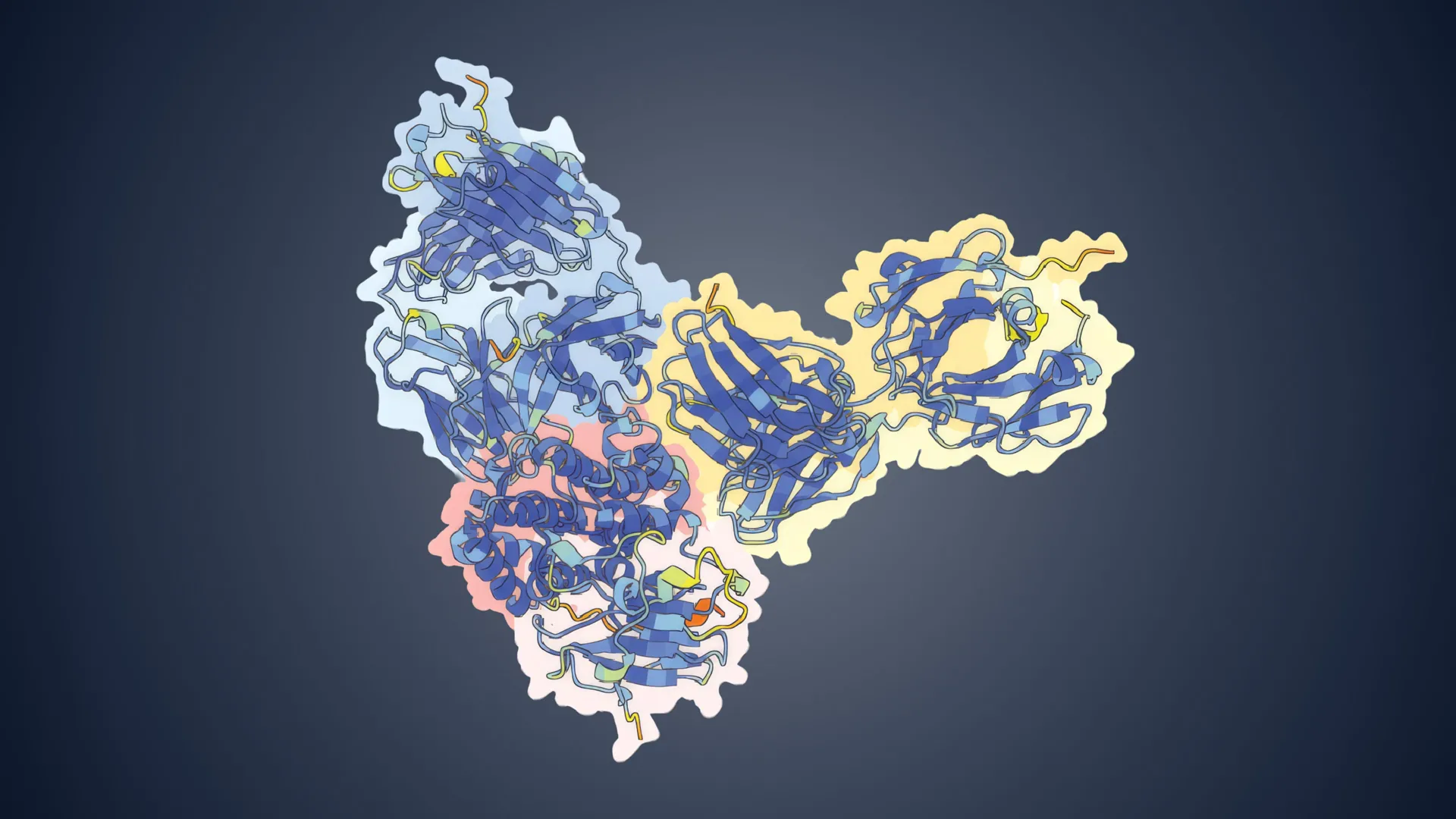
In a landmark development for global infectious disease management, an international consortium of scientists has leveraged advanced artificial intelligence to identify a critical viral protein that could revolutionize the prevention and treatment of the monkeypox virus (MPXV). The research, published in the prestigious journal Science Translational Medicine, highlights a significant leap forward in "reverse vaccinology," providing a roadmap for developing more effective, safer, and more easily manufactured defenses against a pathogen that has recently emerged as a global health security concern. By utilizing the AlphaFold 3 AI model, the research team—comprising experts from The University of Texas at Austin and the Fondazione Biotecnopolo di Siena in Italy—has identified a previously overlooked surface protein, OPG153, as a primary target for neutralizing antibodies.
The discovery comes at a pivotal moment. While the 2022 global mpox outbreak has subsided from its peak, the virus remains endemic in parts of Central and West Africa, and sporadic clusters continue to appear globally. Current vaccine strategies rely heavily on modified vaccinia Ankara (MVA) vaccines, which, while effective, present significant logistical and manufacturing hurdles. The identification of OPG153 offers a pathway toward a recombinant protein vaccine—a platform that is generally more stable, cheaper to produce, and easier to distribute in resource-limited settings.
The 2022 Mpox Outbreak: A Catalyst for Innovation
To understand the significance of this breakthrough, one must look at the trajectory of the mpox virus over the last several years. Historically considered a zoonotic disease with limited human-to-human transmission, MPXV underwent a dramatic shift in 2022. The ensuing global outbreak saw the virus spread across more than 110 countries, infecting over 150,000 individuals and resulting in approximately 500 deaths. The clinical presentation of the disease—characterized by painful rashes, respiratory distress, and lesions—placed an immense burden on healthcare systems.
During the height of the crisis, public health officials were forced to rely on the JYNNEOS vaccine, originally developed for smallpox. While the cross-protection offered by smallpox vaccines is substantial due to the close genetic relationship between orthopoxviruses, these vaccines are "whole-virus" products. Producing live-attenuated or weakened viruses requires specialized high-containment facilities and complex biological processes, leading to supply shortages and high costs. Furthermore, these vaccines can sometimes be contraindicated for individuals with severe immunodeficiencies, a population already at high risk for severe mpox complications.
Jason McLellan, a professor of molecular biosciences at UT Austin and a co-lead author of the study, emphasized the need for a simplified approach. "Unlike a whole-virus vaccine that’s big and complicated to produce, our innovation is just a single protein that’s easy to make," McLellan stated. This shift from the "whole-virus" model to a "subunit" model (using only a piece of the virus) represents a fundamental change in how the scientific community approaches poxvirus immunization.
Reverse Vaccinology and the Search for the Right Antigen
The research methodology employed by the international team followed the principles of reverse vaccinology. Traditionally, vaccines are developed by isolating a pathogen and then weakening or killing it. Reverse vaccinology flips this script: scientists start by studying the immune responses of individuals who have successfully fought off the infection.
The study’s Italian leads, Rino Rappuoli and Emanuele Andreano, began by analyzing blood samples from two distinct groups: patients who had recovered from a natural MPXV infection and individuals who had received traditional smallpox vaccinations. From these samples, they isolated 12 specific antibodies that demonstrated a powerful ability to "neutralize" the virus, effectively blocking it from entering and infecting human cells.
However, a significant mystery remained. While the antibodies were highly effective, the researchers did not know exactly which part of the virus the antibodies were sticking to. MPXV is a complex virus, displaying roughly 35 different proteins on its surface. Identifying the specific "antigen"—the viral lock that the antibody key fits into—is essential for creating a targeted vaccine. Without knowing the antigen, it is impossible to manufacture a protein-only vaccine that mimics the virus’s vulnerabilities.
The Role of AlphaFold 3: Saving Years of Research
This is where artificial intelligence transformed the research timeline. Identifying the correct pairing between 12 antibodies and 35 candidate proteins through traditional laboratory "trial and error" would have been an exhaustive process. McLellan’s team turned to AlphaFold 3, a state-of-the-art AI model developed by Google DeepMind and Isomorphic Labs, which can predict the 3D structures and interactions of biological molecules with unprecedented accuracy.
The AI model was tasked with simulating how the patient-derived antibodies would bind to the various surface proteins of the monkeypox virus. The results were definitive: the model identified the protein OPG153 with high confidence as the primary target for the most potent neutralizing antibodies.
"It would have taken years to find this target without AI," noted McLellan, who holds the Robert A. Welch Chair in Chemistry. "It was really exciting because no one had ever considered it before for vaccine or antibody development. It had never been shown to be a target of neutralizing antibodies."
Following the AI’s prediction, the team moved back into the laboratory to validate the findings. The experiments confirmed that OPG153 was indeed the site of attack for the protective antibodies. When the researchers administered the OPG153 protein to mice, the animals’ immune systems responded by producing a surge of neutralizing antibodies, mirroring the natural defense observed in recovered human patients.
Comparative Advantages of Protein-Based Vaccines
The transition to a protein-based vaccine (like the one proposed using OPG153) offers several advantages over current whole-virus platforms:
- Scalability: Recombinant proteins can be produced in large quantities using standard bioreactors, similar to the technology used for the hepatitis B vaccine or the newer Novavax COVID-19 vaccine.
- Safety Profile: Because the vaccine contains only a single protein and not a live or weakened virus, the risk of accidental replication or adverse reactions in immunocompromised individuals is significantly reduced.
- Stability: Protein subunits are often more thermally stable than live-virus vaccines, simplifying the "cold chain" requirements for transport to remote or tropical regions where mpox is endemic.
- Targeted Precision: By focusing the immune system on a single, highly vulnerable part of the virus (the OPG153 protein), the vaccine can potentially elicit a more potent and specific response than a whole-virus vaccine, which presents many "distraction" proteins to the immune system.
Broader Implications for Smallpox and Biosecurity
The discovery of OPG153 has implications that extend far beyond the current mpox threat. MPXV belongs to the Orthopoxvirus genus, which also includes the Variola virus—the causative agent of smallpox. Although smallpox was declared eradicated in 1980, it remains a high-priority concern for global biosecurity due to its high mortality rate and potential for aerosol transmission.
Because OPG153 is highly conserved across different orthopoxviruses, a vaccine targeting this protein could potentially serve as a universal defense against multiple poxvirus threats. This dual-purpose utility makes the research a critical component of national and international pandemic preparedness strategies.
Timeline and Future Milestones
The research follows a rigorous timeline that began shortly after the 2022 outbreak peaked.
- Late 2022 – Early 2023: Isolation of antibodies from human survivors in Italy.
- Late 2023: AI modeling and structural analysis at UT Austin.
- Early 2024: Laboratory validation and successful mouse trials.
- Present: The team is currently refining the antigen to maximize its stability and immunogenicity.
The next steps involve moving toward human clinical trials. UT Austin and the Fondazione Biotecnopolo di Siena have already filed patent applications for the OPG153 antigen and its corresponding antibodies, respectively. These filings are a necessary precursor to securing the commercial partnerships required for large-scale manufacturing and Phase I clinical testing.
Conclusion: A New Era of Molecular Defense
The identification of OPG153 represents more than just a scientific breakthrough for mpox; it serves as a proof of concept for the future of drug and vaccine discovery. The integration of high-throughput antibody isolation with predictive AI modeling allows scientists to move from "outbreak" to "targeted solution" in a fraction of the time previously required.
As the team continues to optimize these antigens, the goal remains clear: to provide a low-cost, highly effective vaccine that can be stockpiled globally. In a world where zoonotic spillovers are becoming increasingly frequent, the ability to rapidly decode a virus’s vulnerabilities using AI may be our most potent defense.
The study received significant funding from the Welch Foundation and involved contributions from UT Austin researchers Emily Rundlet, Ling Zhou, and Connor Mullins. As these next-generation biologics move toward human trials, the scientific community watches closely, hopeful that the lessons learned from the 2022 mpox crisis have paved the way for a more resilient global health infrastructure.
