
 By admin
Sarcoma, a rare and notably complex group of cancers, presents unique challenges for diagnosis and treatment, but the burgeoning field of immunotherapy is steadily transforming the therapeutic landscape, offering unprecedented possibilities for a growing number of patients and fueling rapidly expanding research endeavors. A diagnosis of sarcoma often ushers in a period of profound uncertainty, fear, and a myriad of pressing questions. Given its rarity, patients and their families frequently find that securing clear, reliable, and comprehensive information can be as formidable a task as navigating the intricate treatment pathways themselves. While established modalities such as surgery, chemotherapy, and radiation therapy continue to form the bedrock of care for many sarcoma subtypes, immunotherapy is increasingly carving out a vital role, creating novel avenues for intervention where traditional approaches may falter. Researchers globally are dedicated to broadening the applicability of these innovative immunotherapies to a wider patient population. As Sarcoma Awareness Month underscores the critical need for understanding and advancements in this field, it is crucial to examine what sarcoma entails, the current and future role of immunotherapy, and the trajectory of ongoing research.
Understanding Sarcoma: A Diverse and Challenging Cancer Group
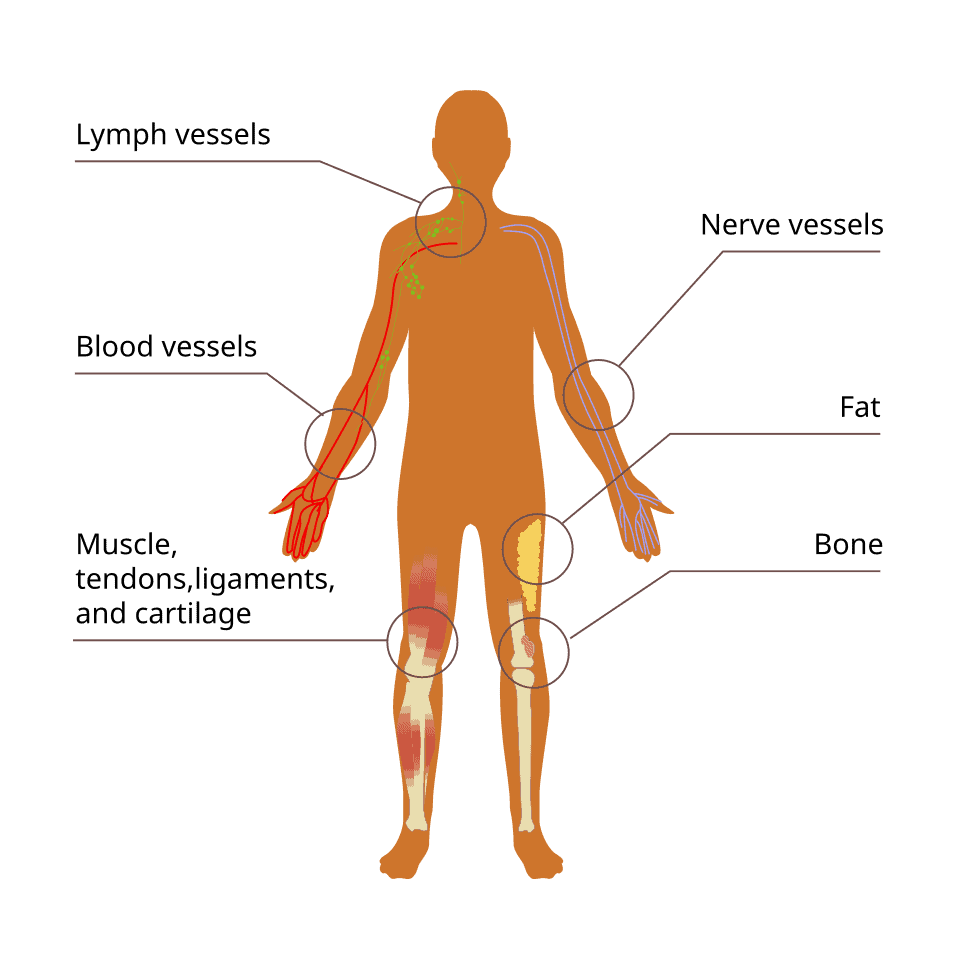
Sarcoma refers to a heterogeneous group of malignant tumors that originate in the body’s connective and supportive tissues. Unlike the more commonly recognized carcinomas that arise from epithelial cells lining organs, sarcomas develop from mesodermal cells, which form structures like bone, muscle, fat, cartilage, blood vessels, nerves, and tendons. This fundamental difference means sarcomas can emerge virtually anywhere in the body, from the extremities to the trunk, head, neck, and internal organs. Their diverse origins contribute to their complexity and rarity. Epidemiological data indicates that sarcomas account for approximately 1% of all adult cancers and a more significant 15% of all childhood cancers, translating to roughly 13,000 new diagnoses in the United States annually.
The sheer diversity of sarcoma is striking; there are over 70 distinct recognized types, broadly categorized into soft-tissue sarcomas and bone sarcomas. Each subtype possesses unique biological characteristics, growth patterns, and varying responses to treatment, underscoring the paramount importance of an accurate and precise pathological diagnosis. Prominent examples of soft-tissue sarcomas include undifferentiated pleomorphic sarcoma (UPS), liposarcoma (which develops from fat cells), leiomyosarcoma (from smooth muscle cells), synovial sarcoma (despite its name, typically arises near joints but not from the synovial lining itself), and rhabdomyosarcoma (a cancer of skeletal muscle cells, primarily affecting children). Common bone sarcomas include osteosarcoma (originating in bone-forming cells, often seen in adolescents and young adults), Ewing sarcoma (a highly aggressive tumor typically affecting children and young adults), and chondrosarcoma (arising from cartilage cells). The specific location, cellular makeup, and genetic profile of these tumors heavily influence treatment strategies and prognosis.
While the precise etiology of most sarcomas remains largely unknown, several factors have been identified that can elevate an individual’s risk. These include inherited genetic syndromes such as Li-Fraumeni syndrome, Neurofibromatosis type 1, Gardner syndrome, and Werner syndrome, which predispose individuals to various cancers, including sarcomas. Prior exposure to radiation therapy for other cancers is another established risk factor, with sarcomas sometimes developing years after radiation treatment in the treated area. Exposure to certain industrial chemicals, such as vinyl chloride and arsenic, has also been linked to an increased risk of specific sarcoma types. Additionally, some viruses, notably the human herpesvirus 8 (HHV-8), are associated with Kaposi sarcoma, a form of soft-tissue sarcoma.
A significant challenge in sarcoma diagnosis stems from its often insidious presentation. Many sarcomas develop deep within muscles or other soft tissues, growing to a considerable size before manifesting noticeable symptoms. Patients might only become aware of a growing, painless lump. Therefore, any new or enlarging lump, especially one that is painful, rapidly growing, or larger than a golf ball (approximately 5 cm), warrants immediate medical evaluation by a healthcare provider. While the vast majority of such lumps are benign, early assessment is critical for prompt diagnosis and intervention if cancer is present.
The cornerstone of sarcoma treatment traditionally hinges on the specific type, location, and stage of the disease. Surgical resection remains the primary curative approach when the tumor can be safely and completely removed with adequate margins. This can involve complex procedures, including limb-sparing surgery or, in some cases, amputation, depending on the tumor’s size and involvement of critical structures. Adjuvant or neoadjuvant chemotherapy and radiation therapy are often employed either before surgery (to shrink the tumor and facilitate removal) or after surgery (to eradicate any remaining microscopic cancer cells and reduce the risk of recurrence). For advanced or metastatic disease, systemic chemotherapy is a common treatment, though its effectiveness can vary widely across different sarcoma subtypes. The inherent resistance of many sarcomas to conventional therapies has historically highlighted a critical unmet need for novel and more effective therapeutic strategies, a gap that immunotherapy is now beginning to address.
Immunotherapy: A Historical Perspective and Modern Revolution
In many respects, the very genesis of modern cancer immunotherapy can be traced back to the field of sarcoma. More than a century ago, in the late 19th century, Dr. William B. Coley, a pioneering surgeon at the New York Cancer Hospital (now Memorial Sloan Kettering Cancer Center), made a remarkable observation. He noted that some of his sarcoma patients experienced dramatic tumor regression following severe bacterial infections. Driven by this insight, Coley embarked on developing "Coley’s toxins," a mixture of heat-killed bacteria (primarily Streptococcus pyogenes and Serratia marcescens) that he intentionally administered to cancer patients to stimulate their immune systems. While highly controversial in its time and lacking the rigorous scientific validation demanded today, Coley’s work is now recognized as one of the earliest, albeit empirical, foundations of cancer immunotherapy. His groundbreaking efforts underscored the potential of harnessing the body’s own defense mechanisms against cancer, a concept that would lay dormant for decades before being revived with a deeper understanding of immunology. In a testament to his enduring legacy, Coley’s daughter, Helen Coley Nauts, dedicated her life to documenting his research and ultimately co-founded the Cancer Research Institute (CRI) in 1953, an organization that has been instrumental in advancing immunotherapy research worldwide.
Modern immunotherapy represents a paradigm shift in cancer treatment, functioning by empowering the patient’s immune system to recognize, target, and destroy cancer cells. Normally, the immune system, equipped with specialized cells like T-cells, has the remarkable ability to detect and eliminate abnormal cells, including those with cancerous mutations. However, cancer cells are adept at developing sophisticated mechanisms to evade immune surveillance. They can express proteins that act as "checkpoints" to switch off immune cells, create an immunosuppressive microenvironment, or simply masquerade as normal cells. Immunotherapy drugs work by disarming these evasion strategies, effectively removing the brakes on the immune system or providing it with the tools to better identify and combat cancer.
Immunotherapy’s Role in Sarcoma: Current Applications and Challenges
While immunotherapy has revolutionized the treatment landscape for numerous cancer types, including melanoma, lung cancer, and kidney cancer, its application in sarcoma presents a unique set of challenges. The profound heterogeneity of sarcoma, encompassing dozens of distinct diseases, means that a "one-size-fits-all" approach is rarely effective. Treatments that demonstrate efficacy in one sarcoma subtype may have little to no impact on another. Consequently, immunotherapy is not yet a universal option for all sarcoma patients and is currently approved only for specific sarcoma subtypes or for tumors exhibiting particular genetic features.
The most widely utilized form of immunotherapy in cancer today involves immune checkpoint inhibitors, particularly those targeting the PD-1/PD-L1 pathway or the CTLA-4 pathway. These drugs, such as pembrolizumab and nivolumab, block proteins that cancer cells use to "switch off" T-cells, thereby unleashing the immune response. In sarcoma, responses to these agents have been observed, particularly in certain aggressive subtypes like undifferentiated pleomorphic sarcoma (UPS) and dedifferentiated liposarcoma. Importantly, pan-cancer approvals for checkpoint inhibitors have extended their use to sarcomas that exhibit high tumor mutational burden (TMB-high) or microsatellite instability (MSI-H/dMMR), regardless of their tissue of origin. These genetic signatures indicate a higher likelihood of the tumor producing neoantigens, which the immune system can recognize. For example, pembrolizumab is approved for adult and pediatric patients with unresectable or metastatic TMB-high solid tumors that have progressed after prior treatment.
However, the overall response rates to checkpoint inhibitors in many sarcoma subtypes remain modest compared to other cancers. This is often attributed to several factors:
- Low Tumor Mutational Burden (TMB): Many sarcomas, unlike melanoma or lung cancer, have a relatively low number of genetic mutations, meaning they present fewer "neoantigens" for the immune system to recognize as foreign.
- Immunosuppressive Tumor Microenvironment: Sarcomas often create a highly immunosuppressive environment around the tumor, recruiting regulatory T-cells and myeloid-derived suppressor cells that actively dampen immune responses.
- Heterogeneity: The vast number of sarcoma subtypes means that each type may require a distinct immunological approach.
Despite these challenges, the progress made in identifying subsets of sarcoma patients who can benefit from immunotherapy is significant. It is imperative for patients and their families to engage in thorough discussions with their healthcare providers to determine if immunotherapy, either as a standard treatment or through participation in a clinical trial, could be a beneficial option for their specific sarcoma diagnosis.
Ongoing Research: Pushing the Boundaries of Immunotherapy for Sarcoma
While today’s immunotherapies do not yet offer a solution for every person diagnosed with sarcoma, the scientific community is making robust and steady progress toward expanding their reach and effectiveness. The Cancer Research Institute (CRI), along with numerous other research institutions and funding bodies worldwide, is actively supporting scientists who are pursuing innovative approaches to enhance immune-based treatments for sarcoma and other difficult-to-treat solid tumors.
Key areas of ongoing research include:
- Combination Therapies: Researchers are exploring the synergistic potential of combining immunotherapy with established treatments like chemotherapy, radiation therapy, and targeted therapies. For instance, radiation can sometimes induce immunogenic cell death, releasing tumor antigens that could prime an immune response, making tumors more susceptible to checkpoint inhibitors. Similarly, certain chemotherapies may reduce immunosuppressive cells or enhance antigen presentation.
- Novel Immunotherapy Targets: Beyond PD-1/PD-L1 and CTLA-4, scientists are investigating new immune checkpoints and pathways that could be targeted to unleash anti-tumor immunity. Examples include LAG-3, TIM-3, and TIGIT.
- Adoptive Cell Therapies (ACT): This category includes highly personalized treatments like CAR T-cell therapy and TCR (T-cell receptor) therapy. While CAR T-cell therapy has seen remarkable success in certain blood cancers, its application in solid tumors like sarcoma is more challenging due to the need to identify suitable sarcoma-specific targets and overcome the immunosuppressive tumor microenvironment. However, research into identifying novel sarcoma antigens and engineering T-cells to target them is ongoing, particularly for specific types like synovial sarcoma and myxoid/round cell liposarcoma which express cancer-testis antigens.
- Oncolytic Viruses: These are genetically modified viruses that selectively infect and replicate within cancer cells, leading to their destruction while sparing healthy cells. As they kill cancer cells, they also release tumor antigens, potentially stimulating an immune response. Clinical trials are exploring oncolytic viruses for various solid tumors, including sarcomas.
- Targeting the Tumor Microenvironment: A significant focus is on understanding and reprogramming the complex tumor microenvironment (TME) that often shields sarcomas from immune attack. Strategies include targeting myeloid-derived suppressor cells, tumor-associated macrophages, and cancer-associated fibroblasts to make "cold" (non-inflamed) tumors "hot" (immune-inflamed), thus enhancing their responsiveness to immunotherapy.
- Biomarker Discovery: A critical area of research is the identification of predictive biomarkers that can accurately pinpoint which sarcoma patients are most likely to benefit from specific immunotherapies. This involves sophisticated genomic, transcriptomic, and proteomic analyses of tumor samples to find signatures correlating with response.
- Personalized Medicine Approaches: Leveraging advanced genomic profiling of individual patient tumors, researchers aim to develop truly personalized immunotherapy strategies. This could involve identifying unique neoantigens for therapeutic vaccine development or selecting targeted immunotherapies based on specific tumor mutations.
Facing a Sarcoma Diagnosis: Navigating Complexity with Support
Receiving a sarcoma diagnosis is an inherently overwhelming experience, often accompanied by feelings of isolation due to the disease’s rarity. However, patients do not have to navigate this challenging journey alone. A crucial first step is to seek care from specialists at high-volume sarcoma centers, where multidisciplinary teams possess extensive experience in treating these complex cancers. Such teams typically comprise surgical oncologists, medical oncologists, radiation oncologists, pathologists, radiologists, genetic counselors, and supportive care specialists, all collaborating to develop a tailored treatment plan.
Empowering oneself with knowledge about the specific sarcoma subtype, asking pertinent questions about all available treatment options, and actively participating in shared decision-making with the medical team are vital. Patients are strongly encouraged to inquire about clinical trials, which represent a critical avenue for accessing promising new therapies that are not yet widely available. Participation in clinical trials not only offers potential direct benefits to the patient but also plays an indispensable role in advancing research for future generations.
Furthermore, building a robust support network is paramount. Leaning on family, friends, healthcare providers, and patient advocacy organizations can provide invaluable emotional, practical, and informational assistance throughout the treatment journey. Organizations like the Sarcoma Foundation of America, the Liddy Shriver Sarcoma Initiative, and various national cancer societies offer comprehensive resources, patient communities, and educational materials specifically tailored to sarcoma patients and their caregivers.
In conclusion, while sarcoma remains a formidable adversary due to its rarity and biological complexity, the emergence of immunotherapy has introduced a new era of hope. Though not yet a universal panacea, immunotherapy has already changed the trajectory for a subset of patients and continues to be a vibrant area of intense research. The ongoing commitment to understanding sarcoma’s intricate biology and harnessing the power of the immune system promises to unlock further breakthroughs, moving closer to a future where more effective and personalized treatments are available for every patient facing this challenging diagnosis. Continued awareness, advocacy, and sustained investment in research are essential to accelerate this progress and transform the lives of those affected by sarcoma.
