
 By admin
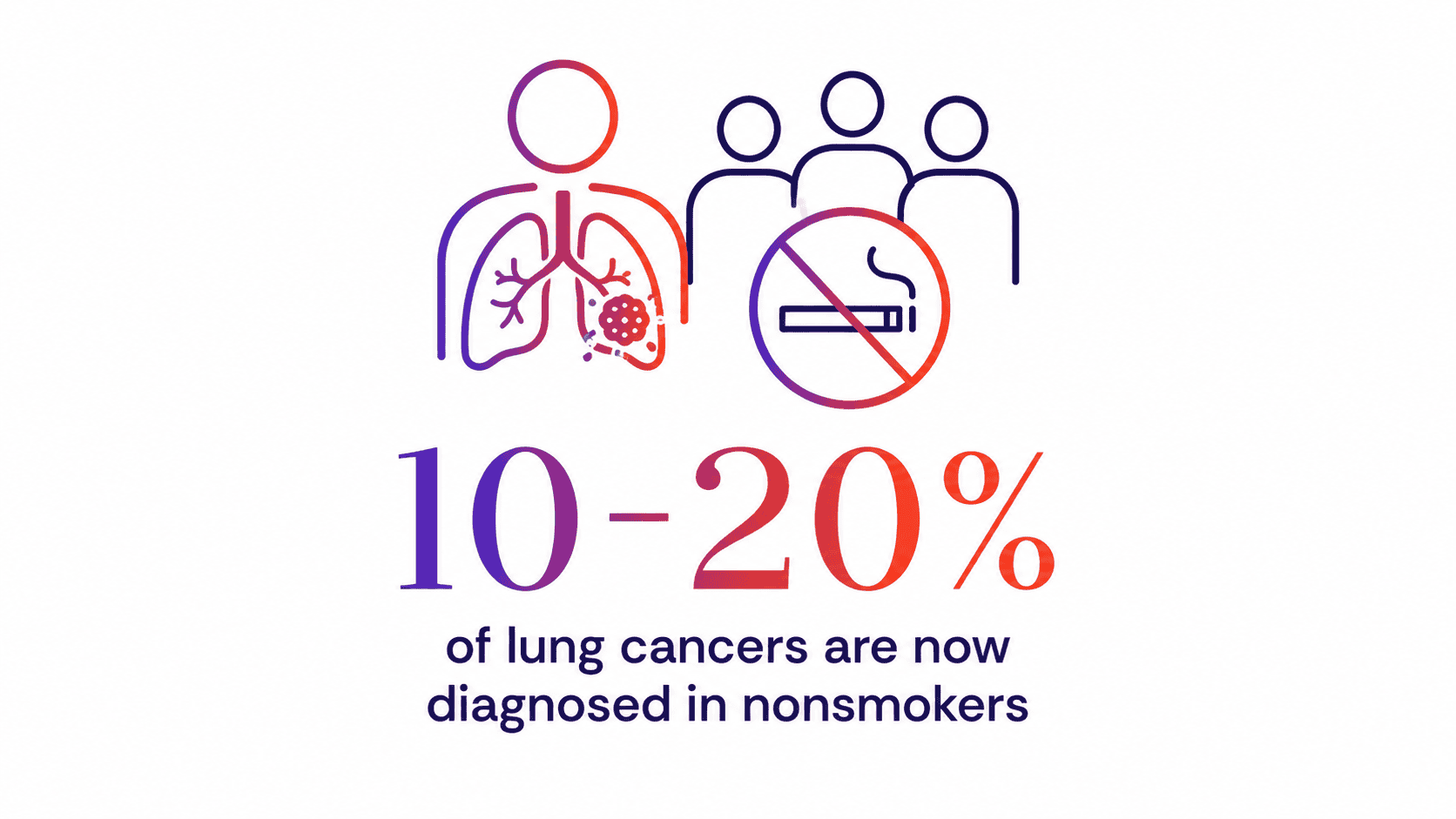
For decades, lung cancer has been inextricably linked to smoking, a perception rooted in overwhelming scientific evidence that identifies tobacco use as the predominant cause of the disease globally. While this association remains critically important, a significant and concerning shift in lung cancer epidemiology is compelling researchers and healthcare professionals to re-evaluate long-held assumptions. An estimated 10% to 20% of all lung cancer diagnoses are now made in individuals who have never smoked, a demographic once considered to be at minimal risk. This evolving landscape underscores a growing public health challenge, highlighting that lung cancer is not solely a smoker’s disease but a complex illness influenced by a multitude of factors, many of which are only now beginning to be fully understood.
A Paradigm Shift in Understanding Lung Cancer
The recognition of lung cancer in never-smokers (LCINS) as a distinct disease entity marks a pivotal moment in oncology. Historically, the absence of a smoking history often led to delayed diagnosis, misattribution of symptoms, and a general lack of awareness among both patients and clinicians. However, accumulating research has revealed that LCINS possesses a unique biological signature, differing significantly from smoking-related lung cancers in its genetic drivers, cellular mechanisms, and even its response to various treatments. This distinction is crucial for developing targeted diagnostic tools and personalized therapeutic strategies that can improve outcomes for this growing patient population. The increasing incidence of LCINS, particularly among younger adults and women, signals an urgent need for broader public awareness, revised screening guidelines, and accelerated research into its underlying causes.
Demographic Insights and Biological Distinctions
The demographic profile of LCINS patients presents a compelling picture. While lung cancer in smokers is often characterized by an accumulation of thousands of DNA mutations resulting from chronic tobacco exposure, LCINS tumors typically exhibit a smaller number of specific, "driver" gene mutations. These mutations, such as alterations in EGFR (Epidermal Growth Factor Receptor), ALK (Anaplastic Lymphoma Kinase), and ROS1, are less common in smoking-related lung cancers but frequently observed in LCINS, fueling uncontrolled cell growth and tumor development. This genetic blueprint makes LCINS amenable to targeted therapies designed to inhibit the activity of these specific mutated proteins, offering a more personalized treatment approach.
Furthermore, statistics reveal a striking gender disparity within the LCINS population: approximately two-thirds of LCINS cases occur in women. This trend is even more pronounced among women of Asian descent, where certain cancer-driving mutations are found with higher frequency. While the precise reasons for these demographic patterns are still under investigation, researchers hypothesize a combination of genetic predispositions, differing environmental exposures, and hormonal factors may play a role. Understanding these nuances is critical for identifying high-risk populations and tailoring preventive and diagnostic strategies effectively.
The Multifaceted Causes of Lung Cancer in Never-Smokers
The rising prevalence of LCINS is not attributable to a single factor but rather a complex interplay of environmental exposures, inherited genetic susceptibilities, and acquired gene mutations. Research continues to unravel the intricate mechanisms by which these factors contribute to cancer development.
-
Secondhand Smoke: Despite widespread awareness campaigns, exposure to secondhand smoke remains a significant, yet often underestimated, risk factor for LCINS. Containing over 7,000 chemicals, including at least 70 known carcinogens, secondhand smoke damages the cells lining the lungs, even brief exposure can initiate cellular harm. Living with a smoker, working in environments with tobacco smoke, or prolonged exposure in public spaces can lead to DNA damage, chronic inflammation, and an increased risk of developing lung cancer. Public health initiatives to create smoke-free environments have made progress, but persistent exposure in many parts of the world continues to contribute to LCINS cases.
-
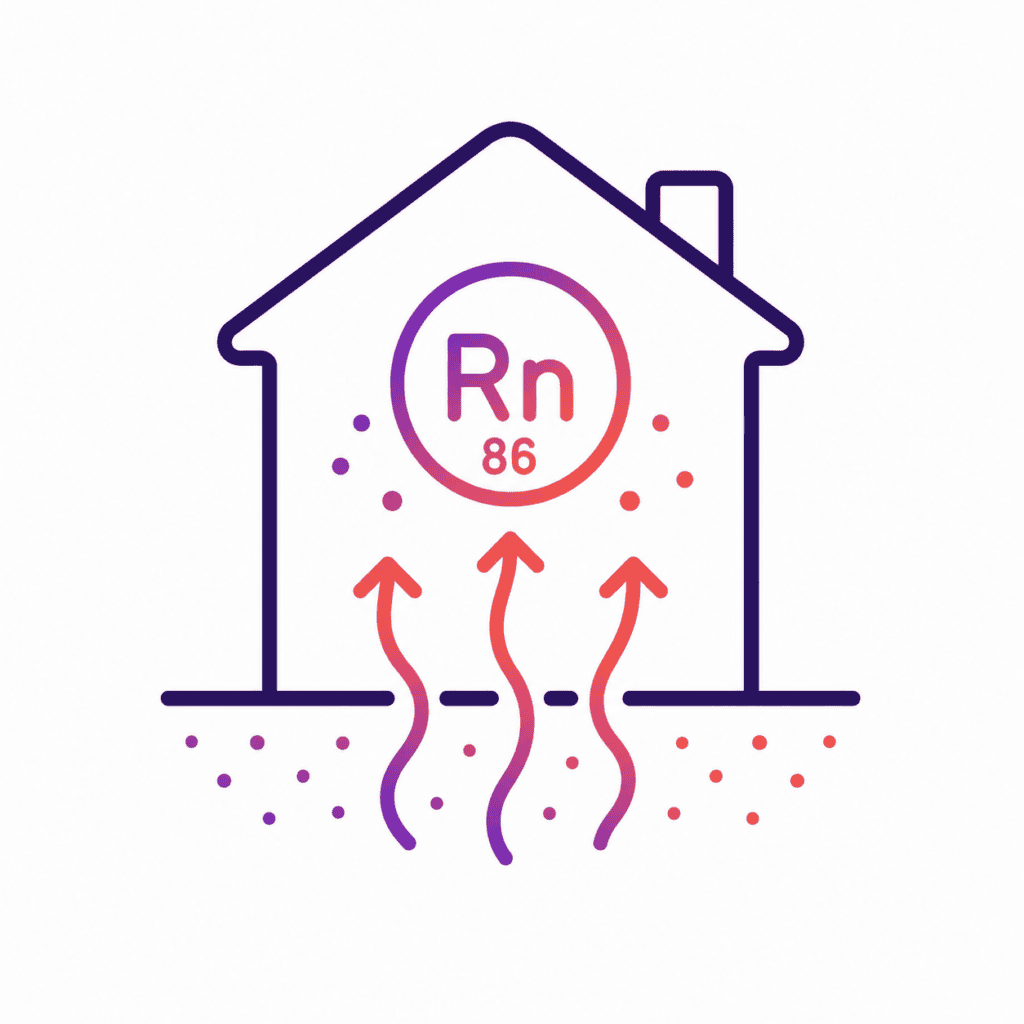
Radon: The Silent Killer: Radon is the leading cause of lung cancer among never-smokers and the second leading cause overall, after smoking. This naturally occurring radioactive gas is produced by the decay of uranium found in soil, rock, and water. Odorless, colorless, and tasteless, radon can seep into homes and buildings through cracks in foundations, construction joints, and gaps around pipes. Once indoors, it can accumulate to dangerous levels, especially in poorly ventilated spaces. When inhaled, radon particles deposit in the airways, emitting alpha radiation that damages cellular DNA, significantly increasing the risk of lung cancer. The U.S. Environmental Protection Agency (EPA) estimates that radon causes about 21,000 lung cancer deaths per year, with about 2,900 of these occurring among people who have never smoked. Fortunately, inexpensive test kits are available to measure indoor radon levels, and mitigation systems can effectively reduce concentrations in affected homes, underscoring the importance of public awareness and proactive testing.
-
Air Pollution: A Global Threat: Ambient air pollution, particularly fine particulate matter known as PM2.5, is an increasingly recognized and pervasive risk factor for LCINS. These microscopic particles, less than 2.5 micrometers in diameter, are primarily generated from vehicle exhaust, industrial emissions, and burning of fossil fuels. Due to their minute size, PM2.5 particles can penetrate deep into the lungs, causing chronic inflammation, oxidative stress, and DNA damage. Studies have demonstrated a strong correlation between long-term exposure to elevated PM2.5 levels and the development of specific genetic mutations in lung tumors of never-smokers, suggesting a direct carcinogenic pathway.

The global disparity in air pollution exposure is stark. The World Health Organization (WHO) recommends that average annual PM2.5 concentrations should not exceed 5 µg/m³. While the average in the United States hovers around 7 µg/m³, many regions worldwide face significantly higher levels. For instance, countries like India experience average concentrations nearing 50 µg/m³, with some urban centers reporting well over 100 µg/m³. This extreme exposure in densely populated areas exacerbates the risk for millions.
A growing concern is the increasing frequency and intensity of wildfires, which release massive plumes of hazardous smoke laden with high levels of fine particulate matter and other toxic compounds. For example, in the summer of 2026, widespread Canadian wildfires created unprecedented air quality alerts across North America, driving PM2.5 concentrations in the New York City metropolitan area and other parts of the U.S. to over 175 µg/m³—levels far exceeding safe thresholds. Such acute and prolonged exposures, especially when combined with chronic background pollution, are feared to contribute to future increases in respiratory diseases, including lung cancer, for both smokers and never-smokers alike.
-
Other Potential Factors: While less common than the aforementioned, other factors can also contribute to LCINS risk. Occupational exposures to carcinogens like asbestos, arsenic, chromium, and diesel exhaust, though more frequently associated with specific industries, can increase risk. Certain pre-existing lung diseases, such as pulmonary fibrosis, may also elevate the risk. Furthermore, ongoing research explores the role of human papillomavirus (HPV) infection and other chronic infections in some cases of lung cancer.
The Challenges of Early Diagnosis
One of the most significant hurdles in improving outcomes for LCINS patients is the difficulty of early diagnosis. Over 70% of lung cancer cases, regardless of smoking status, are diagnosed at advanced stages, largely because early-stage tumors often present with subtle or non-specific symptoms. These symptoms—such as a persistent cough, shortness of breath, chest pain, or fatigue—can easily be mistaken for more common, benign respiratory conditions like asthma, allergies, bronchitis, or even the common cold.
Compounding this issue, current lung cancer screening guidelines primarily target high-risk individuals: adults aged 50-80 with a substantial smoking history (at least 20 pack-years) who currently smoke or have quit within the last 15 years. This exclusionary criteria means that never-smokers, particularly younger adults, are not routinely screened. Consequently, when a never-smoker presents with respiratory symptoms, lung cancer is often not the initial consideration, leading to diagnostic delays that can significantly impact prognosis. By the time a correct diagnosis is made, the cancer may have progressed, limiting treatment options and reducing survival rates. This highlights an urgent need to re-evaluate and potentially broaden screening criteria to include other risk factors and demographics, ensuring that LCINS cases are detected at earlier, more treatable stages.
Precision Medicine: Tailoring Treatment for LCINS
The recognition of LCINS as a distinct disease has paved the way for more personalized and effective treatment approaches. Unlike smoking-related lung cancers, which often have a high mutational burden, LCINS tumors frequently harbor specific "driver" mutations that can be targeted with precision therapies.

-
Targeted Therapies: For patients with tumors exhibiting specific genetic alterations such as EGFR mutations, ALK rearrangements, or ROS1 fusions, targeted therapies have revolutionized treatment. These oral medications precisely block the activity of the mutated proteins that drive cancer growth, often leading to dramatic and sustained responses. The efficacy of these drugs underscores the importance of comprehensive genomic testing for all newly diagnosed lung cancer patients, especially never-smokers, to identify actionable mutations.
-
Immunotherapy: Immunotherapy, particularly checkpoint inhibitors, has transformed cancer care by unleashing the body’s immune system to fight cancer cells. However, for LCINS patients, immunotherapy alone may be less effective in some cases compared to smoking-related lung cancers. This is because tumors with fewer mutations may be less "visible" to the immune system. Researchers are actively exploring combination approaches, such as immunotherapy paired with chemotherapy or anti-angiogenic agents, to enhance immune responses and improve outcomes for LCINS patients who may not respond well to immunotherapy as a monotherapy.
-
Standard Treatments: Depending on the stage and genetic profile, traditional treatments like surgery (for early-stage localized tumors), radiation therapy (often used alongside chemotherapy or post-surgery), and chemotherapy (for advanced disease or in combination regimens) remain vital components of the treatment landscape for LCINS. The specific combination and sequence of these therapies are highly individualized, determined by the cancer’s stage, the patient’s overall health, and the tumor’s molecular characteristics.
Expert Perspectives and Calls to Action

Leading oncologists and public health experts universally emphasize the critical need for increased awareness and research regarding LCINS. Dr. Alice Chen, a prominent researcher in thoracic oncology, states, "The traditional narrative around lung cancer has inadvertently left a significant portion of patients underserved. We must challenge the stigma associated with lung cancer and educate the public and medical community that anyone with lungs can get lung cancer, regardless of their smoking history."
Organizations like the World Health Organization and national cancer research institutes are intensifying efforts to understand the etiology of LCINS. They advocate for stronger environmental protection policies, including stricter air quality regulations and mandatory radon testing in homes and workplaces. "Our understanding of environmental carcinogens is evolving," says Dr. Mark Johnson, a spokesperson for a global cancer research foundation. "The increasing global burden of air pollution and the persistent threat of radon necessitate proactive public health measures and robust funding for research into how these exposures translate into specific molecular changes that drive LCINS."
Patient advocacy groups are also playing a crucial role, working to destigmatize the disease and ensure that never-smokers receive equitable access to early diagnosis and advanced treatments. They stress the importance of listening to one’s body and seeking medical attention for persistent respiratory symptoms, regardless of perceived risk factors.
Charting the Course Ahead: Research, Awareness, and Prevention
The rising incidence of lung cancer in never-smokers is a stark reminder of the complexity of cancer and the constant need for scientific inquiry and public health adaptation. While the exact reasons for the increase are still being fully elucidated, the confluence of environmental factors, genetic predispositions, and improved diagnostic capabilities likely contribute to this emerging pattern.
Looking ahead, a multi-pronged approach is essential. Continued investment in basic and clinical research is paramount to uncover new genetic drivers, identify novel biomarkers for early detection, and develop more effective, personalized treatments for LCINS. This includes large-scale epidemiological studies to precisely quantify risk factors and their interactions, as well as molecular investigations to understand the specific pathways leading to tumor development in never-smokers.
Simultaneously, public health campaigns must evolve to reflect the updated understanding of lung cancer risk. This involves educating the public about non-smoking risk factors like radon and air pollution, promoting home testing for radon, and advocating for policies that improve air quality globally. Healthcare providers also need to be equipped with the knowledge and tools to consider LCINS in their differential diagnoses for patients without a smoking history, ensuring that persistent symptoms are investigated thoroughly and promptly.
By challenging outdated perceptions, embracing scientific advancements, and fostering a proactive public health strategy, the medical community and society at large can work towards earlier detection, more personalized treatments, and ultimately, better outcomes for all individuals affected by lung cancer, regardless of their smoking history. Each new discovery in the biology of LCINS brings us closer to a future where this hidden epidemic is brought into the light and effectively combated.
